POLAROIDS
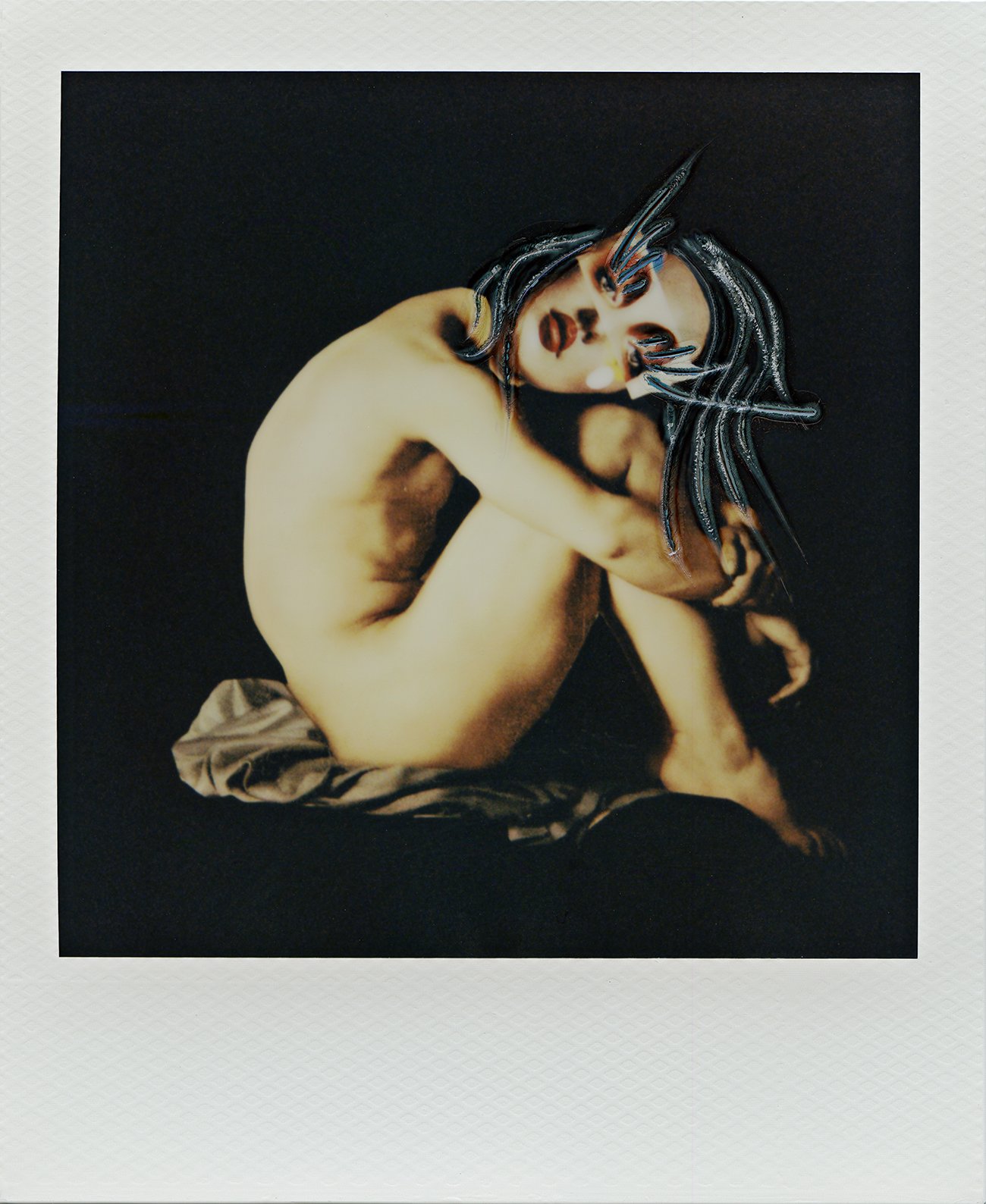
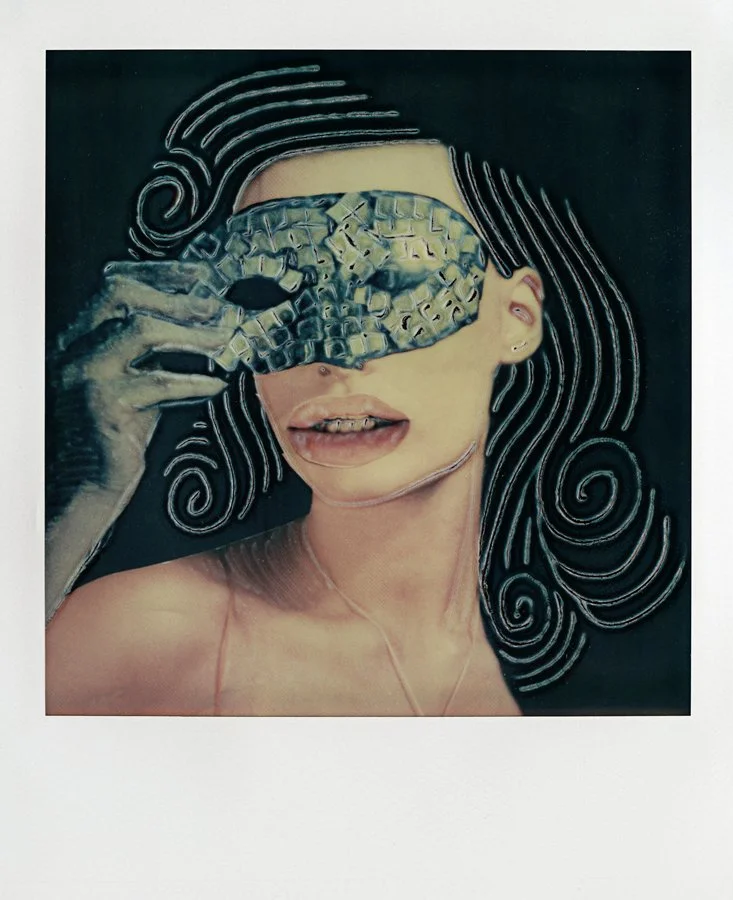
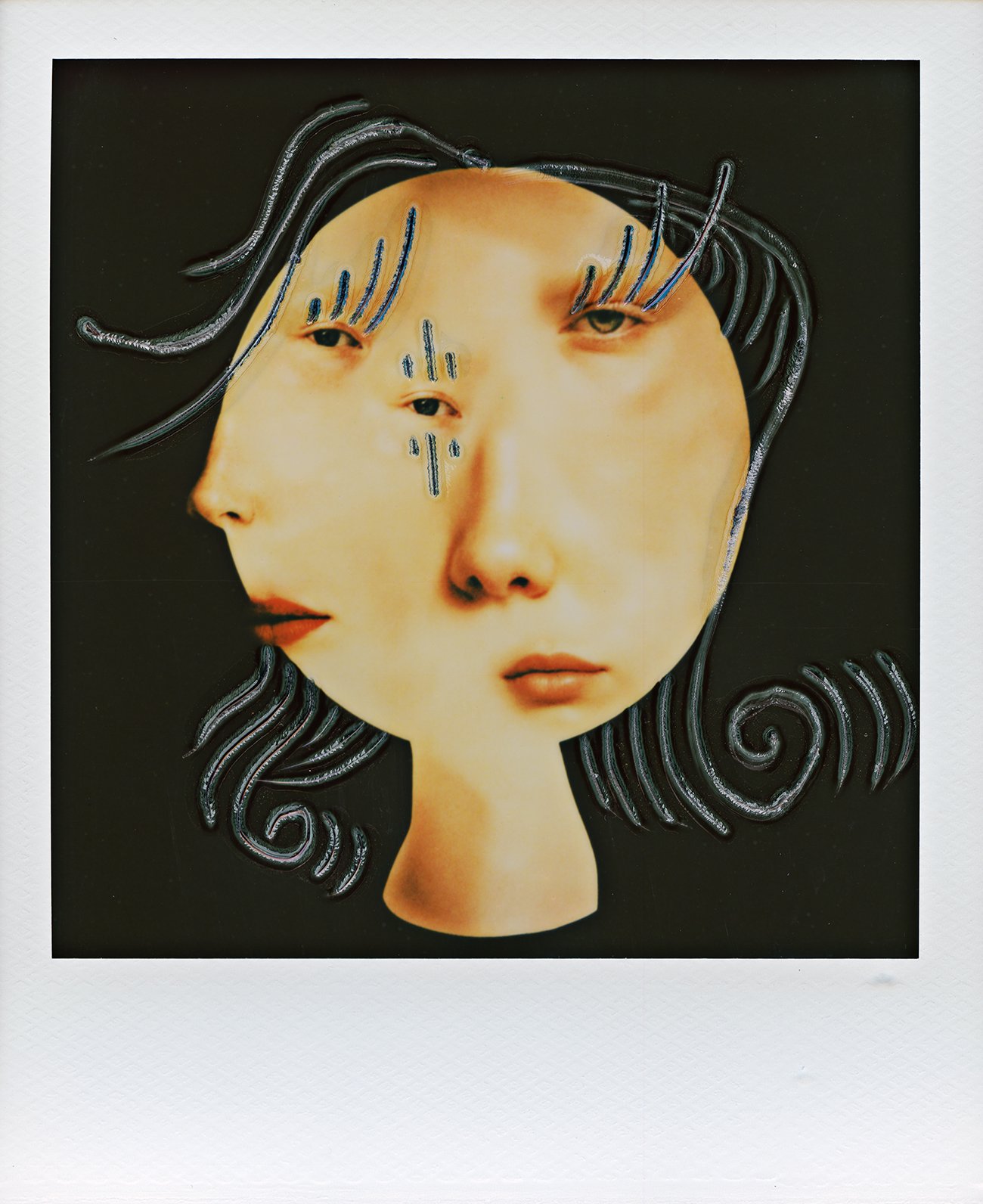
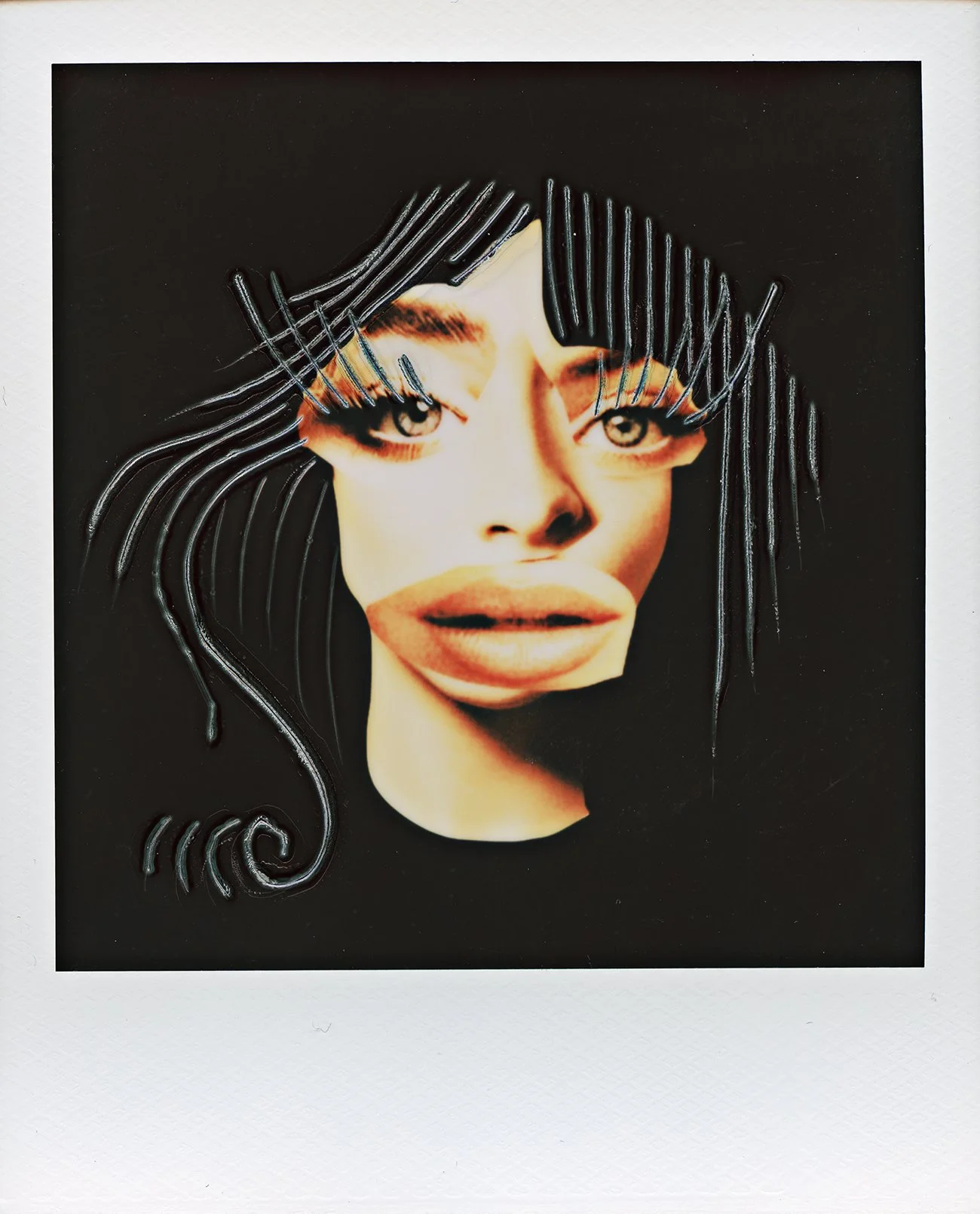
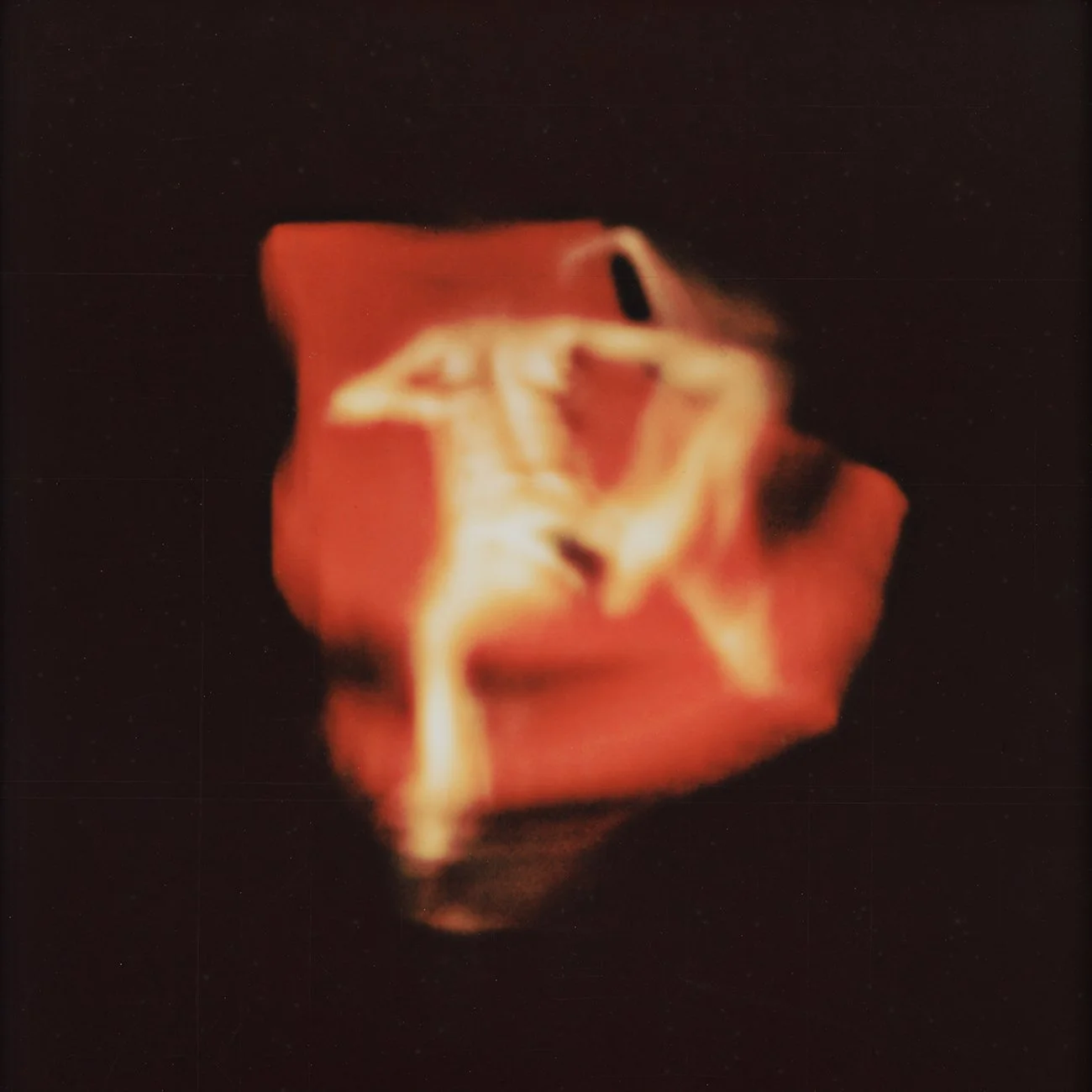
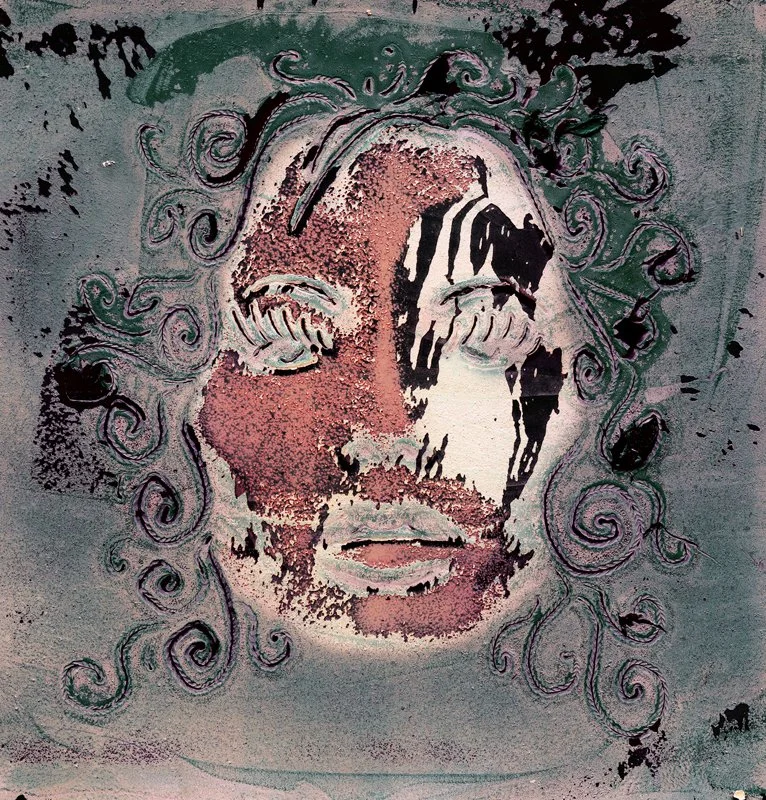
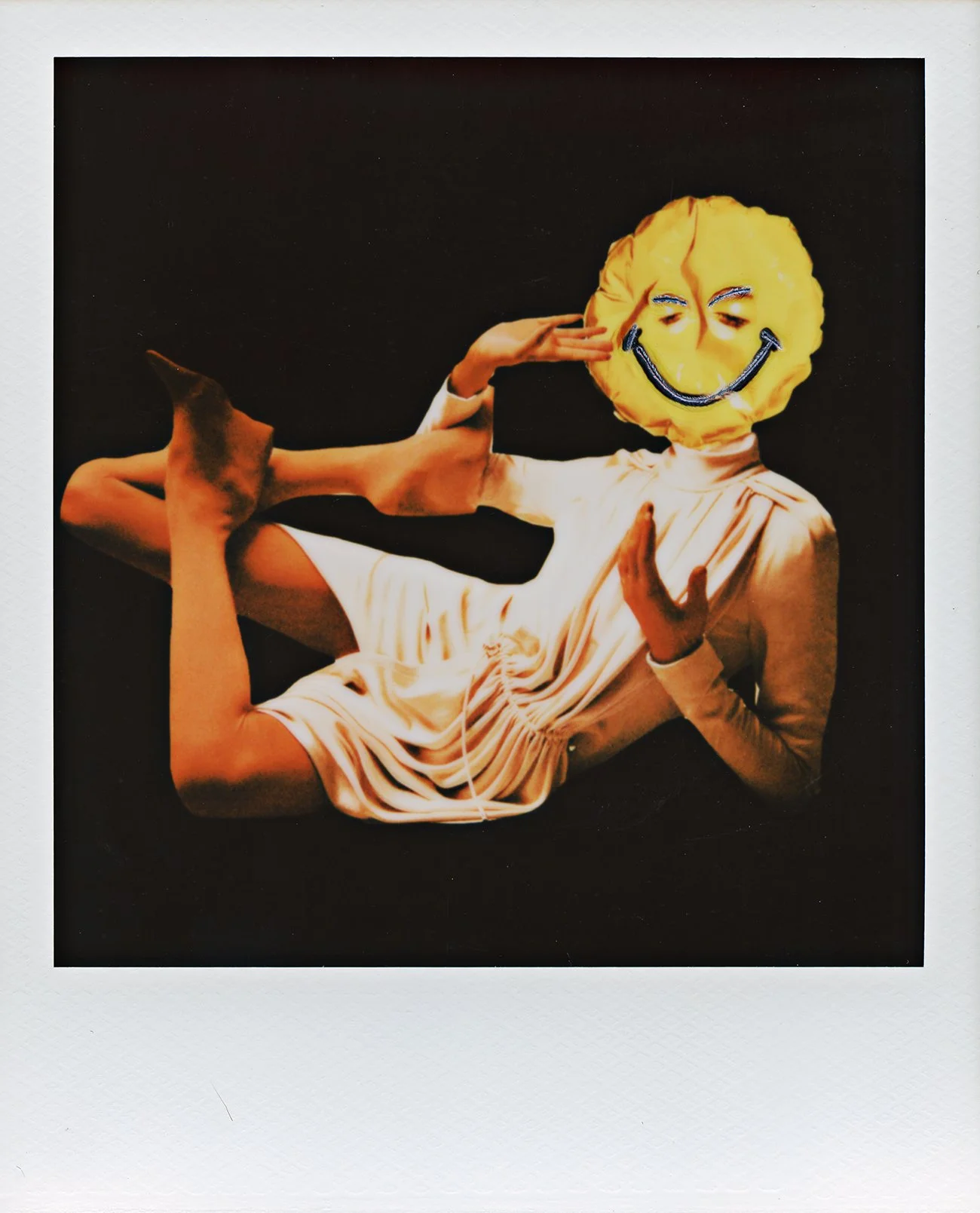
The Polaroid works combine photography, collage, drawing, text, image transfer, and physical intervention to construct images that exist between documentation and invention. Rather than presenting photographs as fixed records, the work treats them as materials capable of being altered, fragmented, layered, and reassembled.
The works begin through construction, with collage becoming a process through which they arrive at a final image. Separate images and materials are brought together and photographed onto a Polaroid film; they then cease to exist as individual elements and become a singular physical item. The collage is then destroyed, and the Polaroid undergoes a process of hand-etched and carved intervention. Lines cut into the film’s emulsion are not only the final step in the process, but also a defining signature of the work.