MOTEL HOETEL
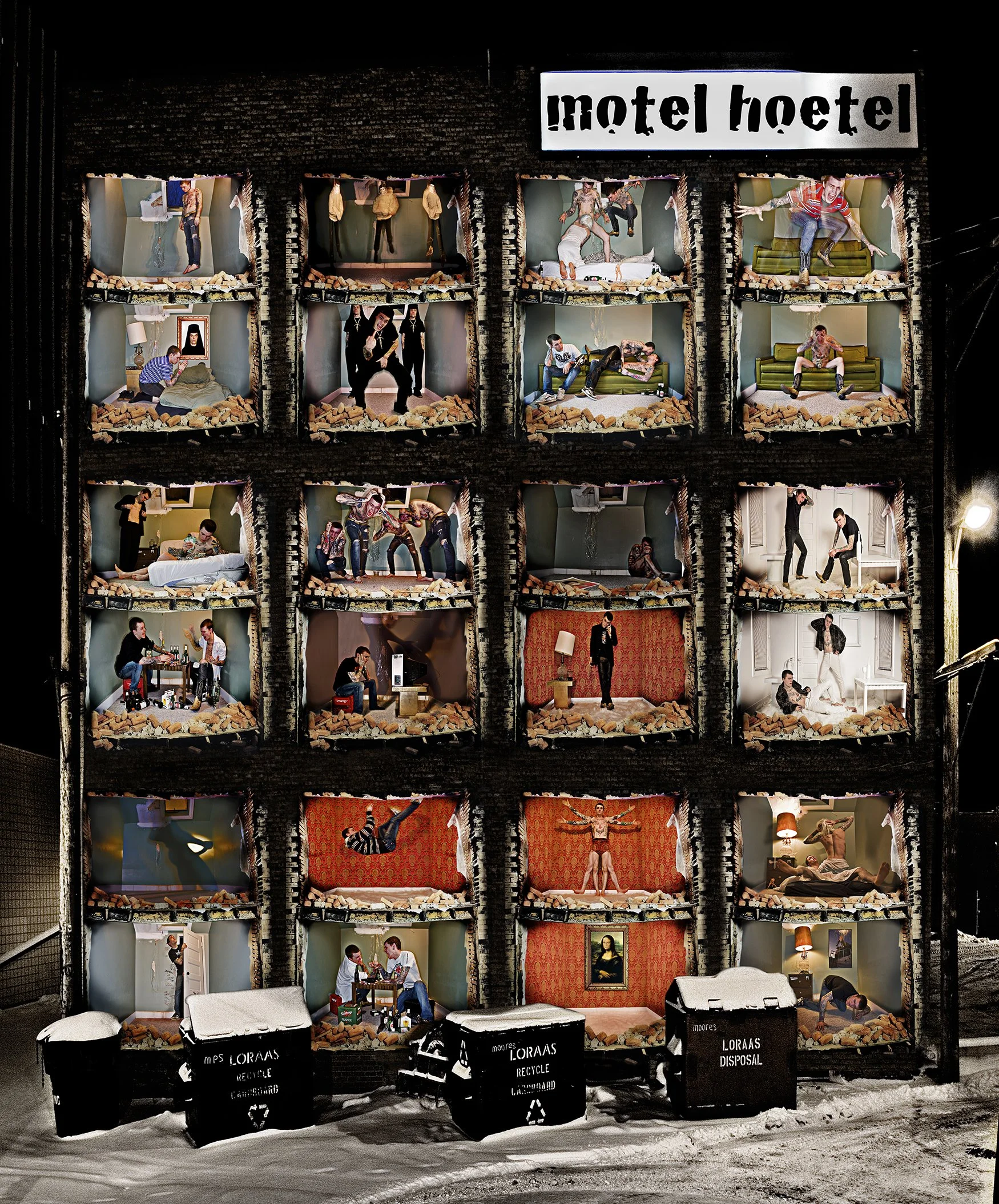
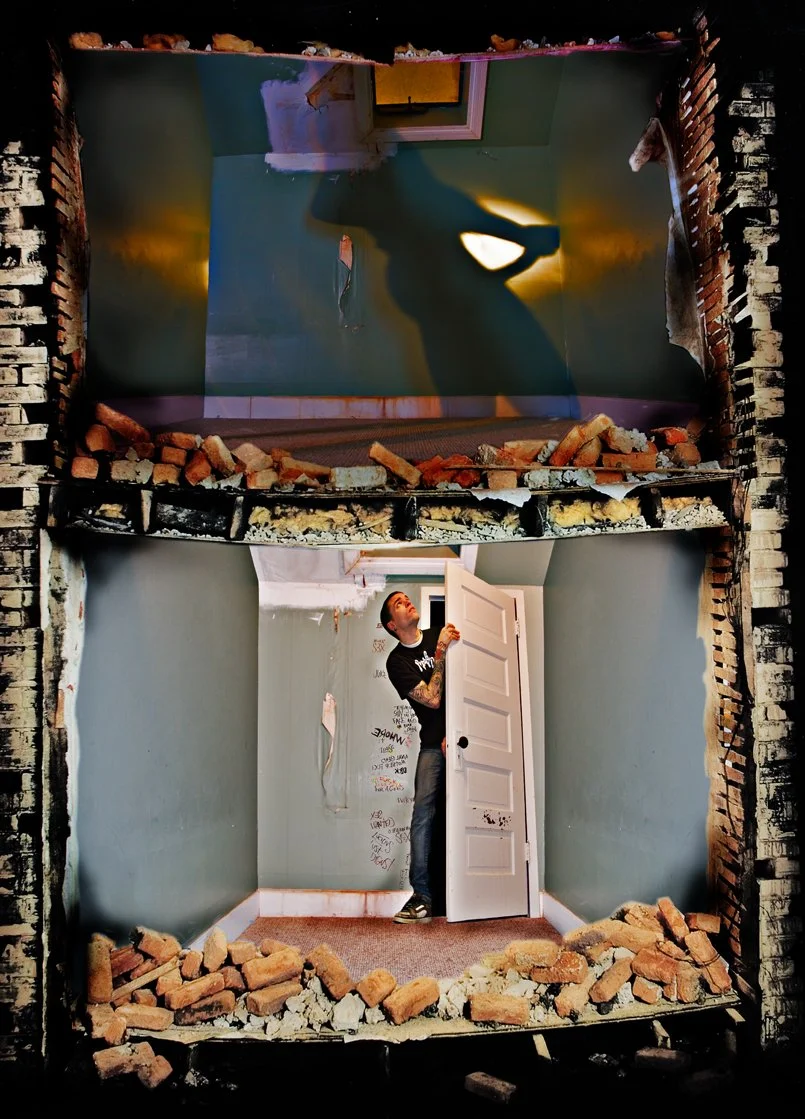
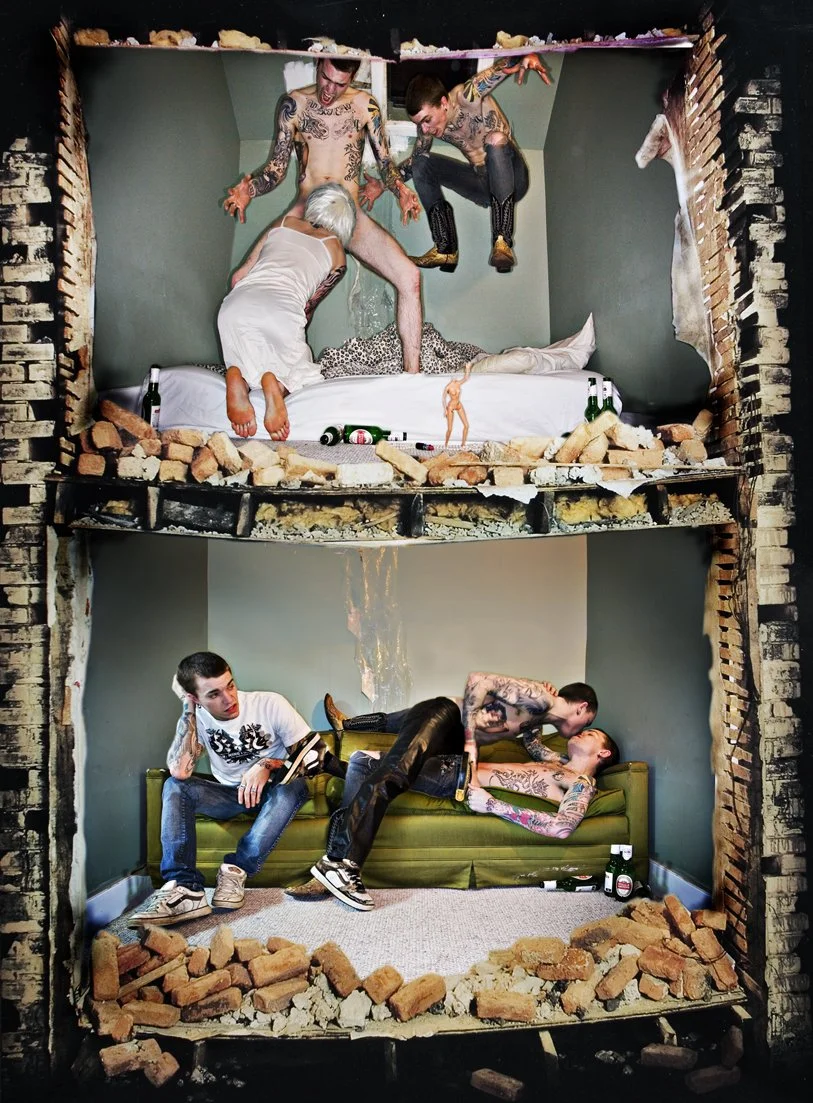
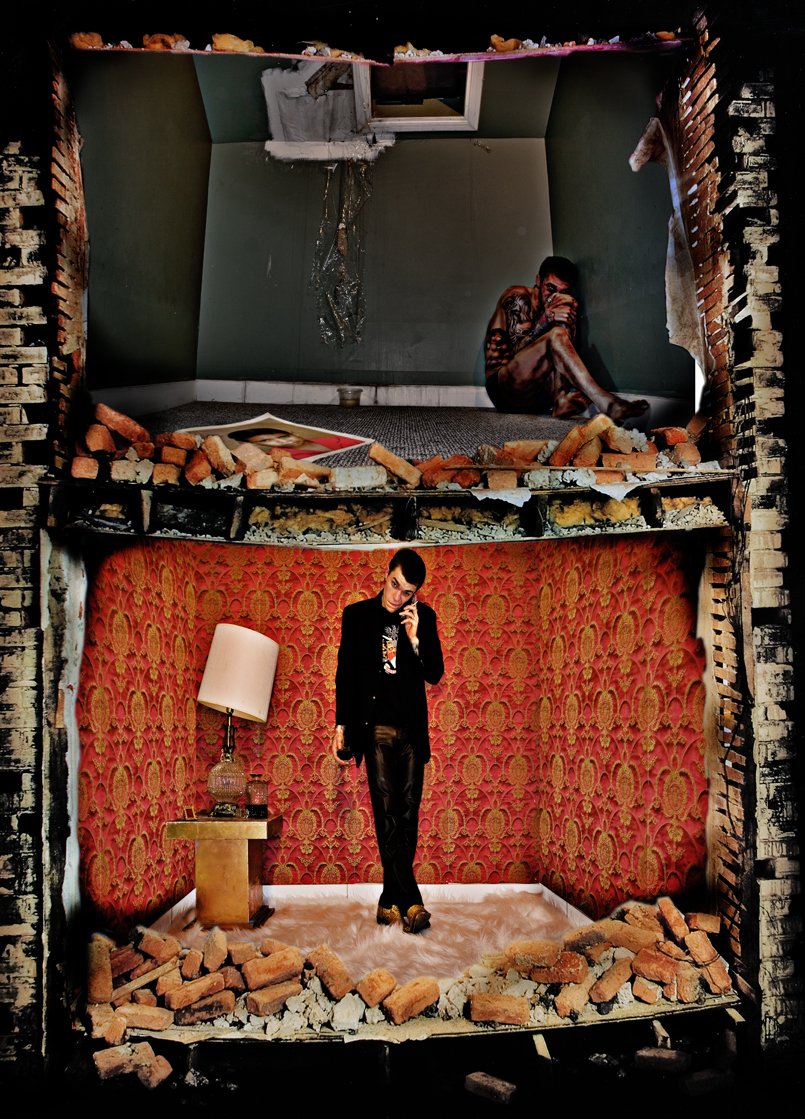
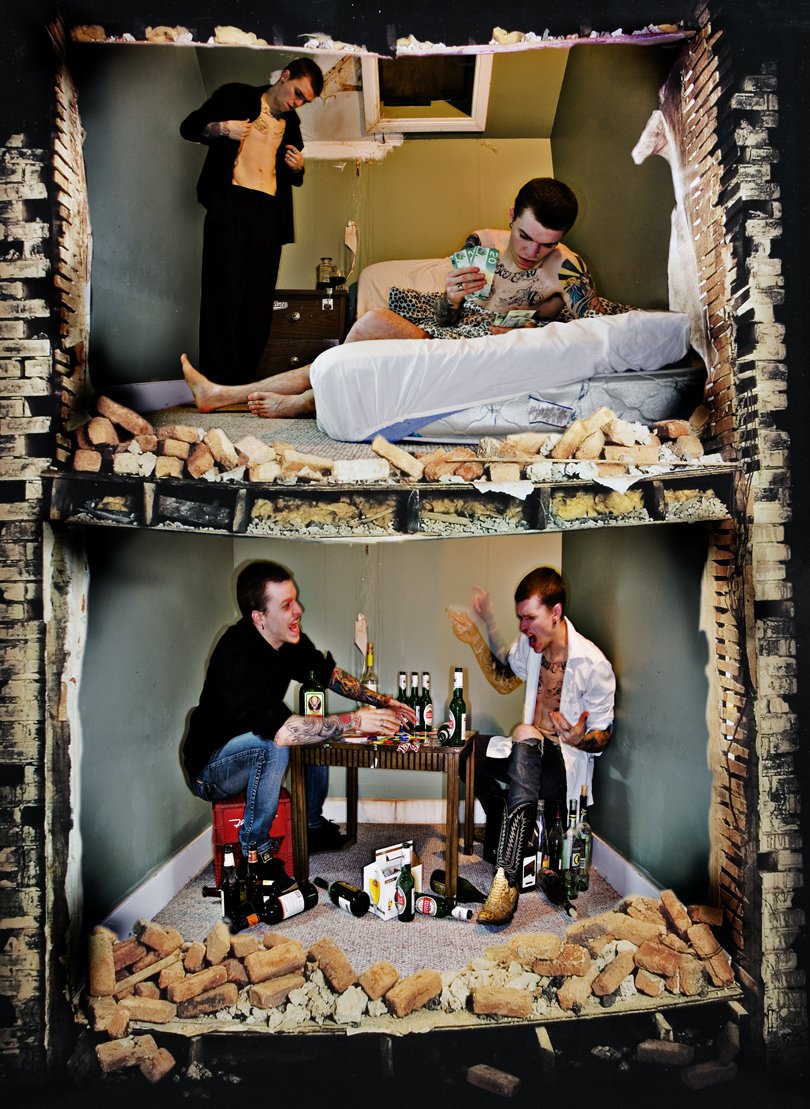
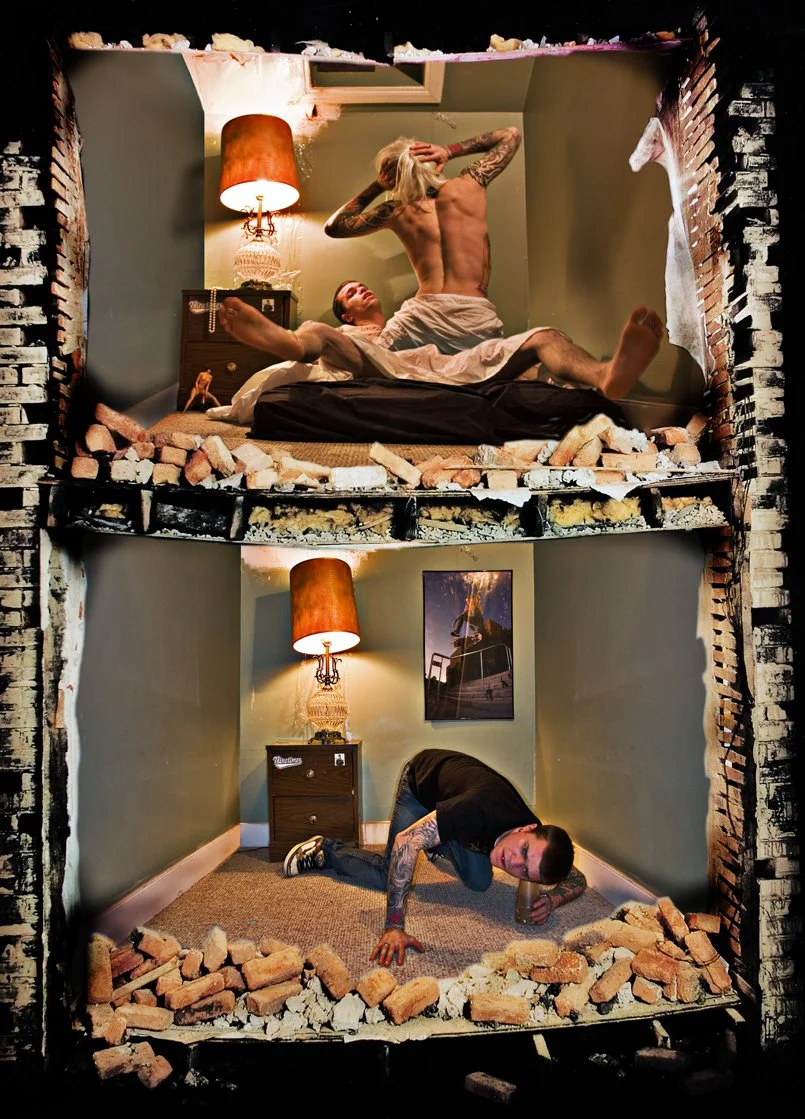
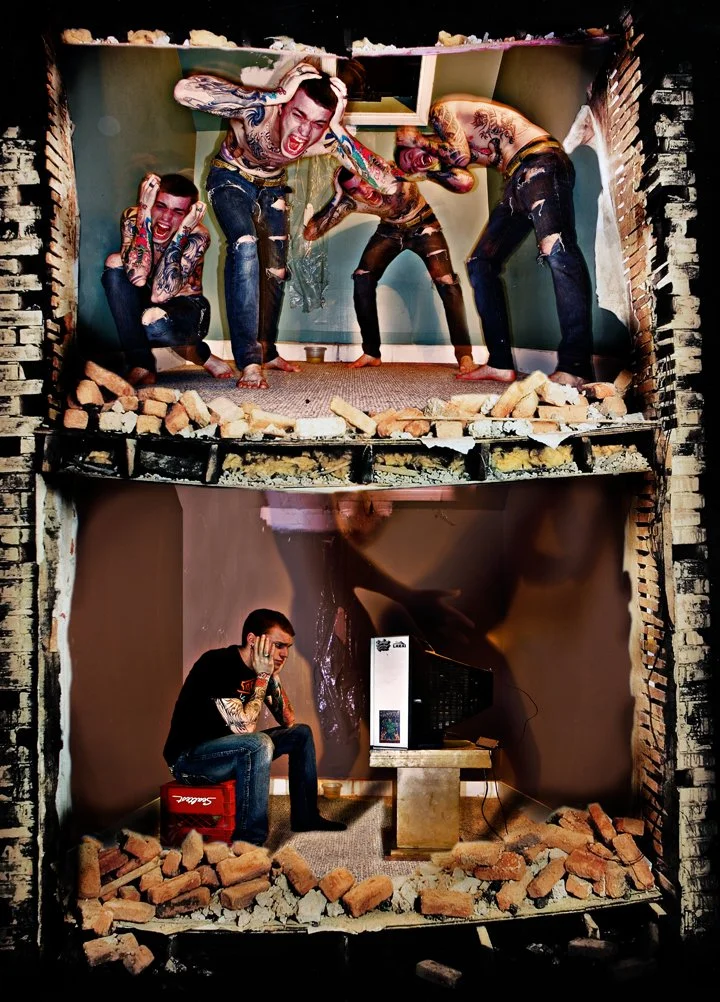
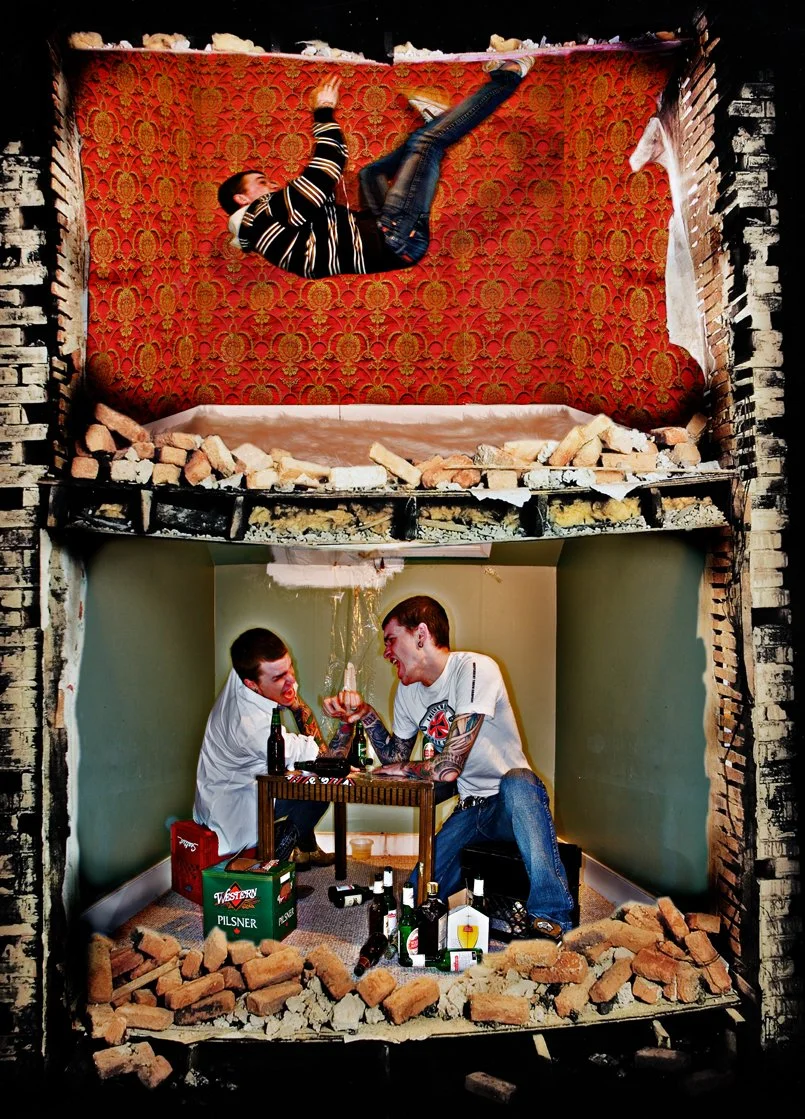
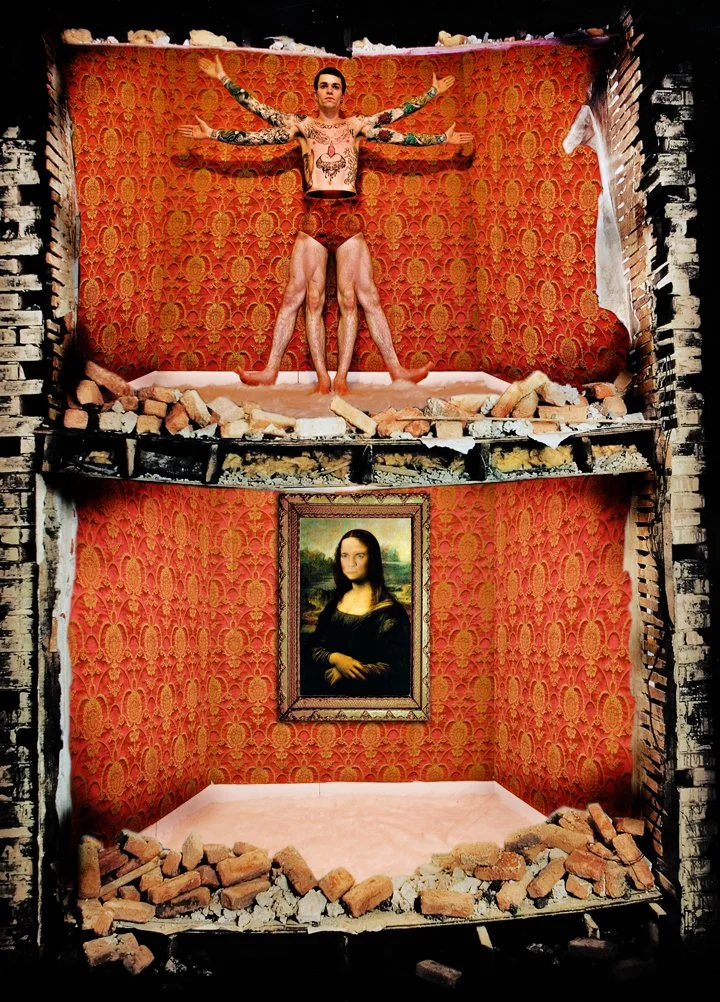
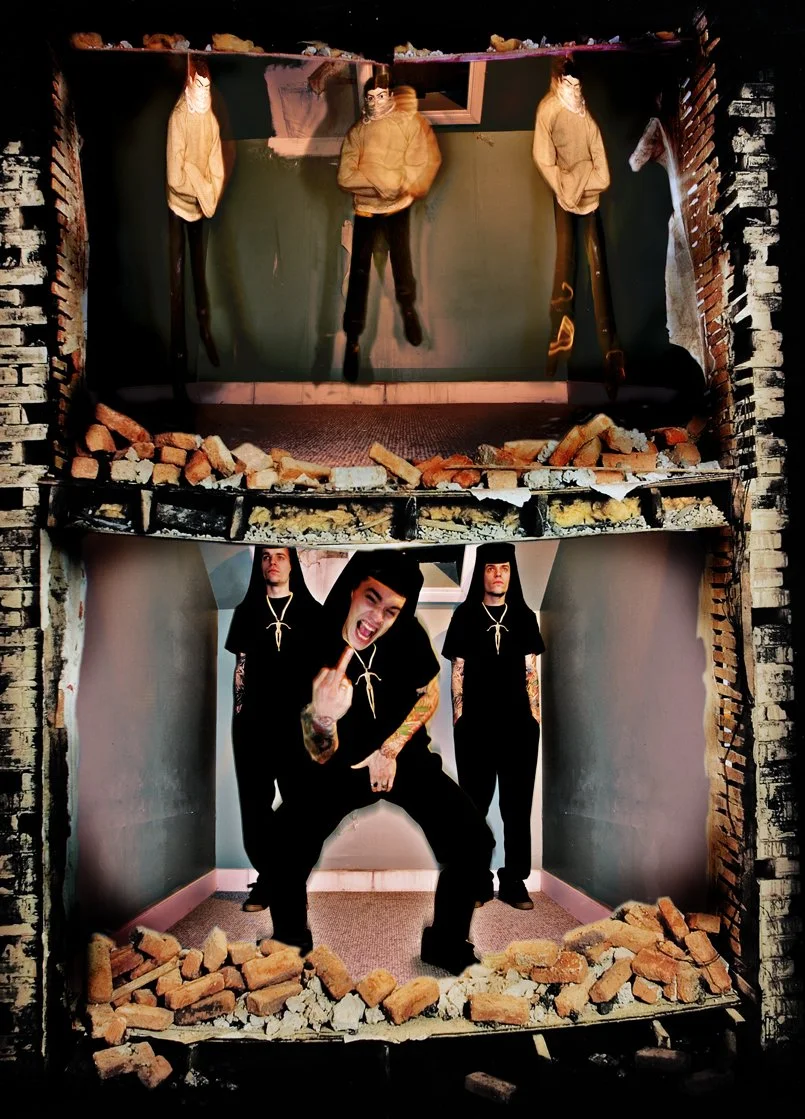
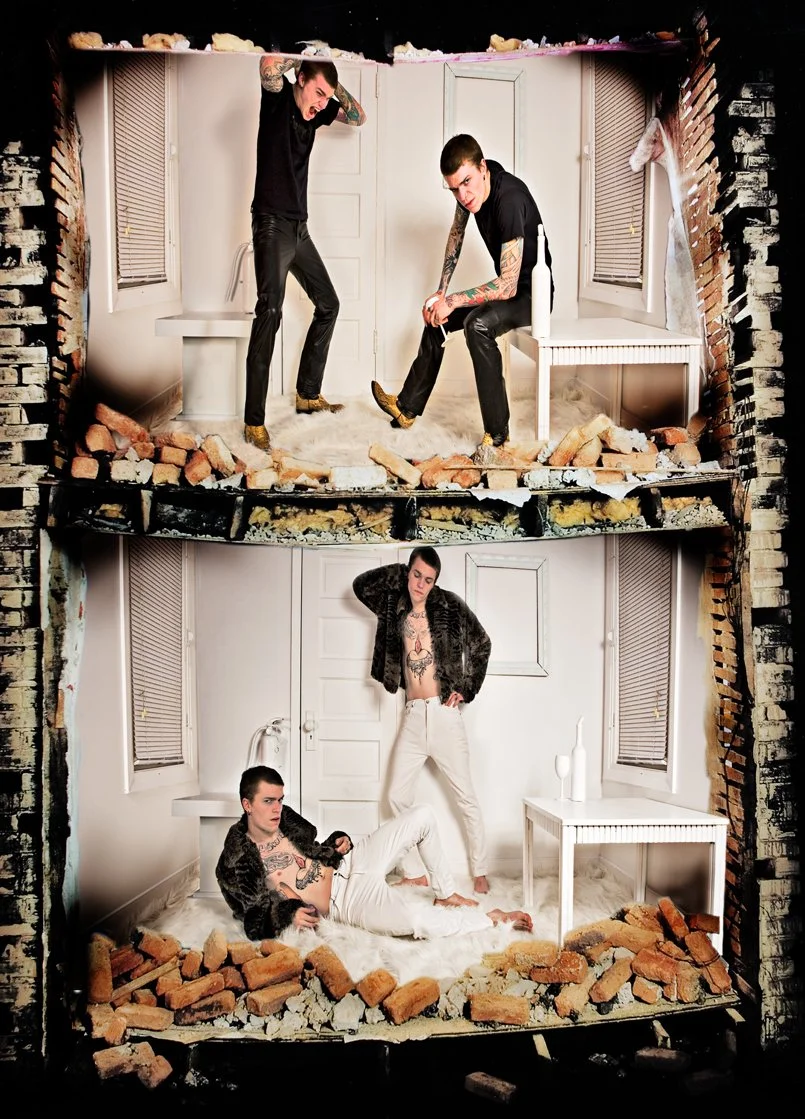
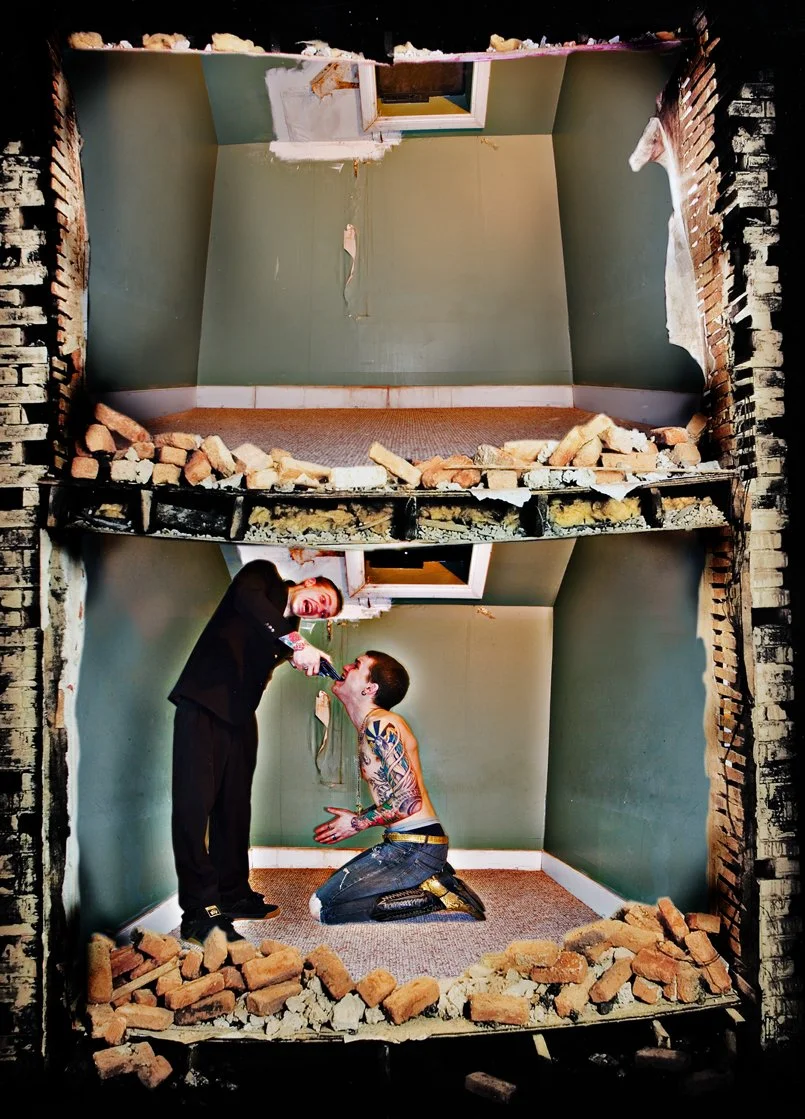
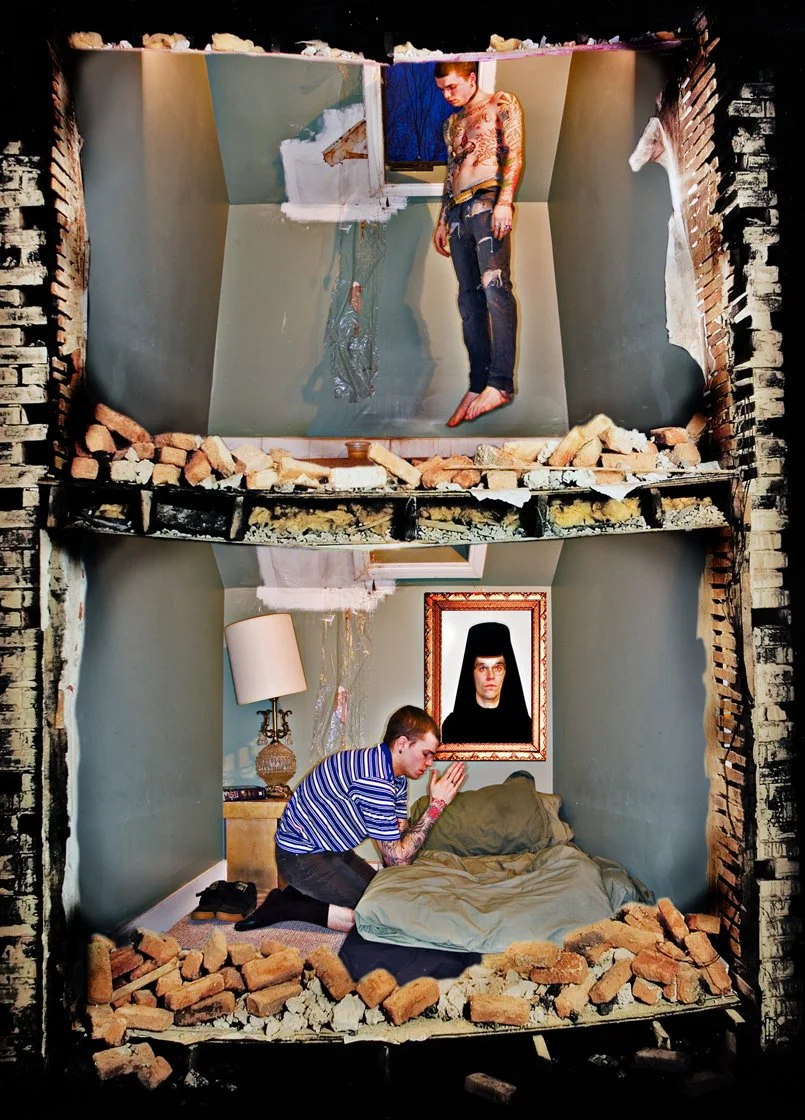
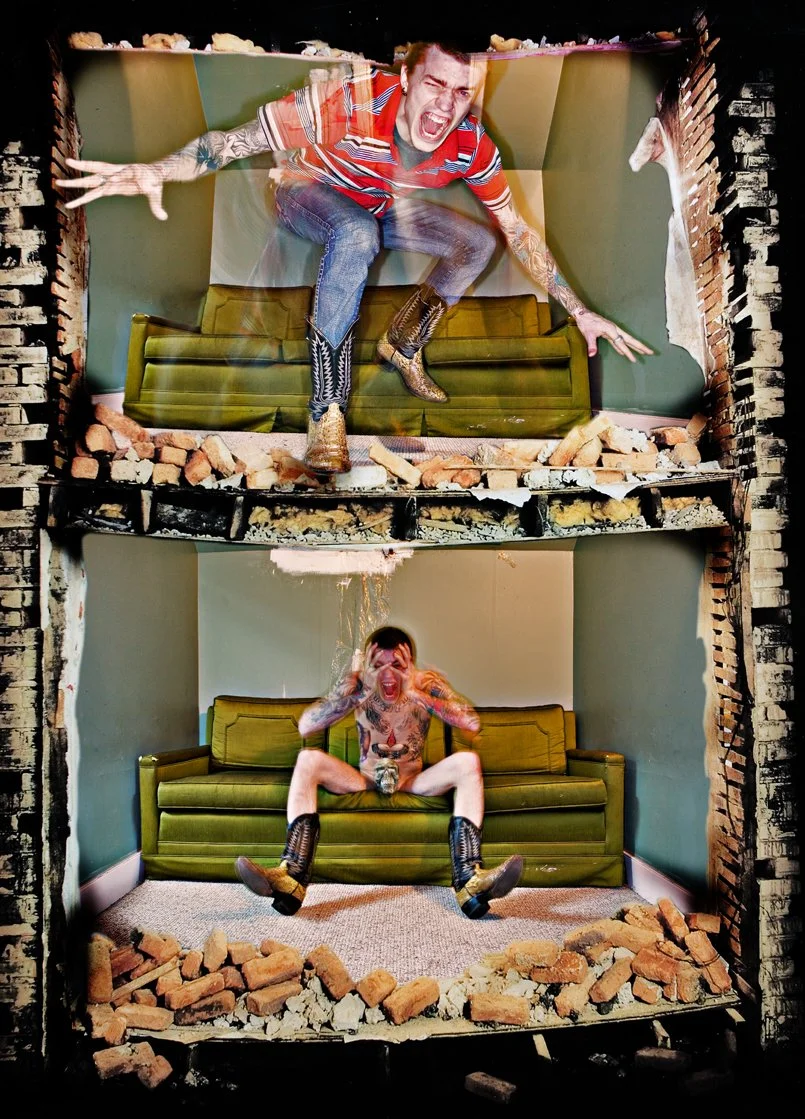
Motel Hoetel is an architectural self-portrait constructed as a collection of interconnected psychological spaces. Composed of individual rooms exposed to view, the work approaches the mind as a place of simultaneous and often contradictory experiences, where belief, desire, fear, performance, memory, and identity exist alongside one another without clear hierarchy or resolution.
Each room functions as a fragment of selfhood, representing aspects of experience that are frequently hidden, compartmentalized, or negotiated internally. Together they form a portrait that resist singular definition, acknowledging the complexity of identity and the multiple roles, narratives, and impulses that shape an individual over time.
Rather than presenting the self as fixed or unified, the work embraces contradiction. The structure becomes a map of internal experience, tracing moments of uncertainty, aspiration, isolation, conflict, vulnerability, and transformation. What emerges is not a search for a singular truth, but an acknowledgment that identity is often assembled from many competing realities existing simultaneously within the same person.