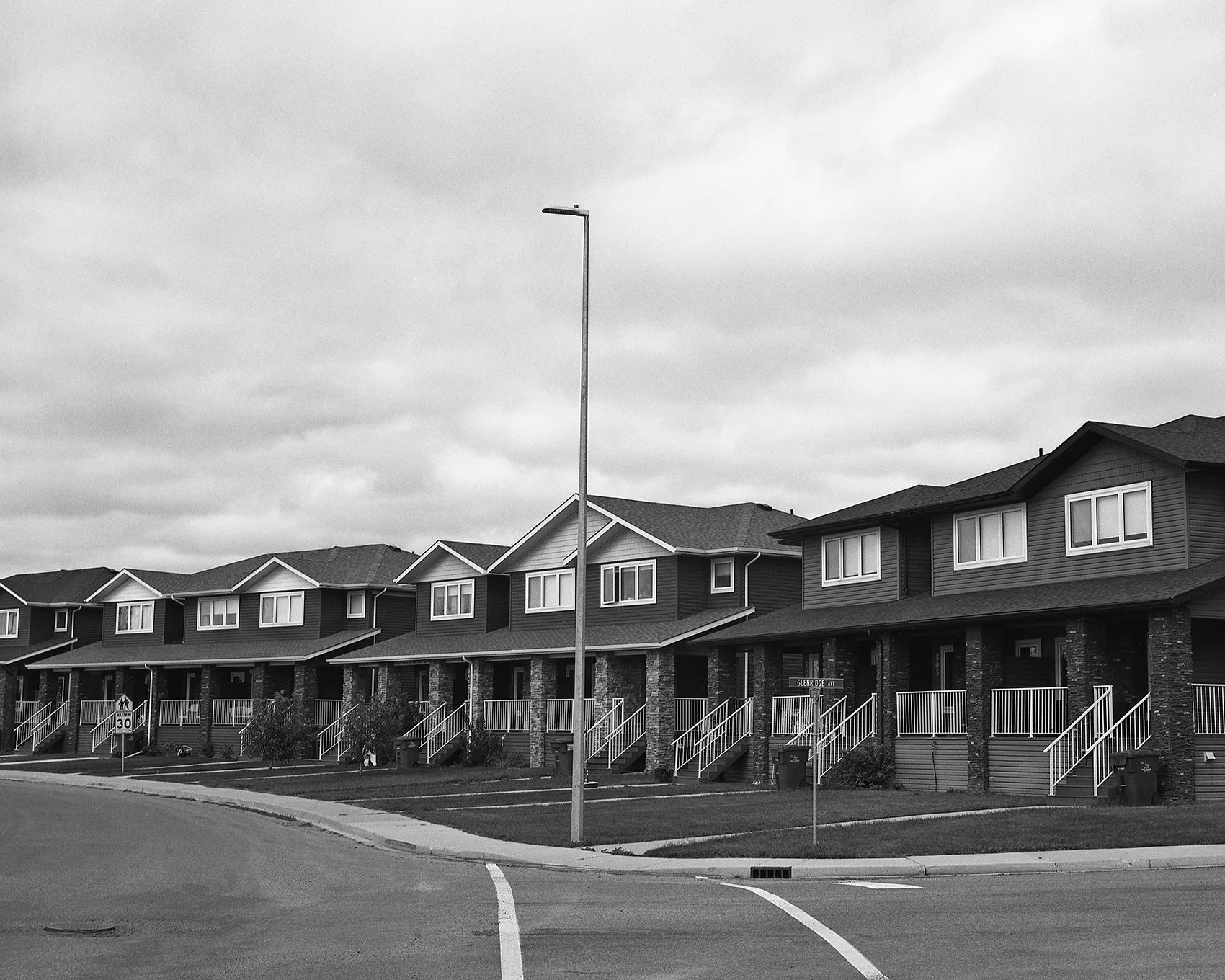
CONDITIONS
A place is never simply what it appears to be. What we understand it to be is shaped by the forces that act upon it. Time, circumstance, occupation, memory, use, and the accumulation of human decisions, these forces do not operate independently. They overlap, compete, withdraw, and leave traces, continually altering the relationship between what something is and what it becomes.
Conditions considers this relationship between existence and the forces that shape it. It begins with the idea that identity is neither entirely inherent nor entirely imposed. Some things retain a sense of themselves through continual change, while others are gradually transformed by their circumstances. Between these states, there is no fixed boundary, only an ongoing negotiation between what persists and what is altered.
The work is rooted in an interest in how we perceive and assign meaning to the world around us, and in how easily those understandings become mistaken for something permanent. What appears settled may be temporary, what seems to have disappeared may continue in another form. What we recognize as a place, or as an identity, is often only one expression of a much longer process.
Rather than seeking to resolve these contradictions, Conditions remains with them. It is an ongoing consideration of the forces that shape existence, the uncertainties that accompany change, and the possibility that things may be understood differently when we look beyond what is immediately apparent.
PERSISTING
Not everything exists in relation to human intention. There are things whose existence does not depend upon being occupied, understood, maintained, or made useful. They are subject to change, sometimes profound and irreversible, but that change does not necessarily require them to become something else.
Persisting considers a form of existence that precedes, and remains independent of, the purposes we assign to the world. It is not an idea or permanence or an imagined return to an untouched state. Nothing is outside time, and nothing remains entirely unchanged. Rather, there is a distinction between change that arises through the ongoing processes of existence and change imposed by the expectations and needs of others.
There is something compelling in this independence. It suggests a way of being that does not require recognition or justification, and that cannot be fully understood through the functions or meaning we might give it. Its identity is not fixed, but neither is it dependent upon us to establish one.
Persisting is concerned with this possibility, that something can continue to become, without needing to become what someone else expects of it.
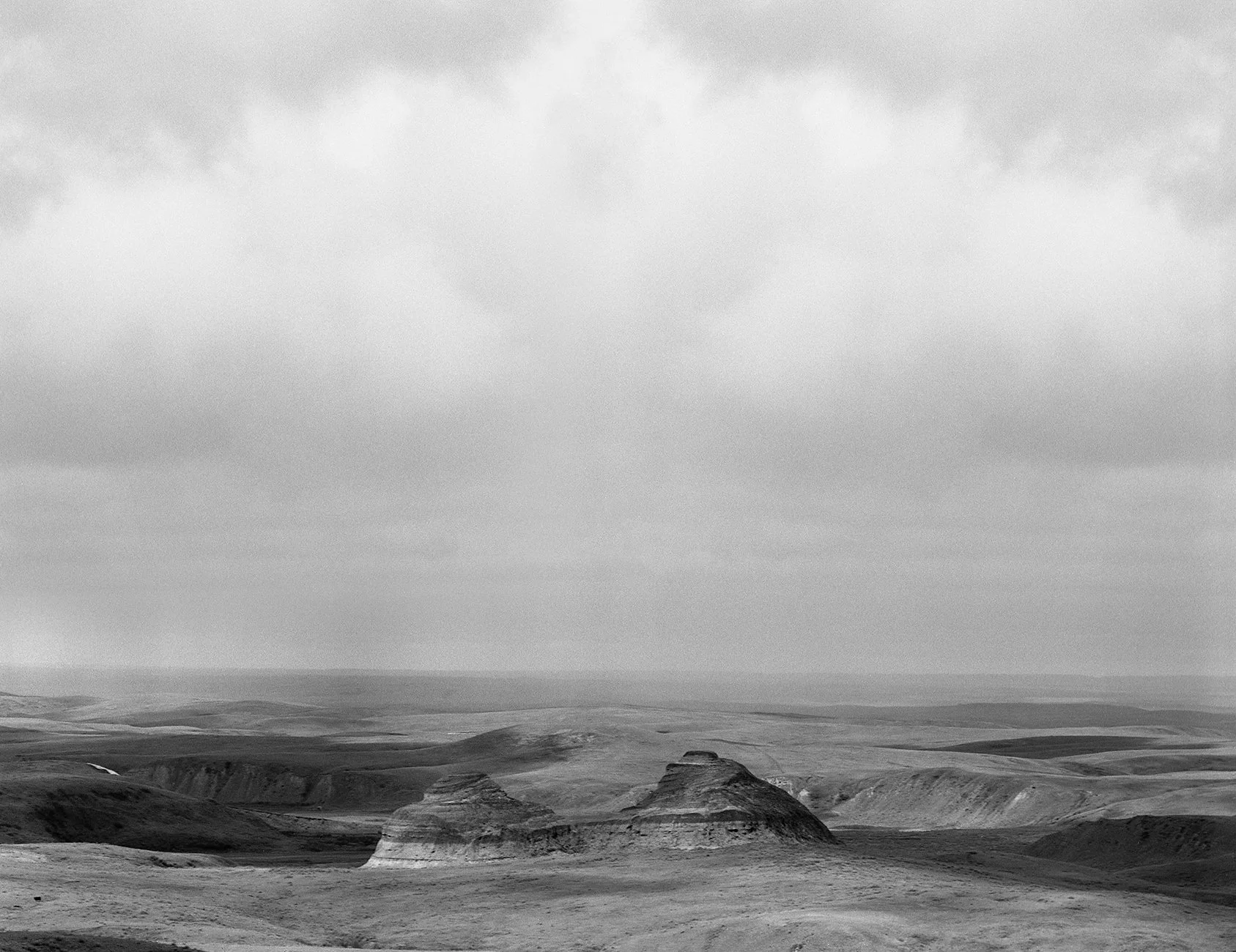
Grasslands National Park East Block SK
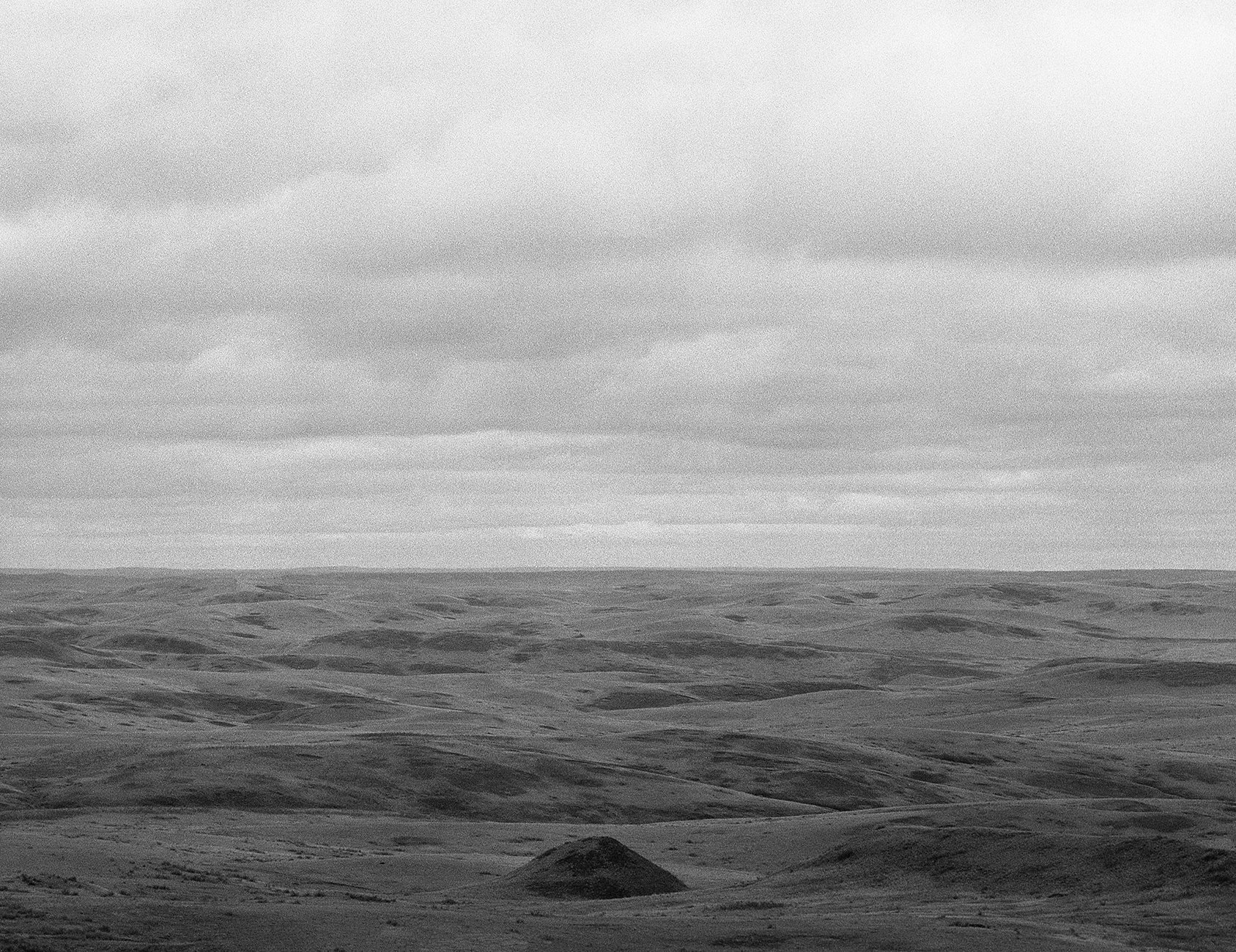
Grasslands National Park East Block SK
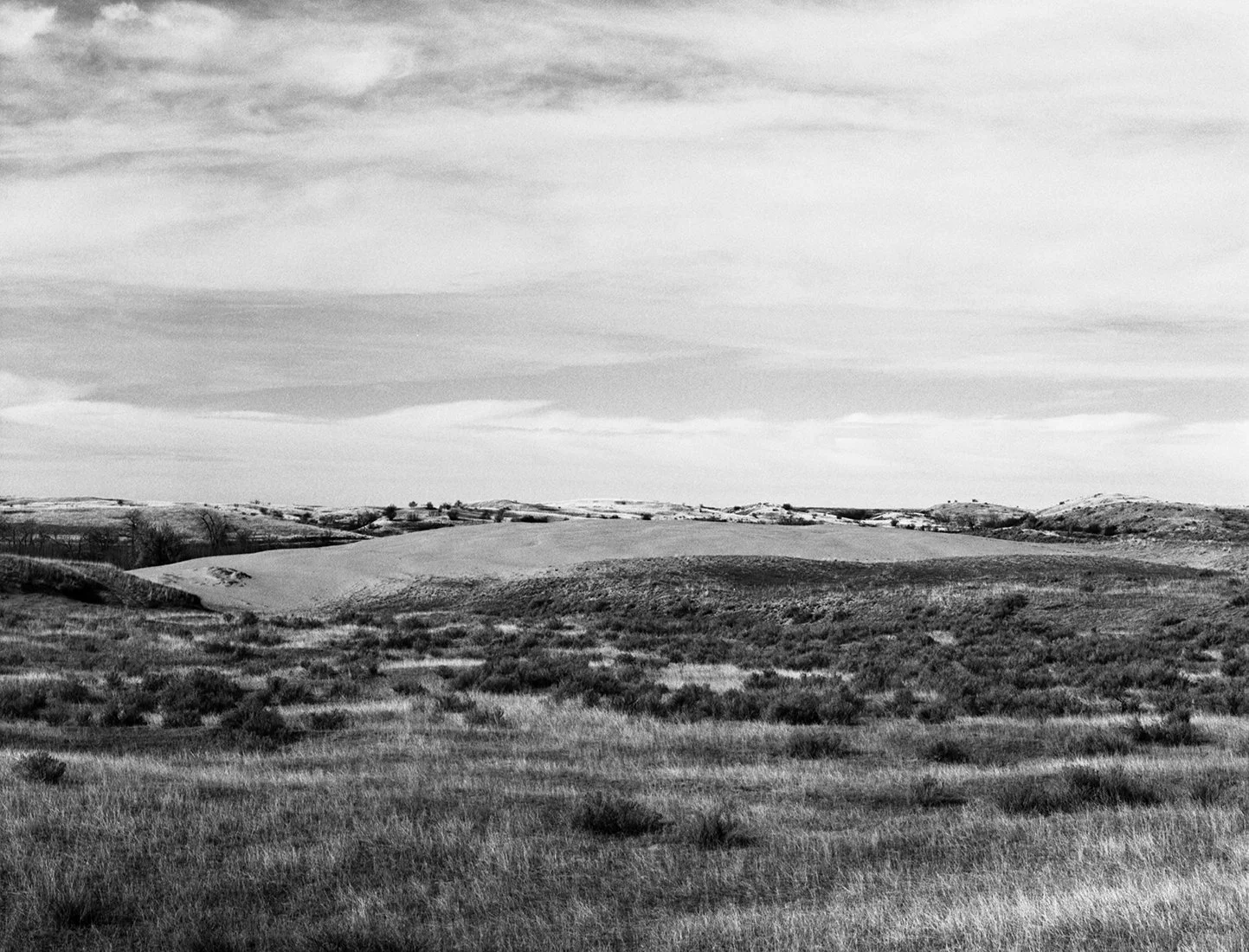
The Great Sand Hills SK
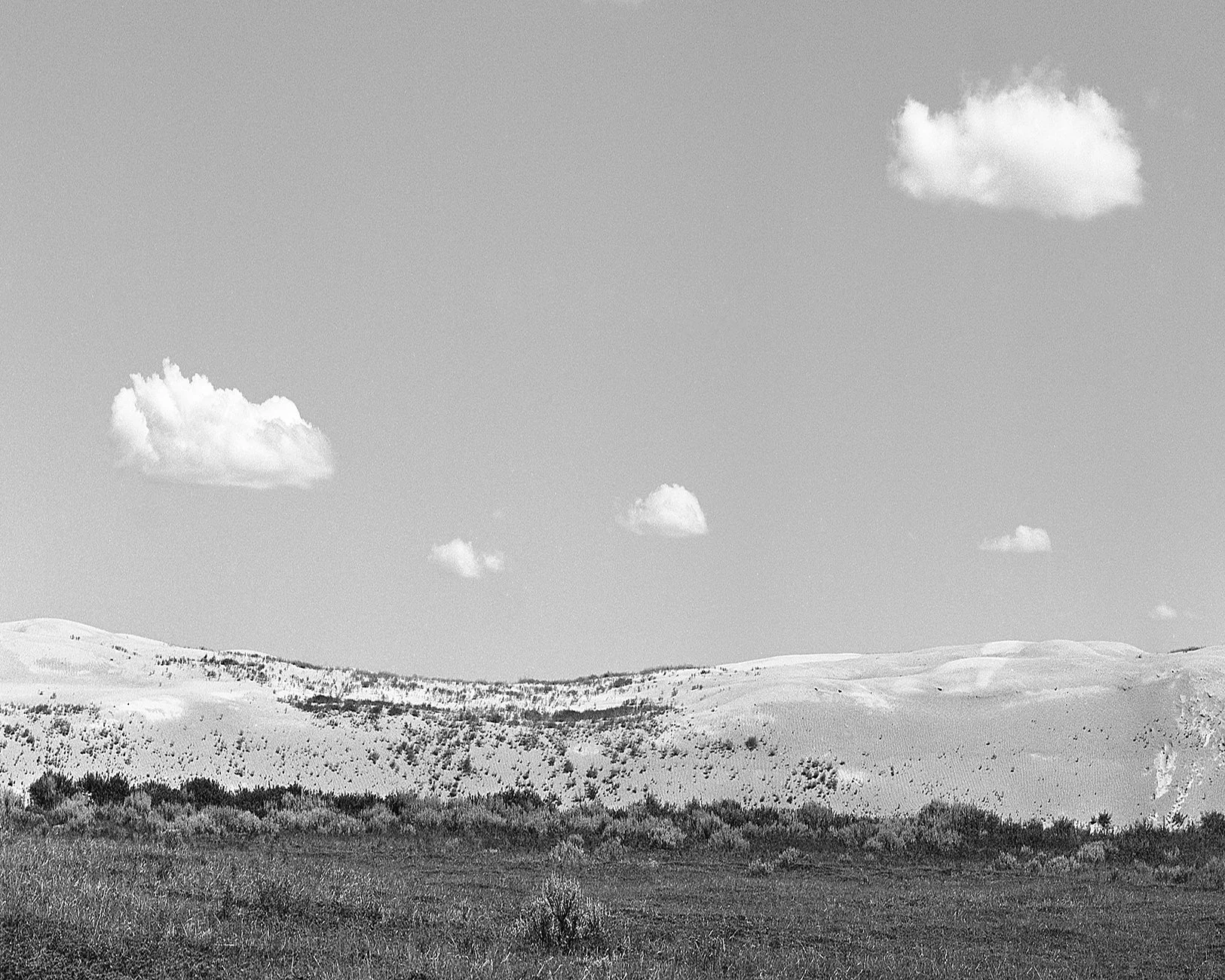
The Great Sand Hills SK
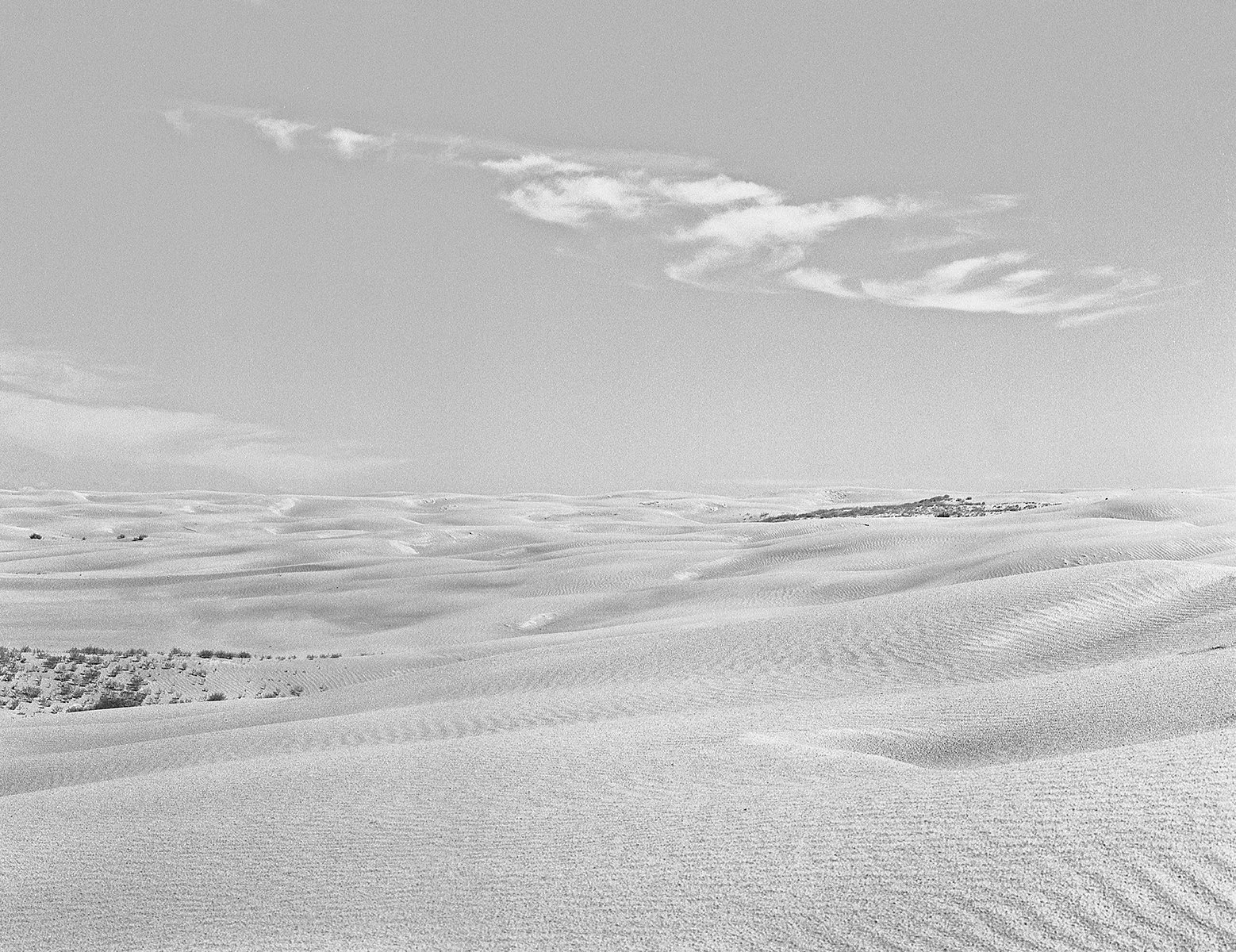
The Great Sandhills SK
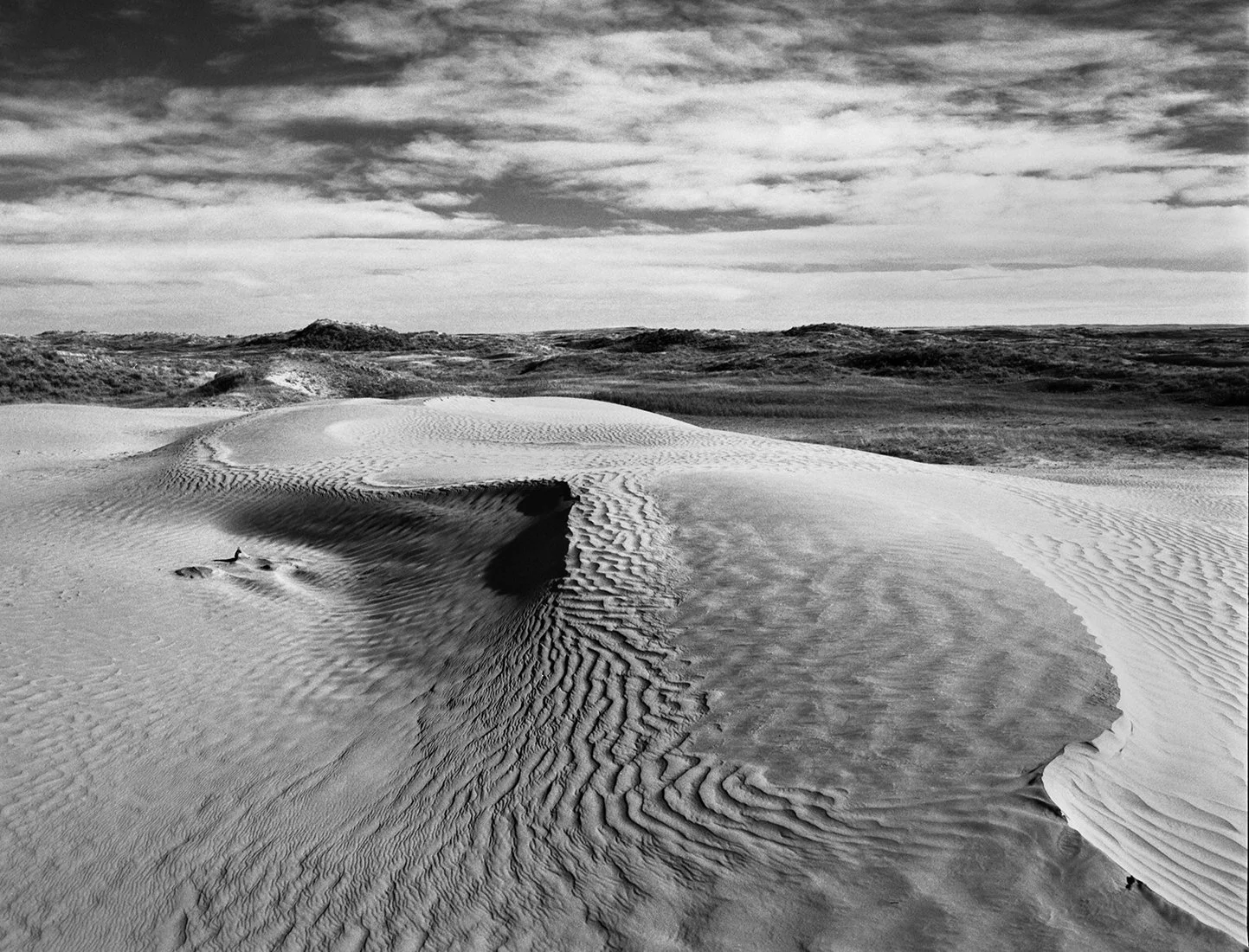
The Great Sand Hills SK
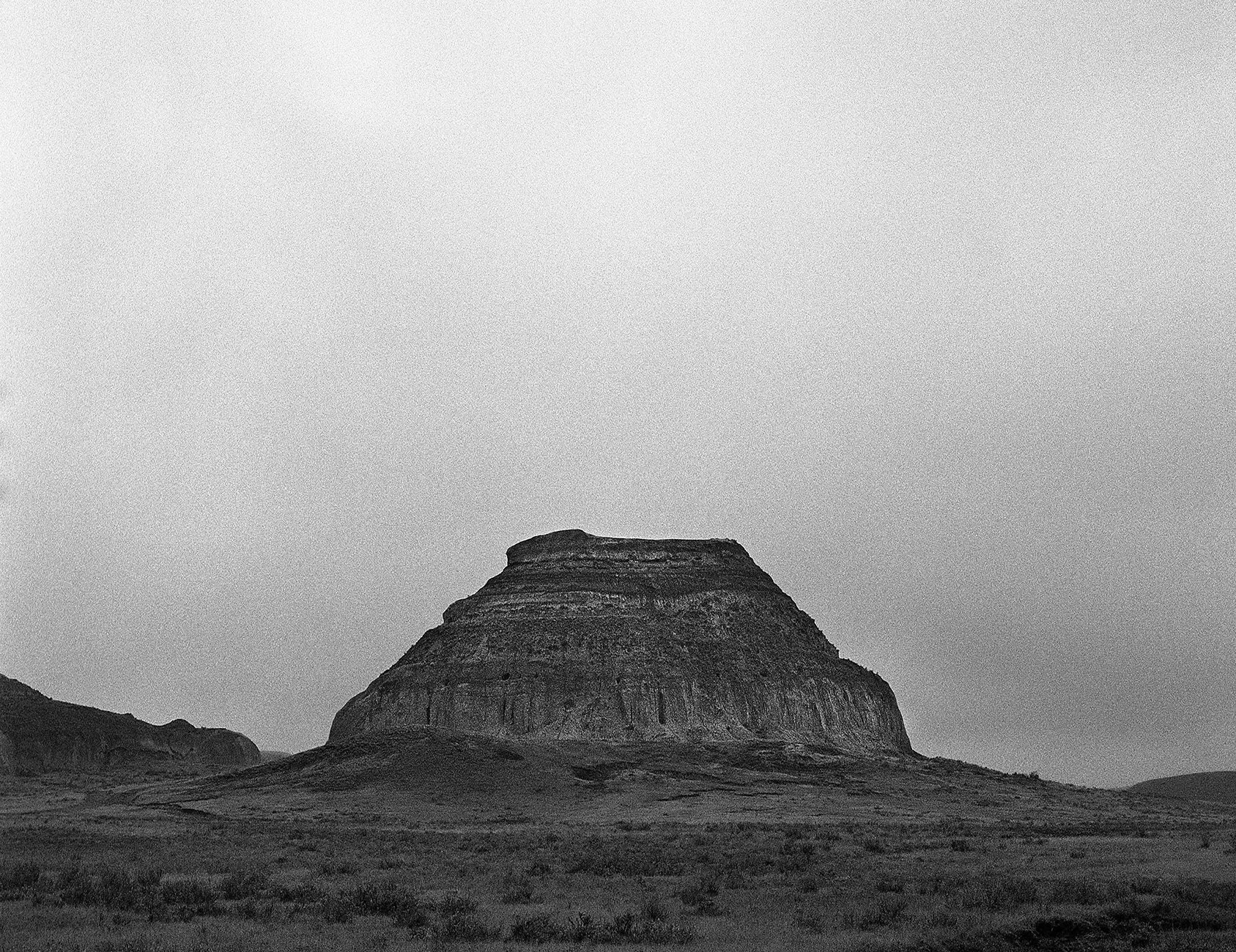
Castle Butte SK
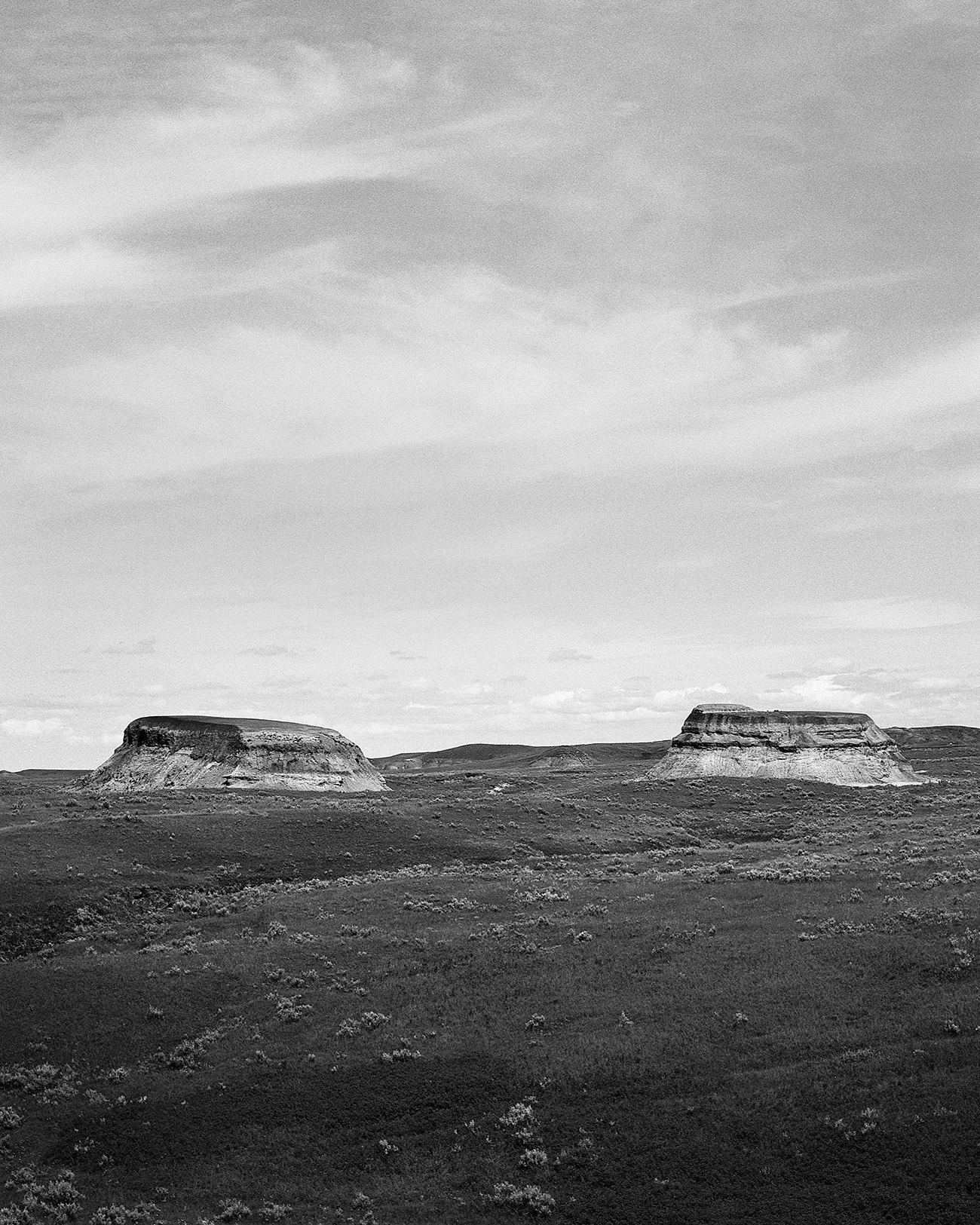
Valley of 1000 Devils SK
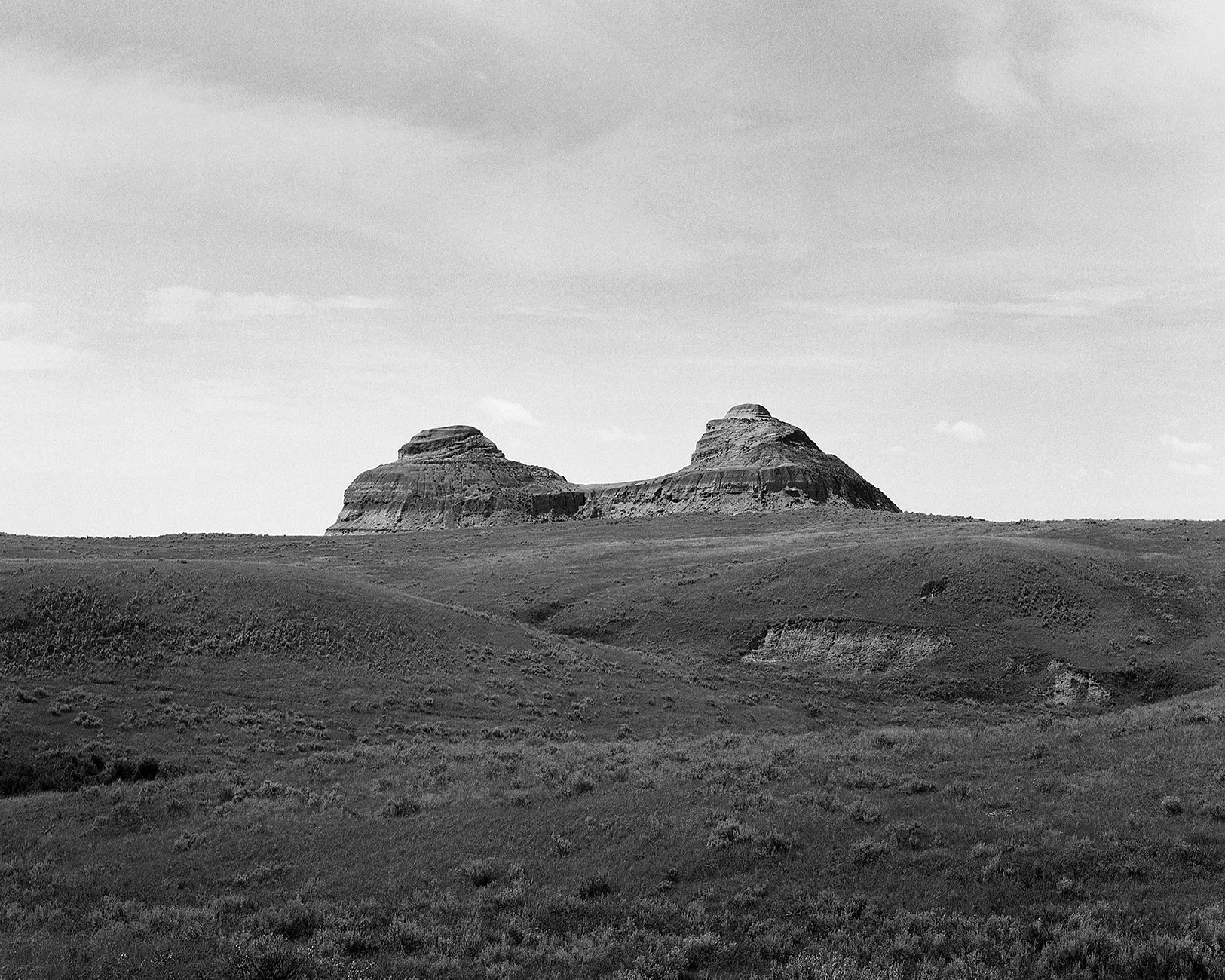
Grasslands National Park East Block SK
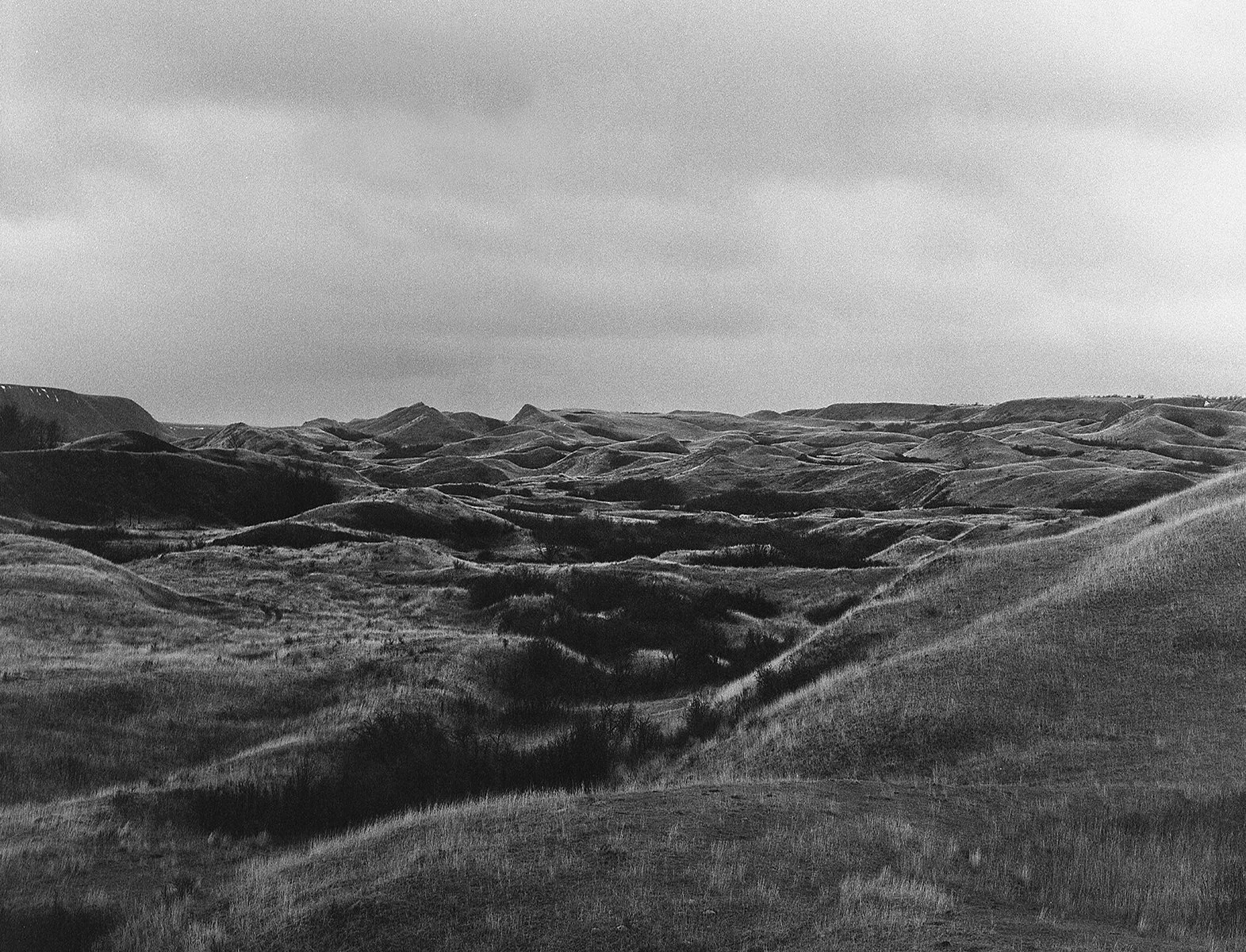
Saskatchewan Landing
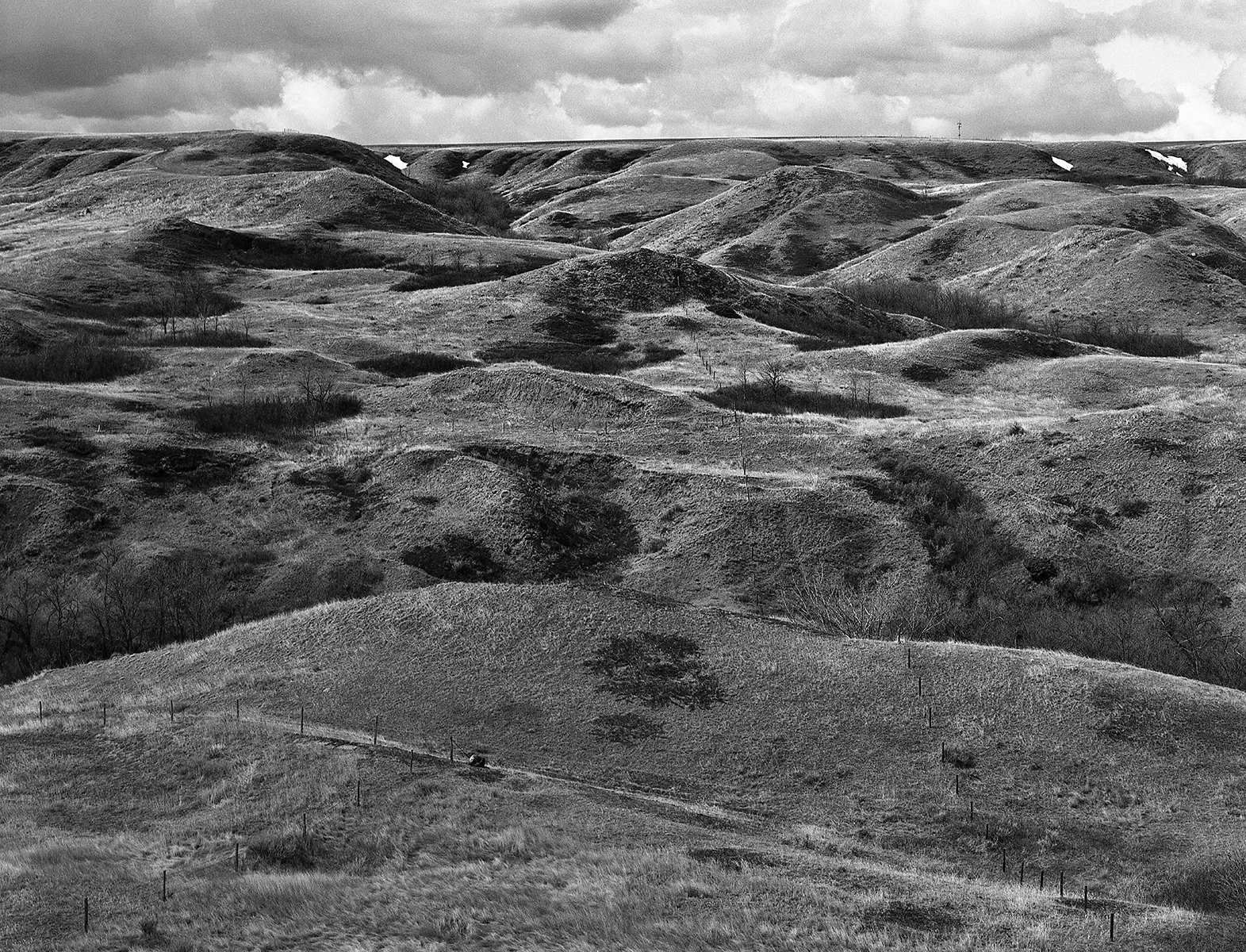
Saskatchewan Landing
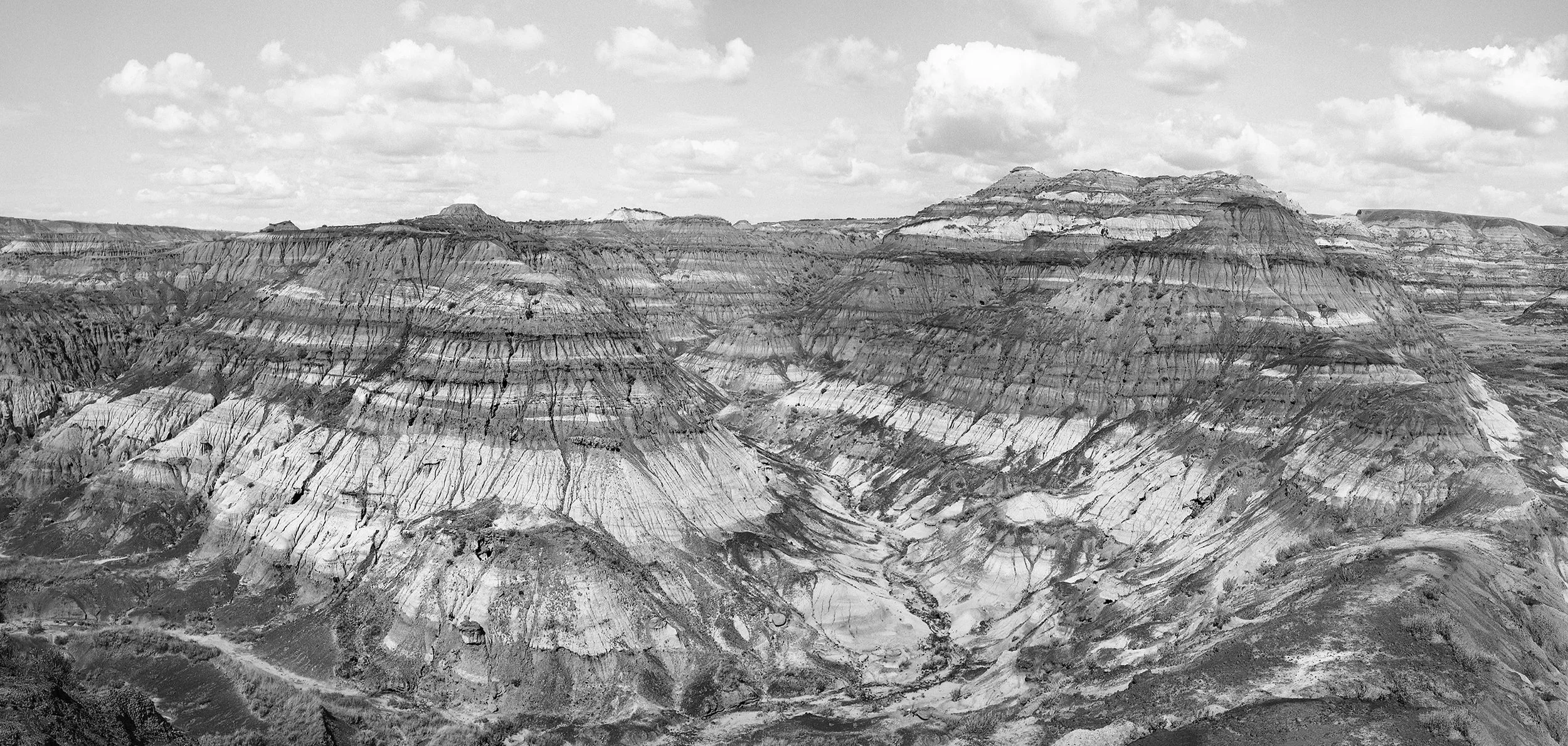
Horse Thief Canyon AB
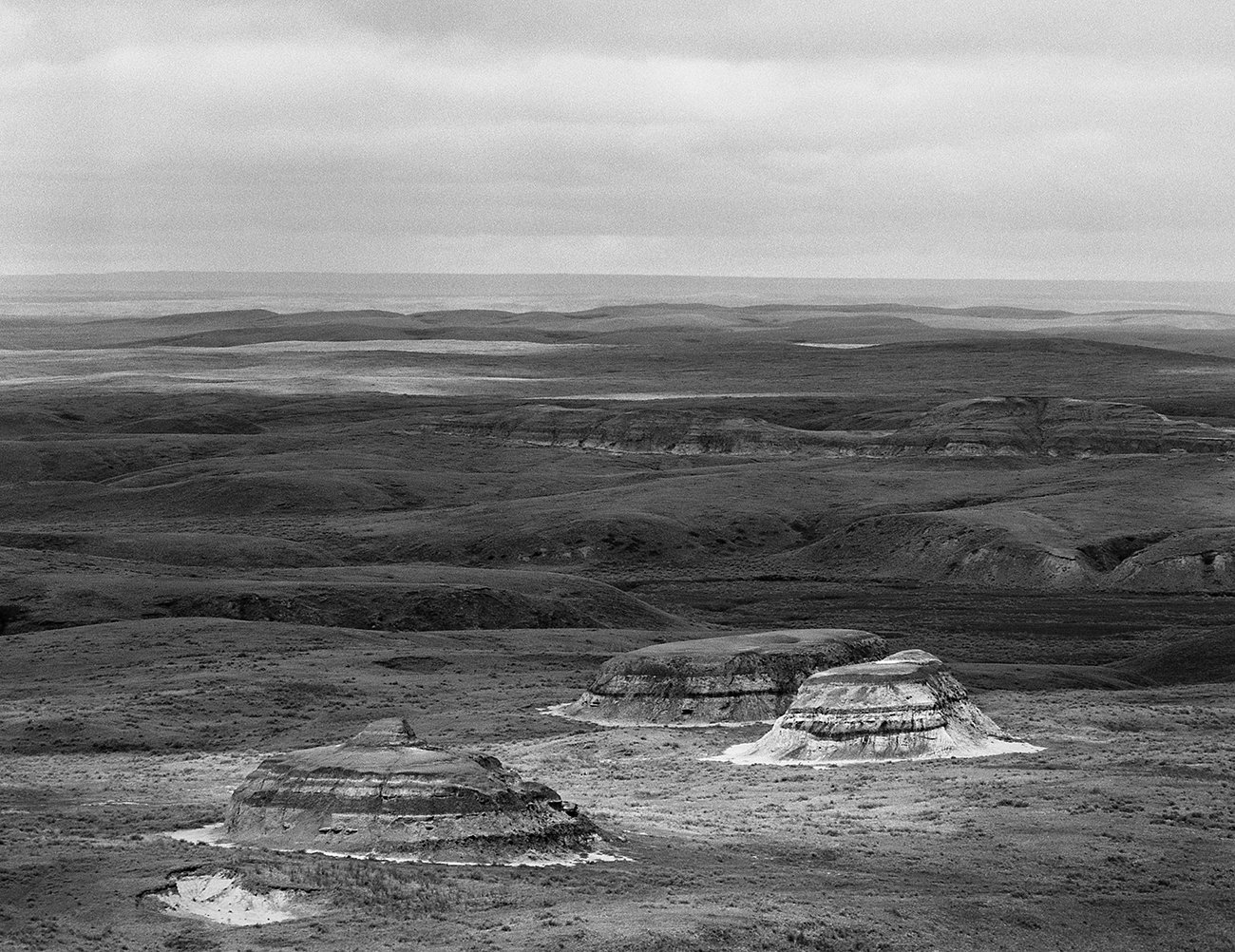
Valley of 1000 Devils SK
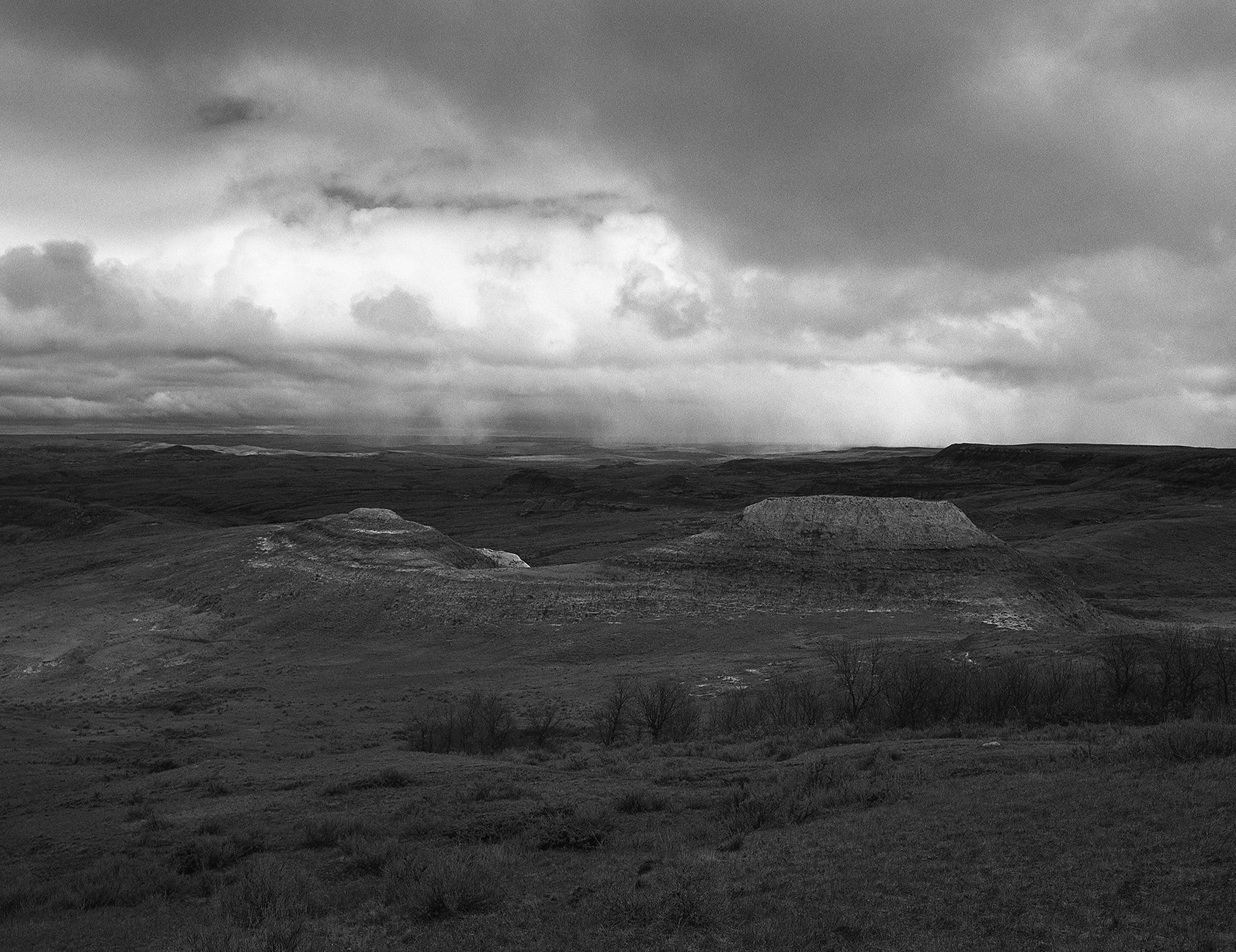
Valley of 1000 Devils
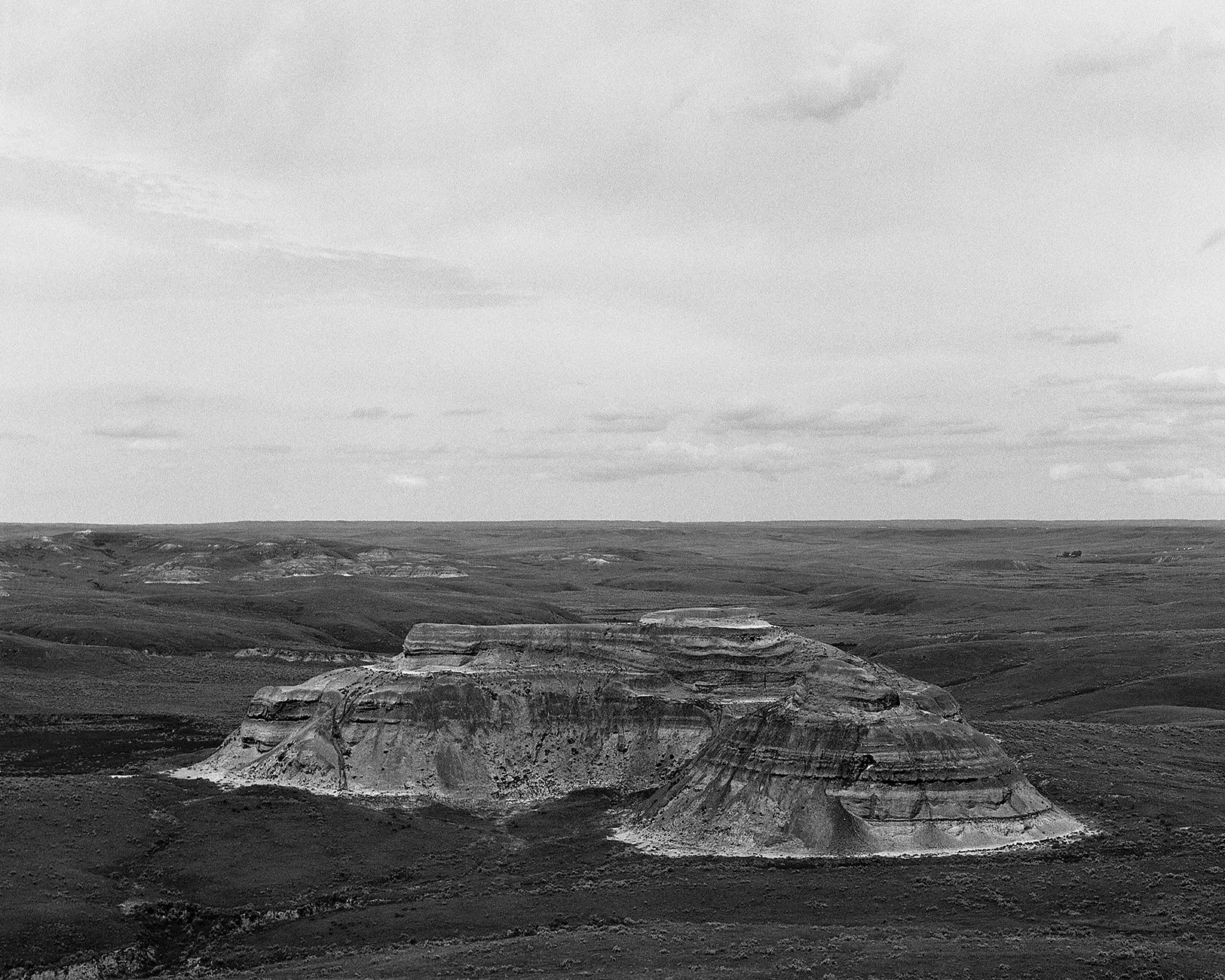
Grasslands National Park East Block SK
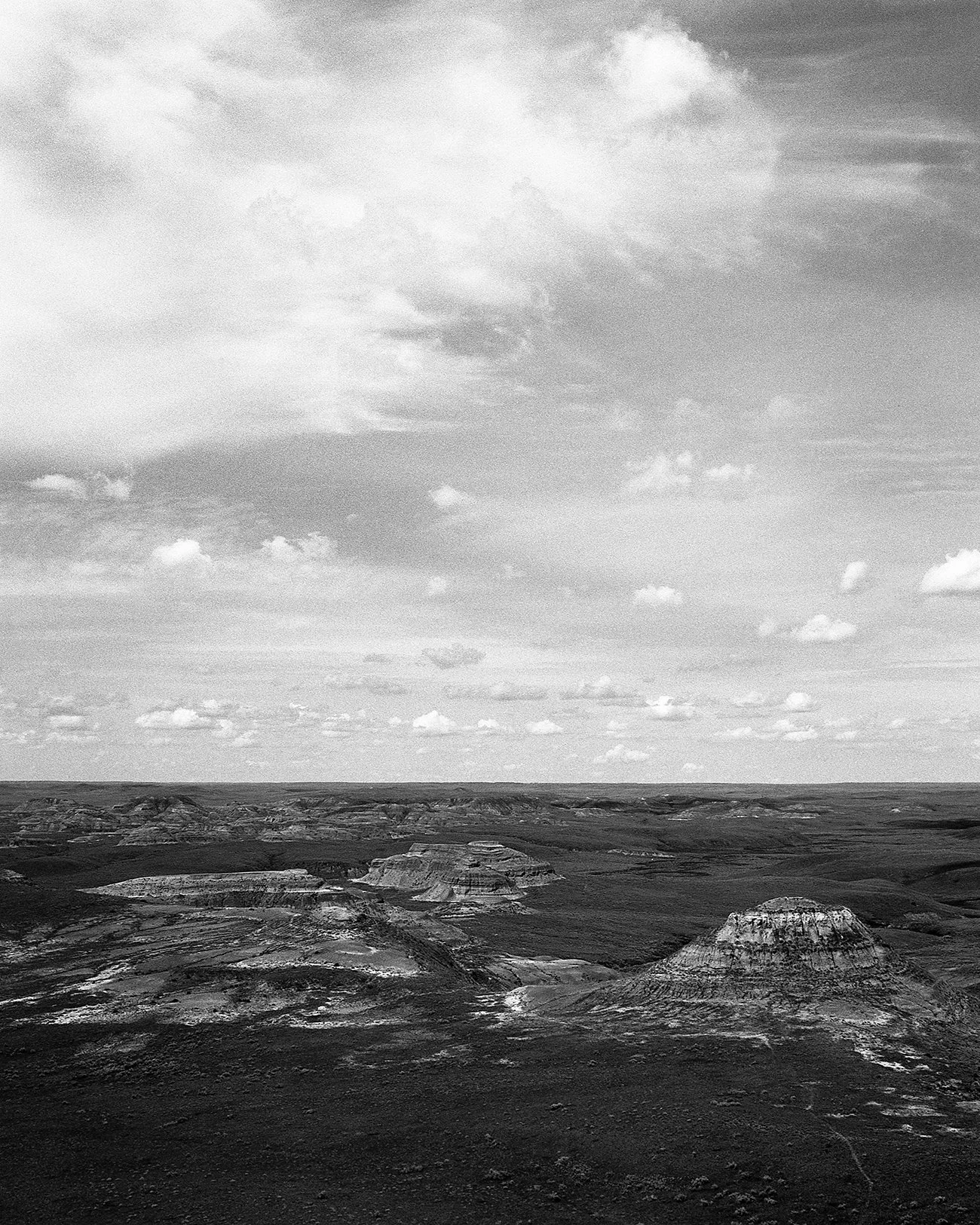
Valley of 1000 Devils SK
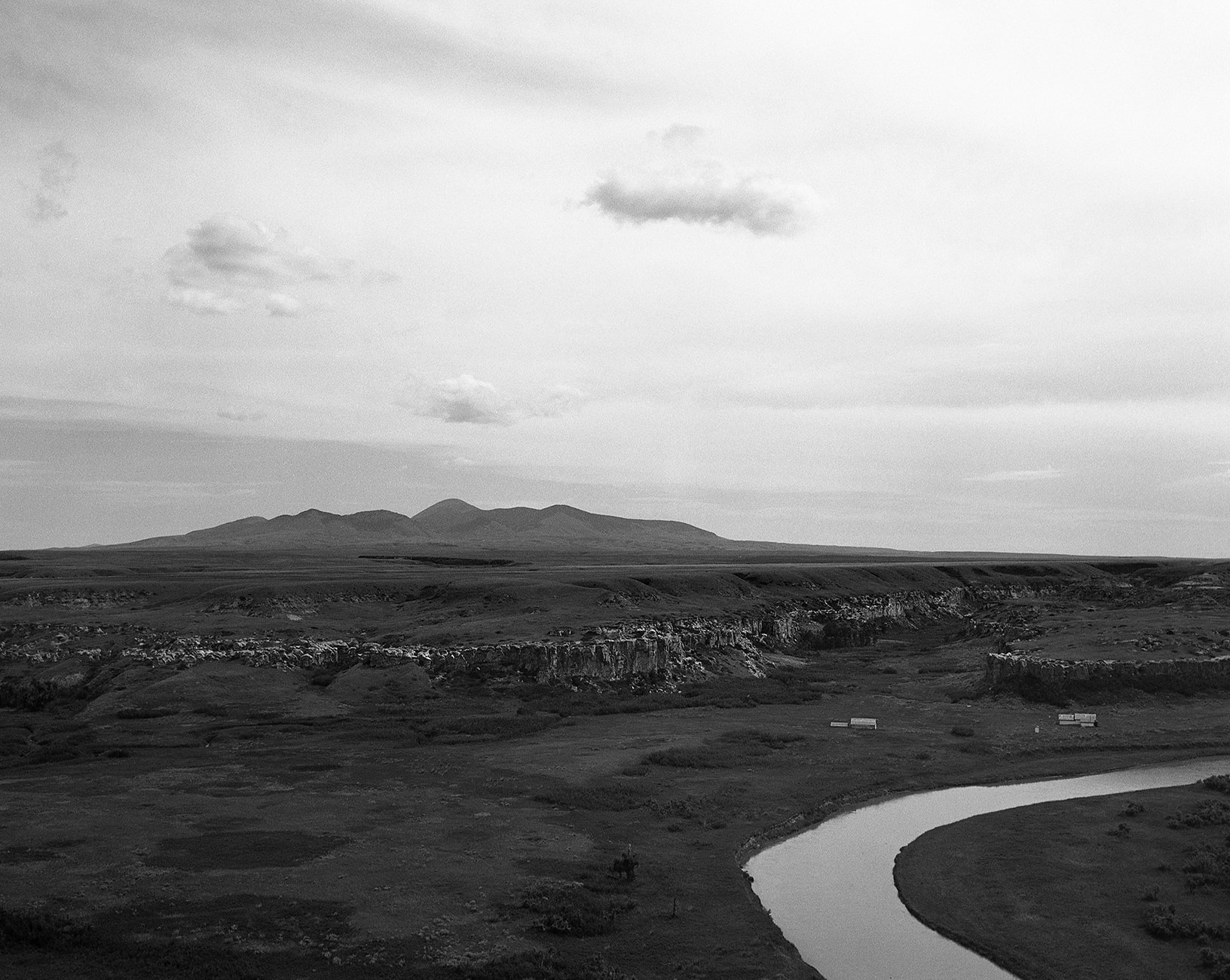
Police Coulee and Milk River AB
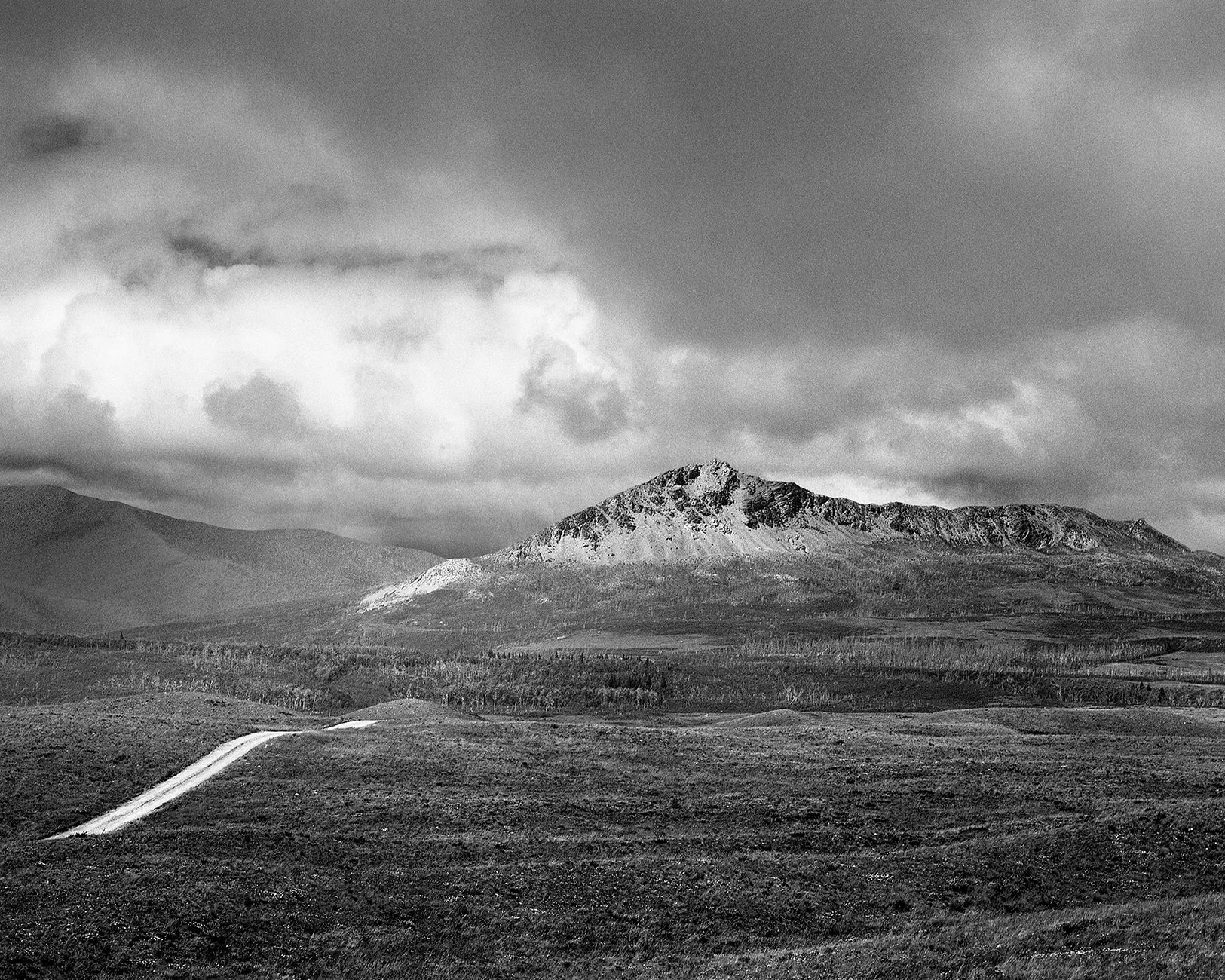
Highway #500 and West Butte AB
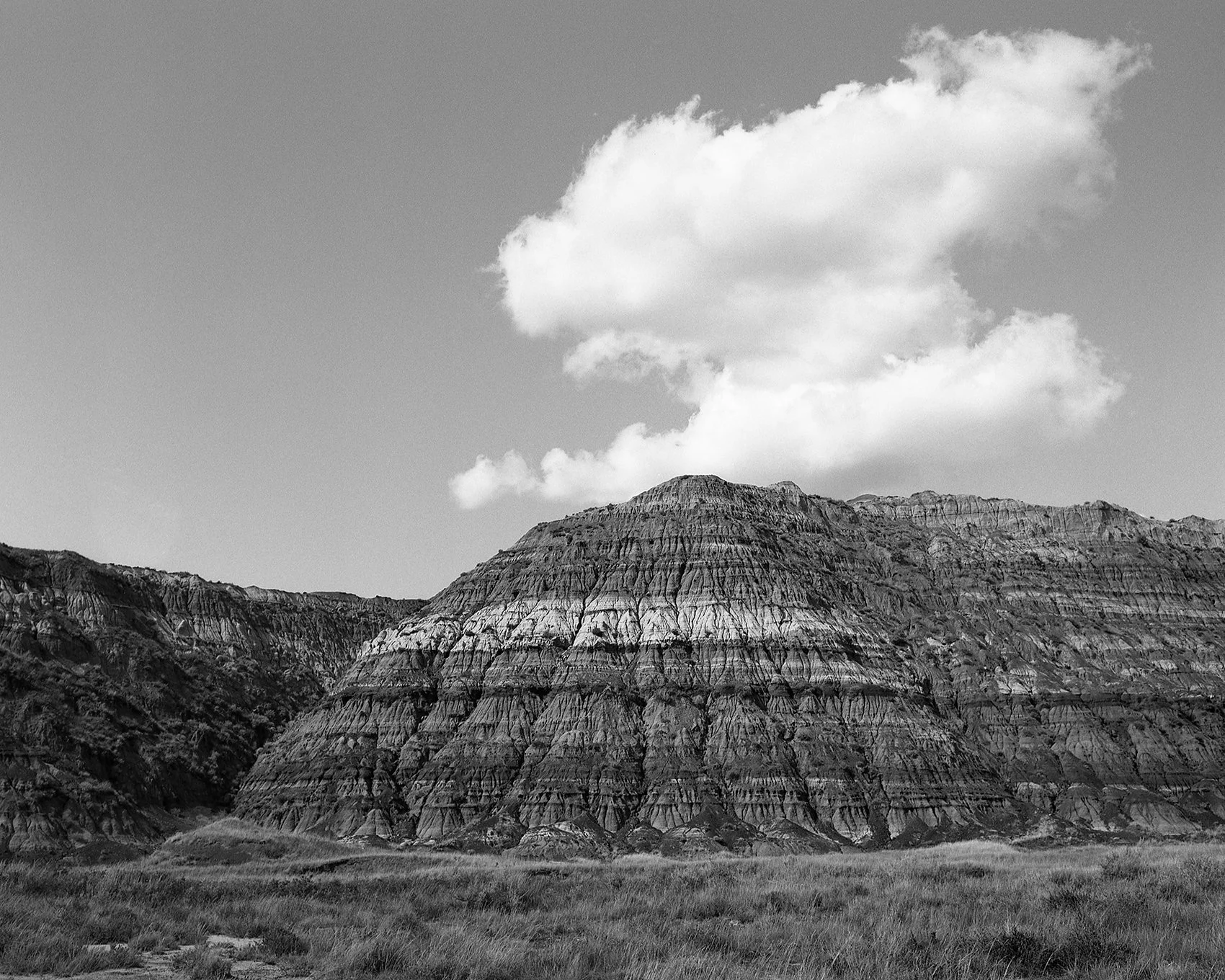
Drumheller AB
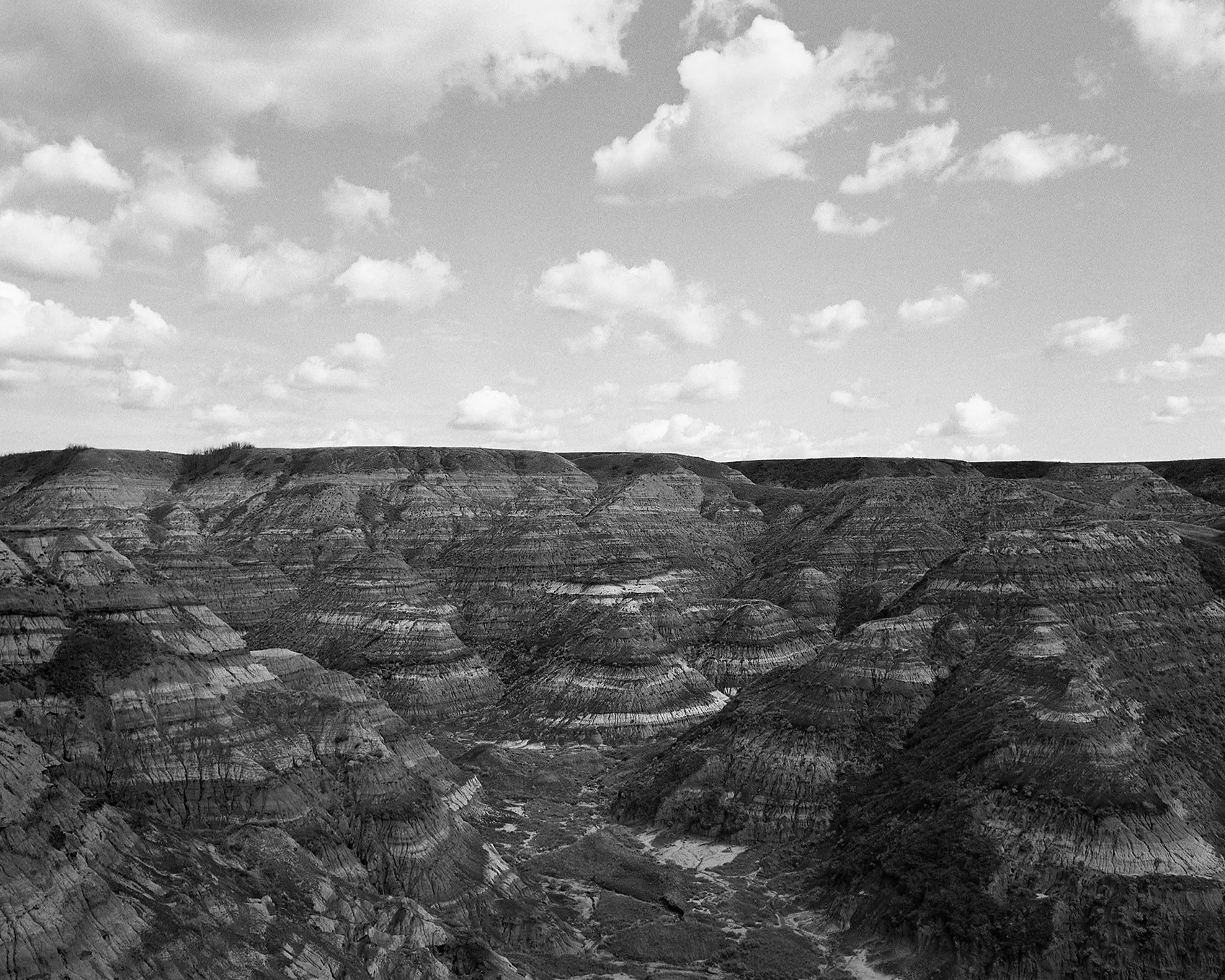
Horse Thief Canyon AB
RECEDING
The relationship between something and its surroundings is rarely fixed. What is established can weaken, what has advanced can retreat, and what once seemed certain can become unsettled. The forces that give something its purpose or shape are not permanent, even when their effects remain.
Receding considers the space between what something has been and what it may become. It is a state in which different ways of being occupy the same space, neither entirely replacing the other. Human intention remains present, but its influence is no longer assured. The land is neither separate from what has been imposed upon it nor entirely defined by it.
There is an uncertainty in this relationship that resists simple conclussions. Change does not always follow a clear direction, and the loss of one purpose does not necessarily mean the end of another possibility. What withdraws may leave something behind, what advances may itself be temporary. The distinction between presence and absence becomes less certain when both continue to shape what remains.
Receding is concerned with this unsettled relationship, and with the idea that identity can persist even as the circumstances that once defined it begin to change. It leaves open the question of what something is when it is no longer entirely what it was, but has not yet become something else.
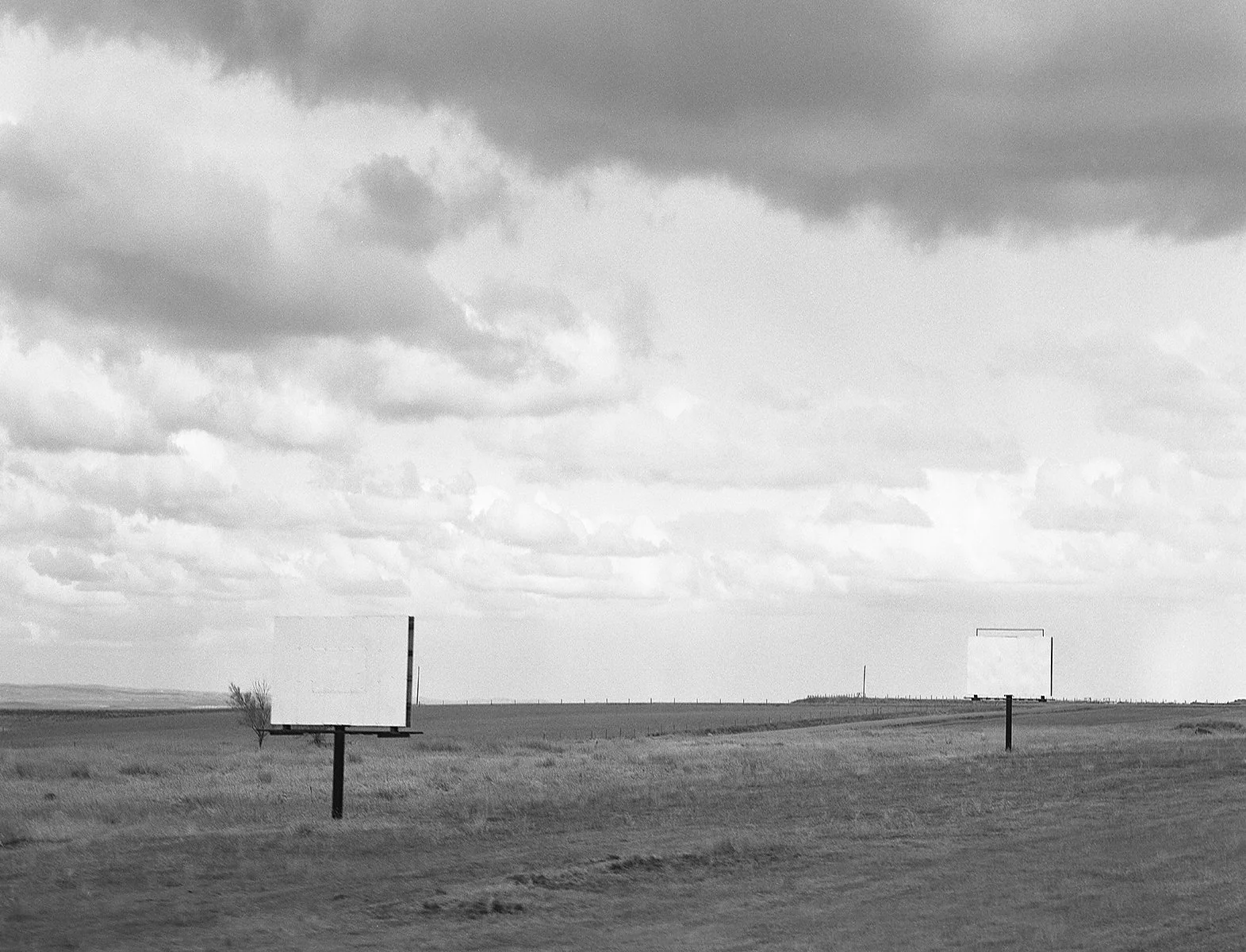
Highway #7 SK
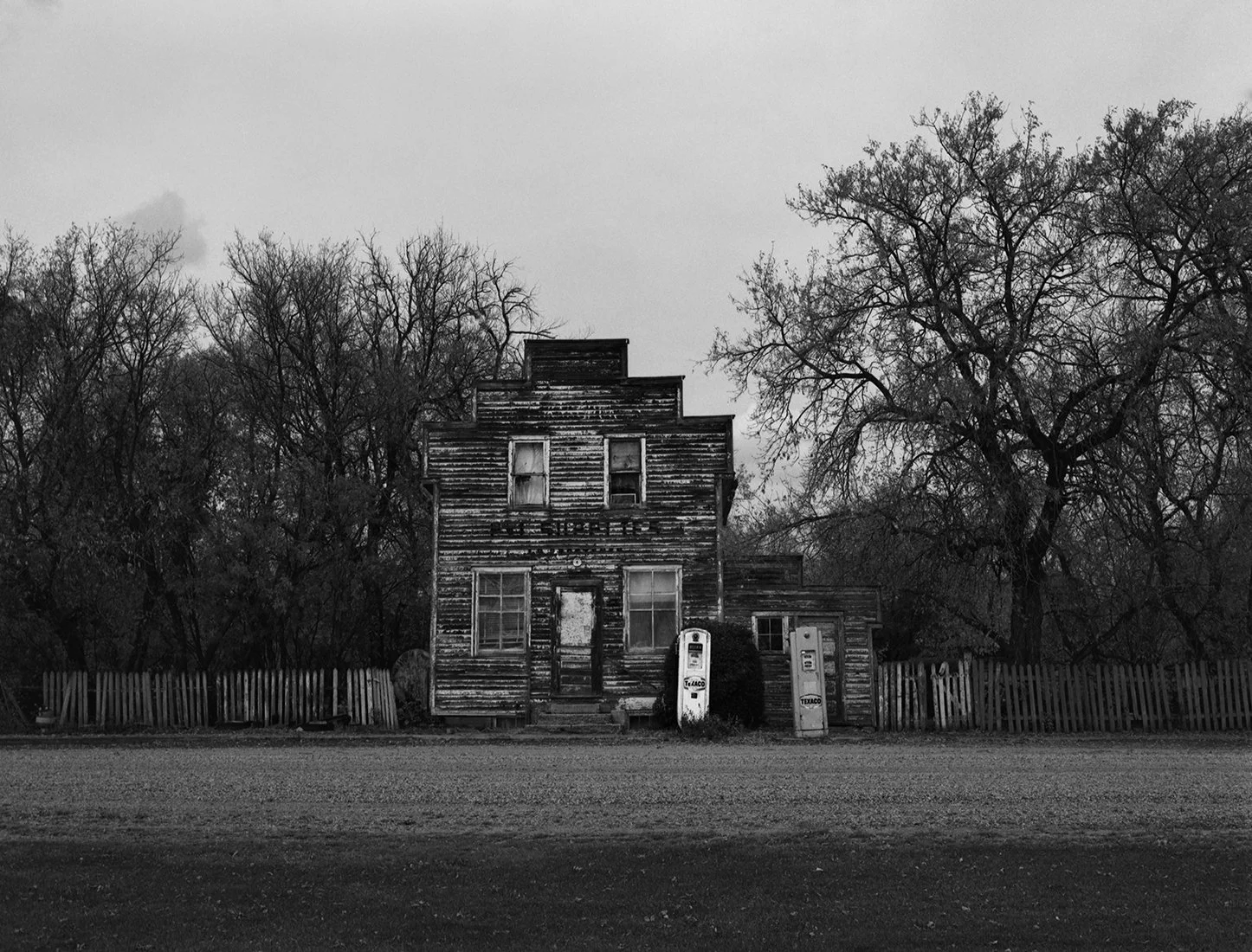
Donwell SK
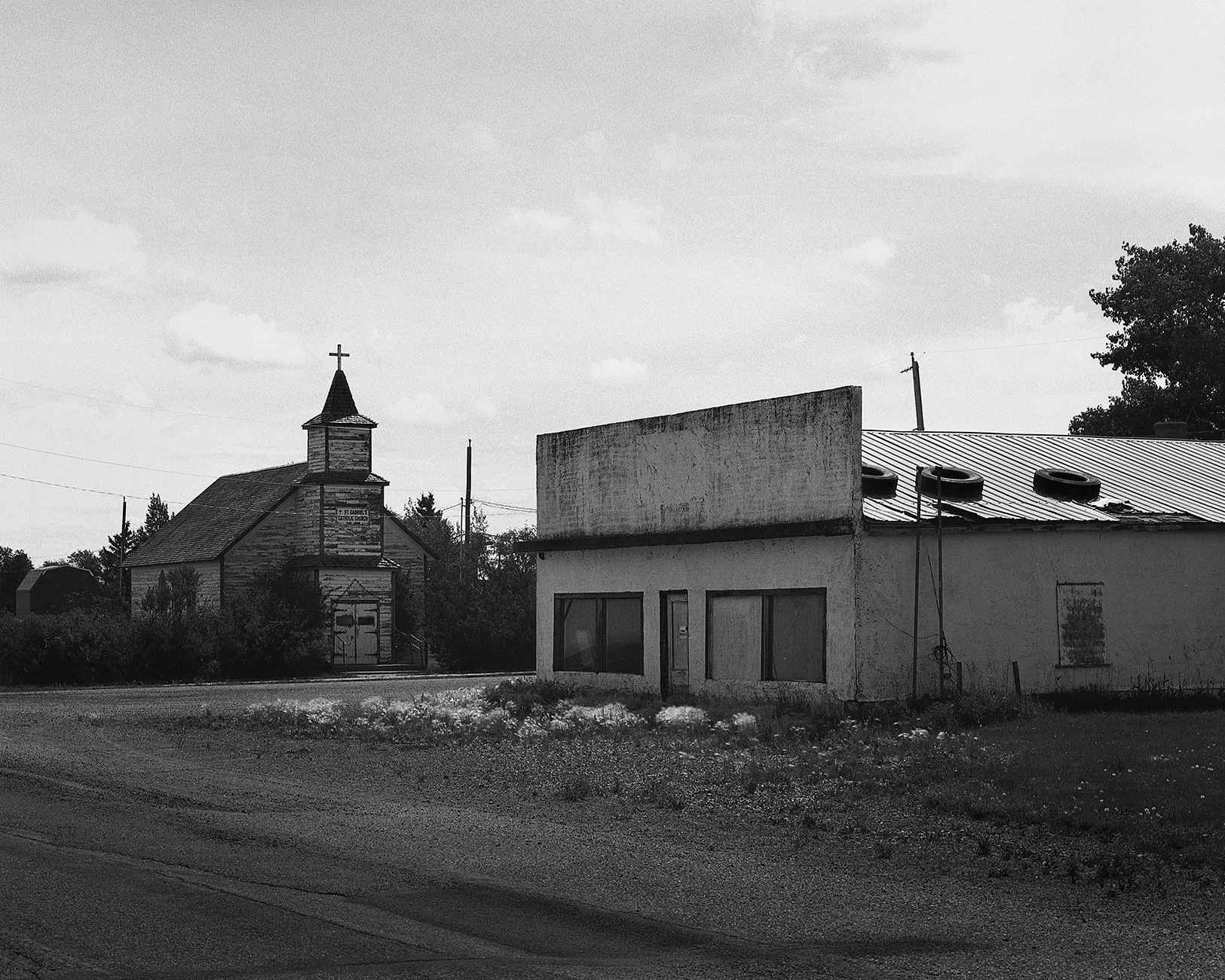
Etzikom SK
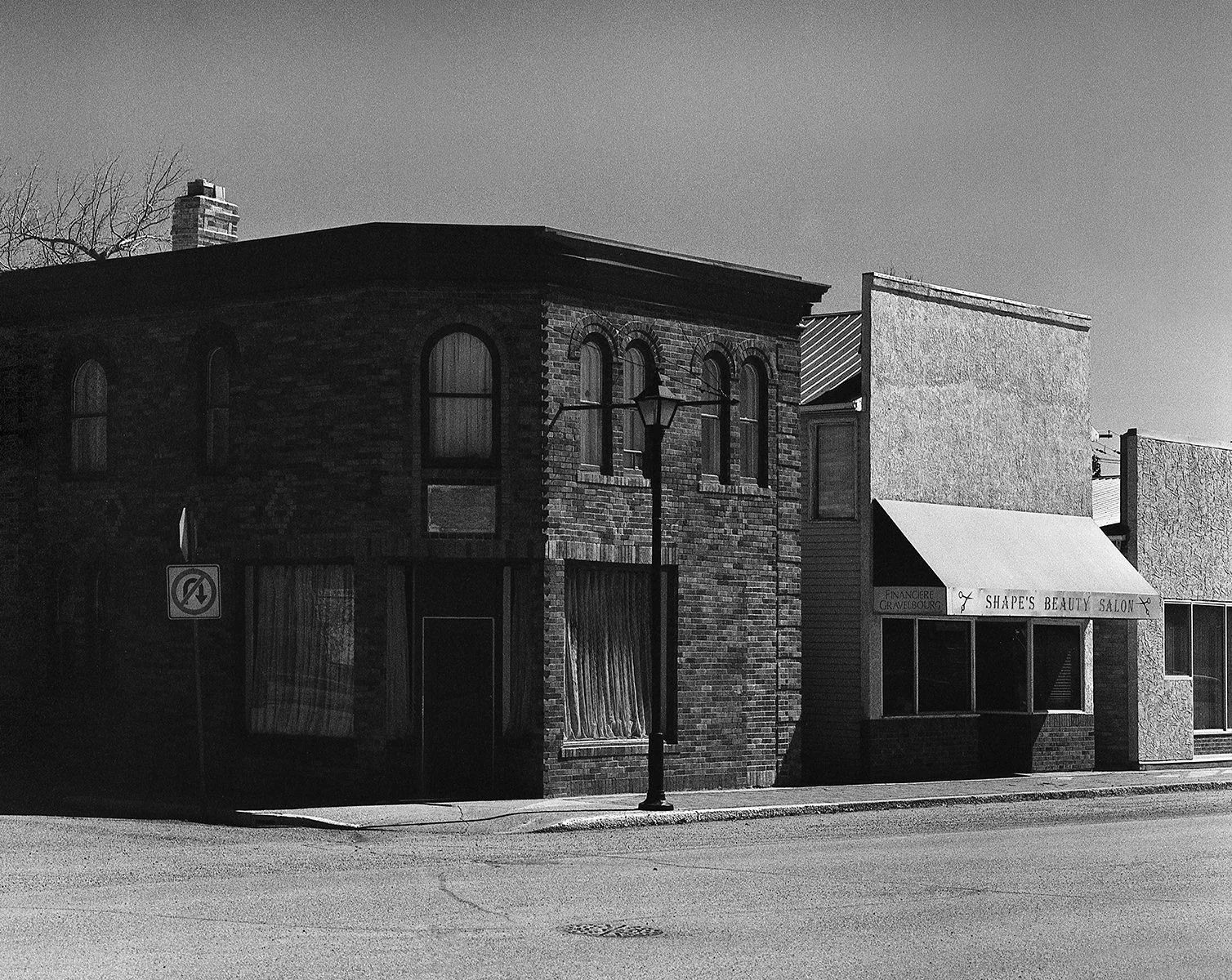
Gravelburg SK
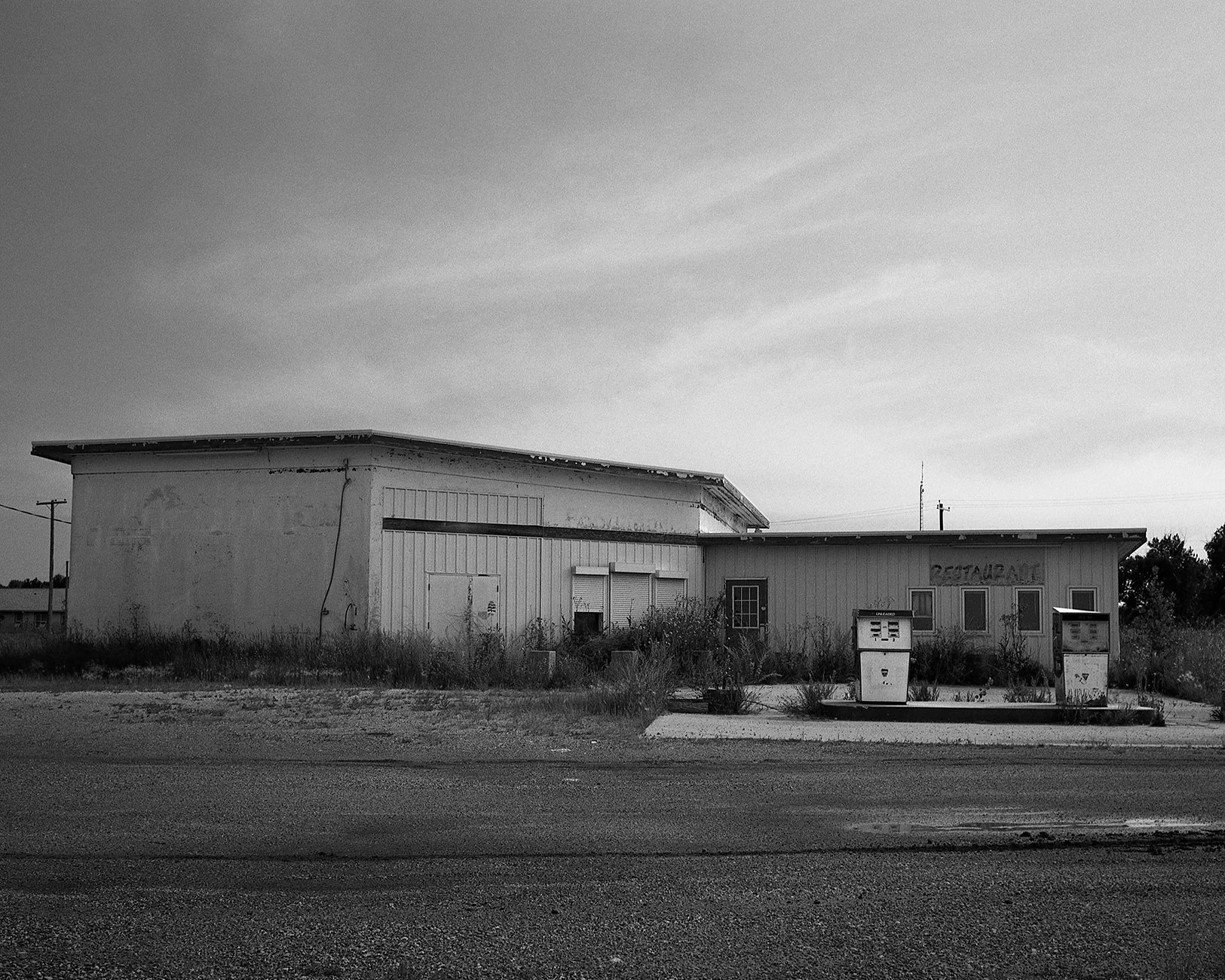
Highway #16 MB
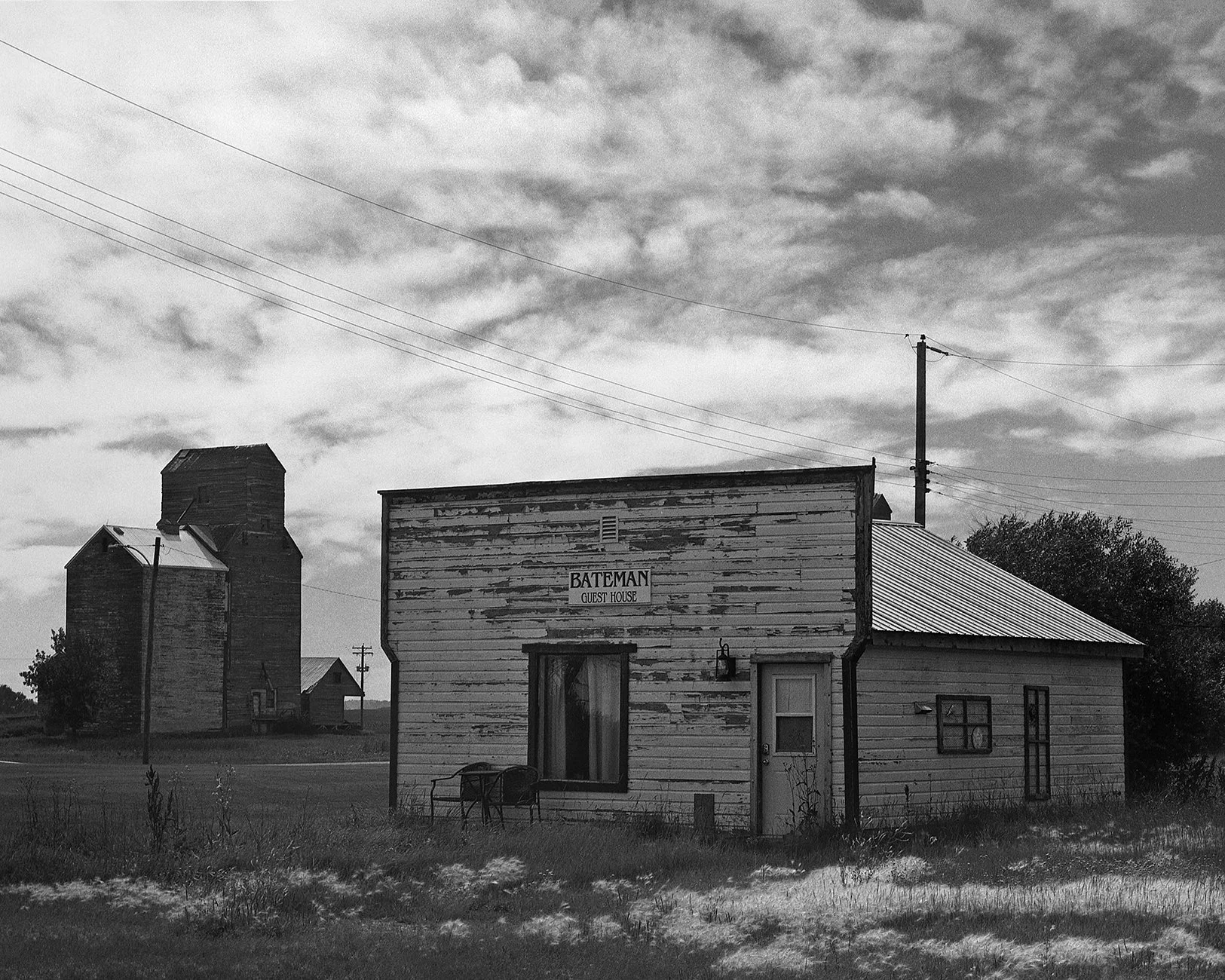
Tilston MB
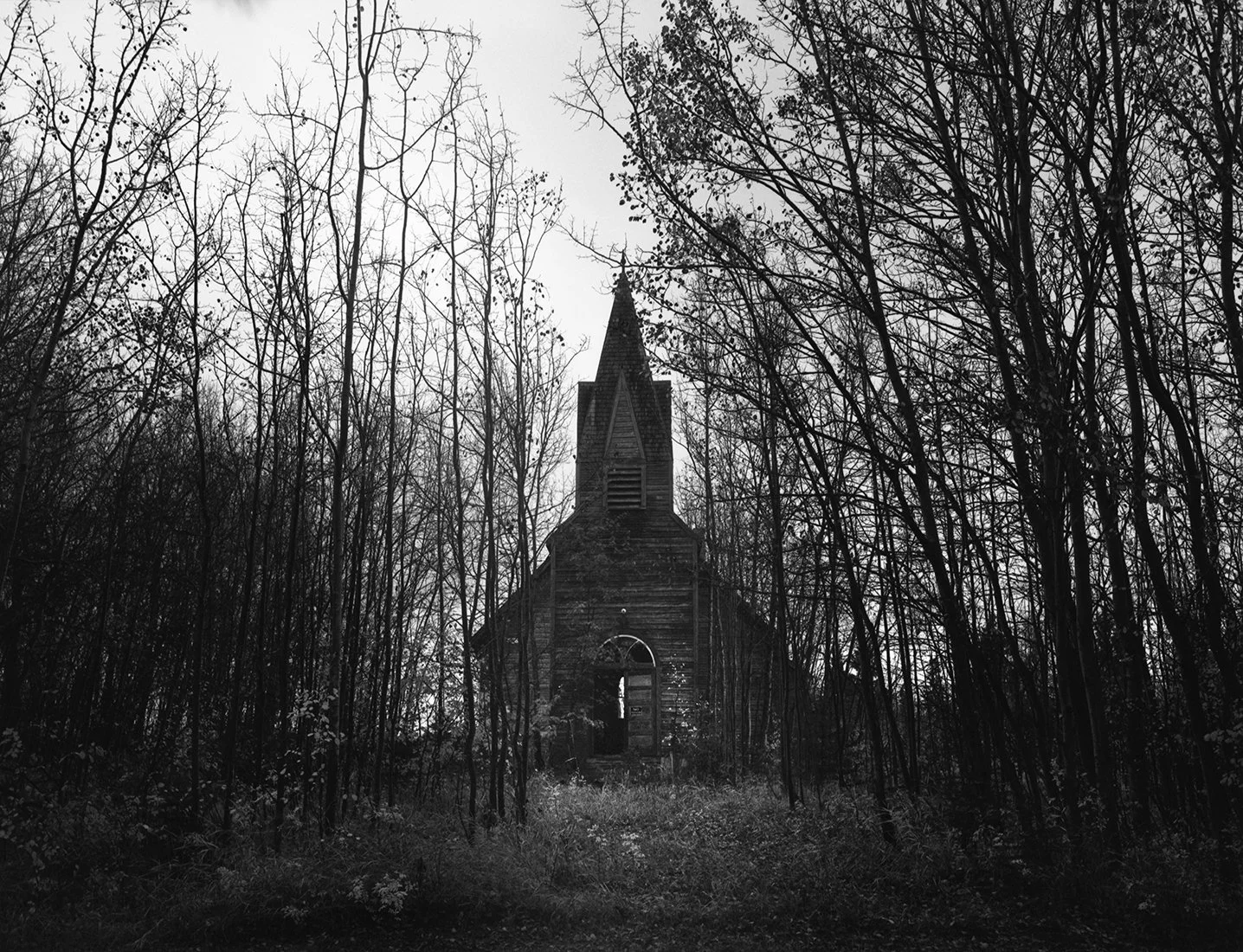
Robinhood SK
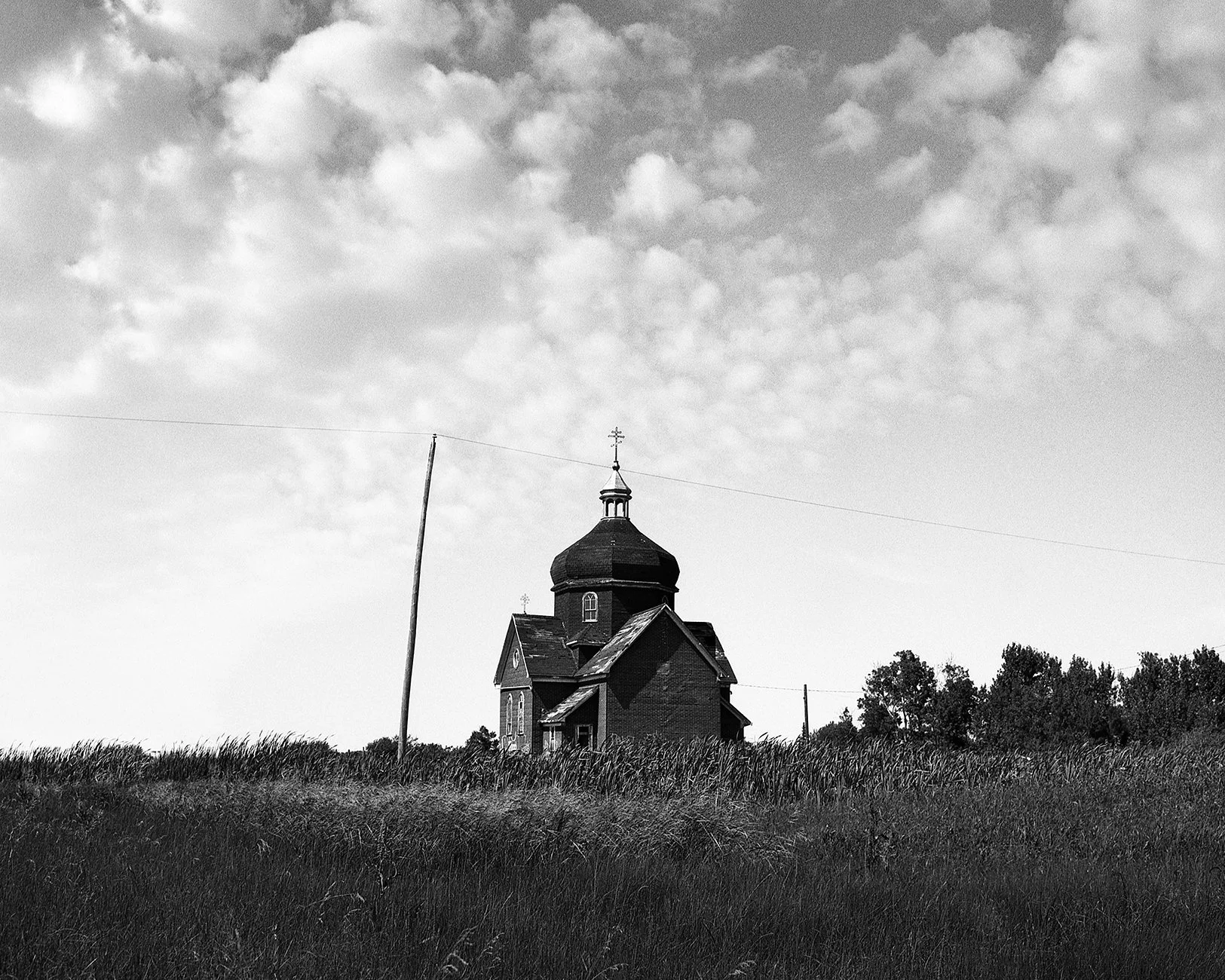
Insinger SK
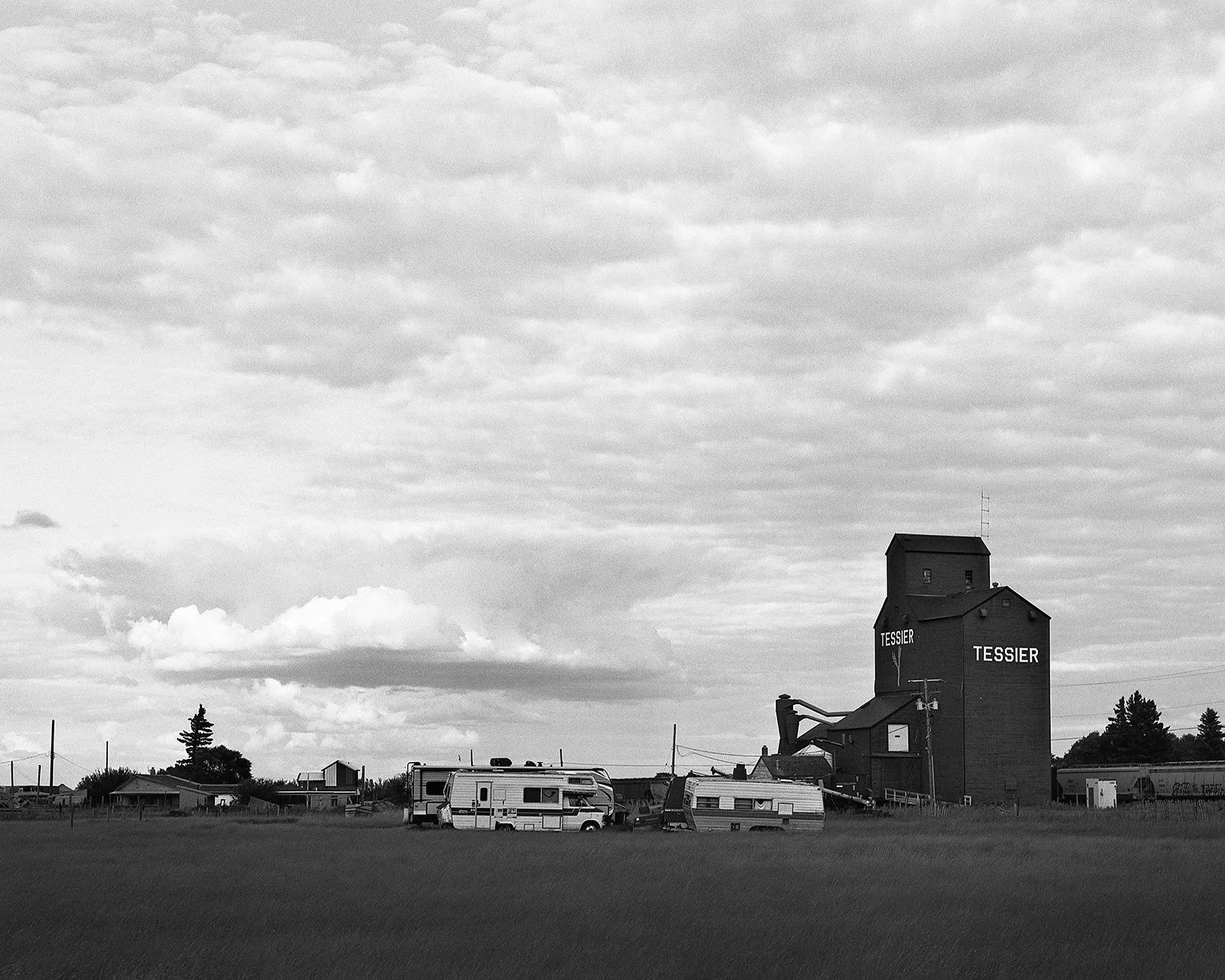
Tessier SK
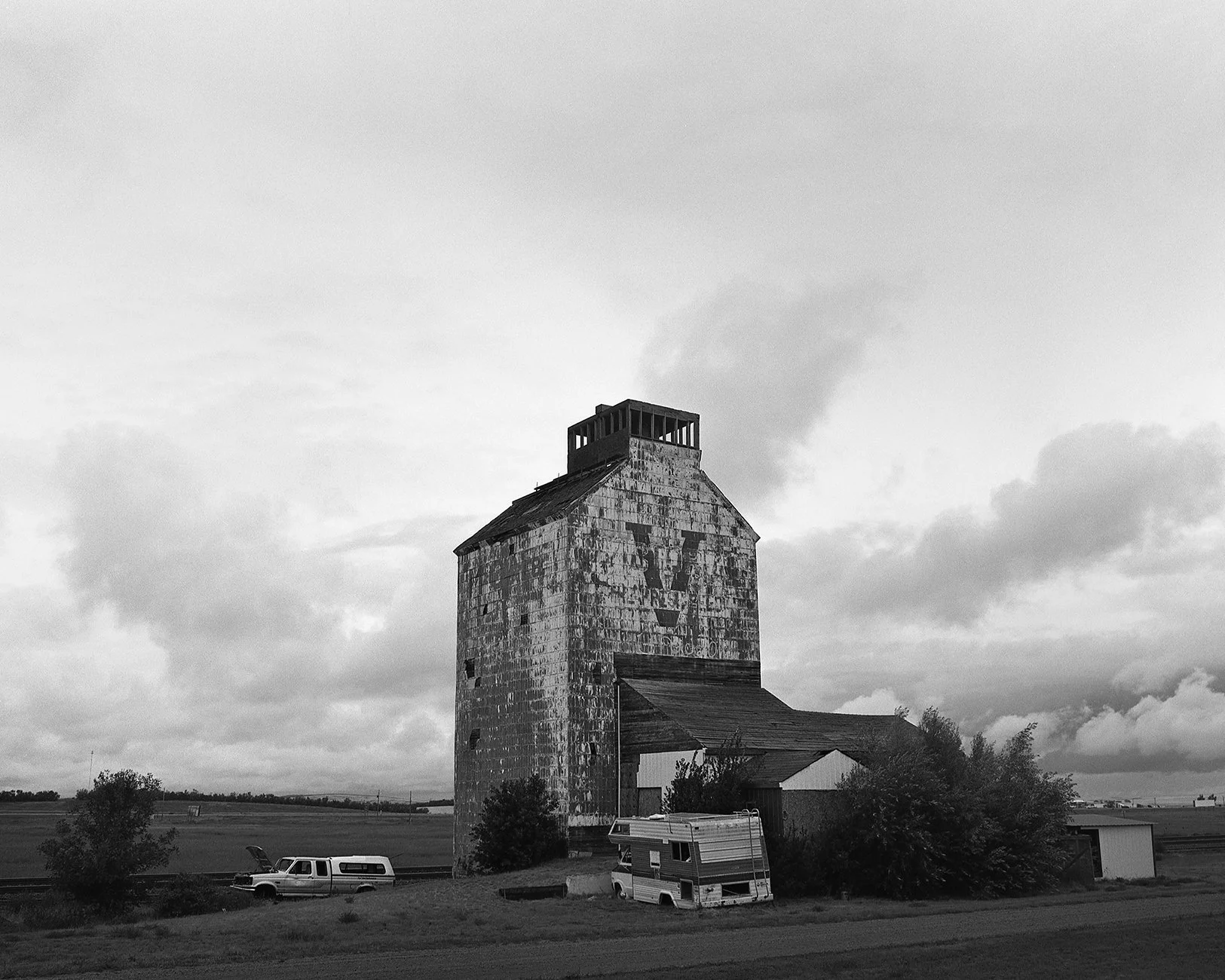
Gull Lake SK
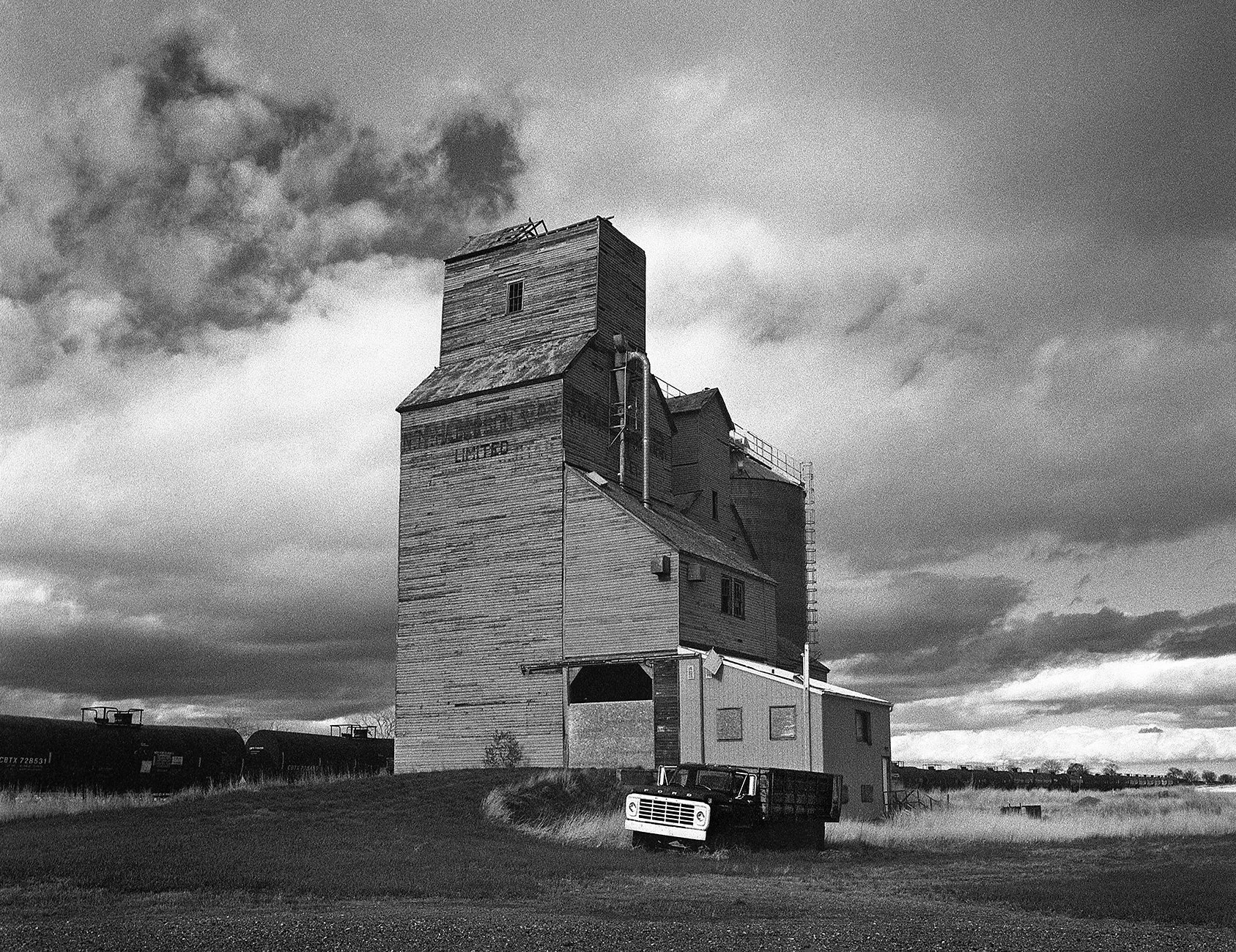
Conquest SK
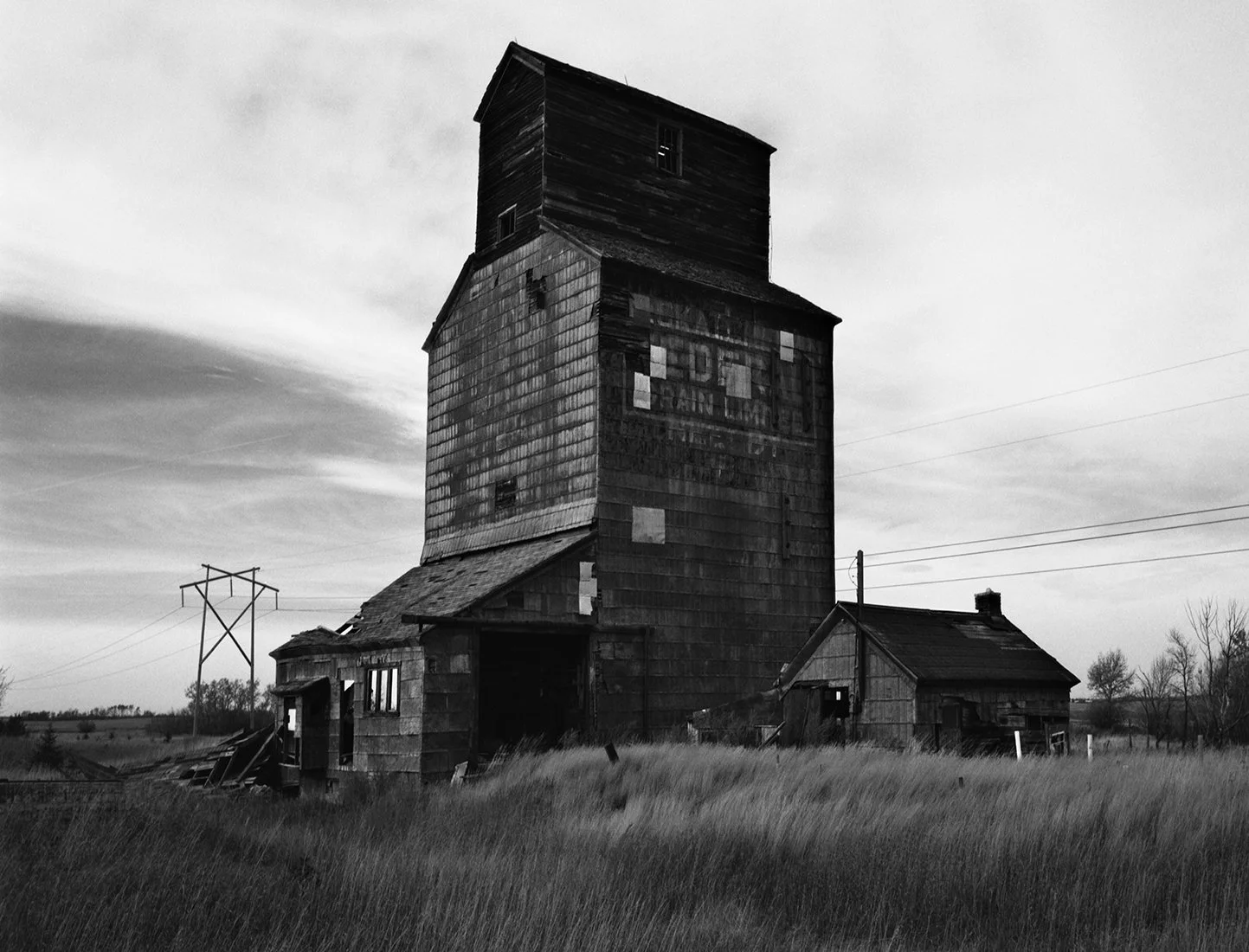
Neelby SK
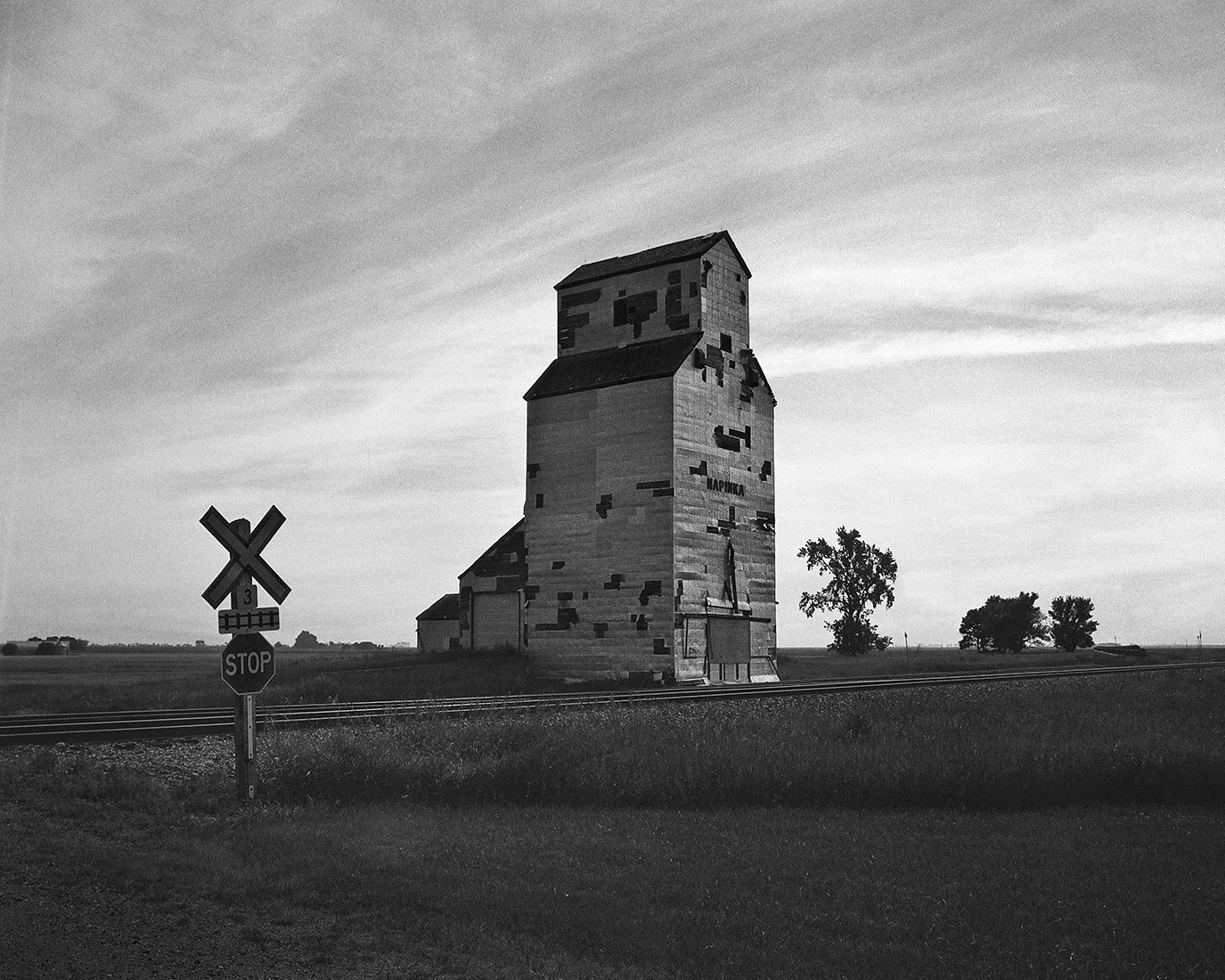
Napinka MB
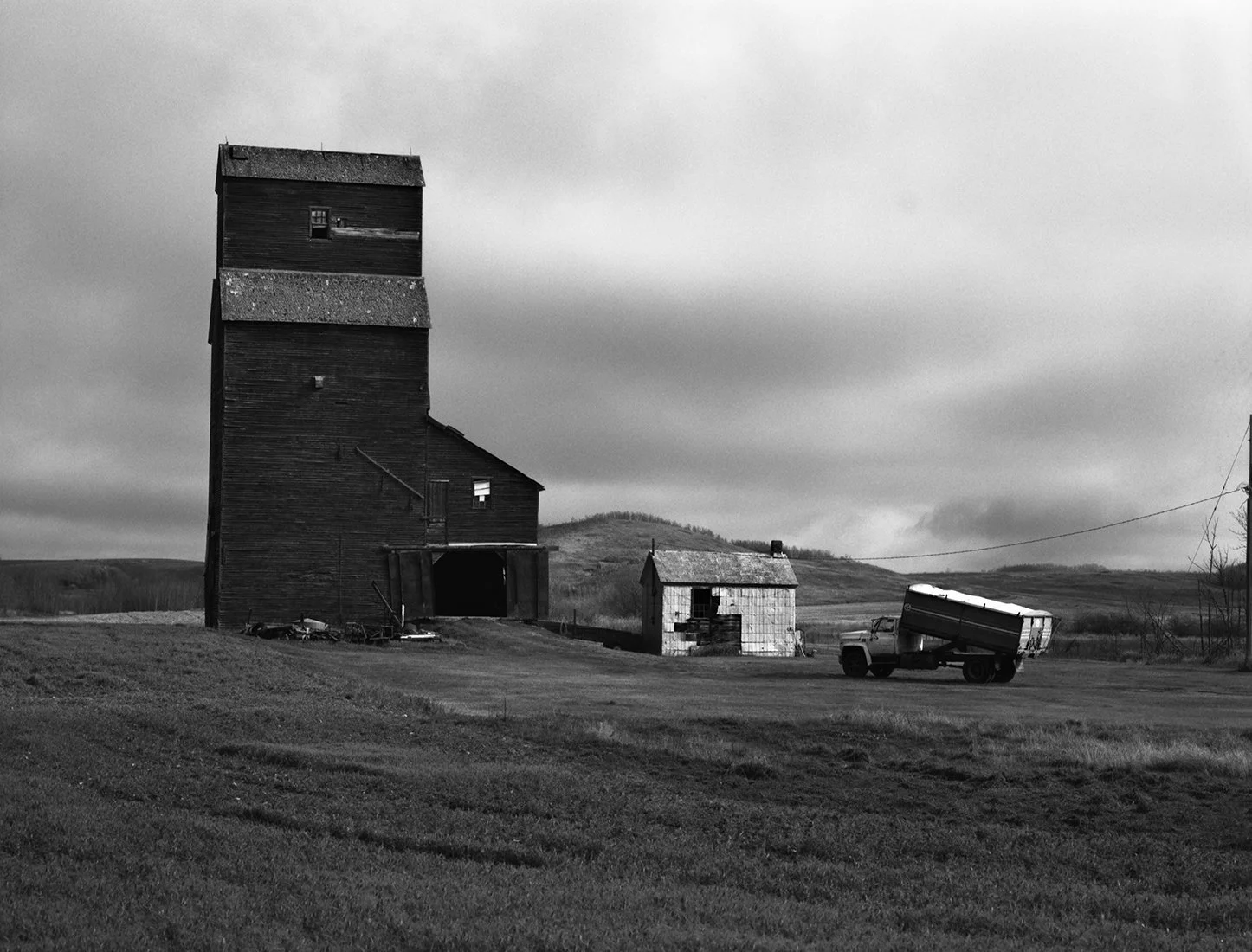
Whitkow SK
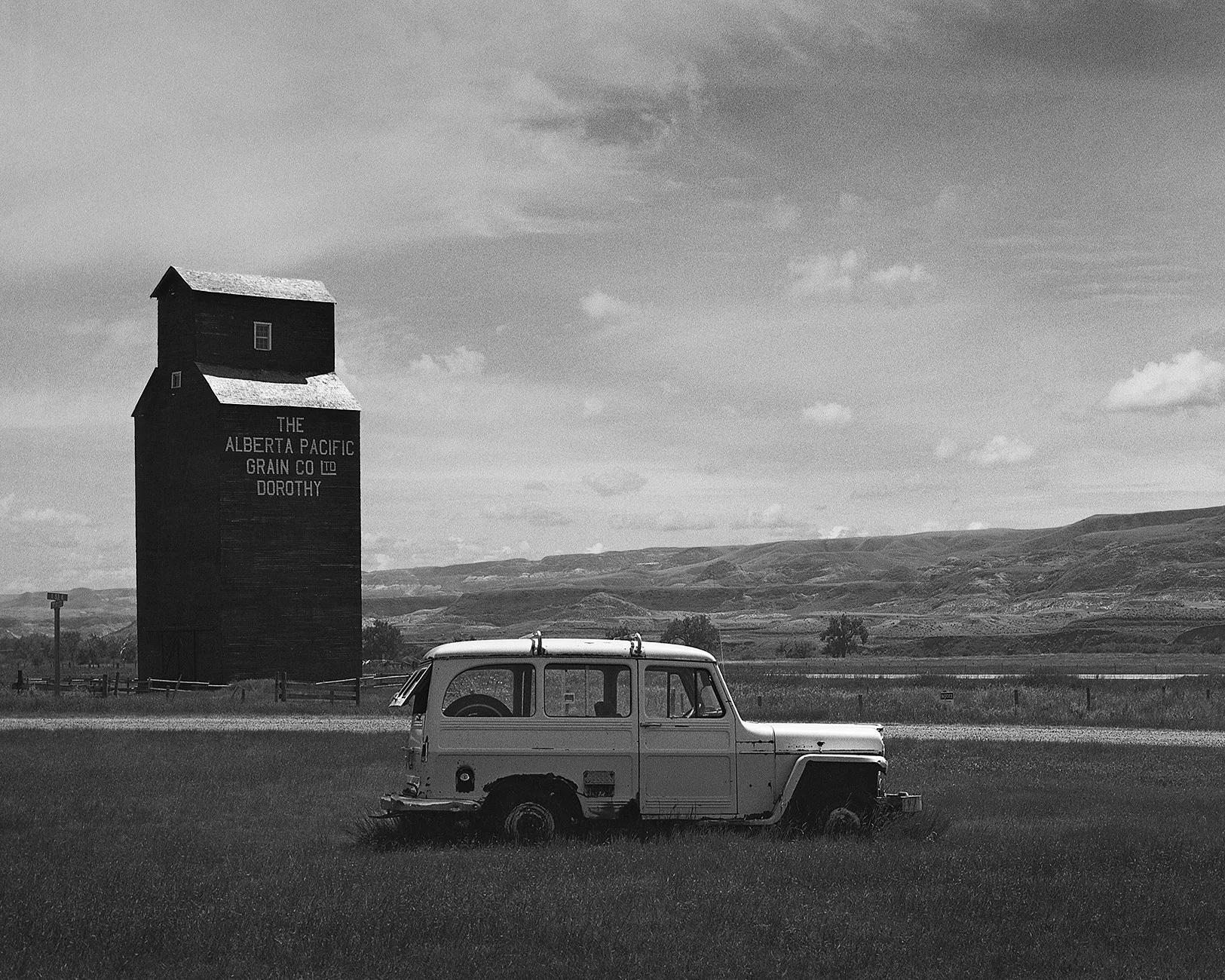
Dorothy SK
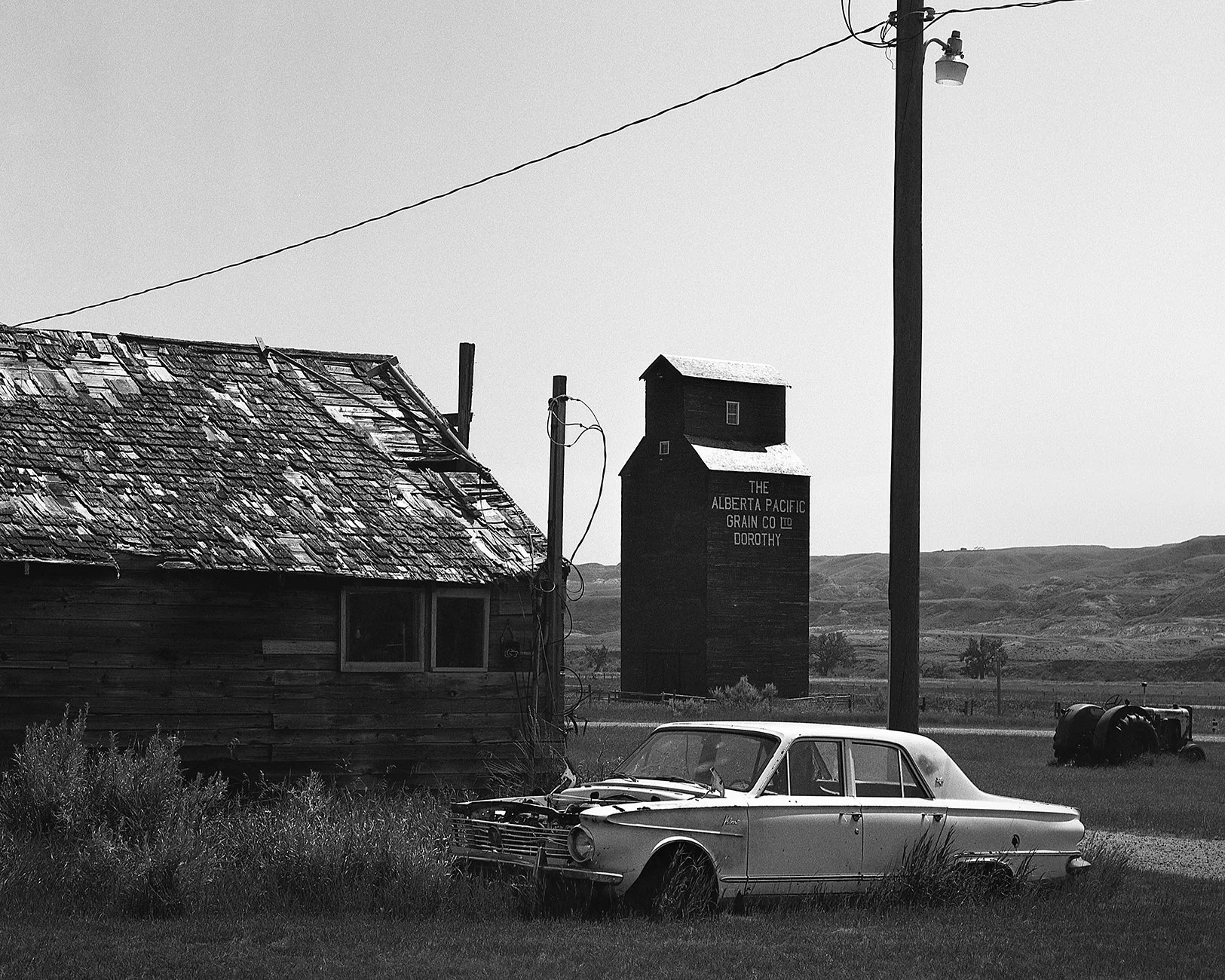
Dorothy SK
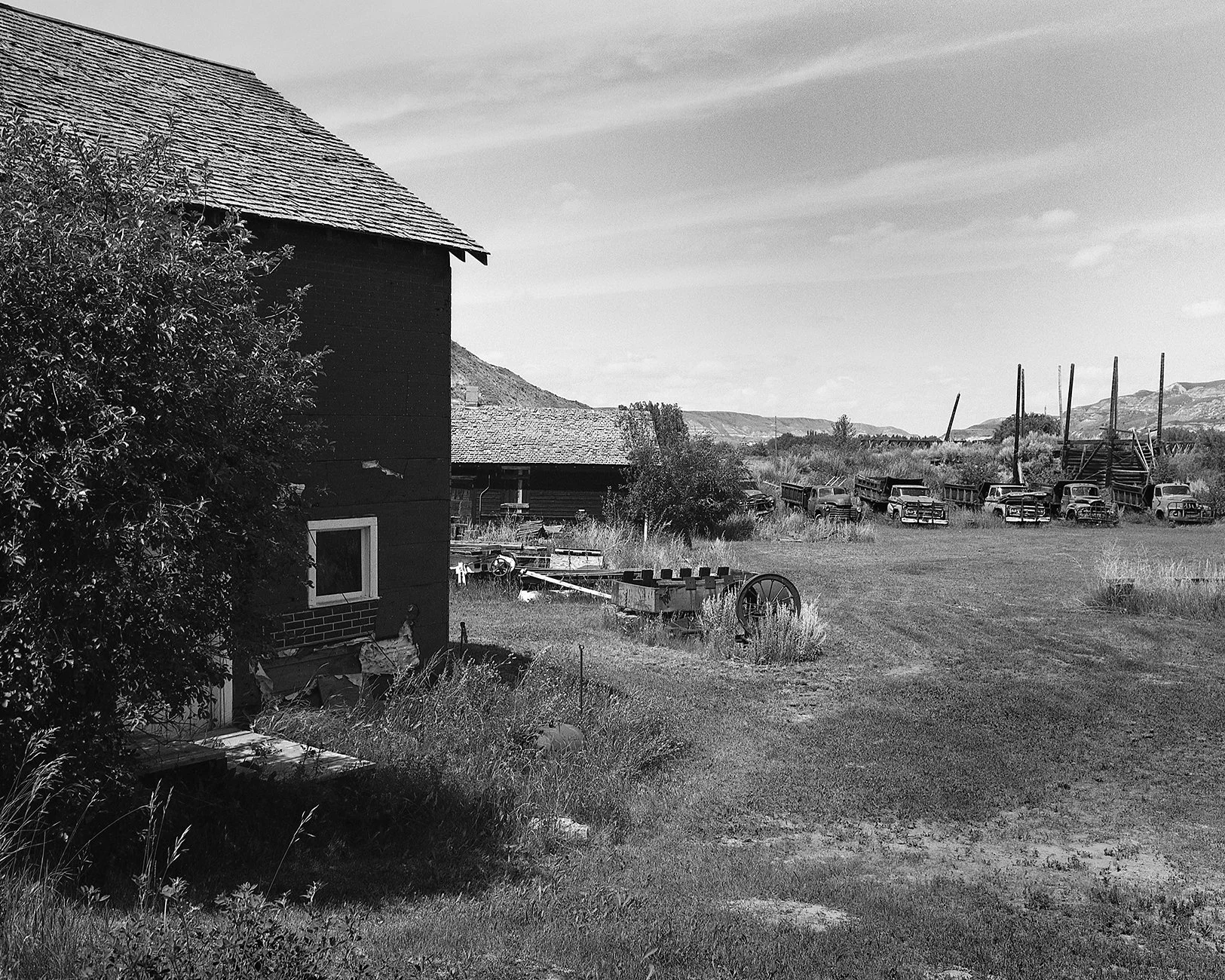
Highway #10 AB
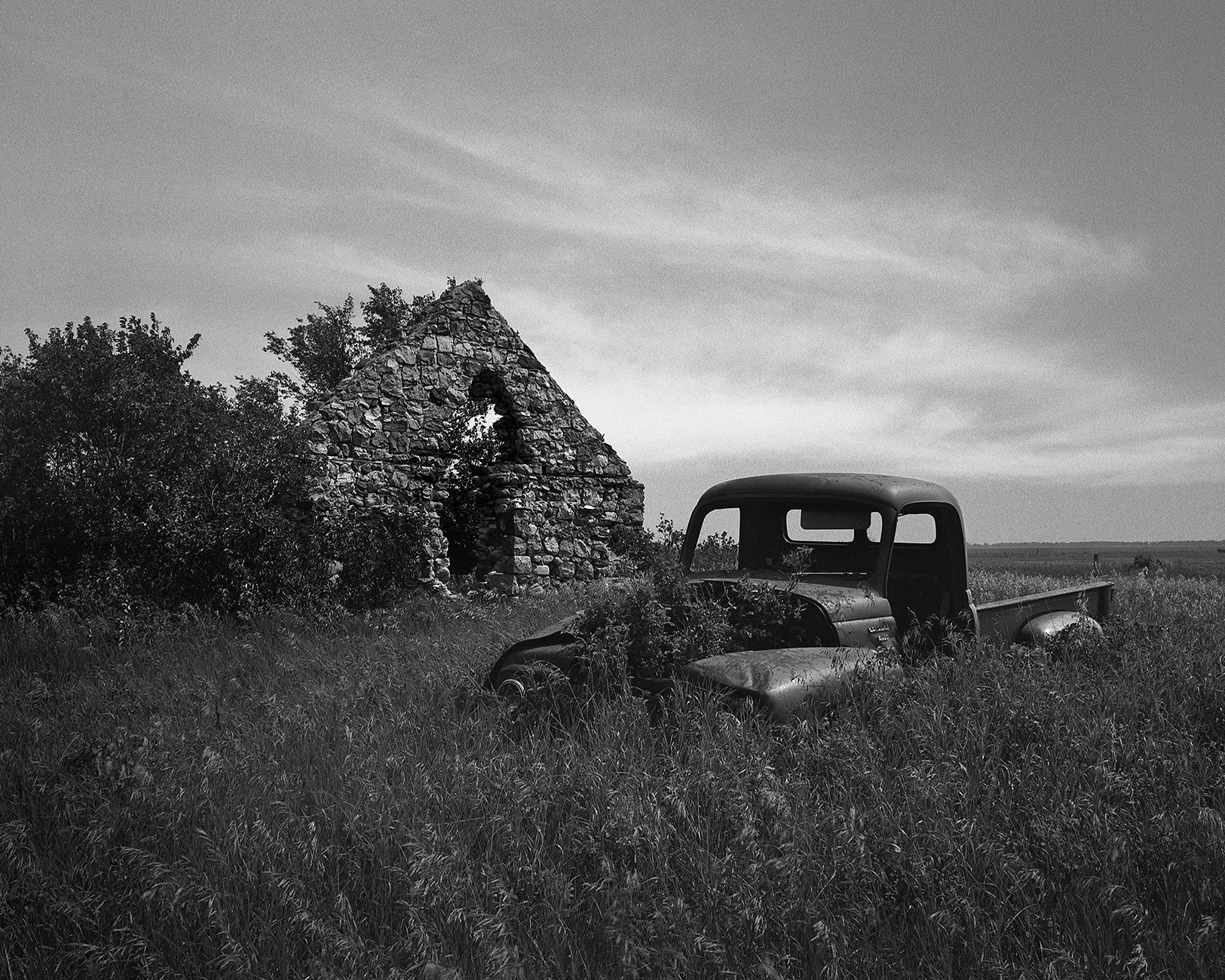
Copley MB
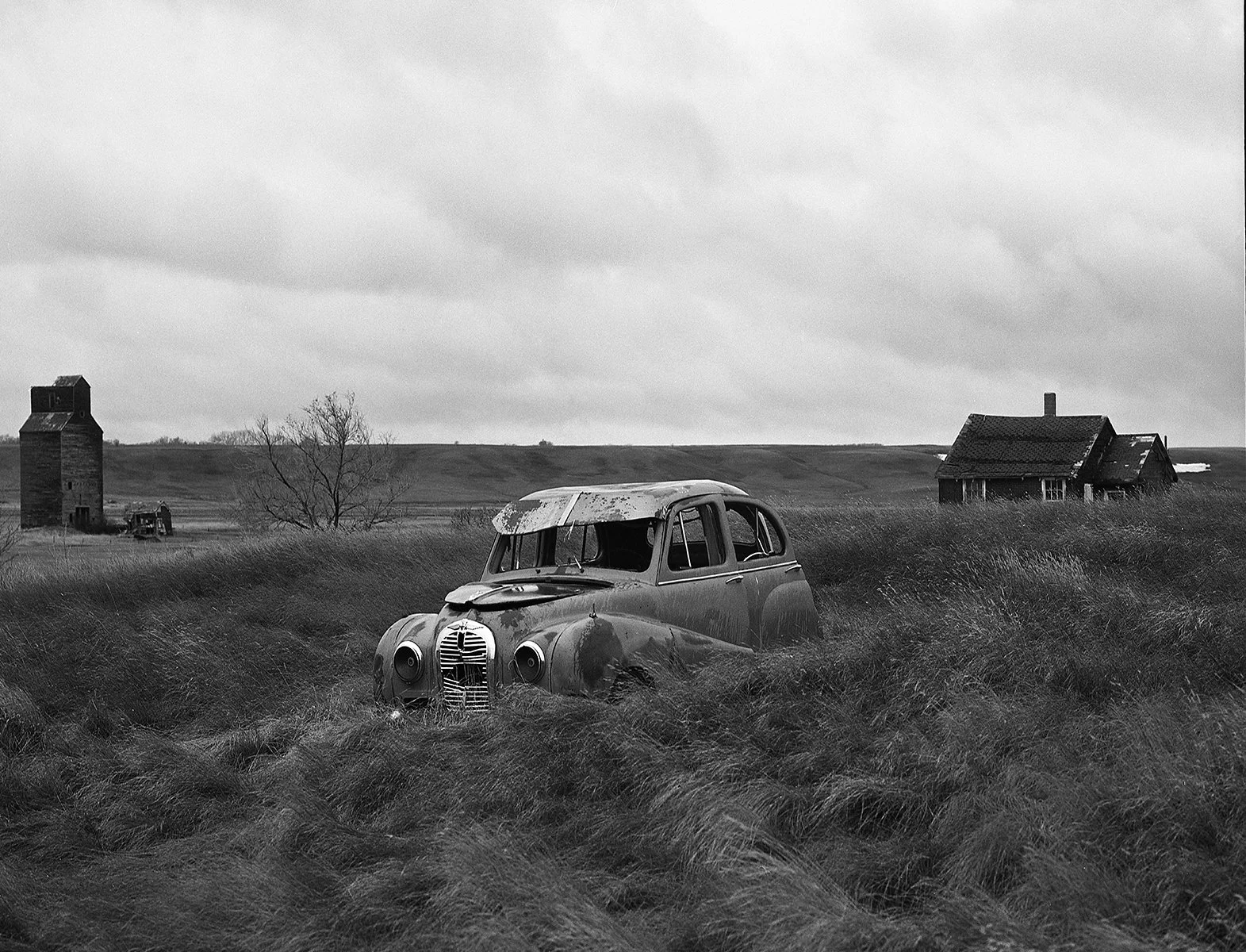
Neidpath SK
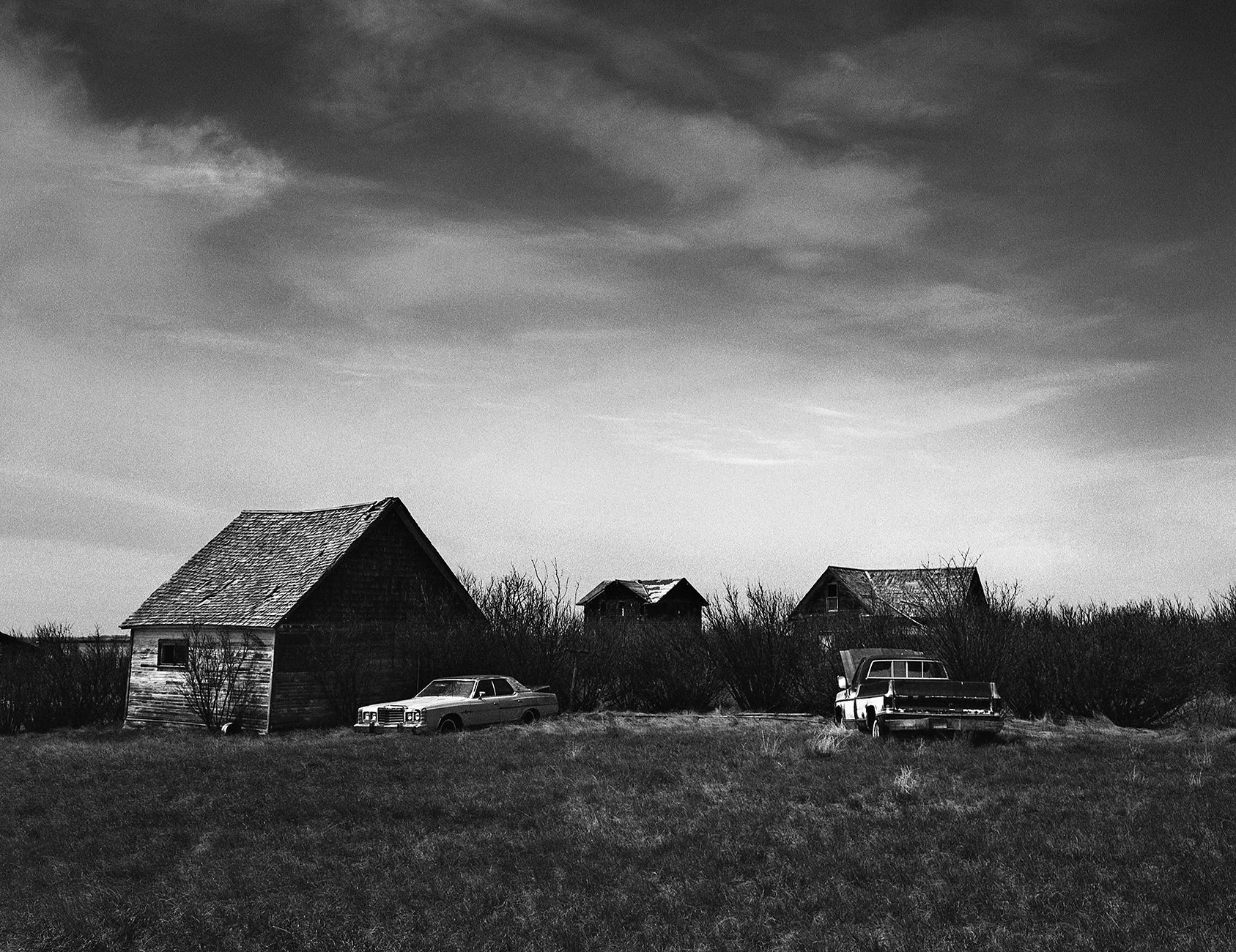
Robsart SK
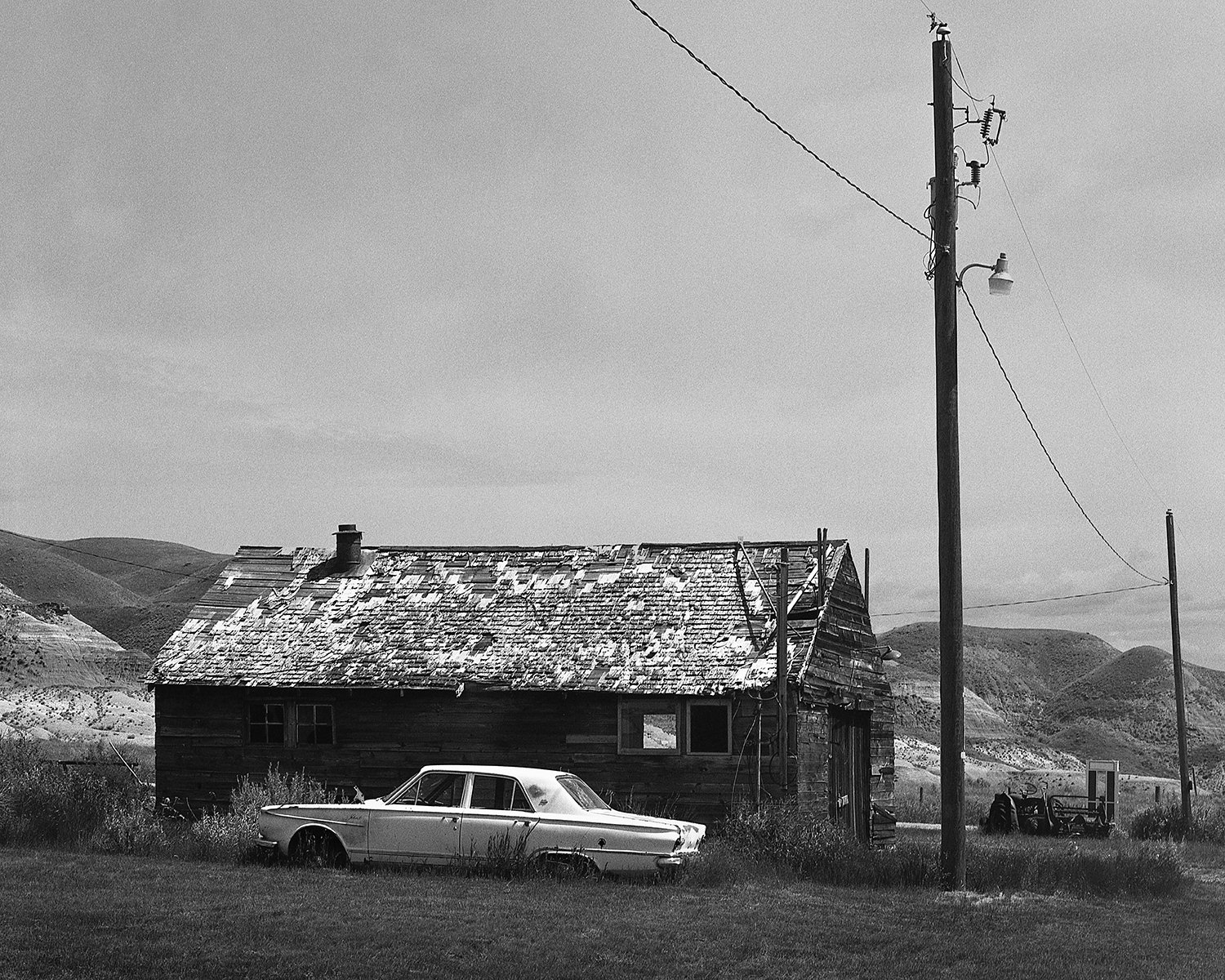
Highway #10 AB
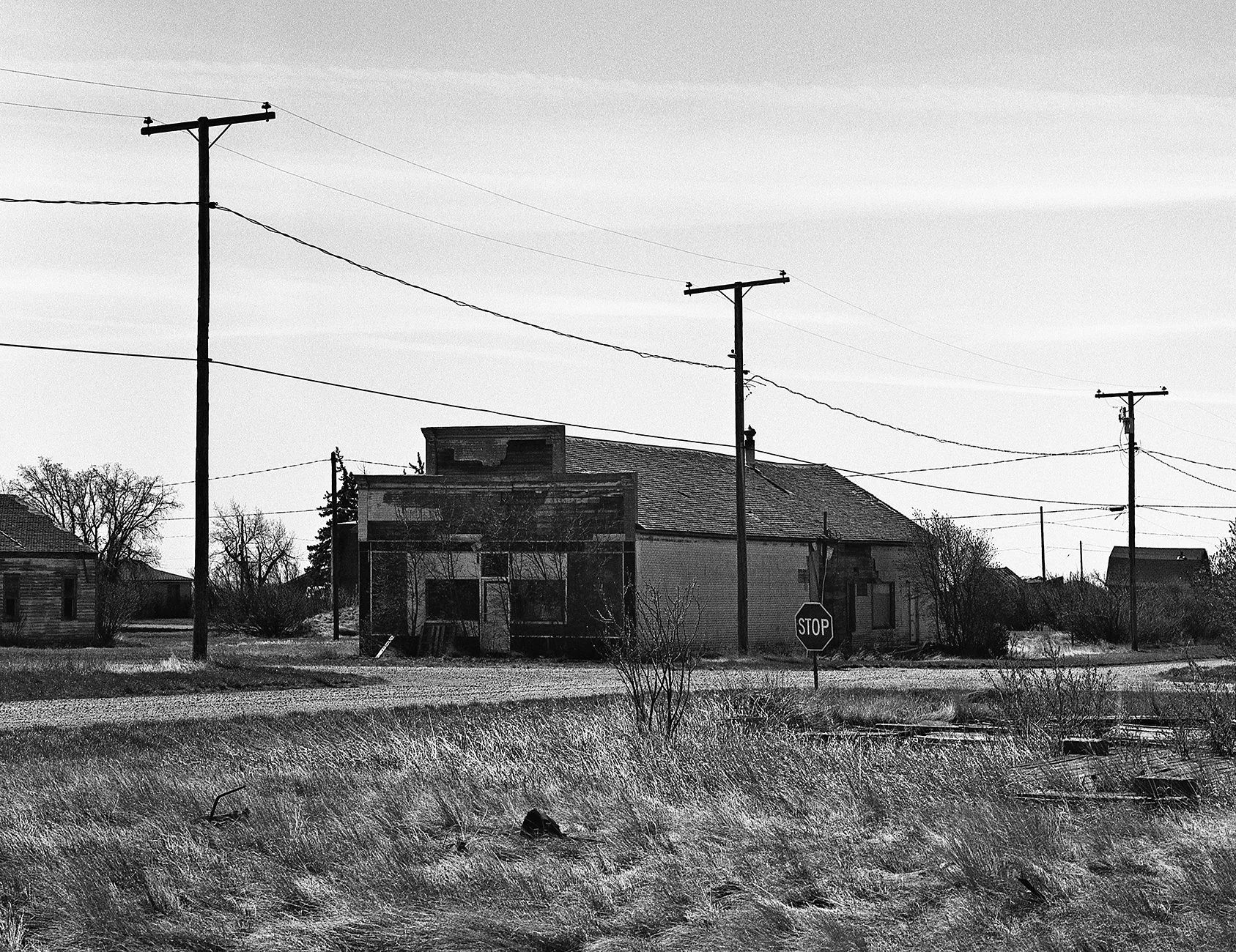
Robsart SK
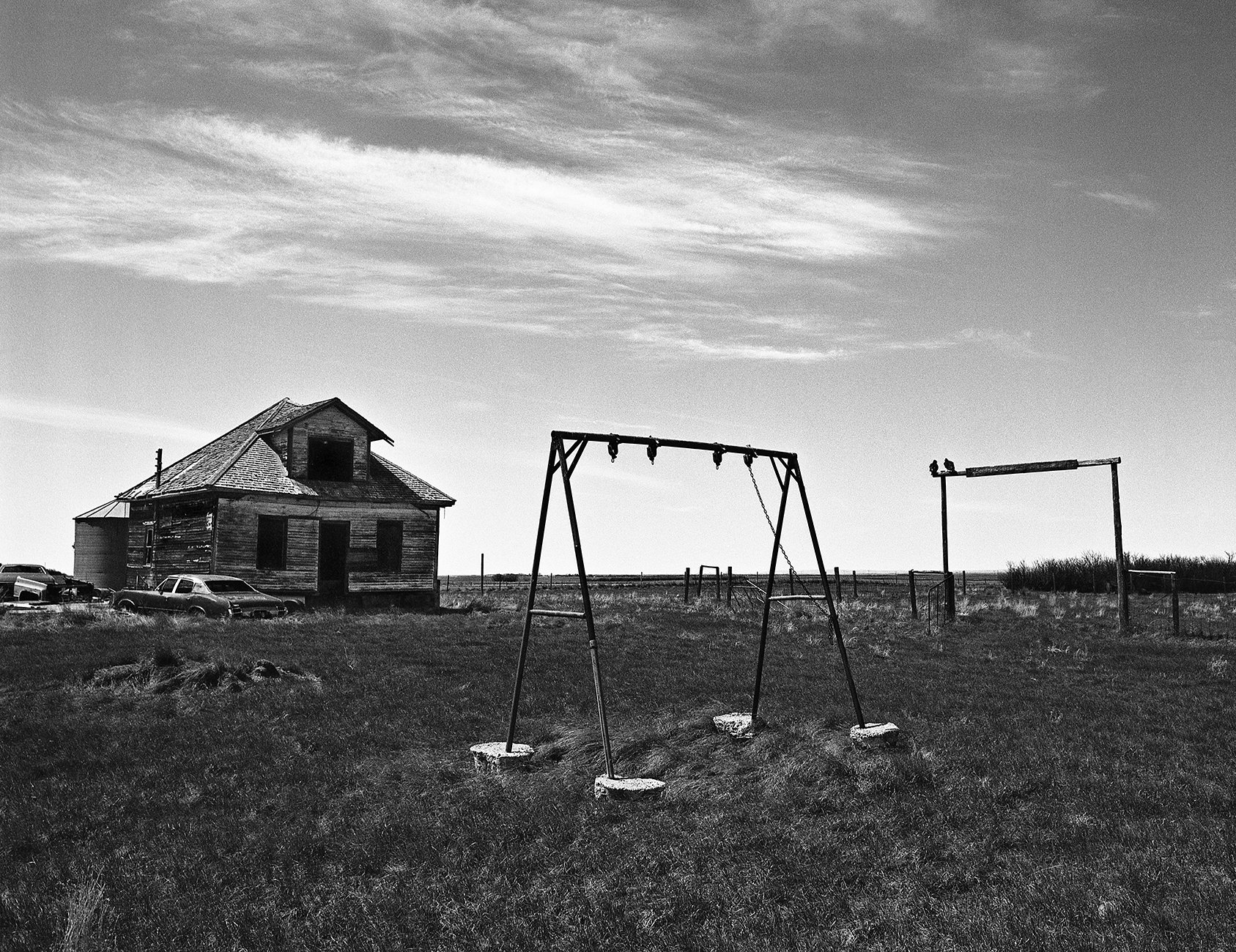
Robsart SK
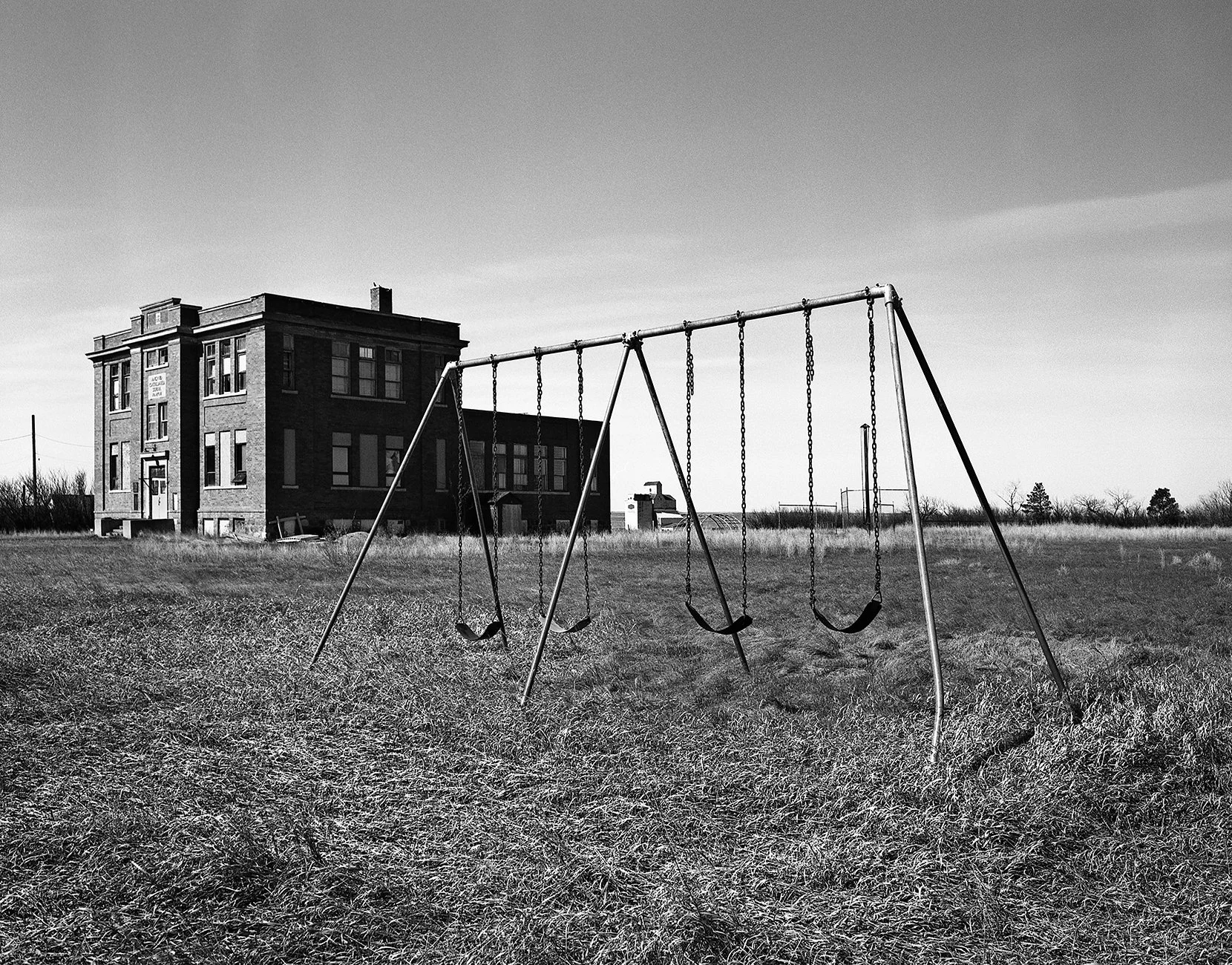
Aneroid SK
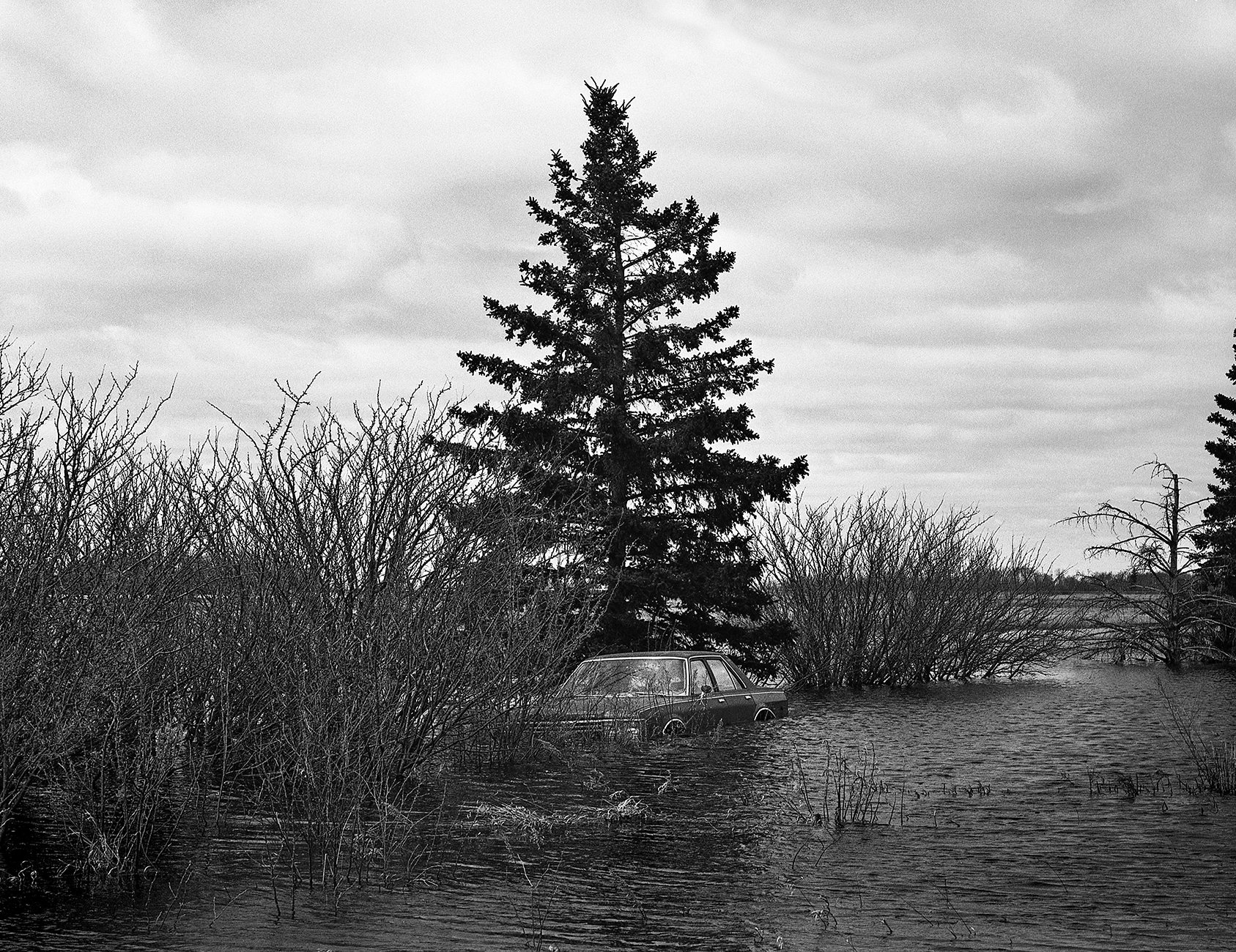
Quill Lake Area SK
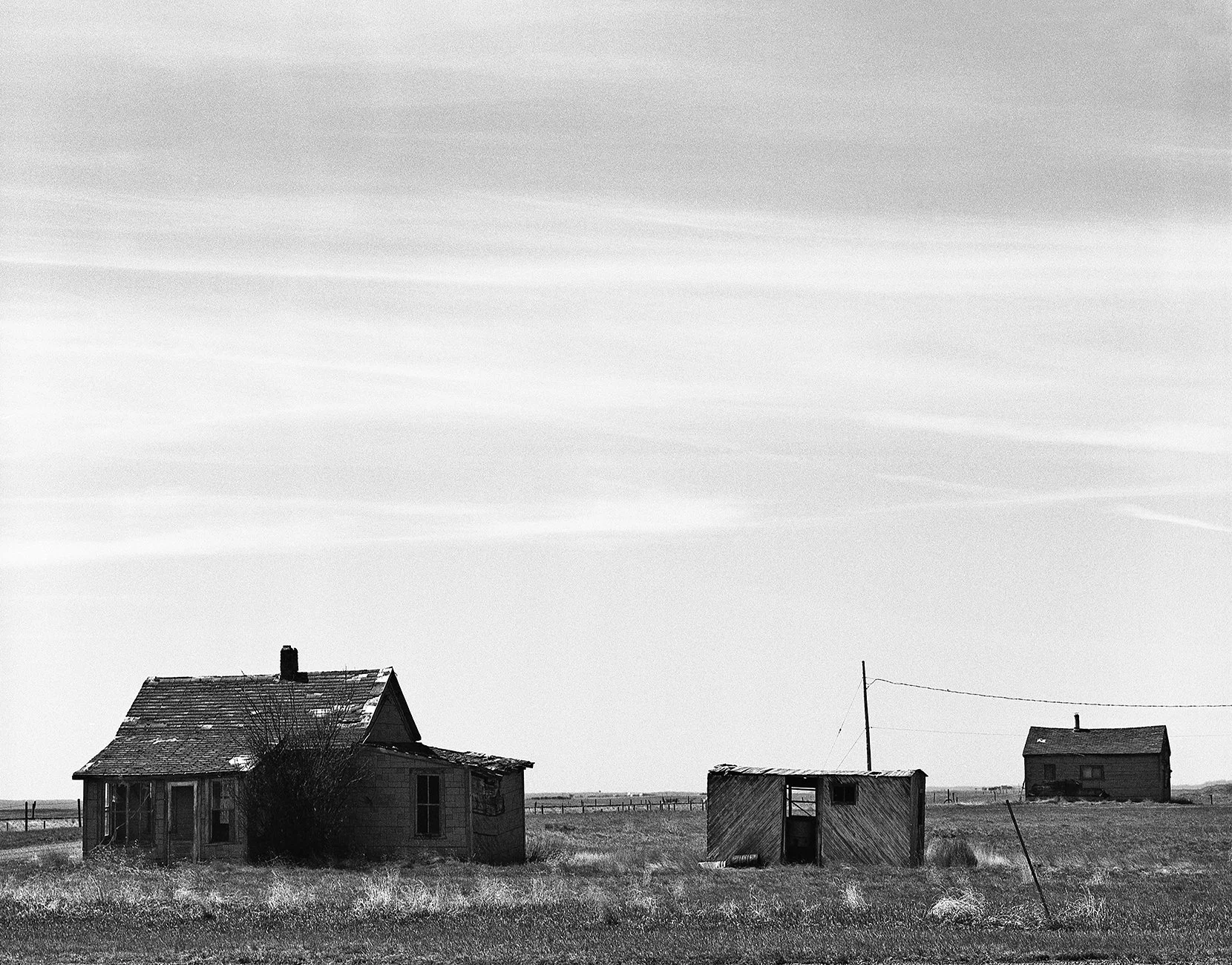
Robsart SK
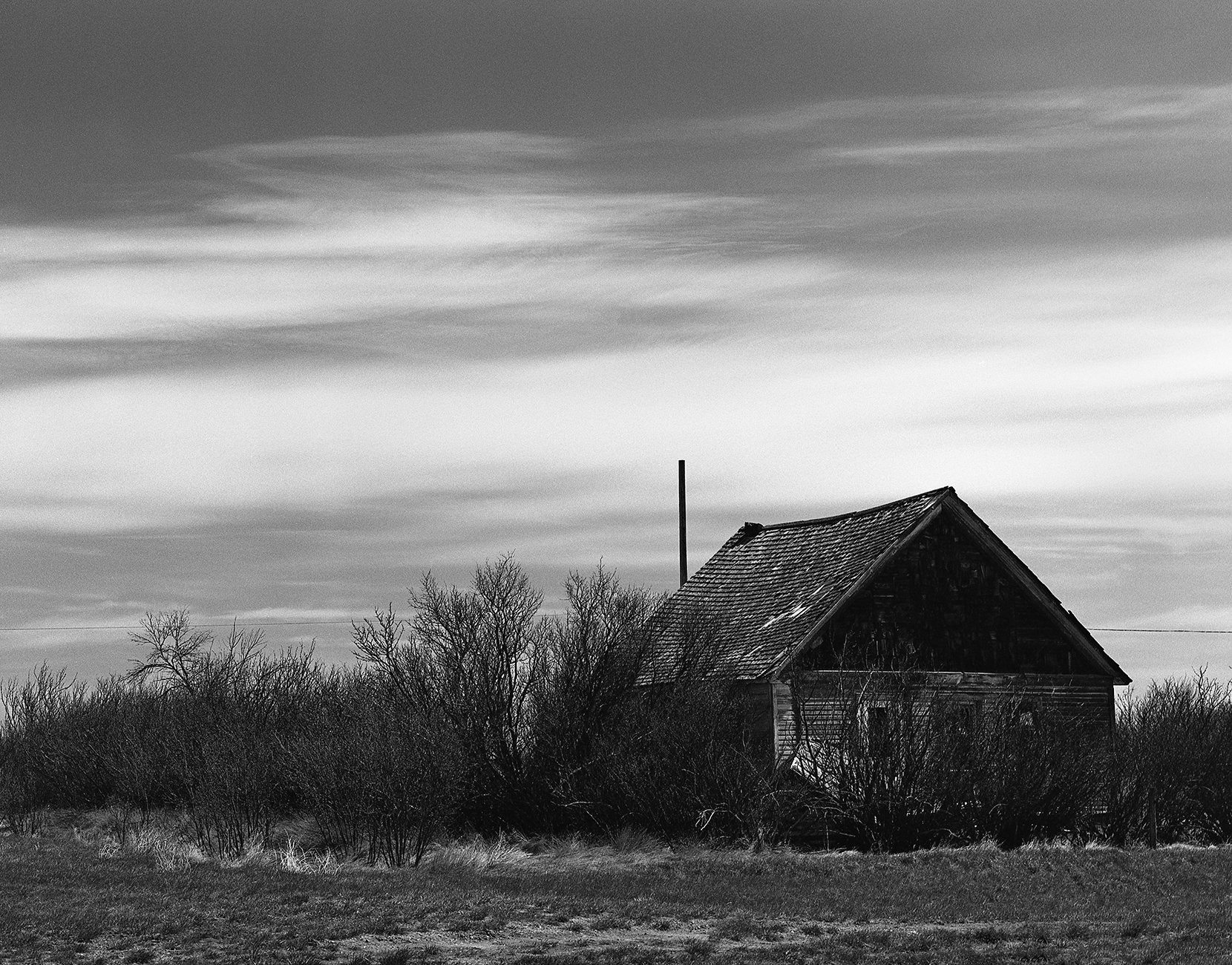
Robsart SK
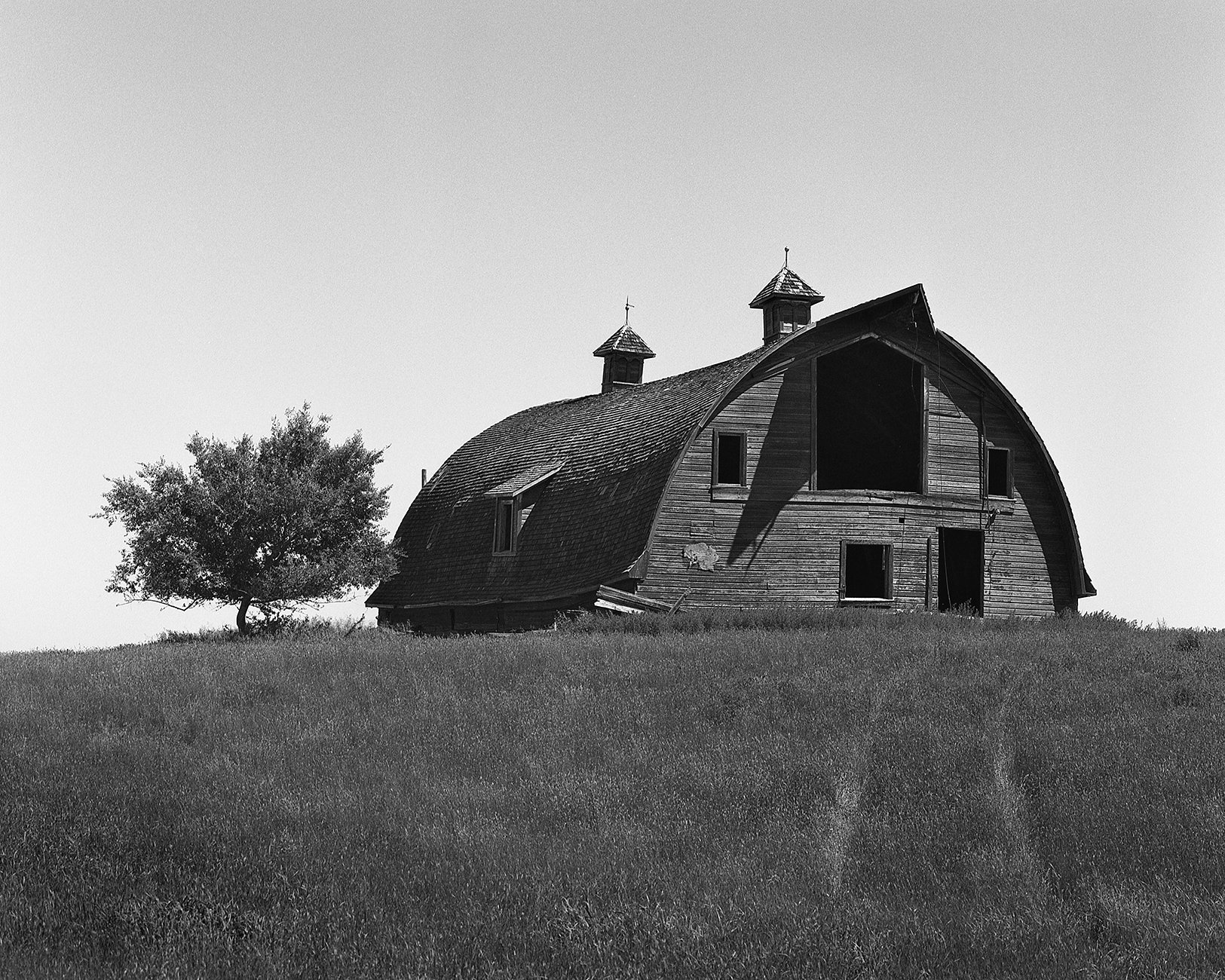
Highway #715 SK
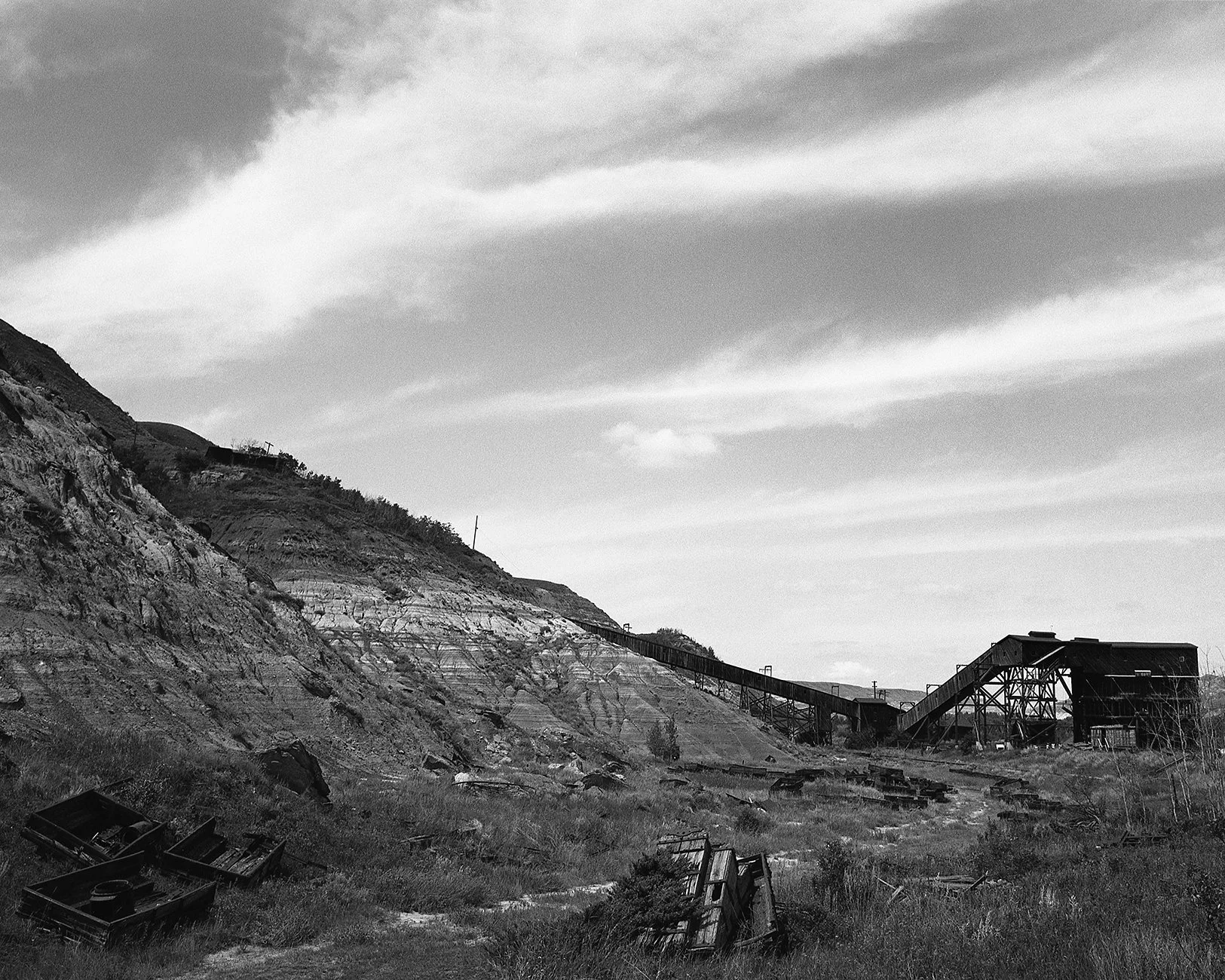
Atlas Coal Mine AB
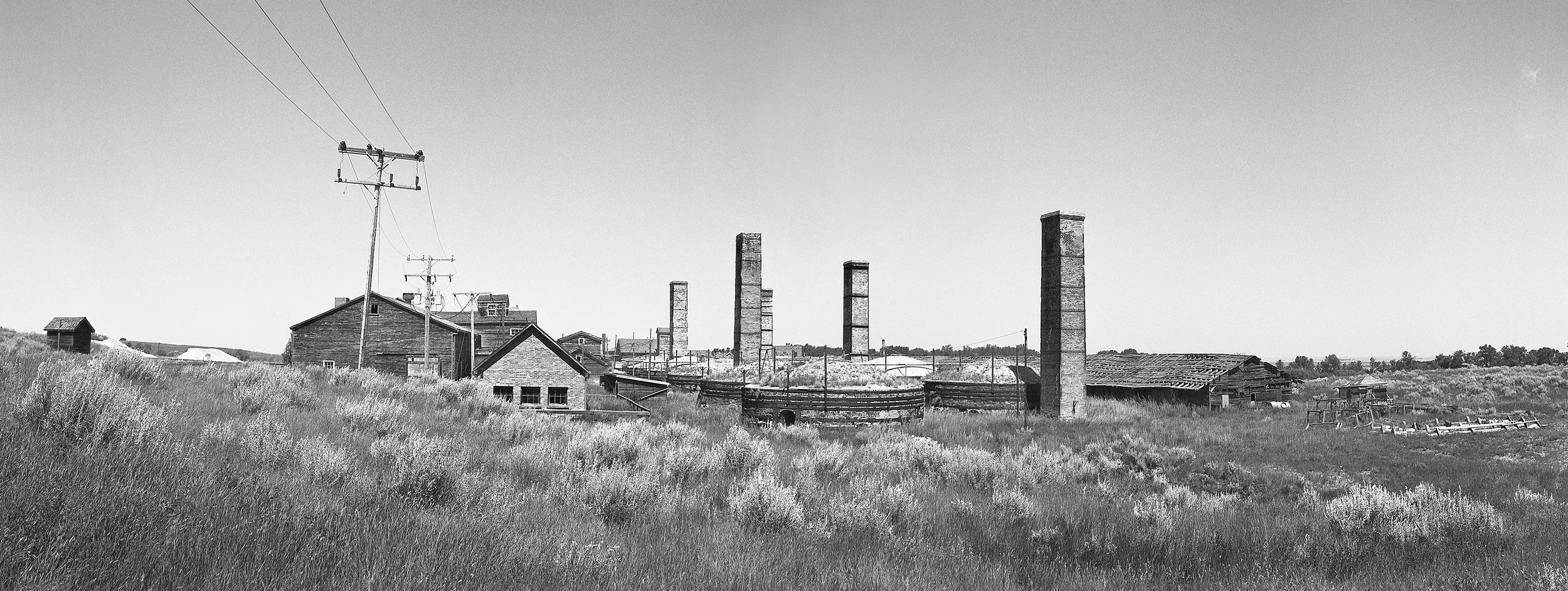
Claybank Brick Plant SK
ACCUMULATED
We rarely encounter the world as something formed in a single moment. What surrounds us is the result of decisions made at different times, under different circumstances, and for different purposes. Each addition becomes part of what follows. What is built, repeated, replaced, or retained gradually establishes relationships with everything that came before it.
Accumulated considers how identity emerges through this layering. Individual intentions become part of something larger, often producing an outcome that no single decision could have anticipated. Over time, separate structures and purposes begin to reinforce one another, contradict one another, and establish new ways of organizing the world. The result is neither entirely planned nor entirely accidental.
There is a tension between the individual and the collective in the process. Repetition can produce uniformity while allowing difference to remain. New layers can obscure what preceded them without fully erasing it. What eventually appears coherent may contain histories, contradictions, and competing intentions that are no longer immediately visible.
Accumulated is concerned with the identities that emerge from this process, not as expression of a single intention, but as the consequence of many, continually reshaped by their proximity to one another. What something becomes is inseparable from what has gathered around it.

Moose Jaw, Saskatchewan
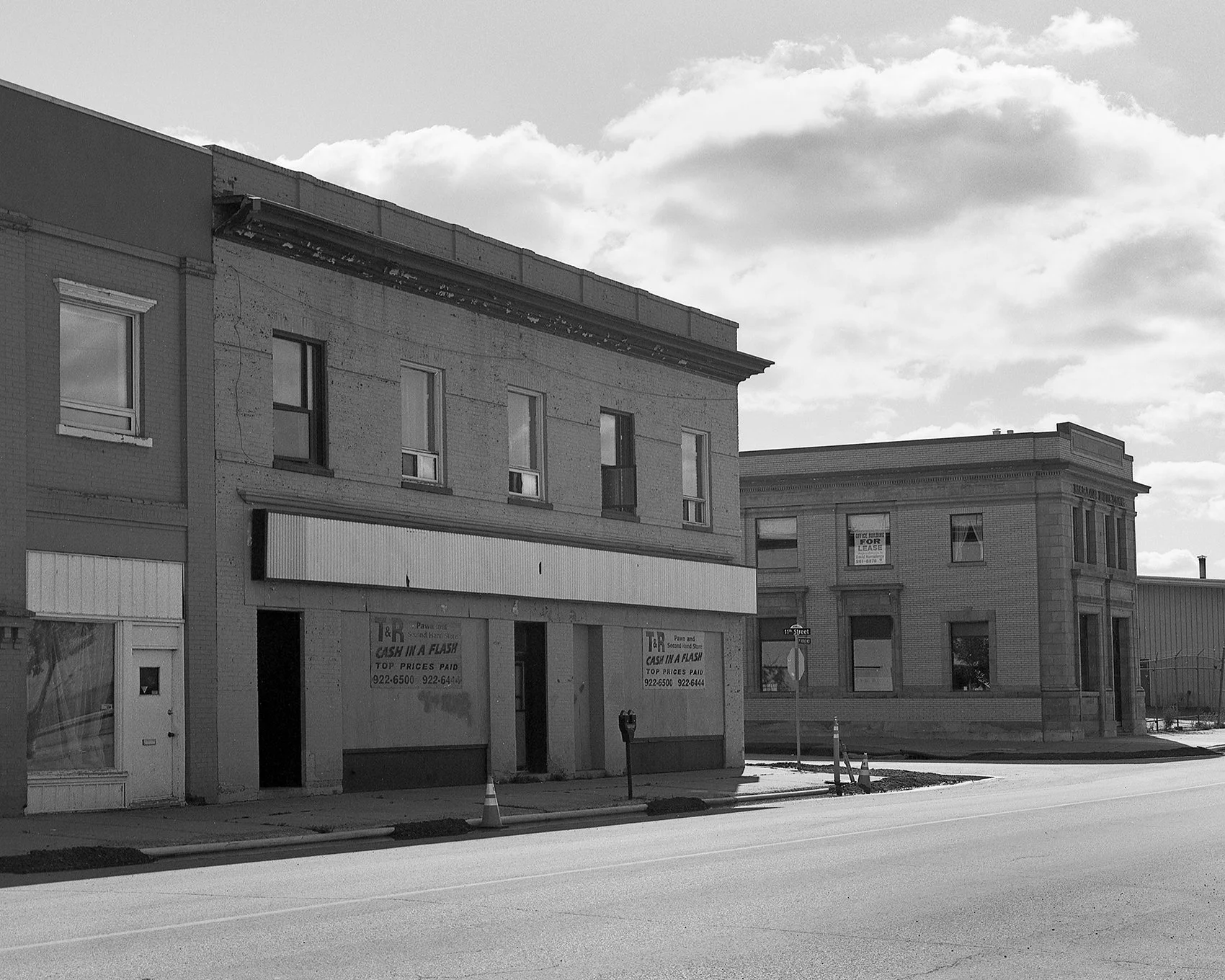
Prince Albert, Saskatchewan
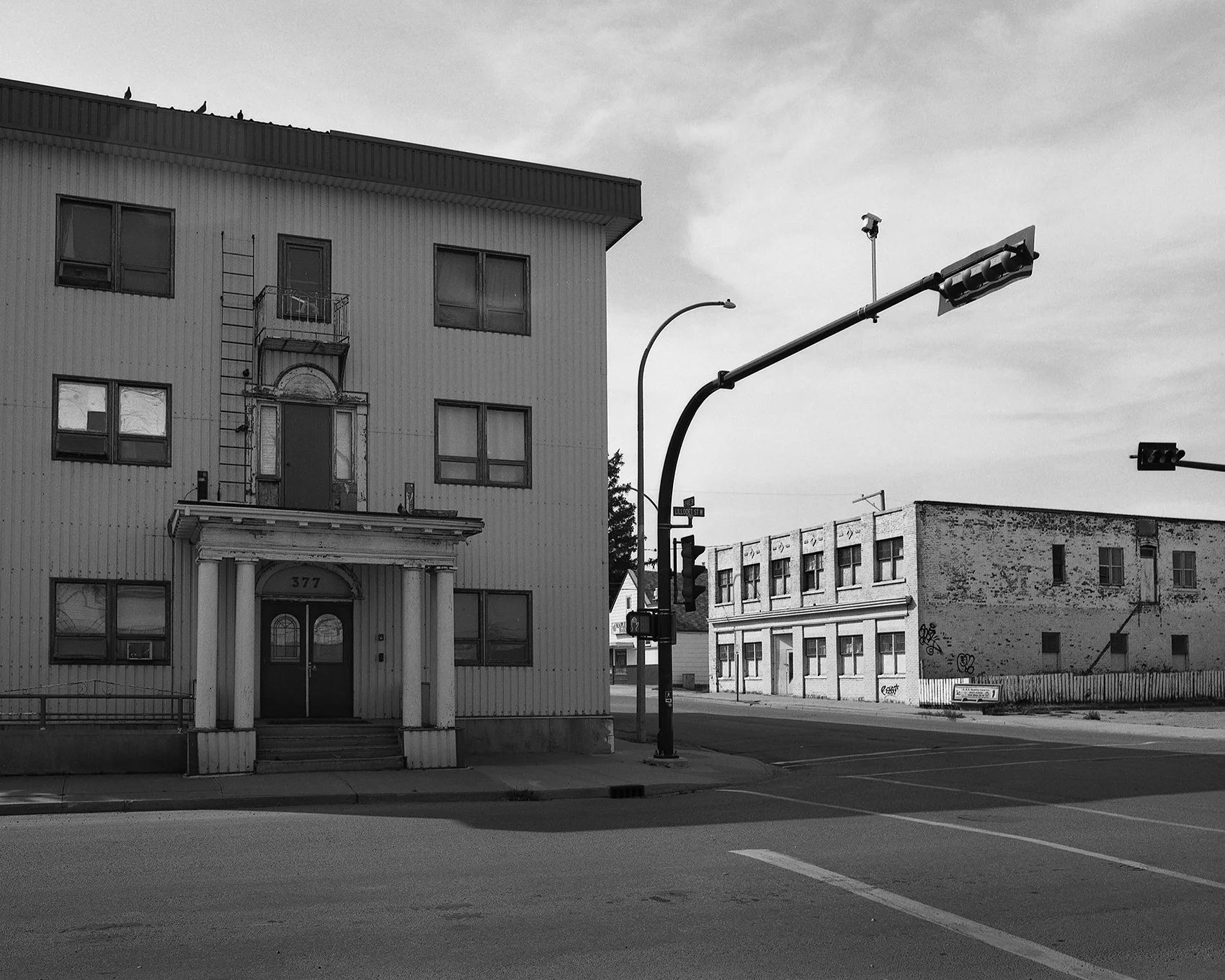
Moose Jaw, Saskatchewan
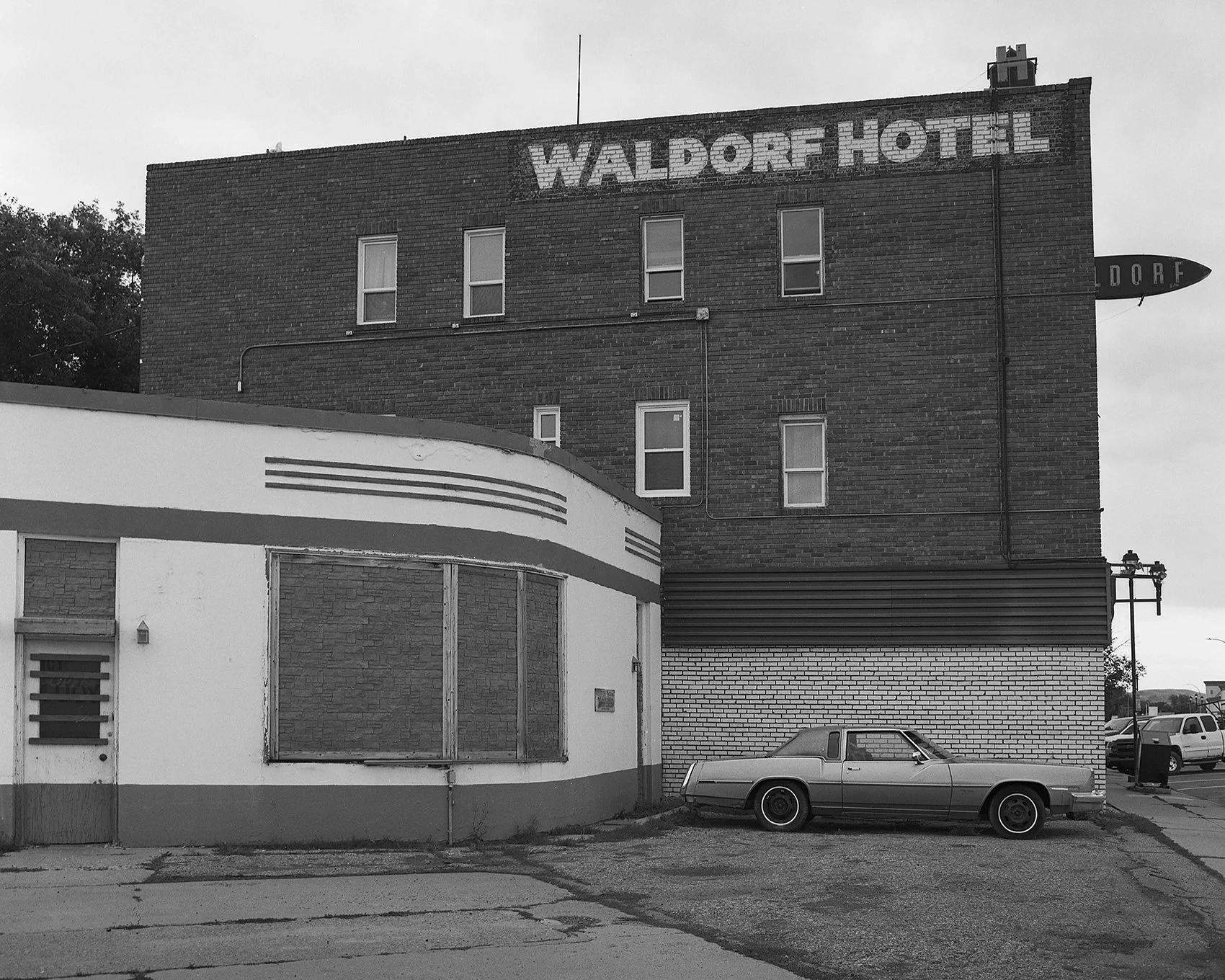
Drumheller, Alberta
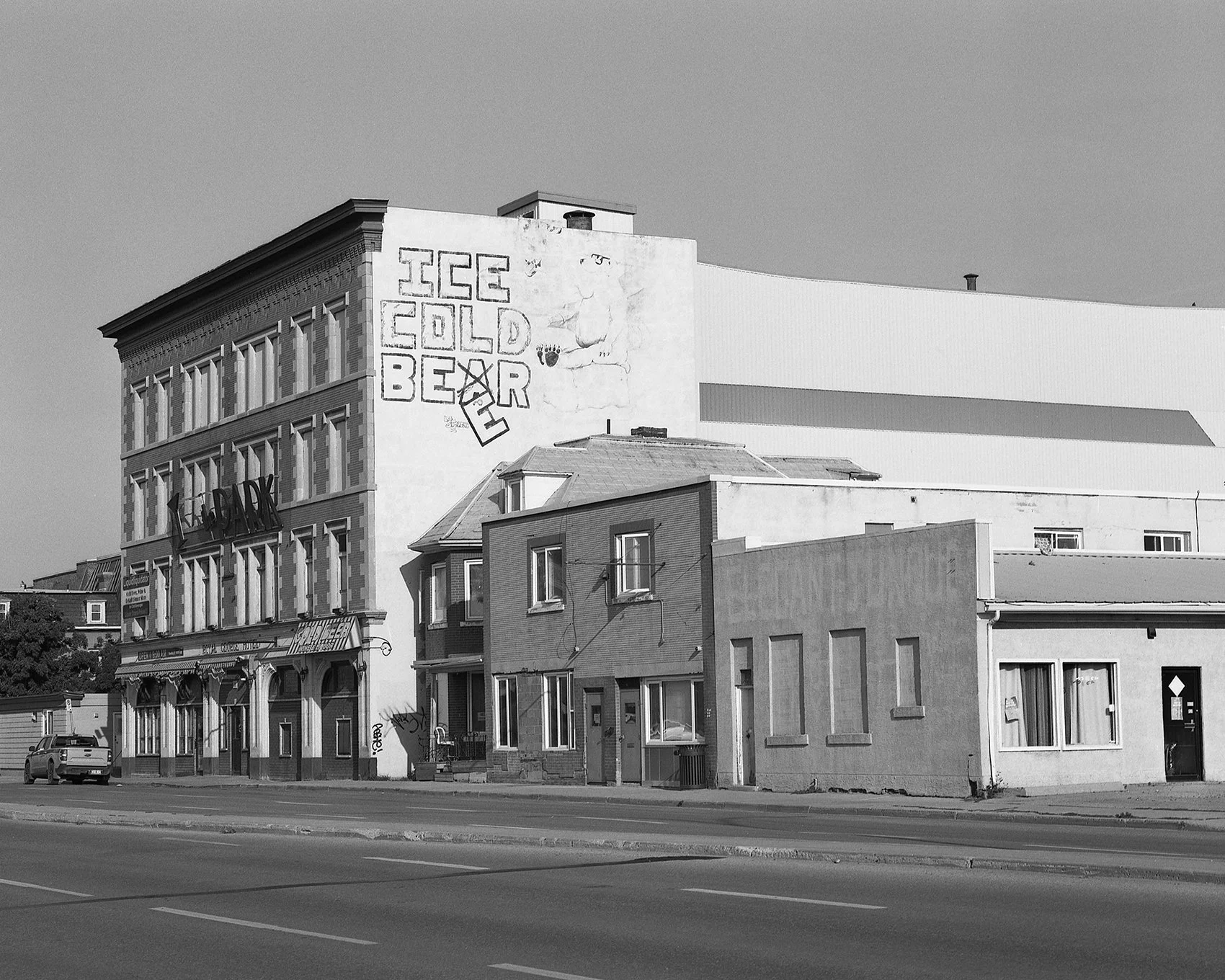
Moose Jaw, Saskatchewan
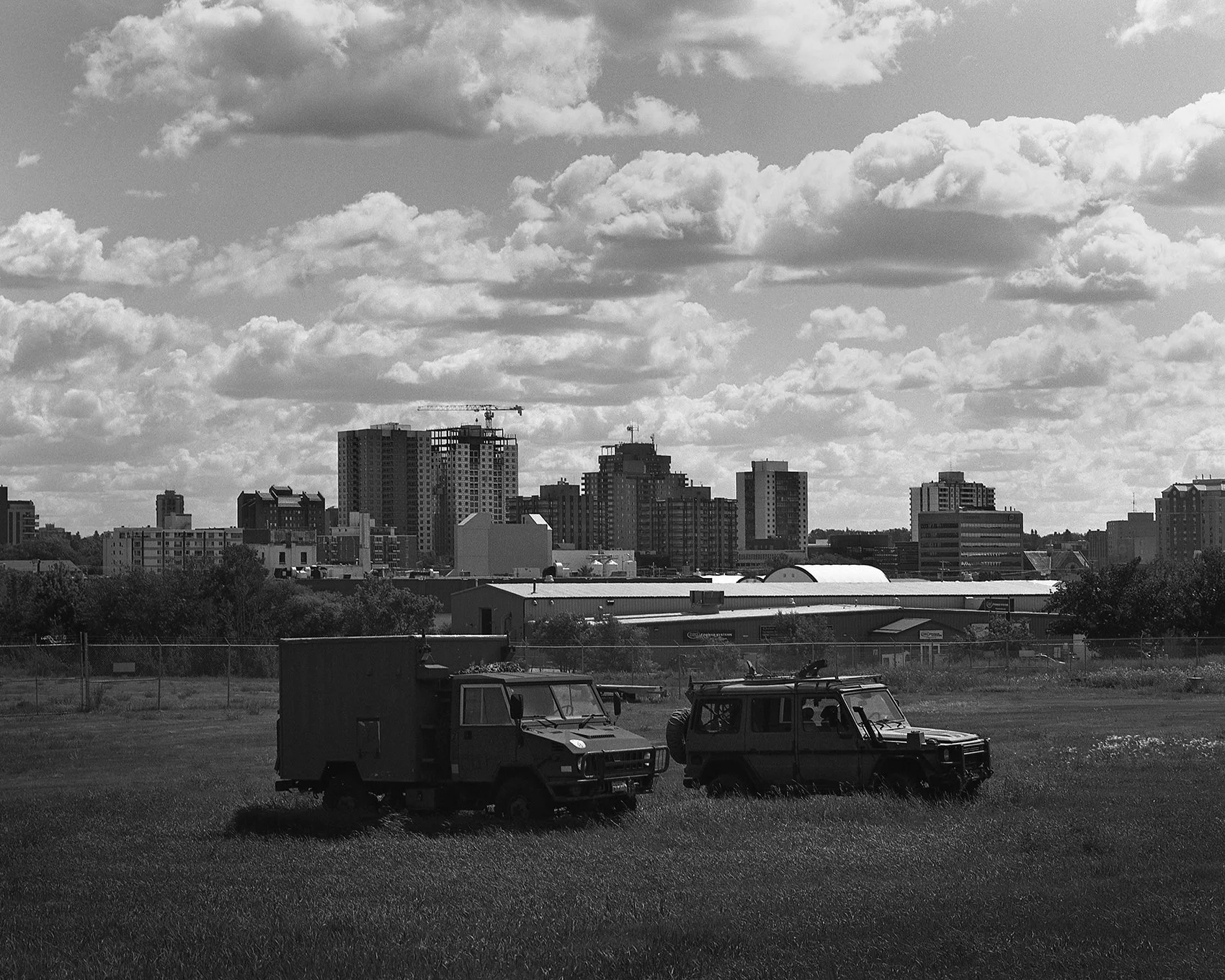
Saskatoon, Saskatchewan
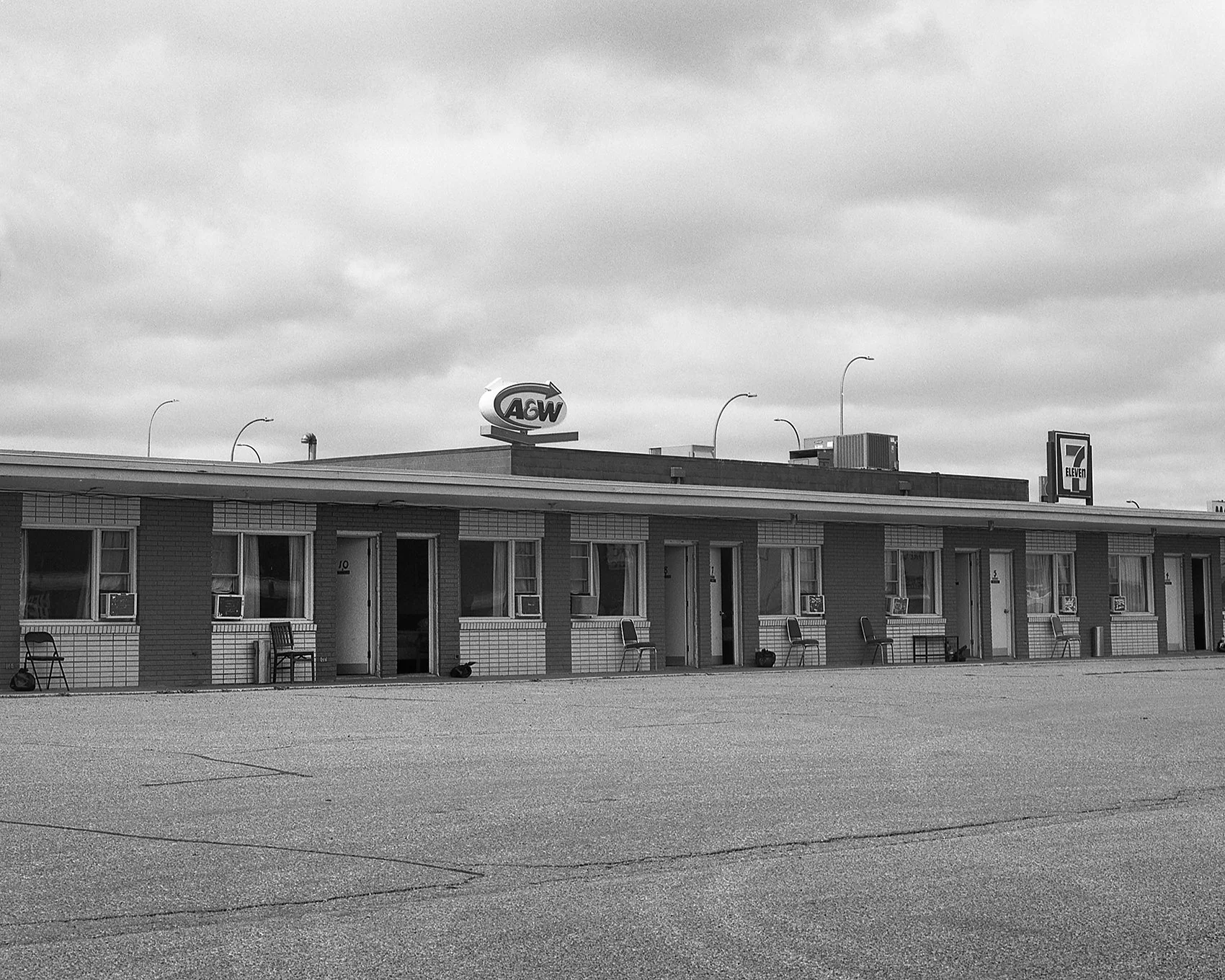
Swift Current, Saskatchewan
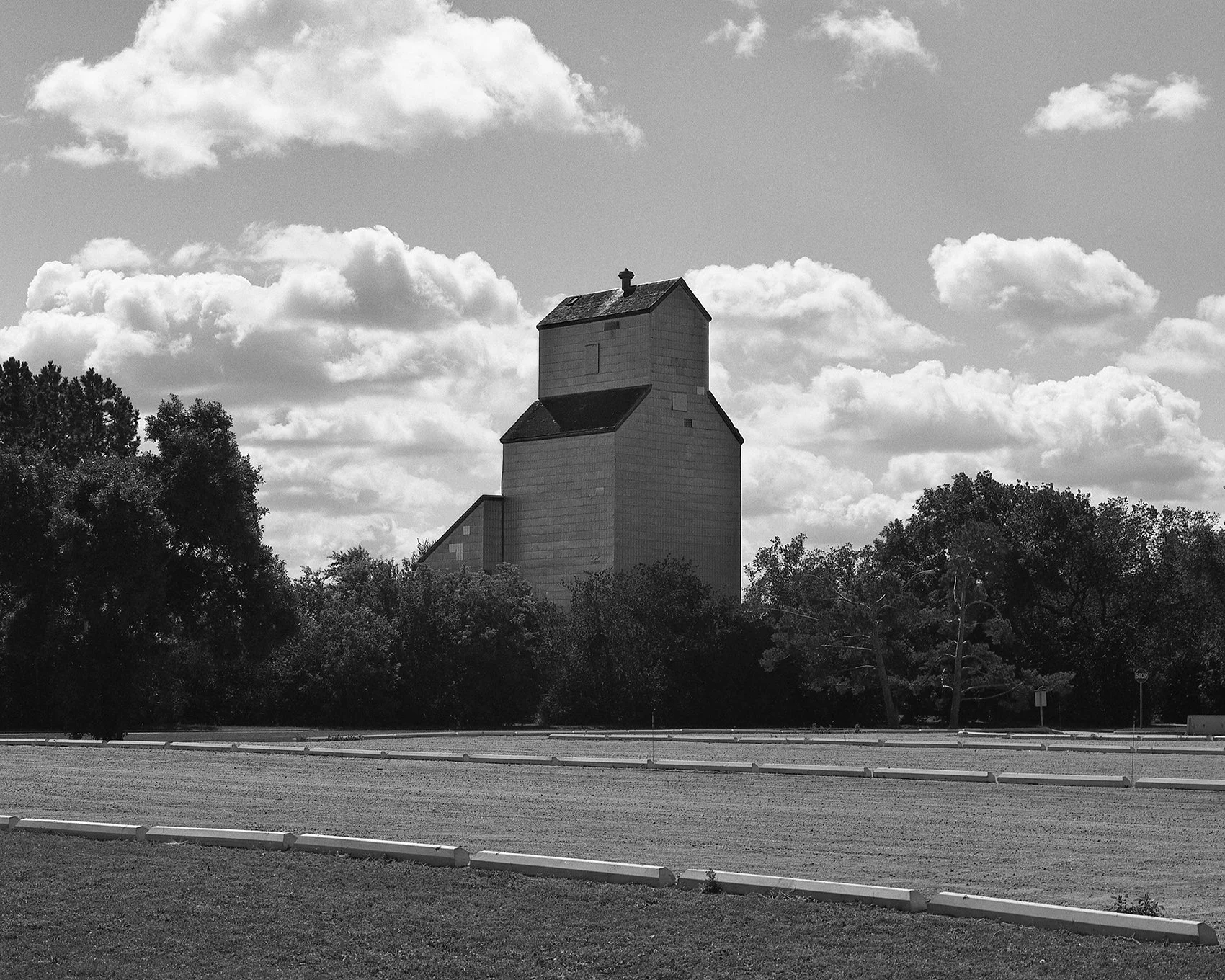
Saskatoon, Saskatchewan
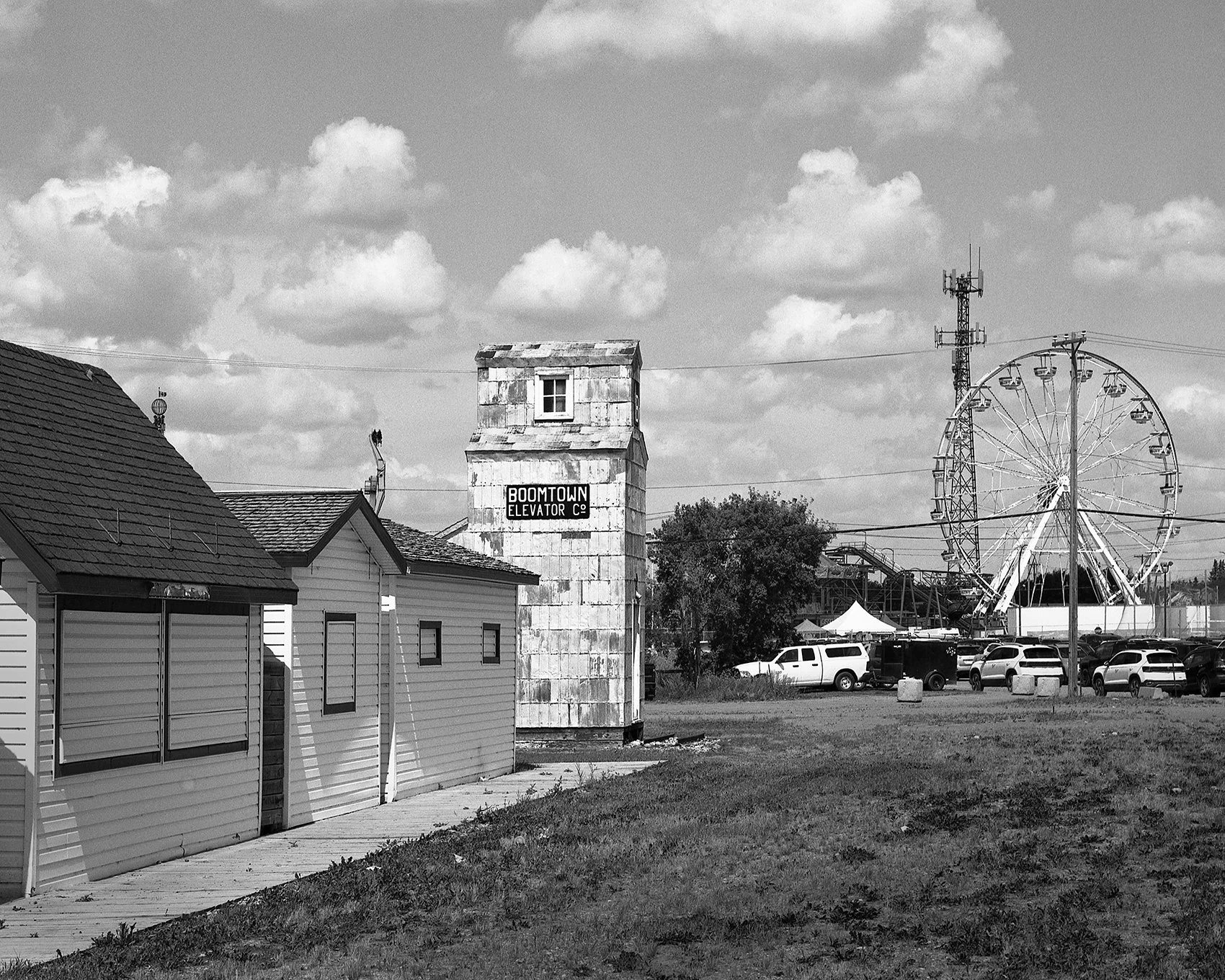
Saskatoon, Saskatchewan
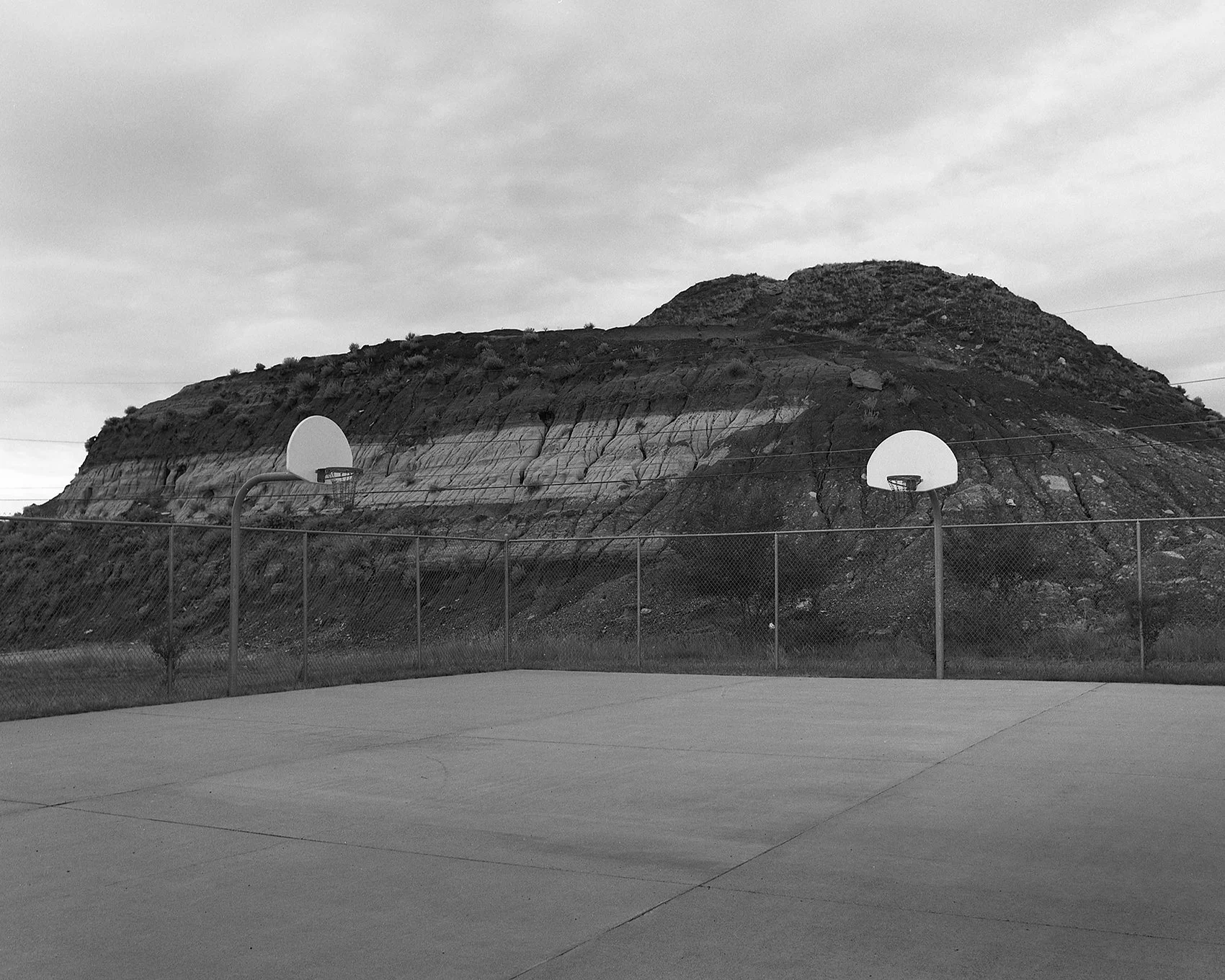
Drumheller, Alberta
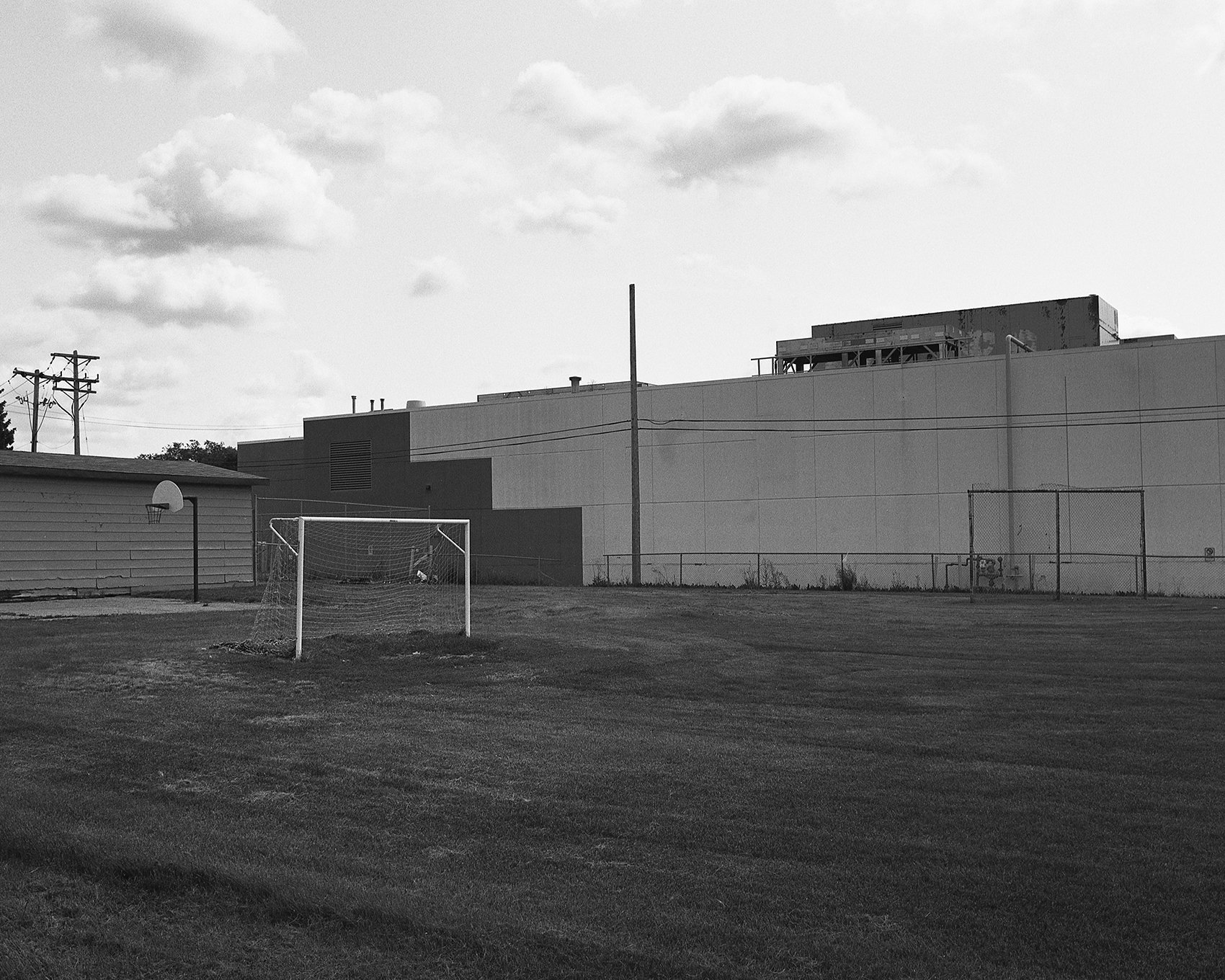
Saskatoon, Saskatchewan
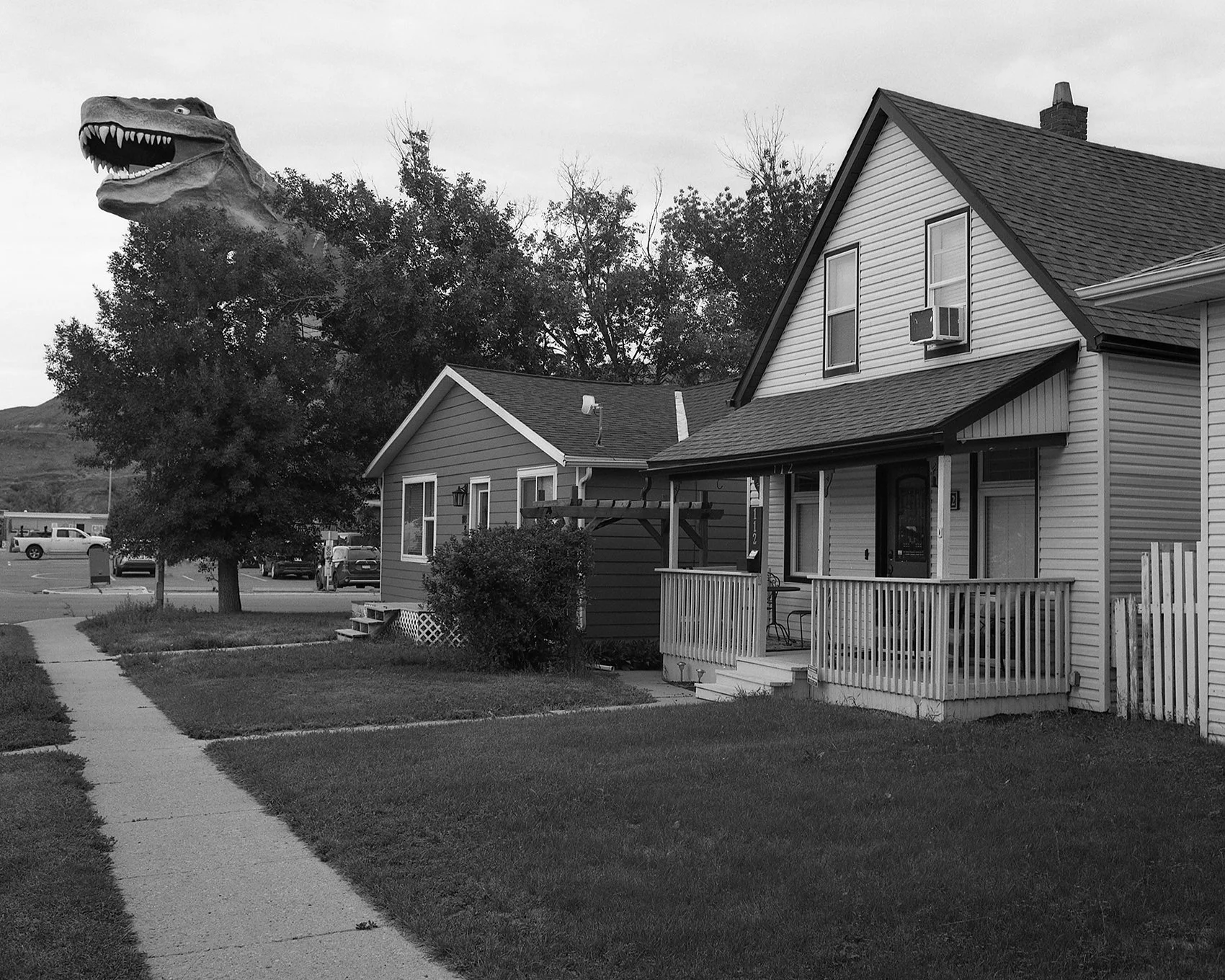
Drumheller, Alberta
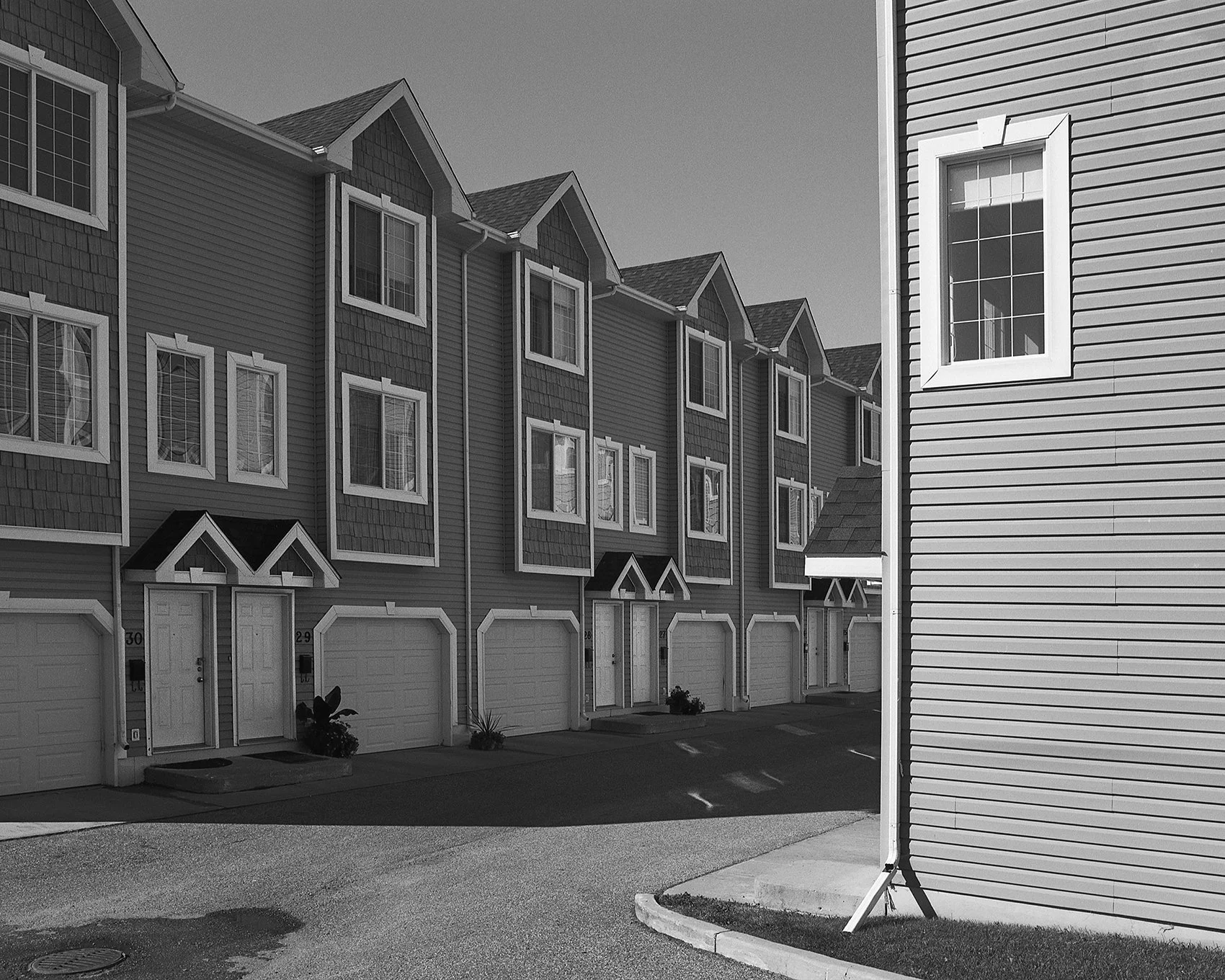
Saskatoon, Saskatchewan
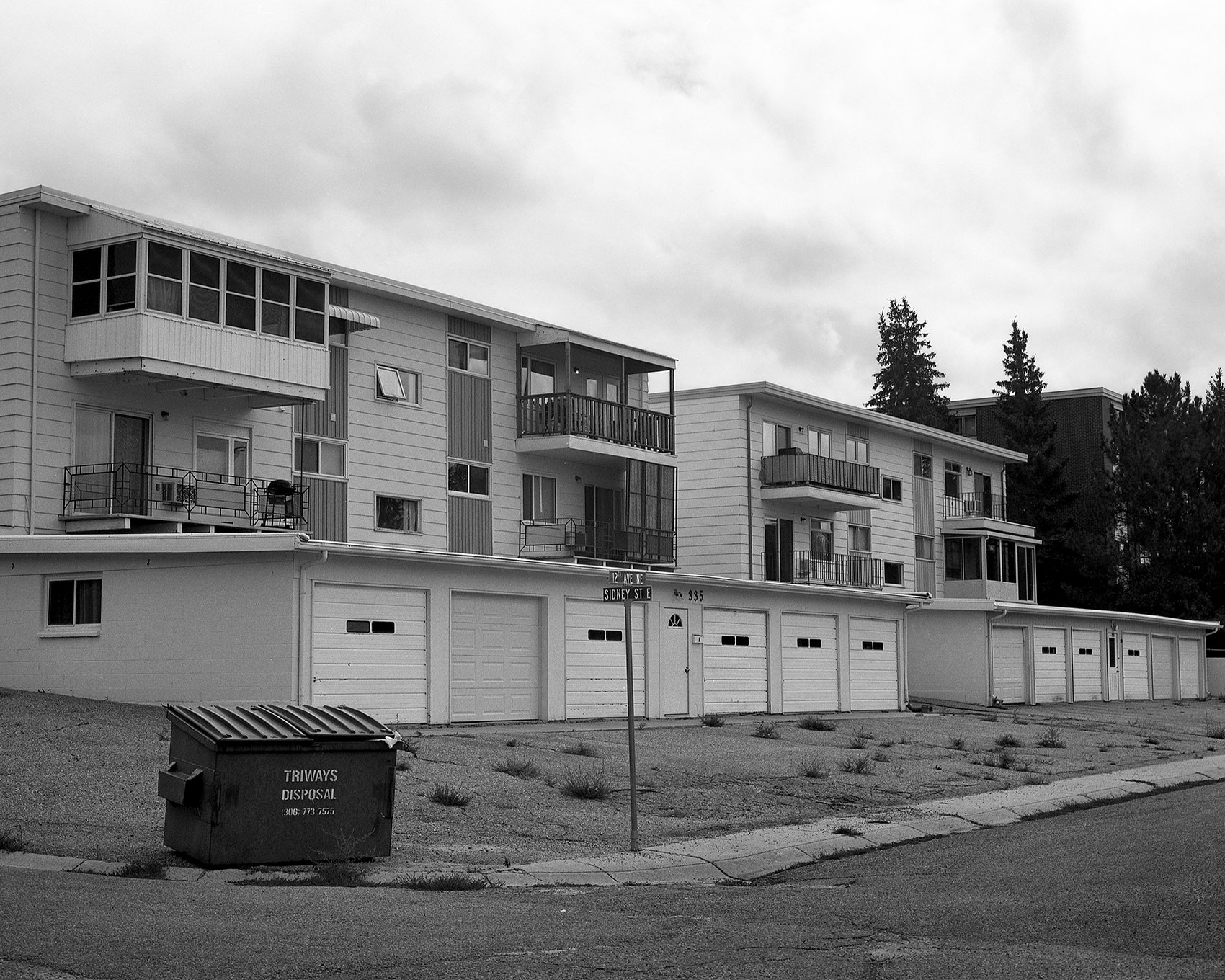
Swift Current, Saskatchewan
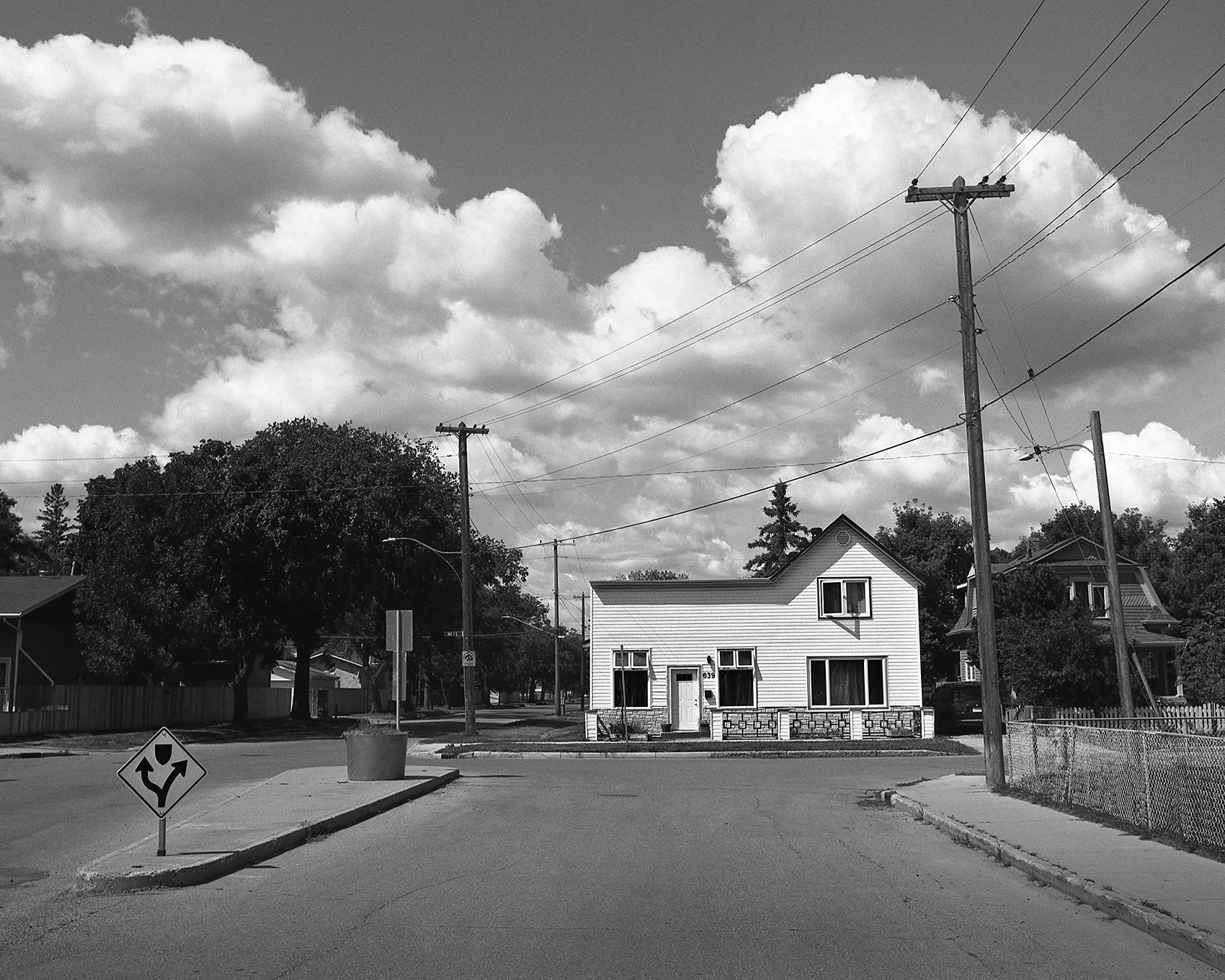
Saskatoon, Saskatchewan
Swift Current, Saskatchewan
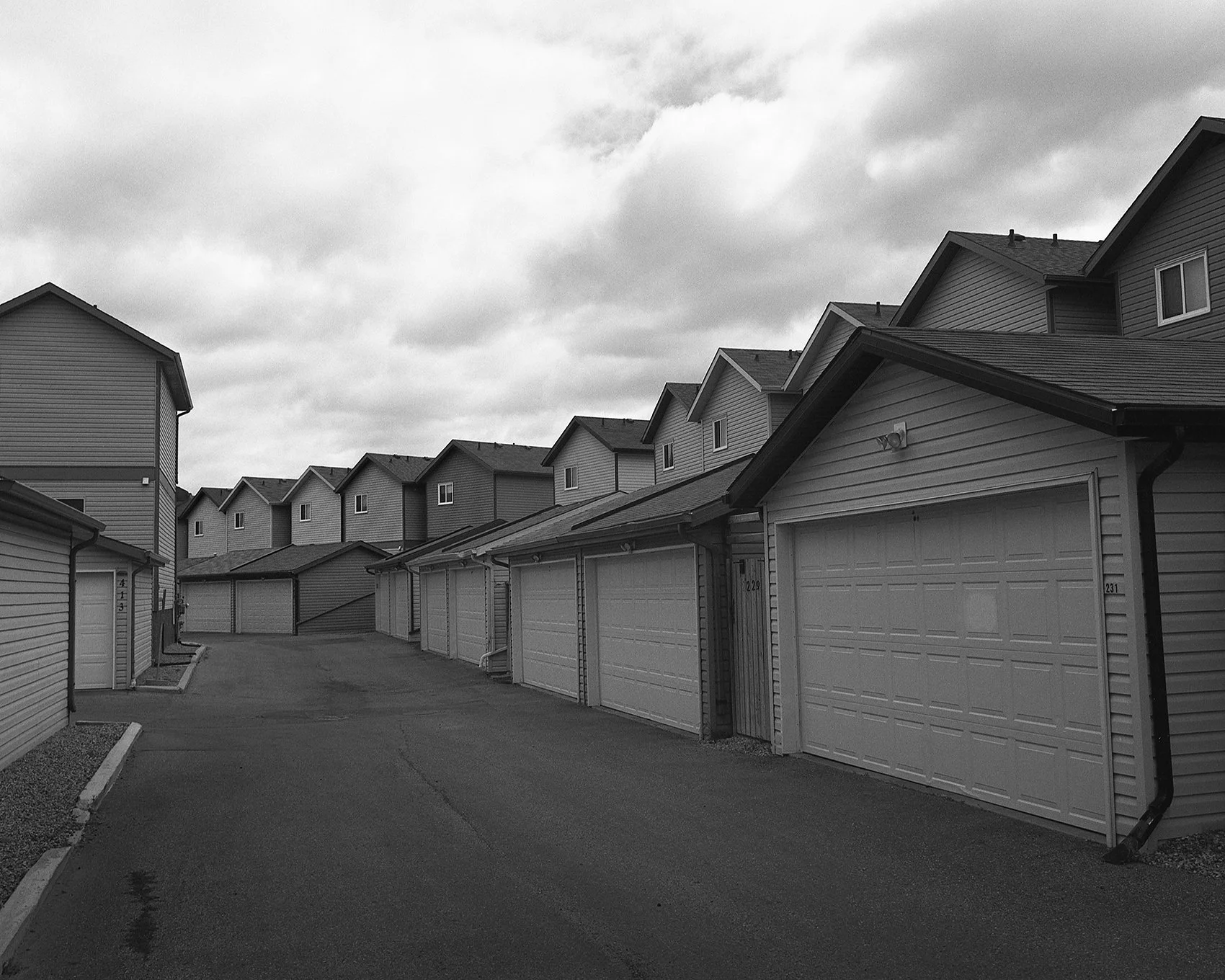
Saskatoon, Saskatchewan
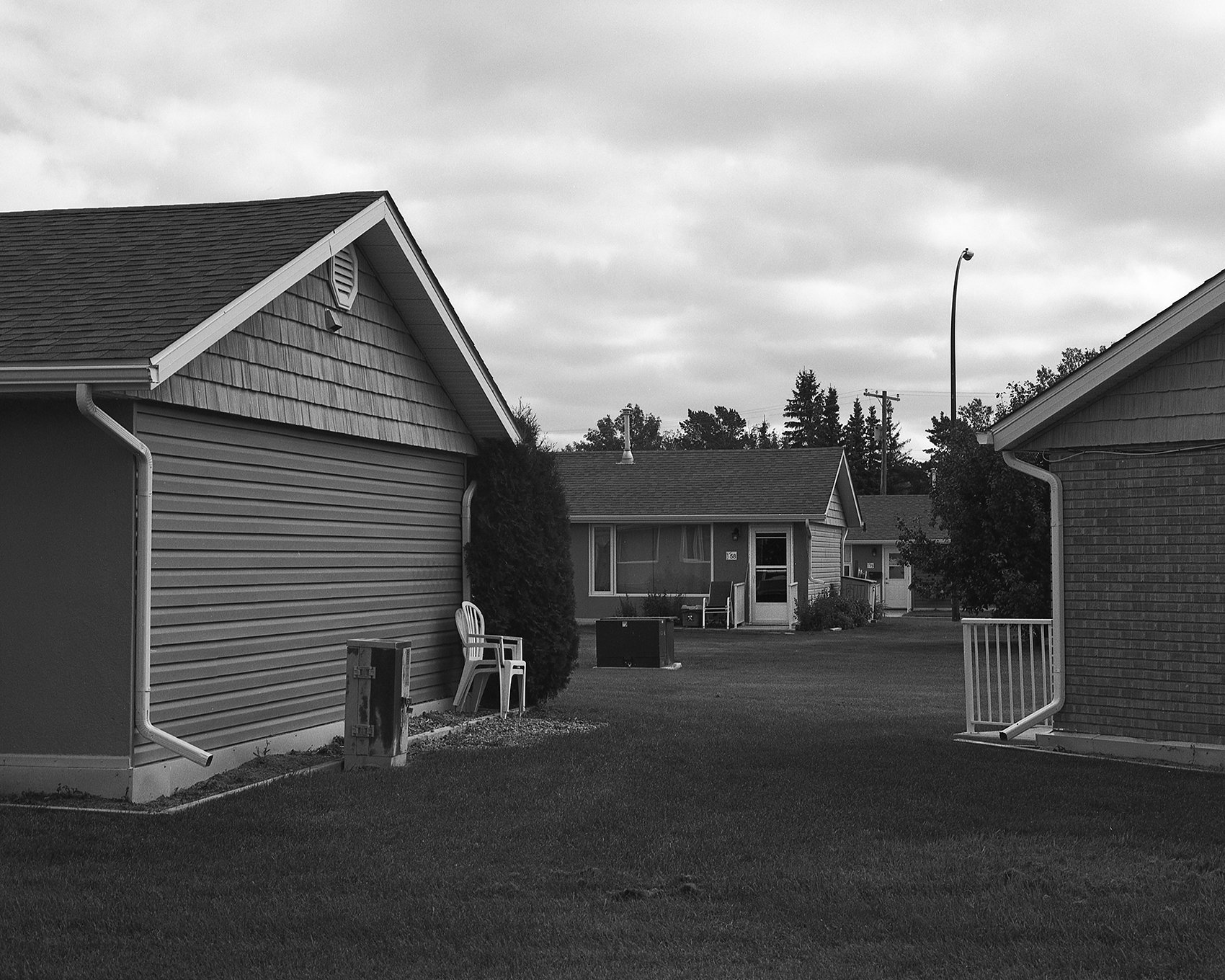
Swift Current, Saskatchewan
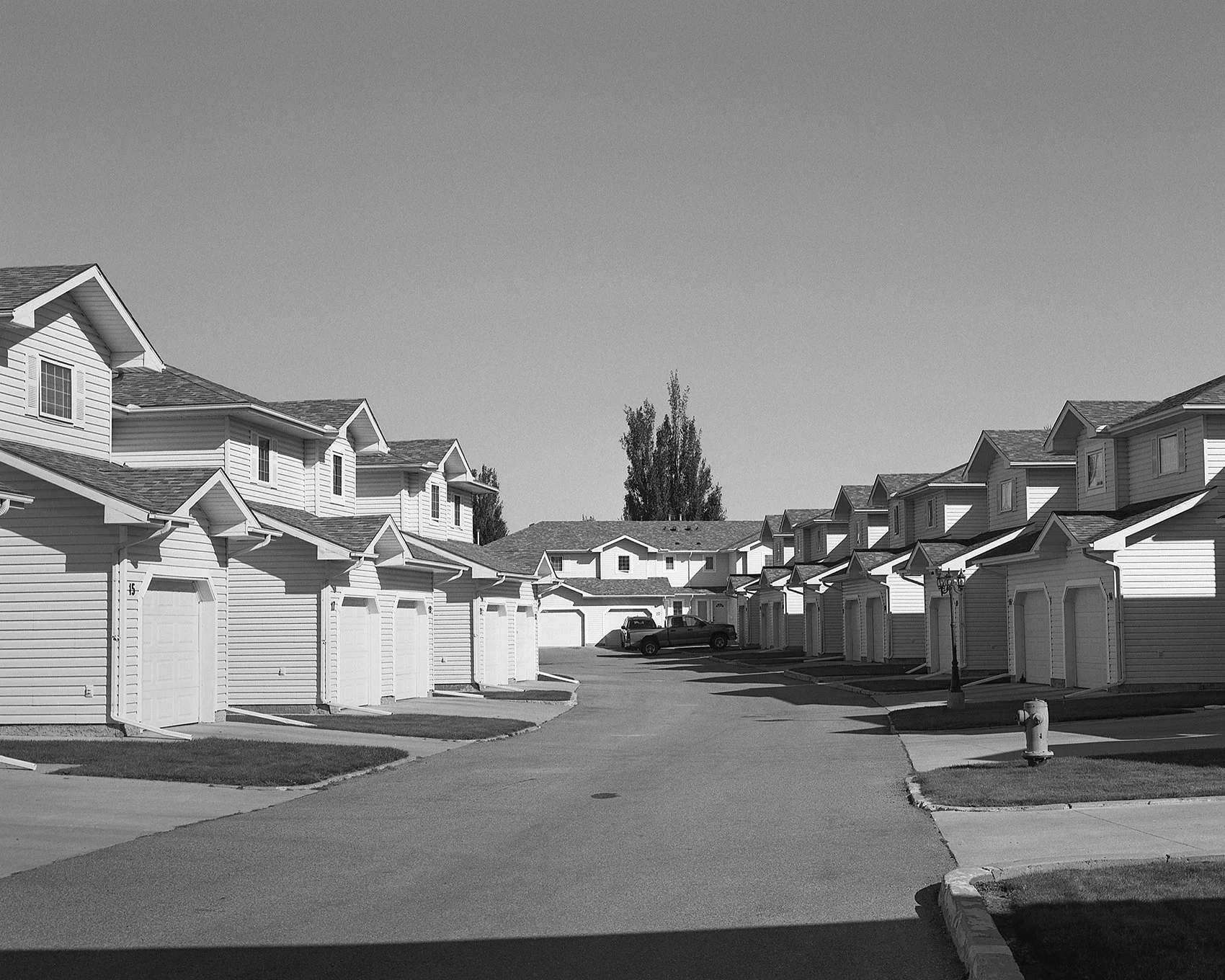
Prince Albert, Saskatchewan

Saskatoon, Saskatchewan
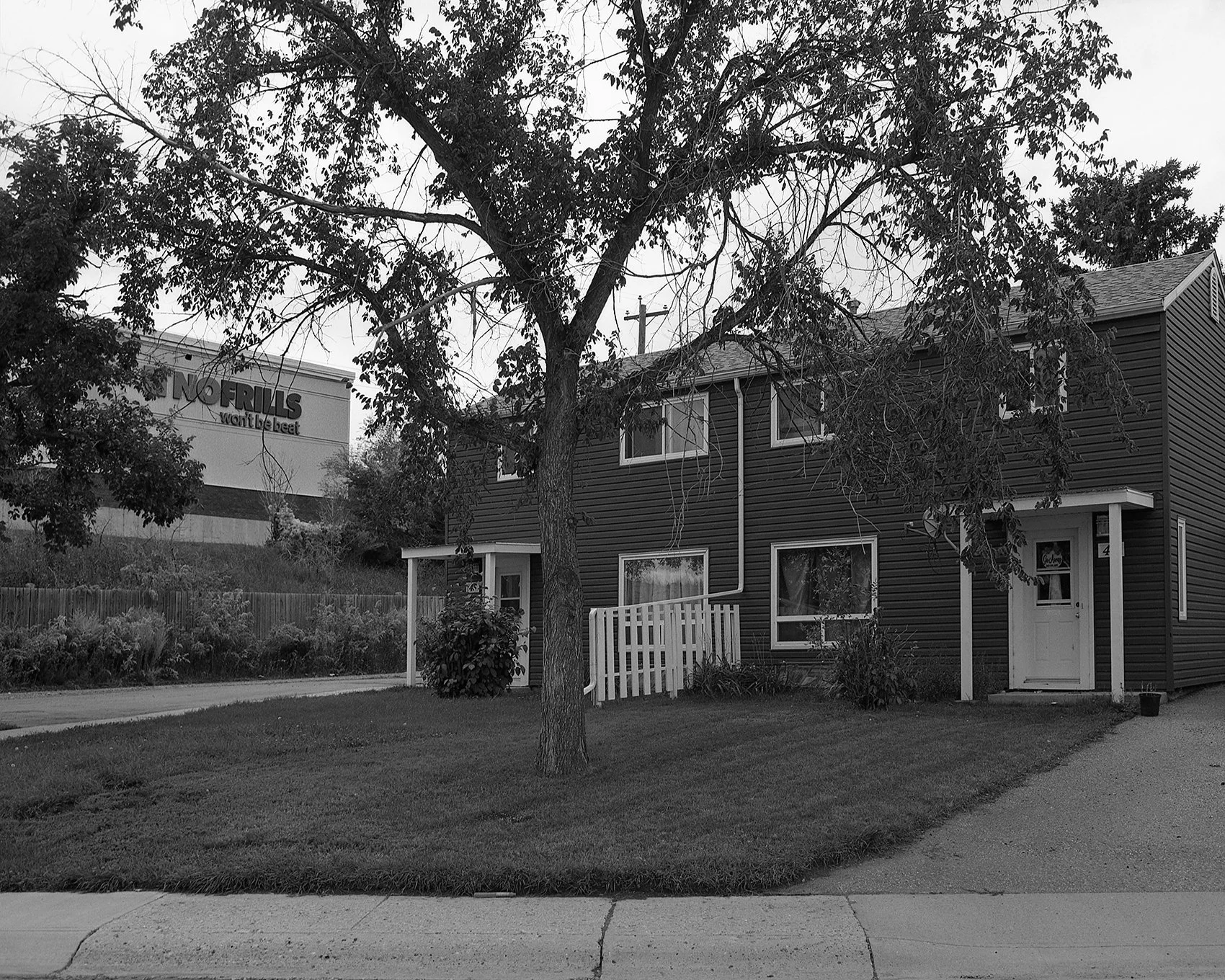
Drumheller, Alberta
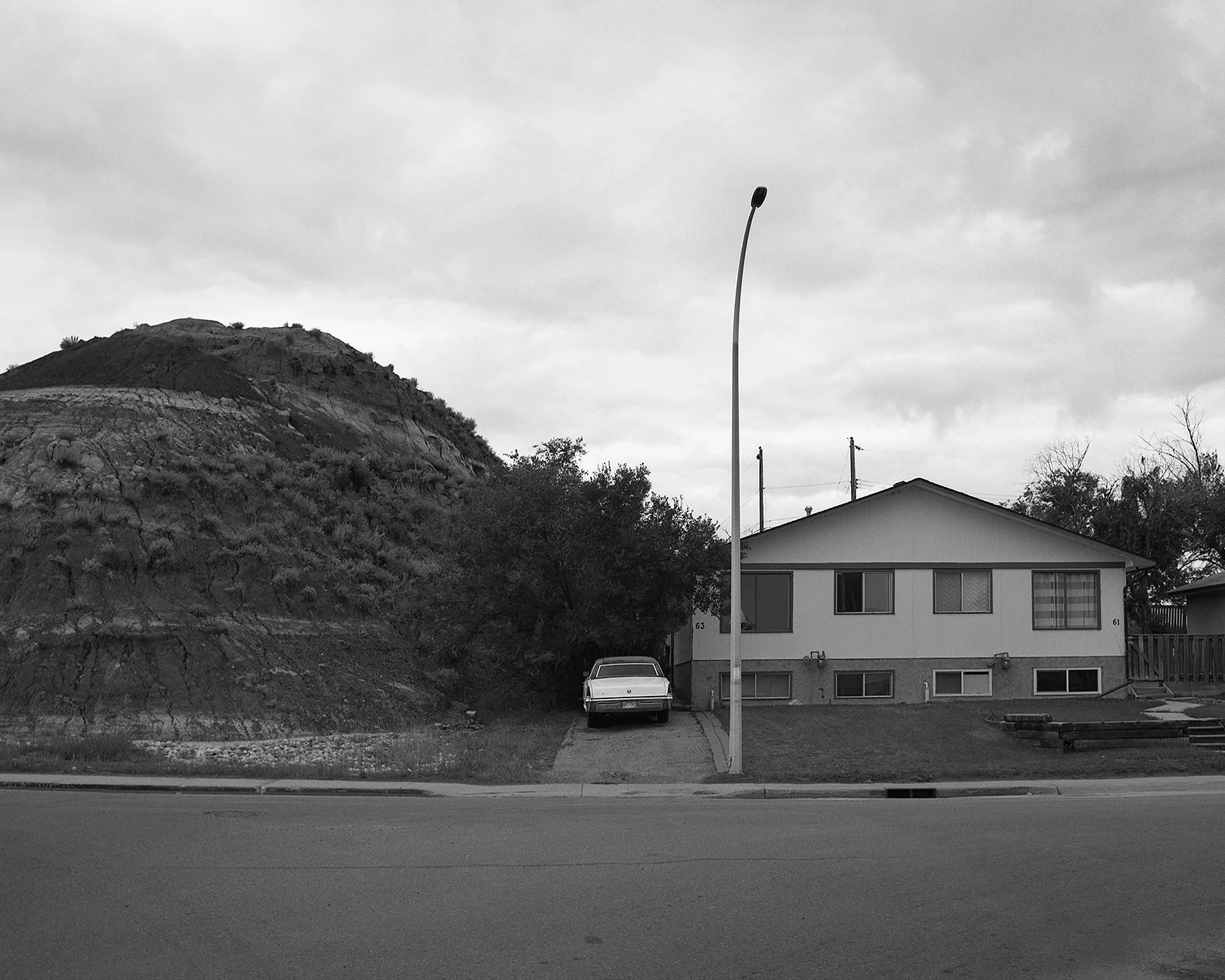
Drumheller, Alberta
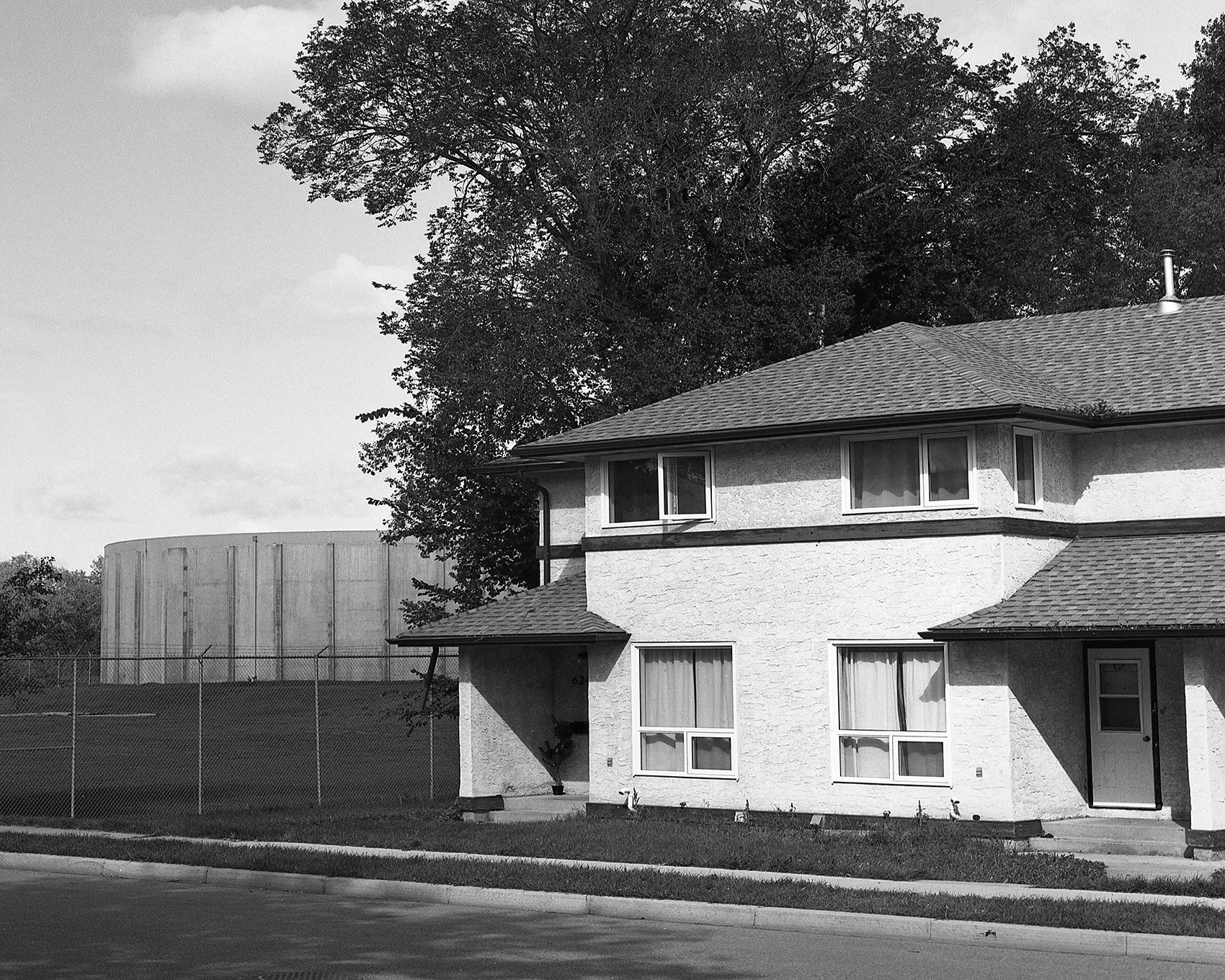
Prince Albert, Saskatchewan
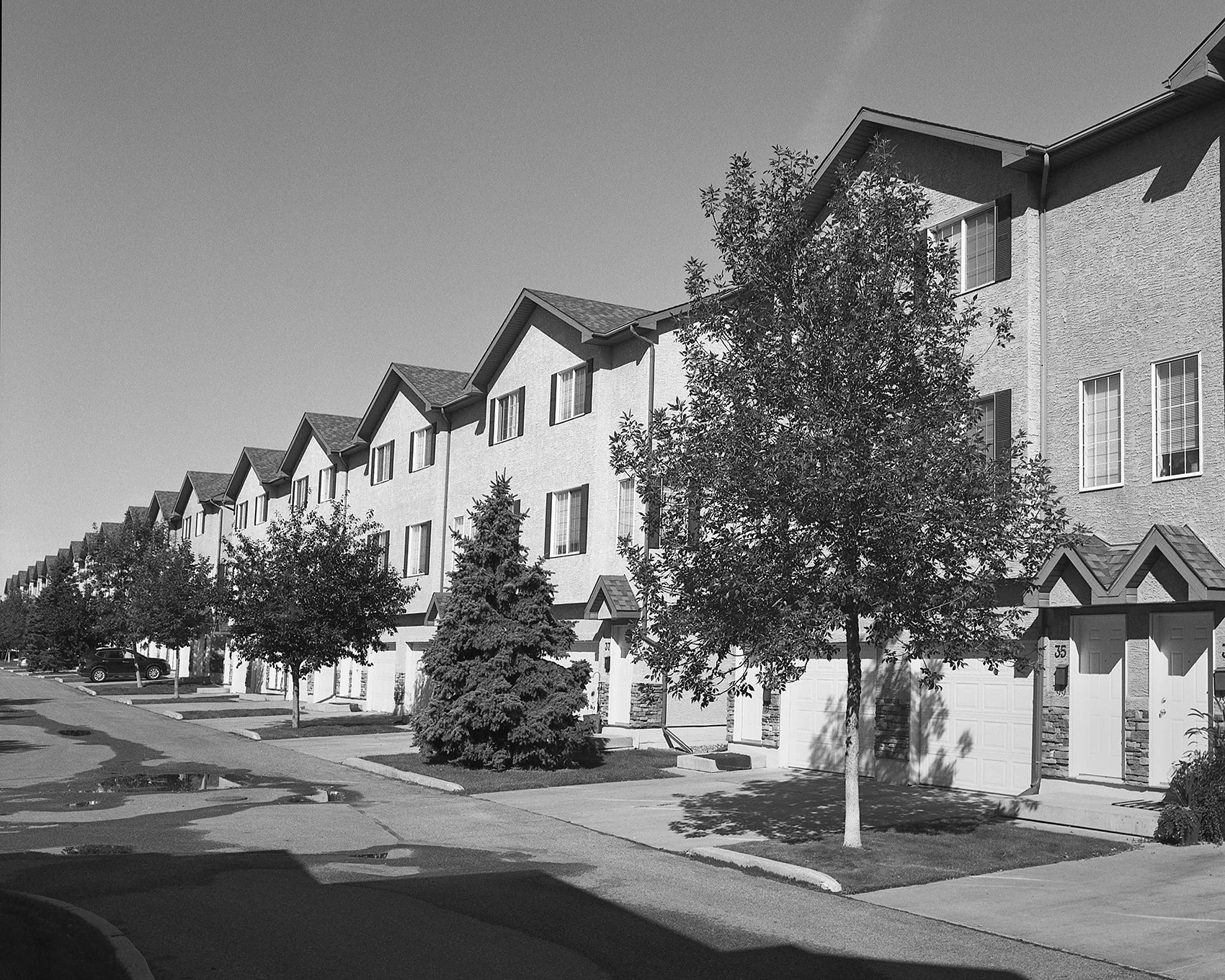
Saskatoon, Saskatchewan
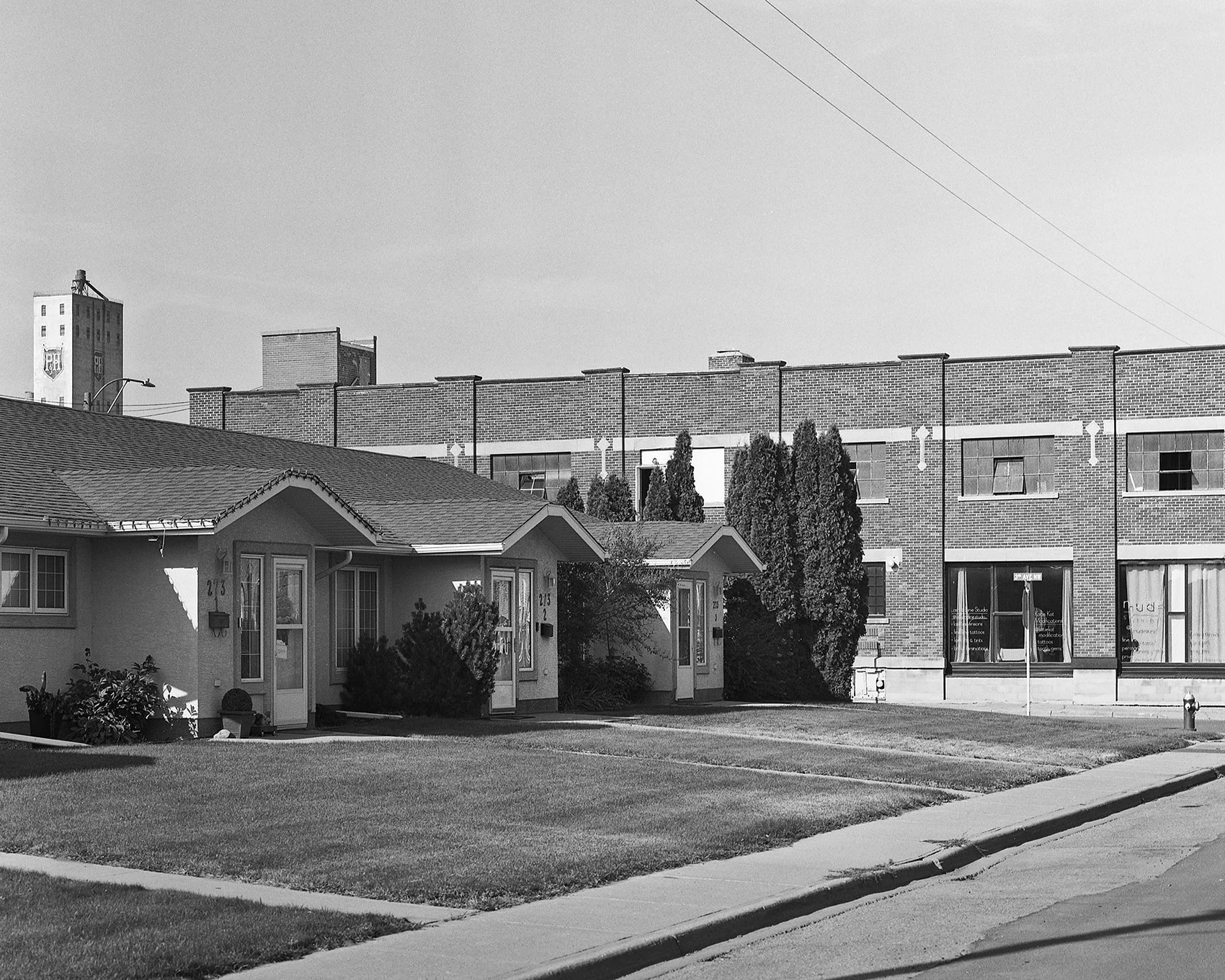
Moose Jaw, Saskatchewan
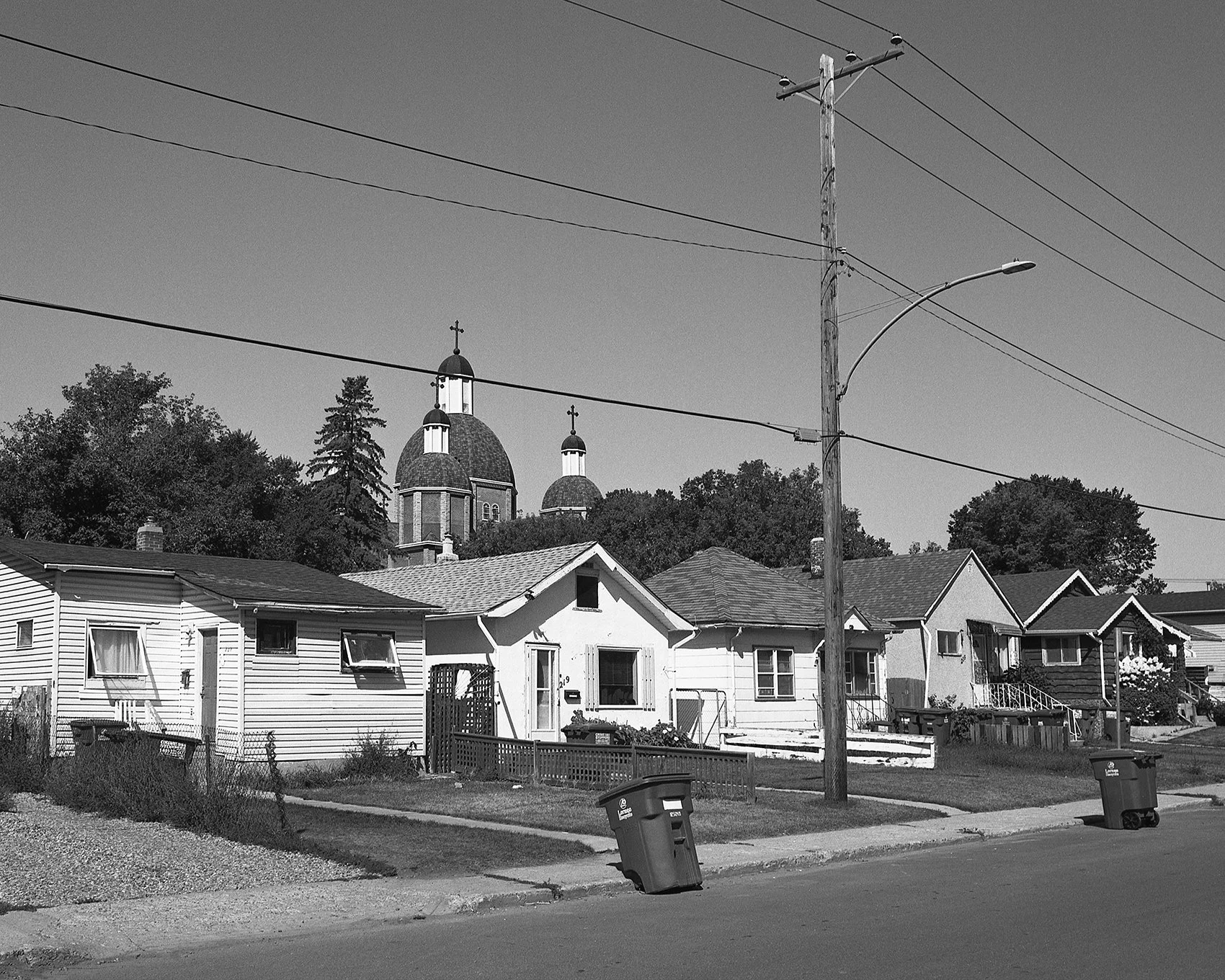
Saskatoon, Saskatchewan

Saskatoon, Saskatchewan
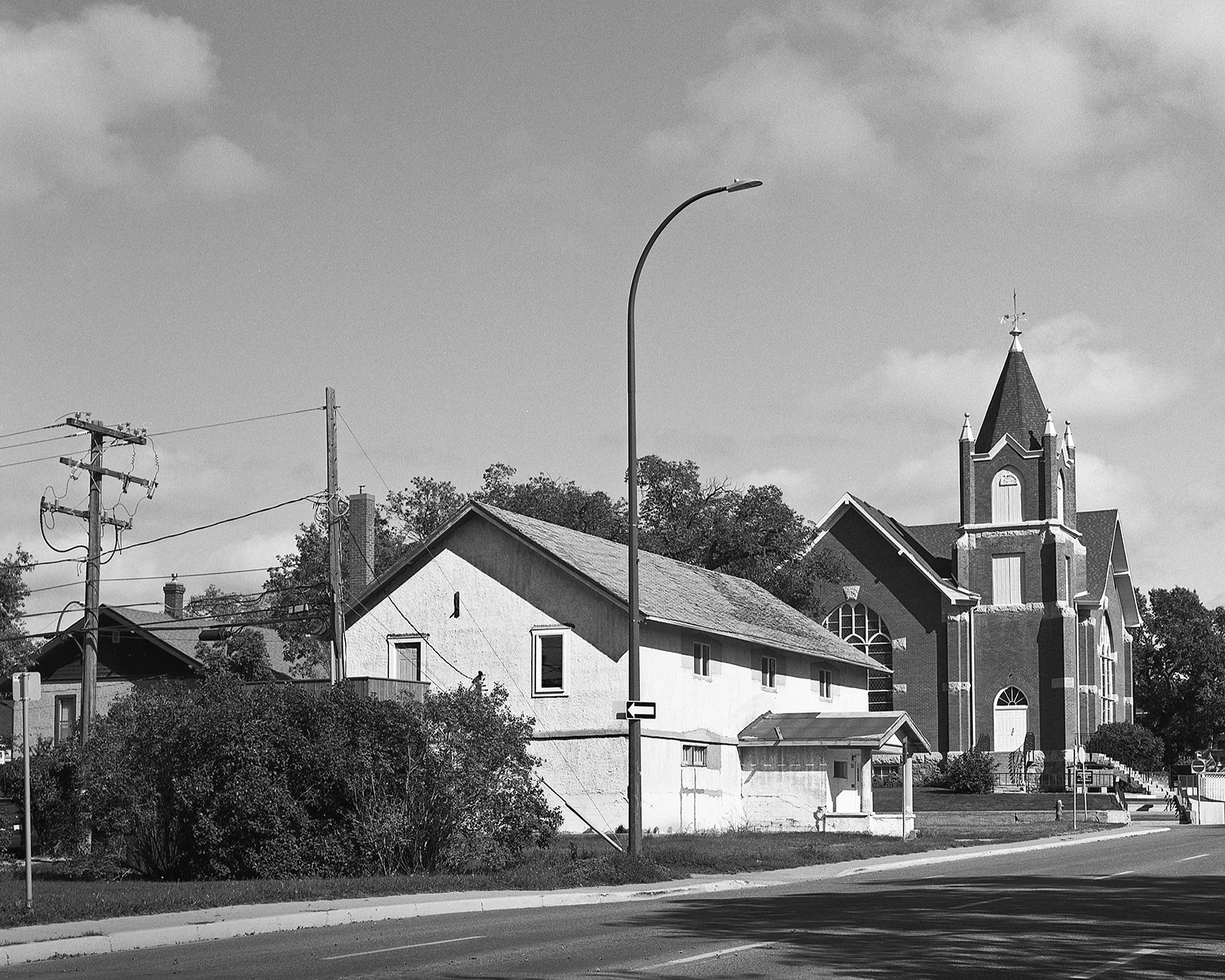
Swift Current, Saskatchewan
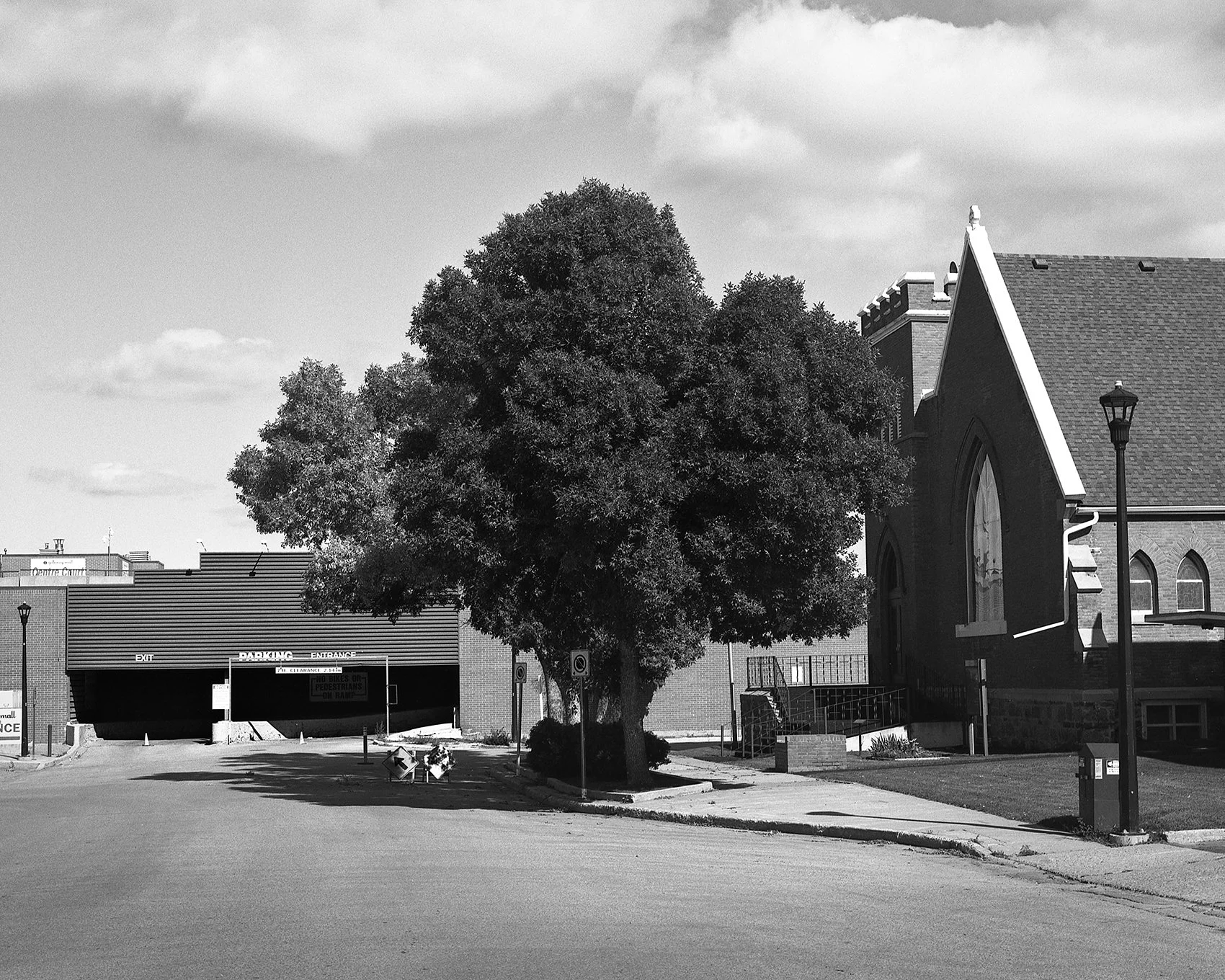
Prince Albert, Saskatchewan
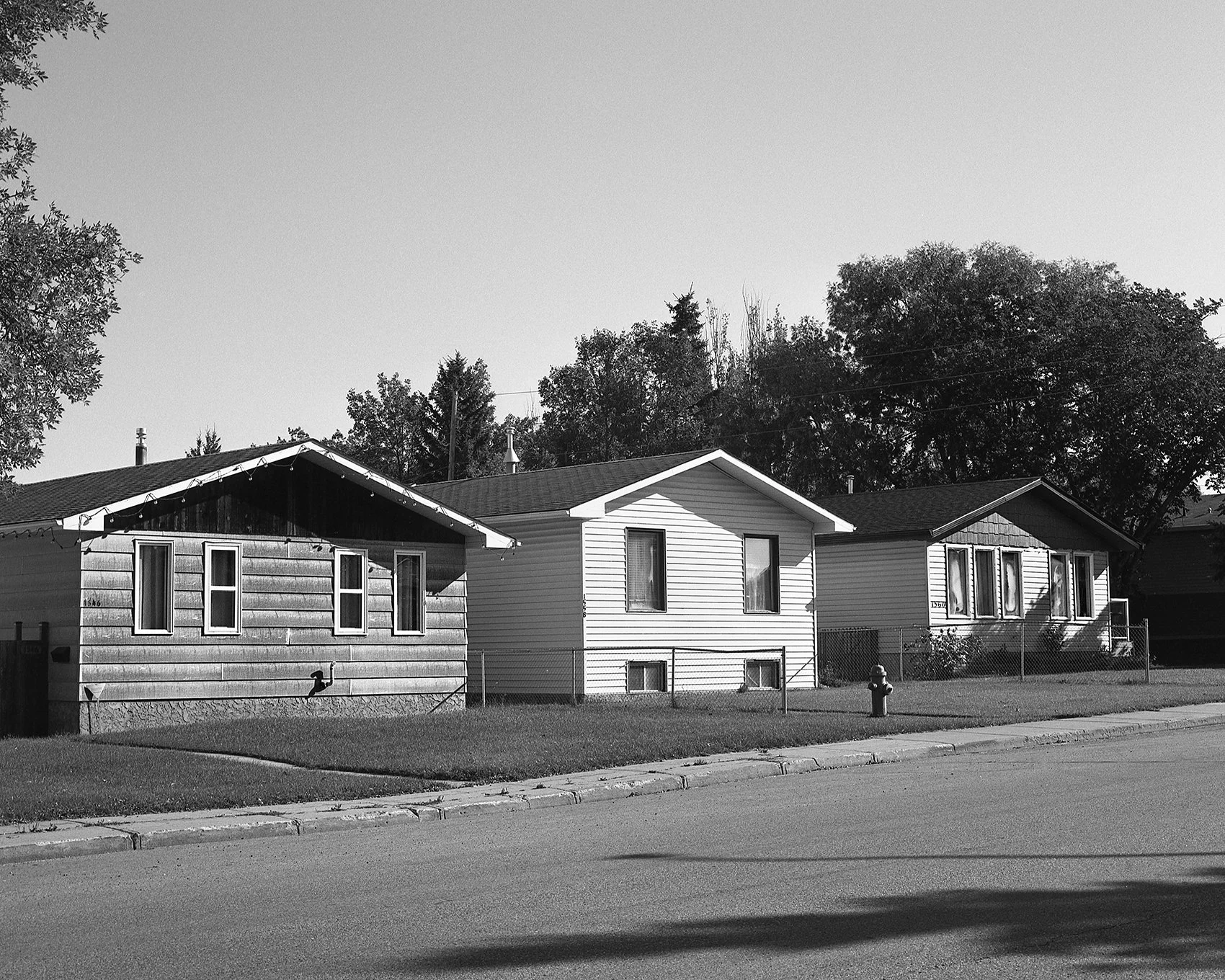
Prince Albert, Saskatchewan
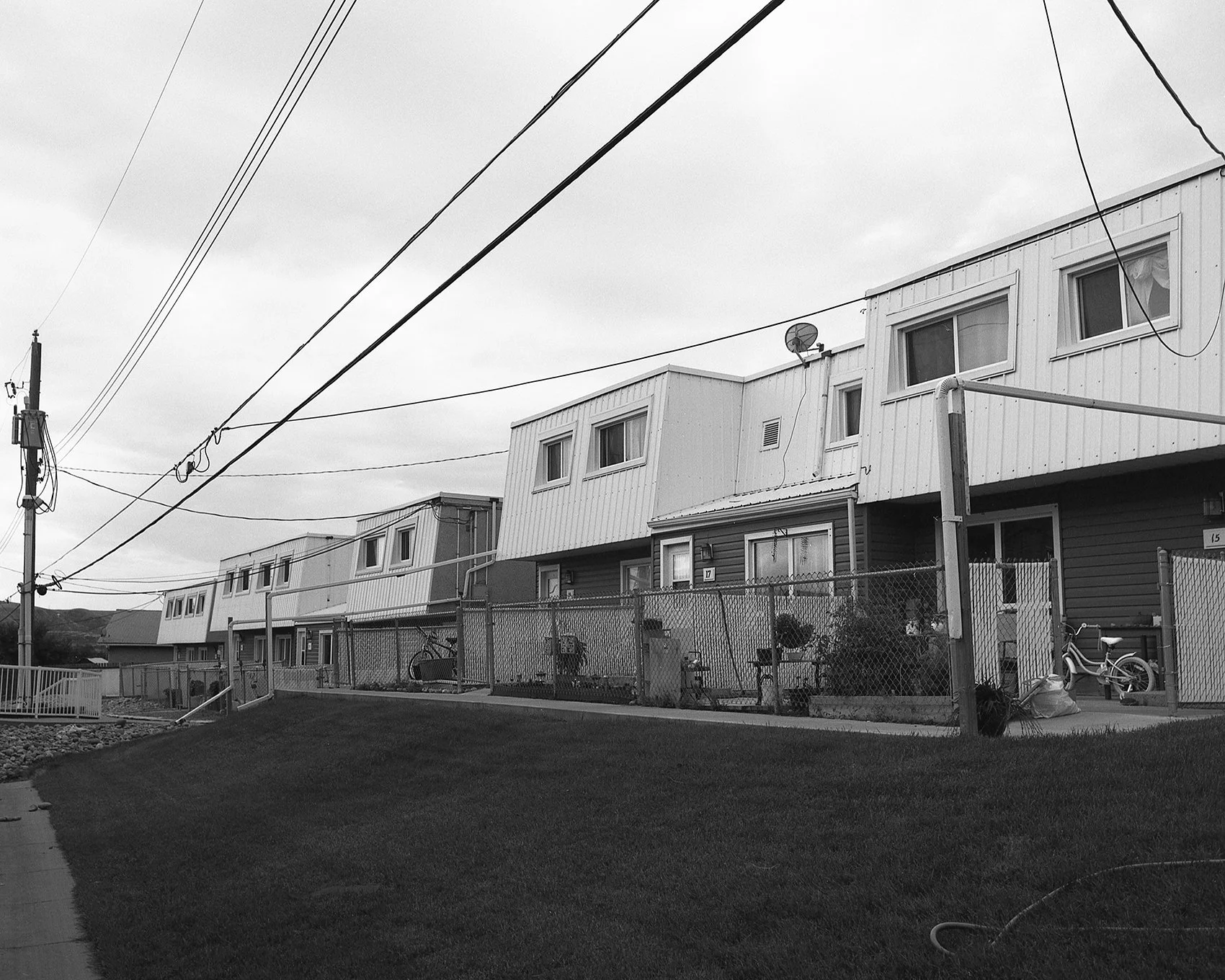
Drumheller, Alberta
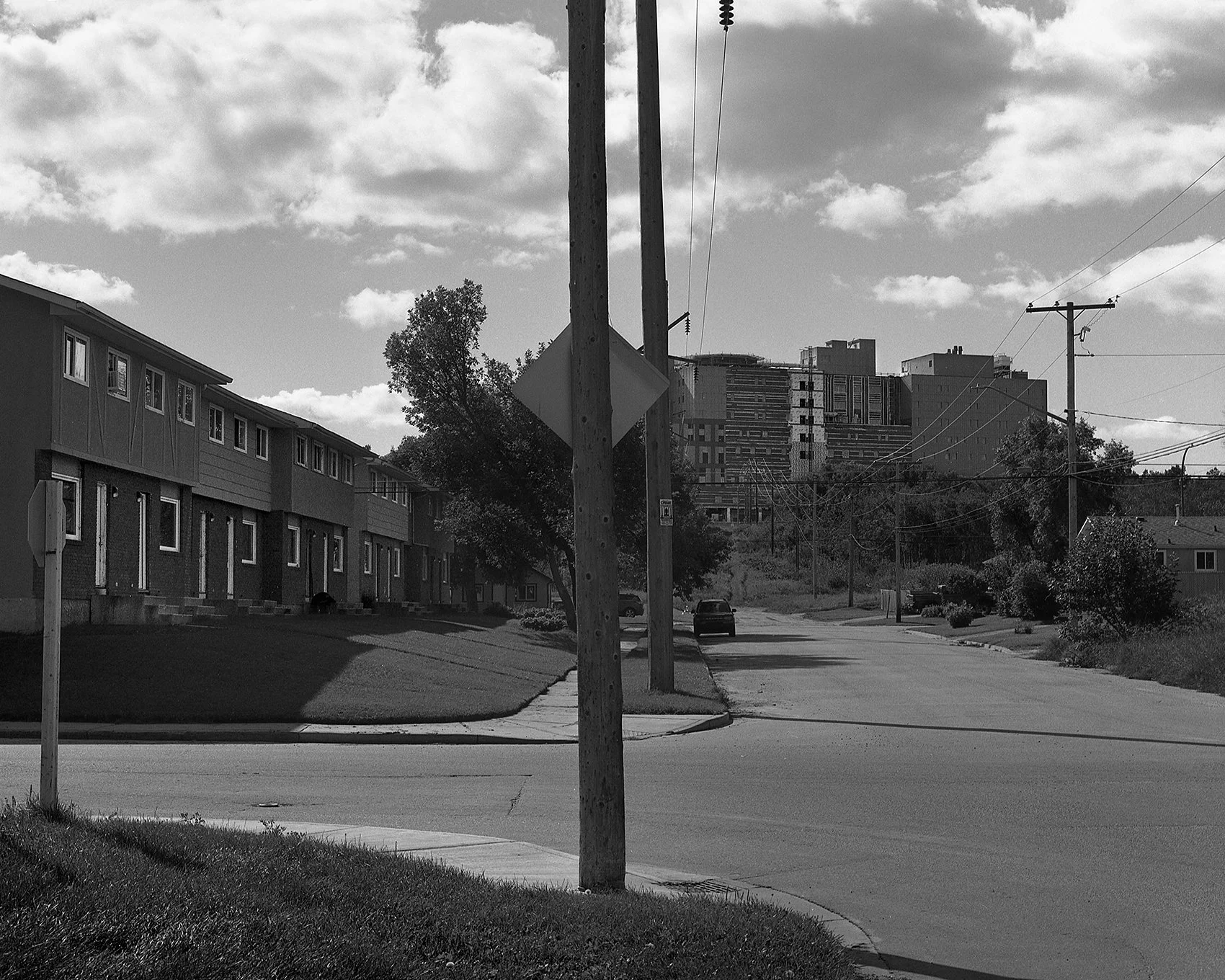
Prince Albert, Saskatchewan
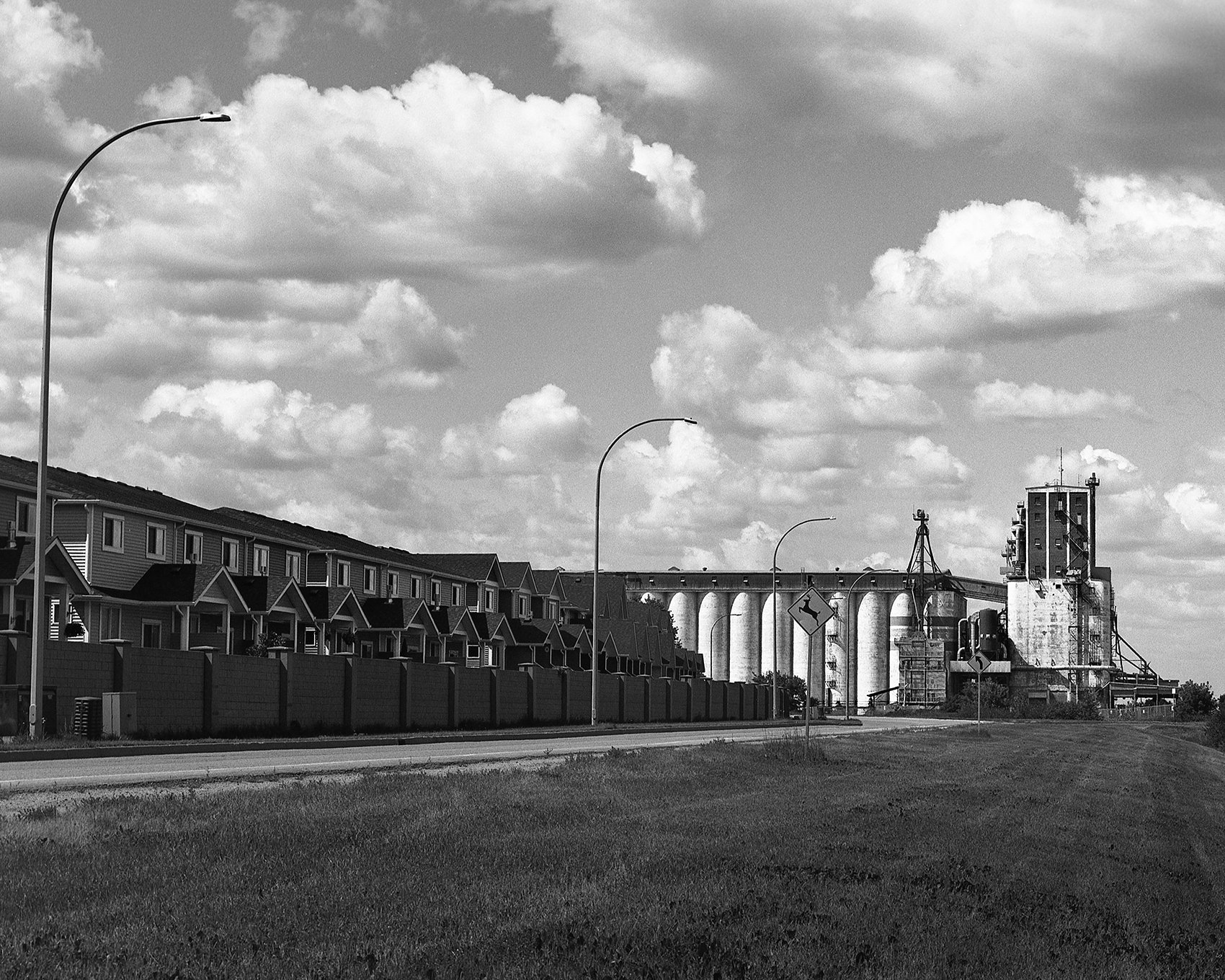
Saskatoon, Saskatchewan
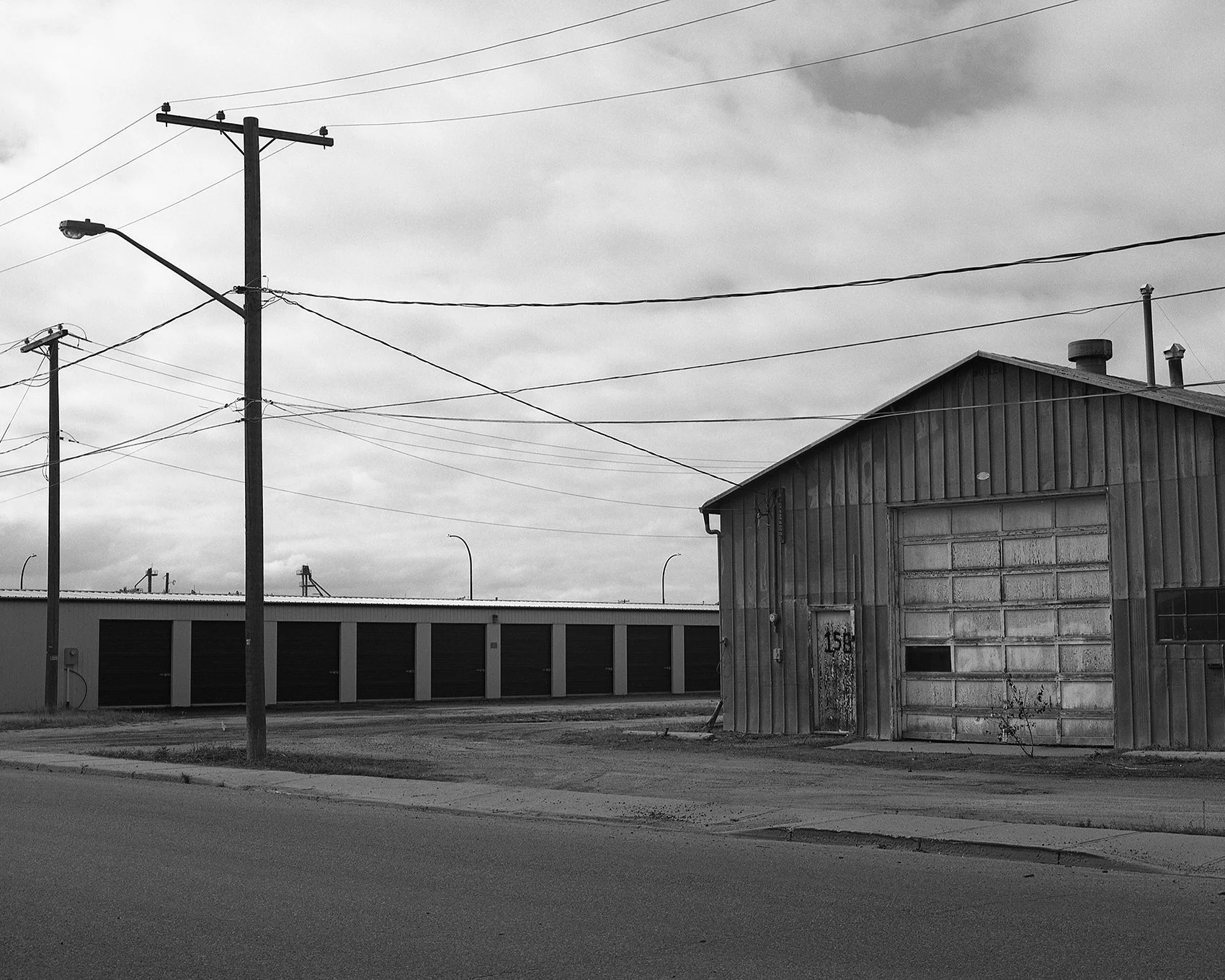
Swift Current, Saskatchewan
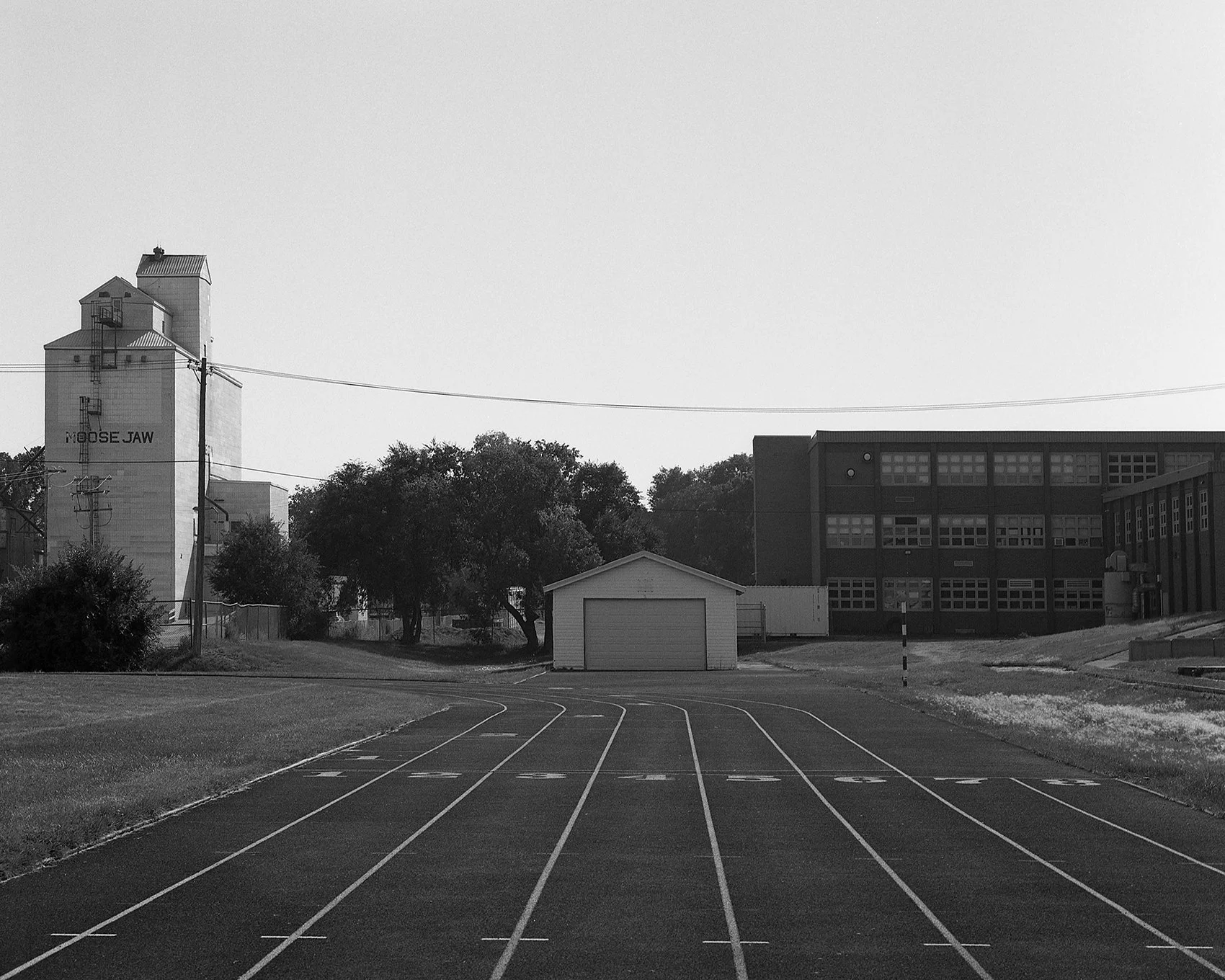
Moose Jaw, Saskatchewan
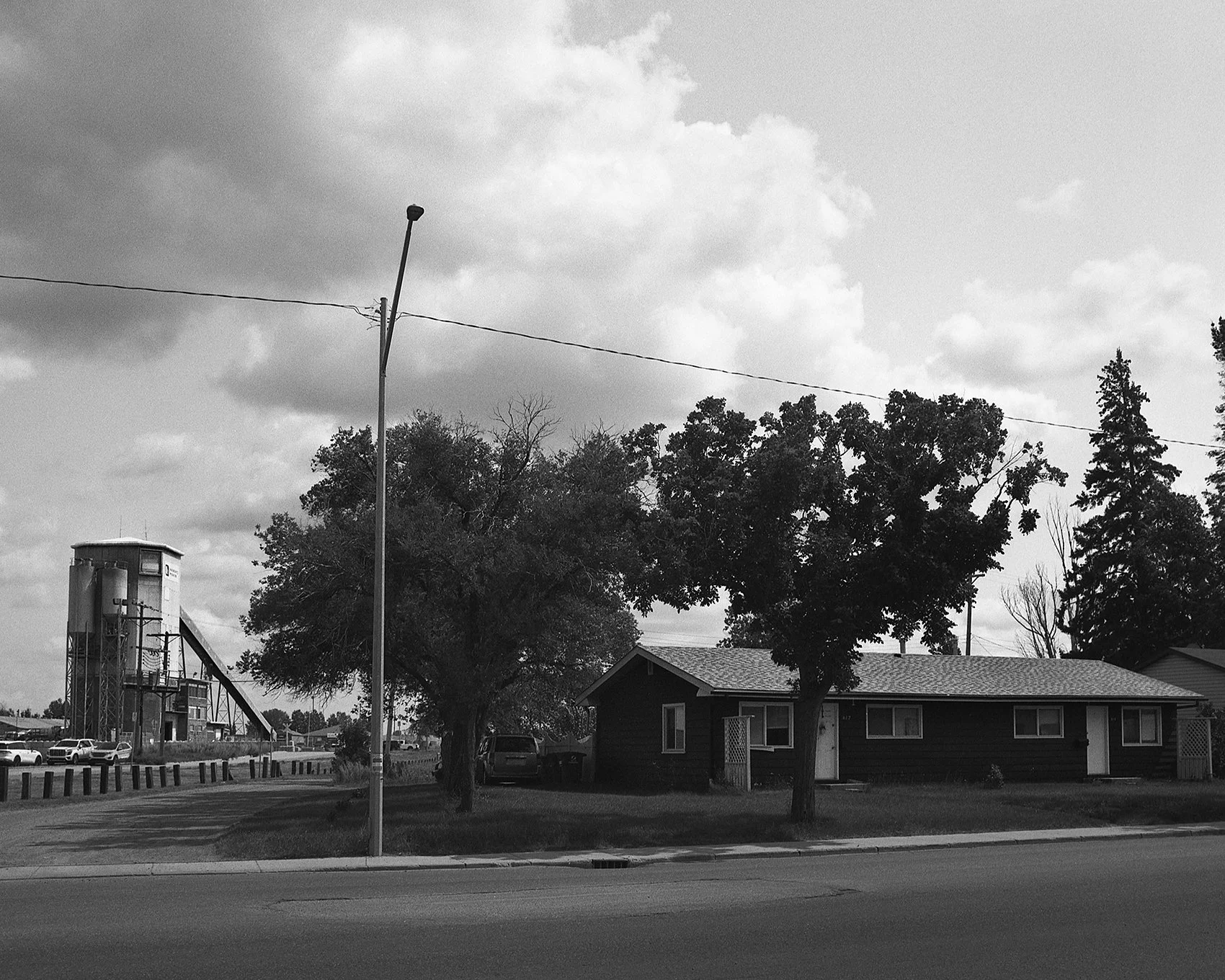
Saskatoon, Saskatchewan
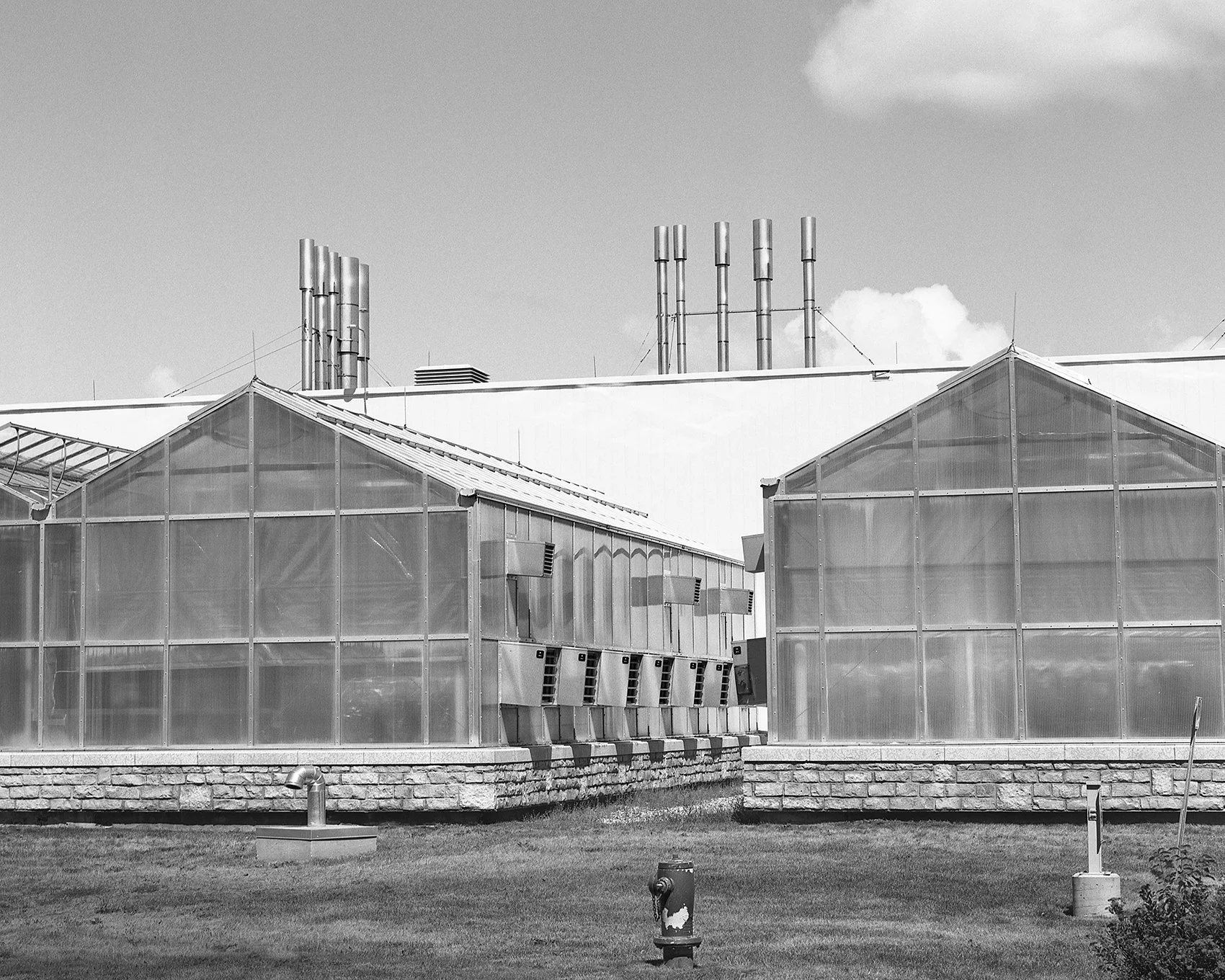
Saskatoon, Saskatchewan