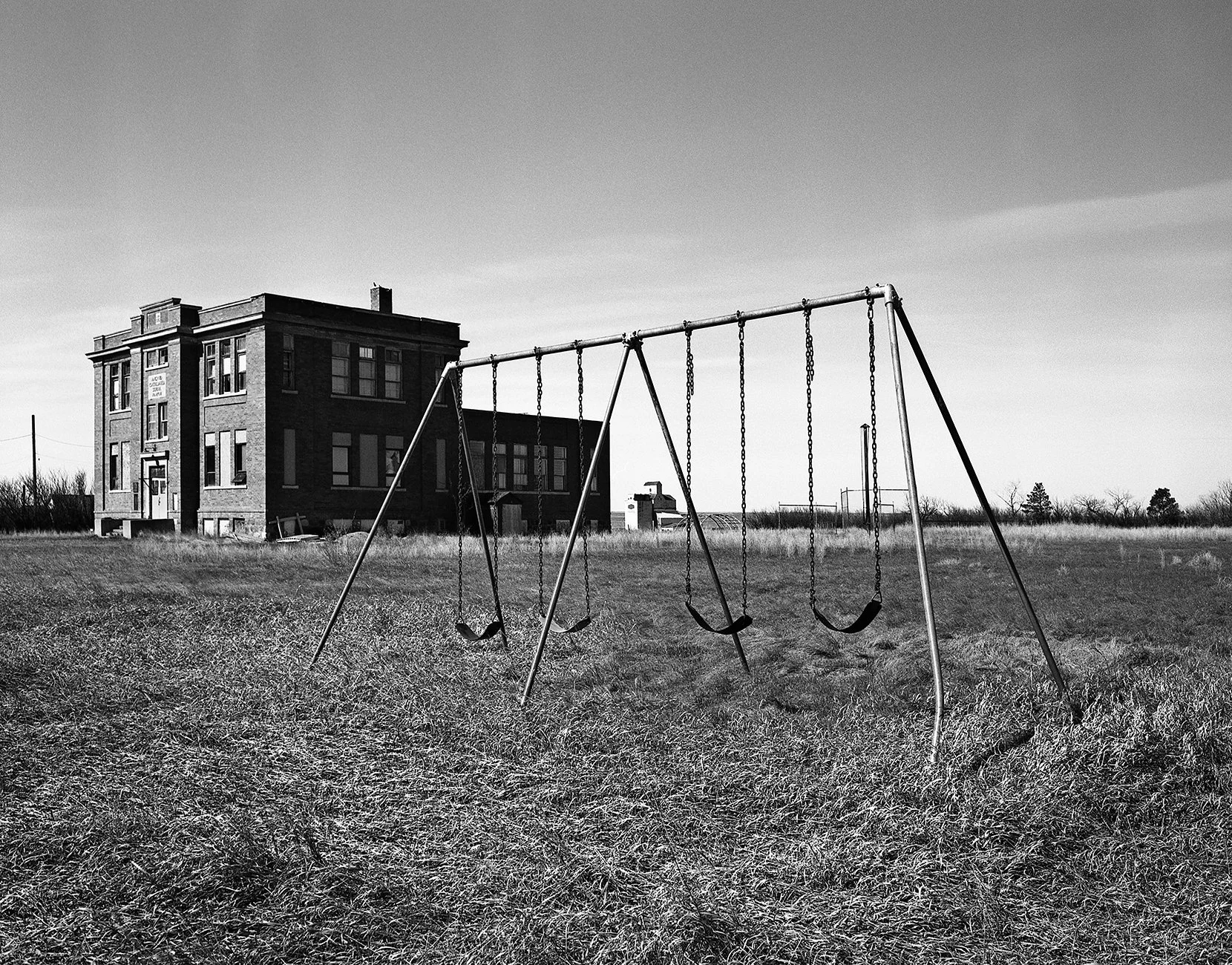
PRAIRIES
Unresolved Ground
Across the prairie, evidence of human presence often remains long after its purpose has disappeared. Buildings stand without occupants, infrastructure persists beyond use, and traces of intention continue to shape environments no longer organized around them.
This series moves through ghost towns, industrial remnants, abandoned spaces, sand hills, and open terrain where permanence appears uncertain and systems of occupation have weakened or dissolved. Rather than documenting these locations as historical subjects, the photographs approach them as environments where absence and presence coexist, where what remains visible no longer fully explains itself.
Working with the landscape as one might approach a portrait, the images linger within moments of ambiguity, allowing familiarity, estrangement, memory, and speculation to surface simultaneously. The work is less concerned with what these places were than with how they continue to exist after their original purposes have receded.
The prairie holds a unique capacity to expose what remains unresolved. Its openness reveals both the persistence and fragility of human intervention, creating spaces where meaning is continually present yet never fully settled.
TRACES
CHAPTER ONE
Traces gathers environments where human presence remains visible after the conditions that sustained it have changed. Homes, businesses, churches, grain elevators, and forgotten vehicles persist as quiet witnesses to lives once organized around them. Approached with the attentiveness of portraiture, the photographs linger within these places as though observing the full span of their existence, allowing memory, familiarity, and narrative to emerge without resolution.
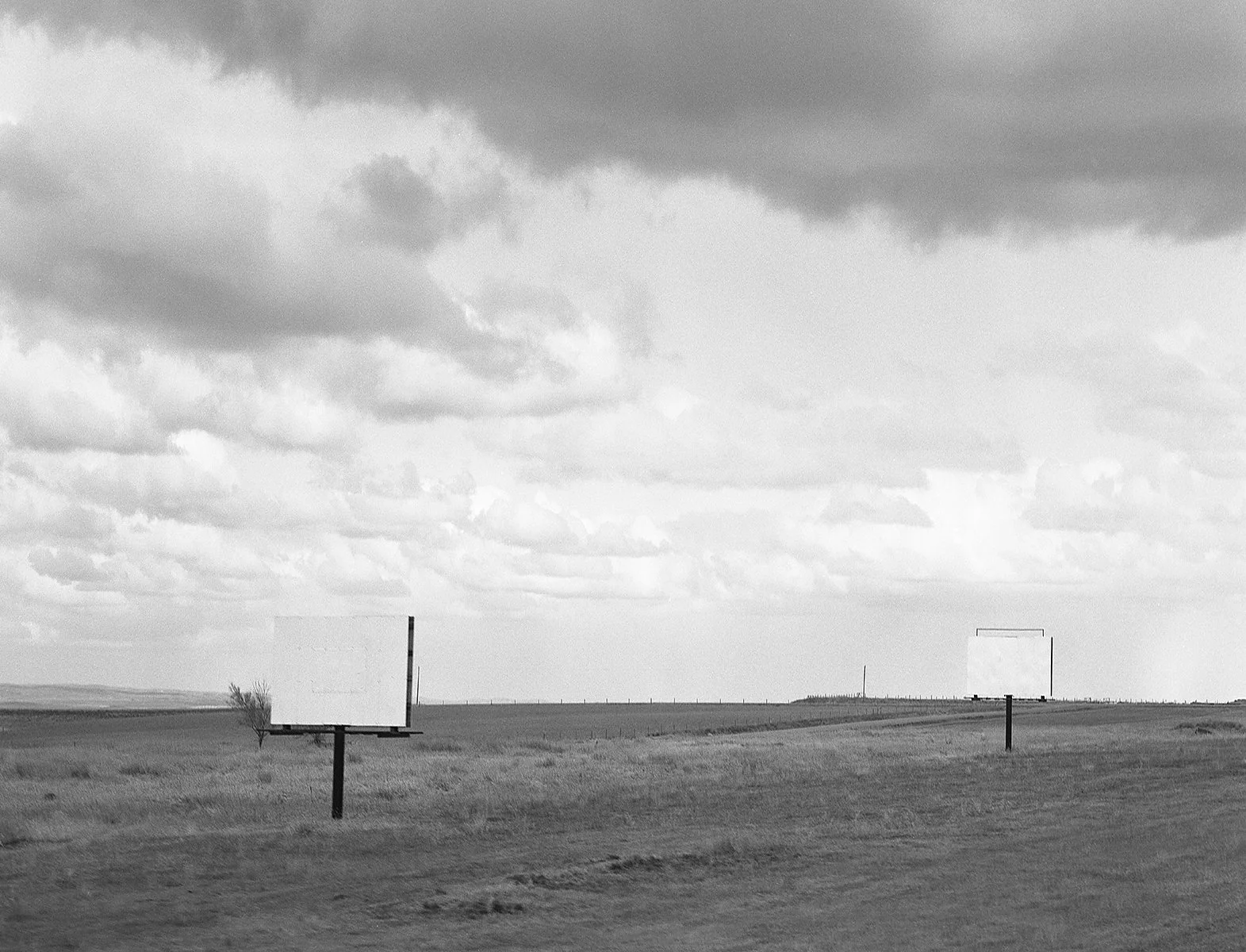
Highway #7 SK
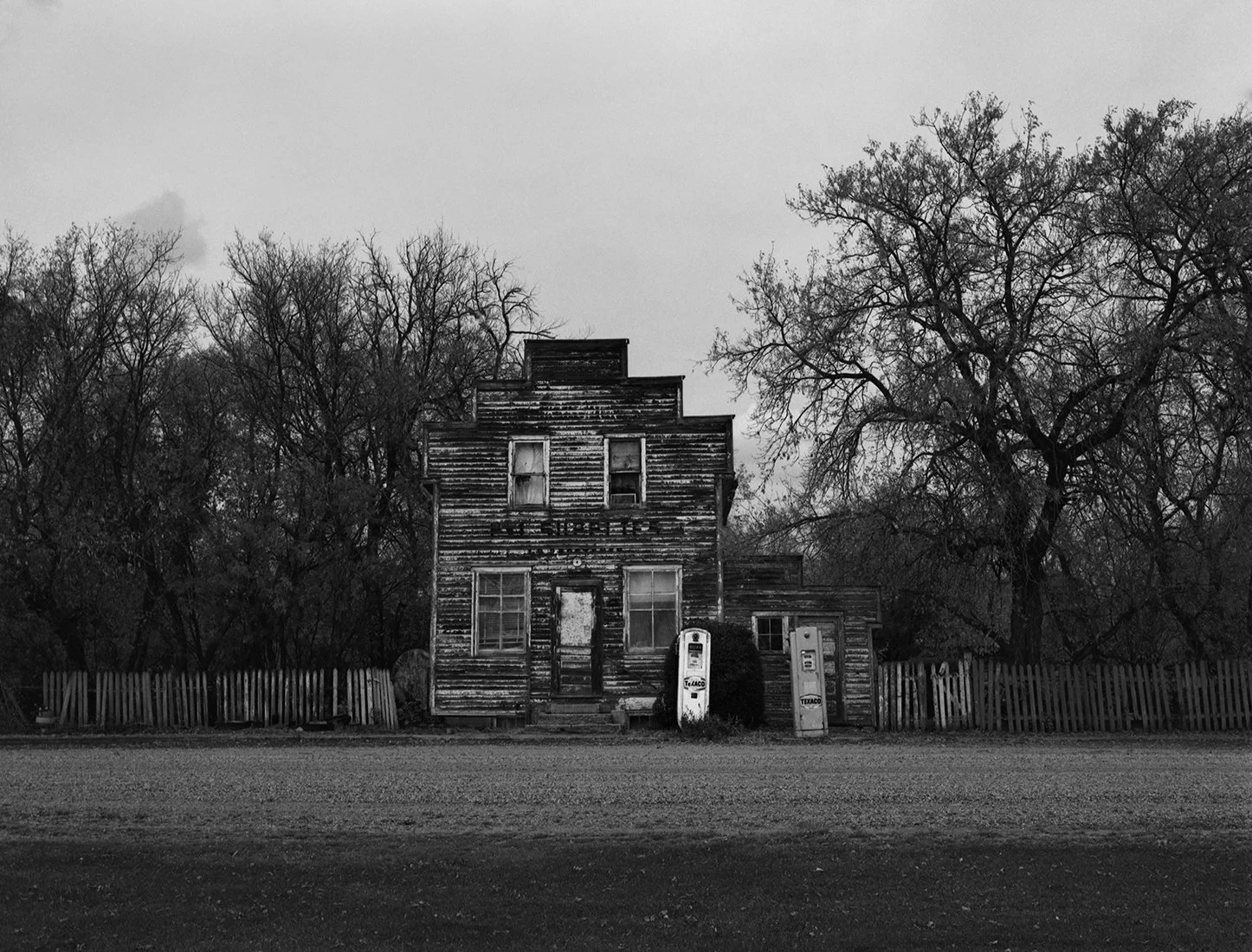
Donwell SK
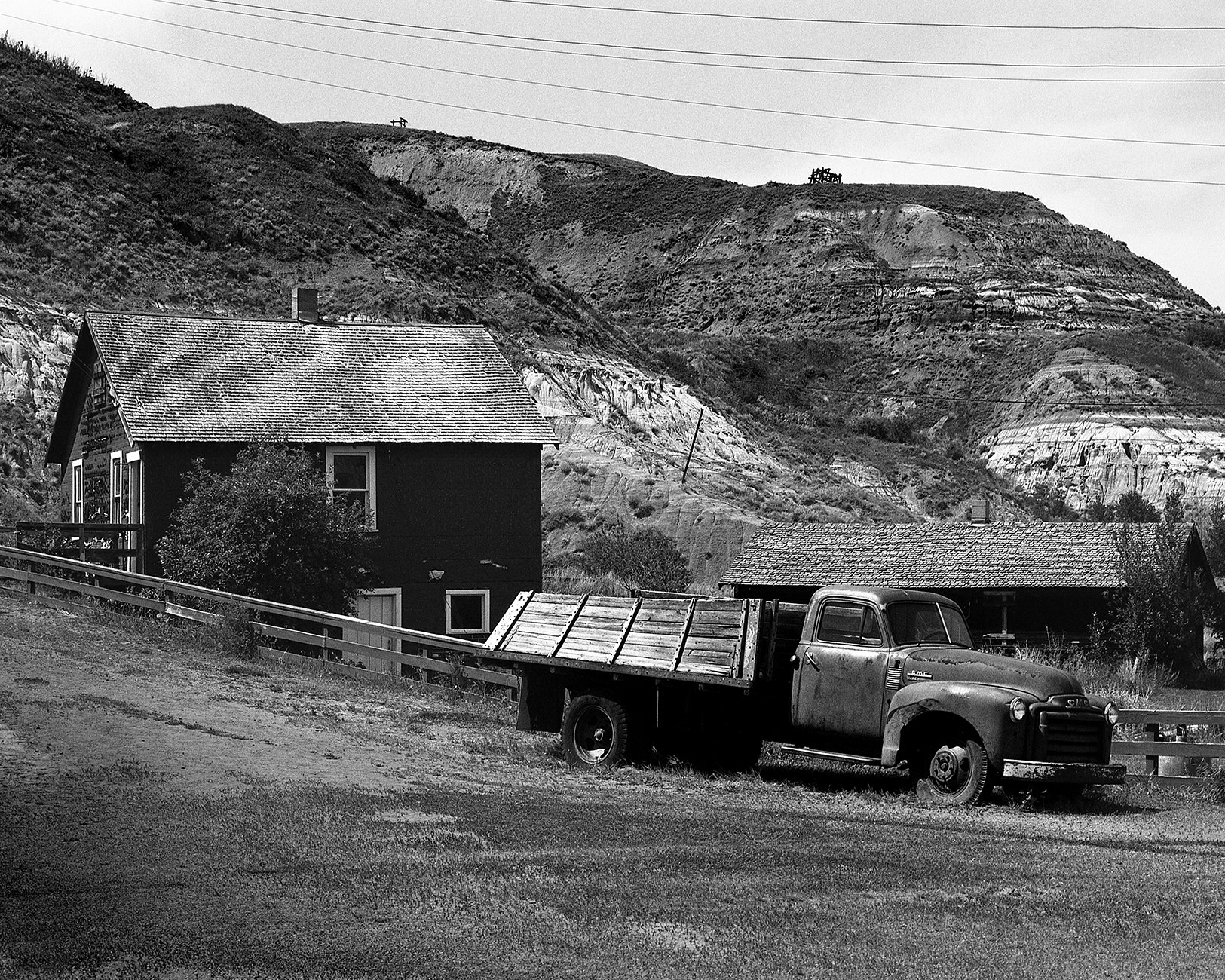
Atlas Coal Mine AB
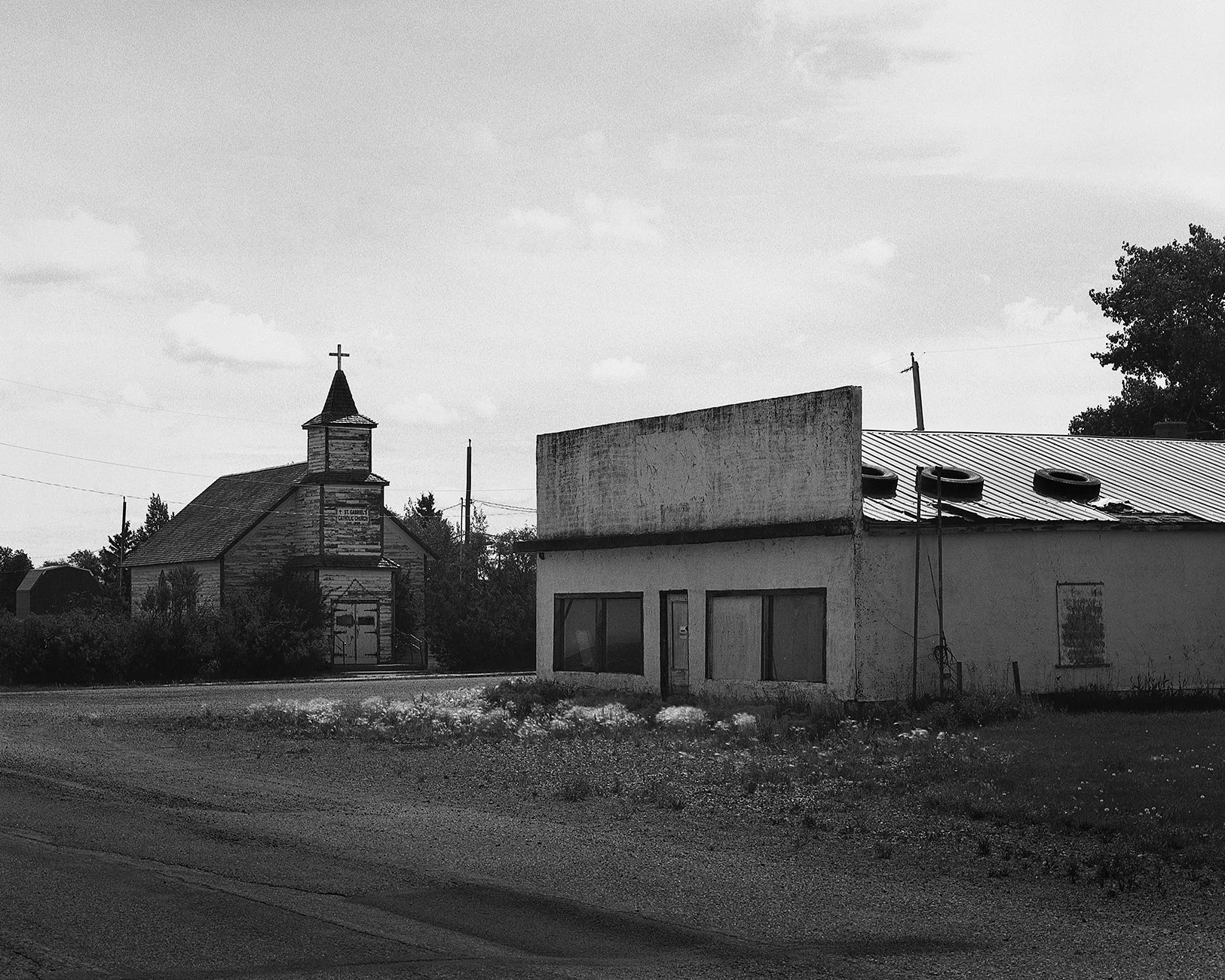
Etzikom SK
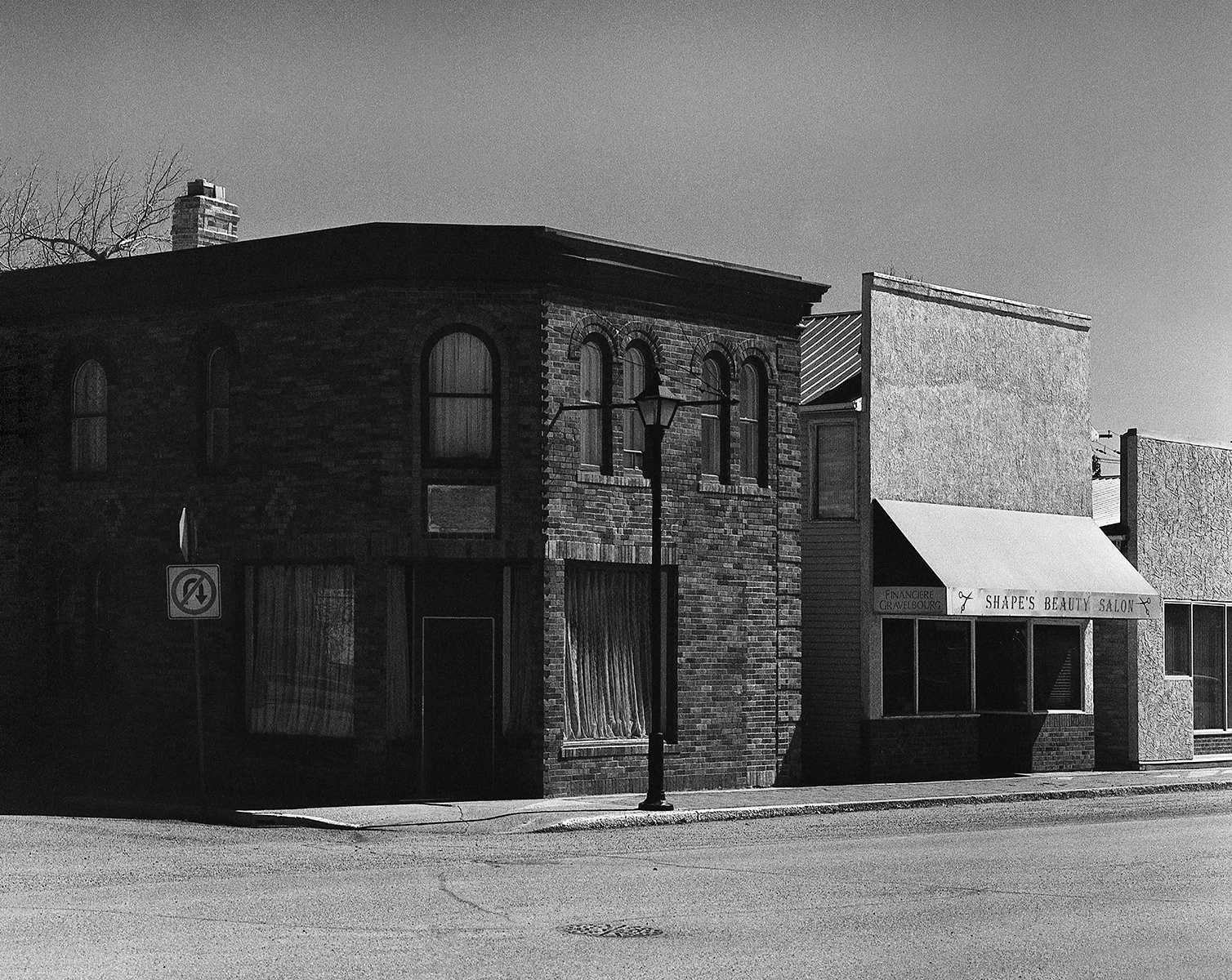
Gravelburg SK
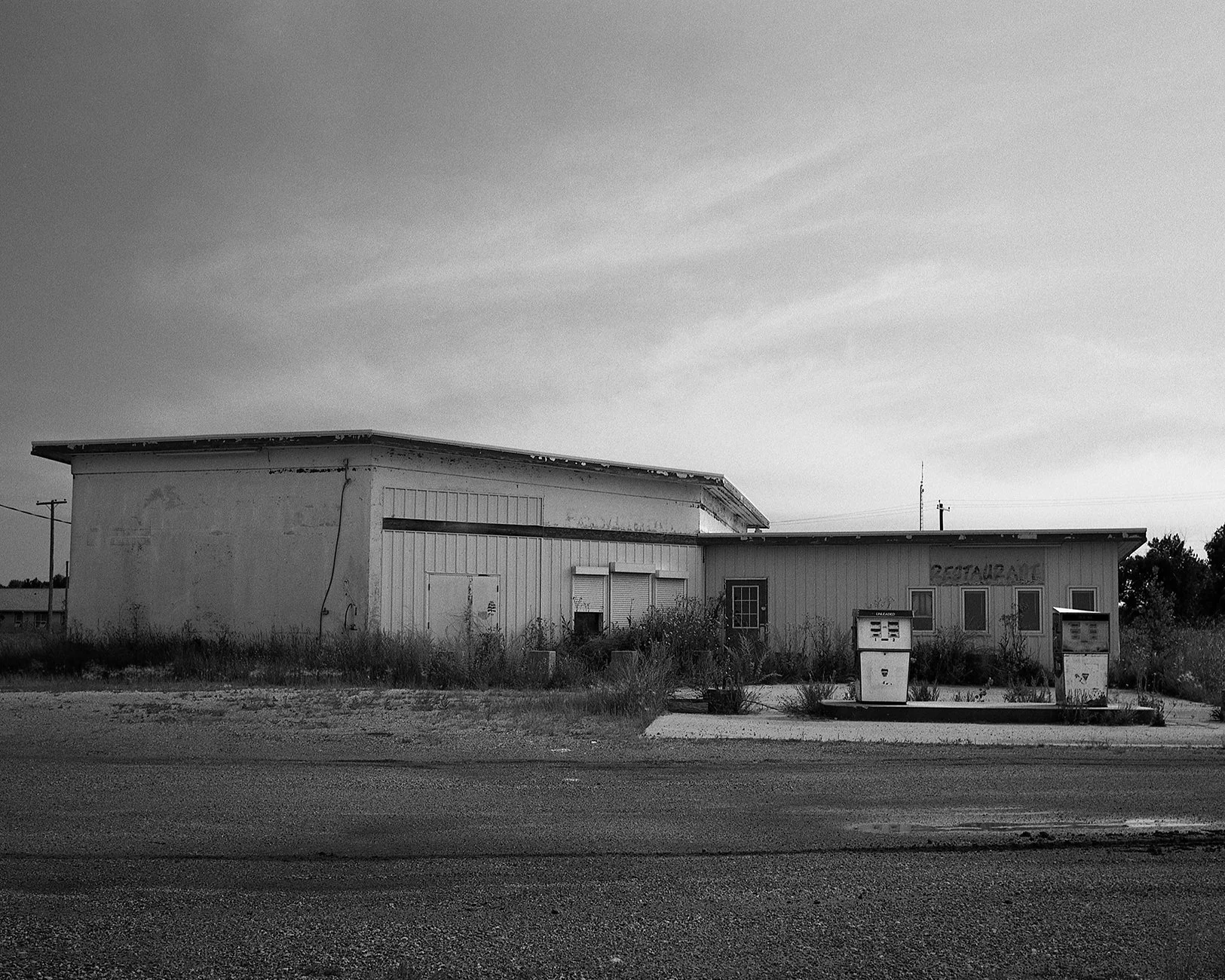
Highway #16 MB
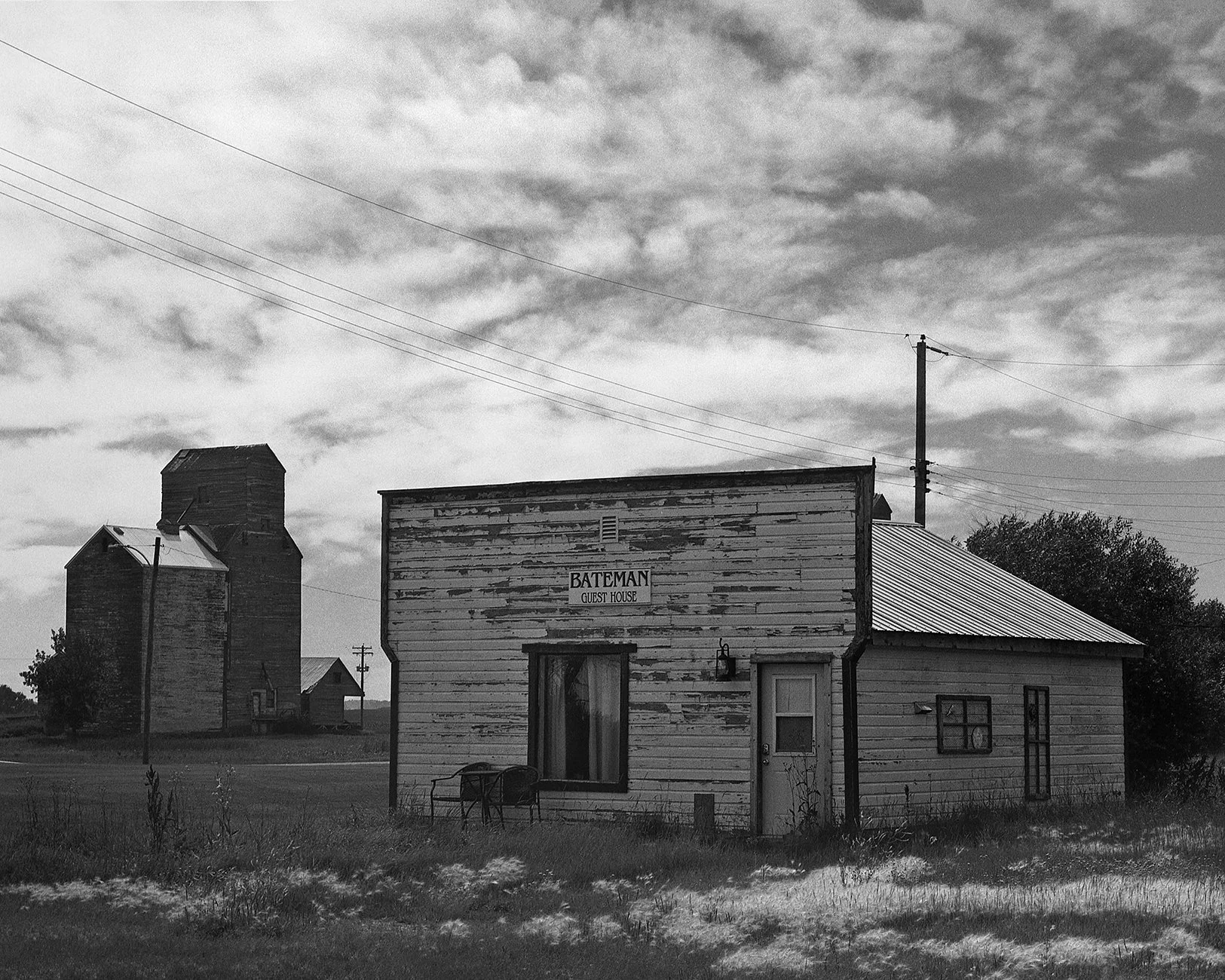
Tilston MB
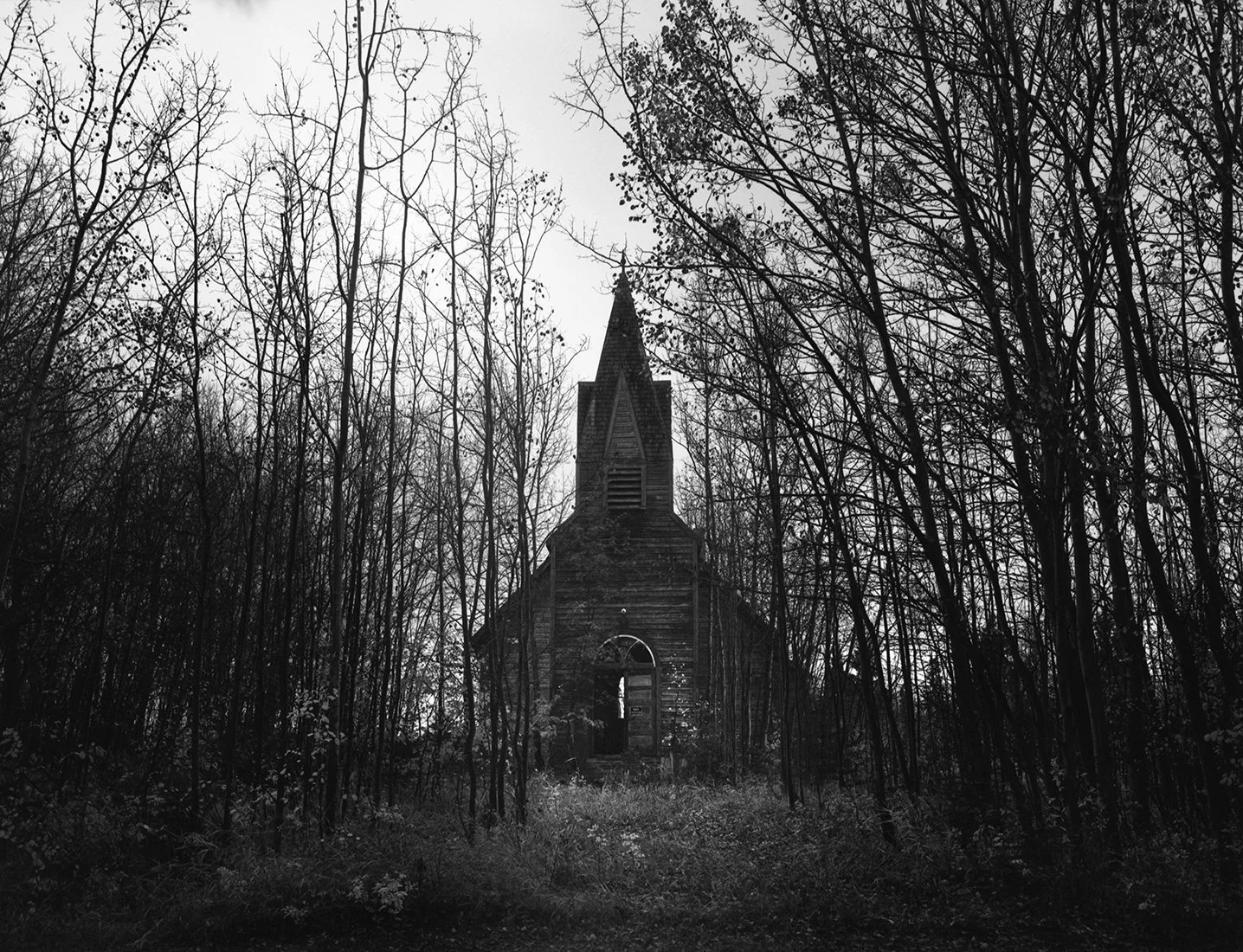
Robinhood SK
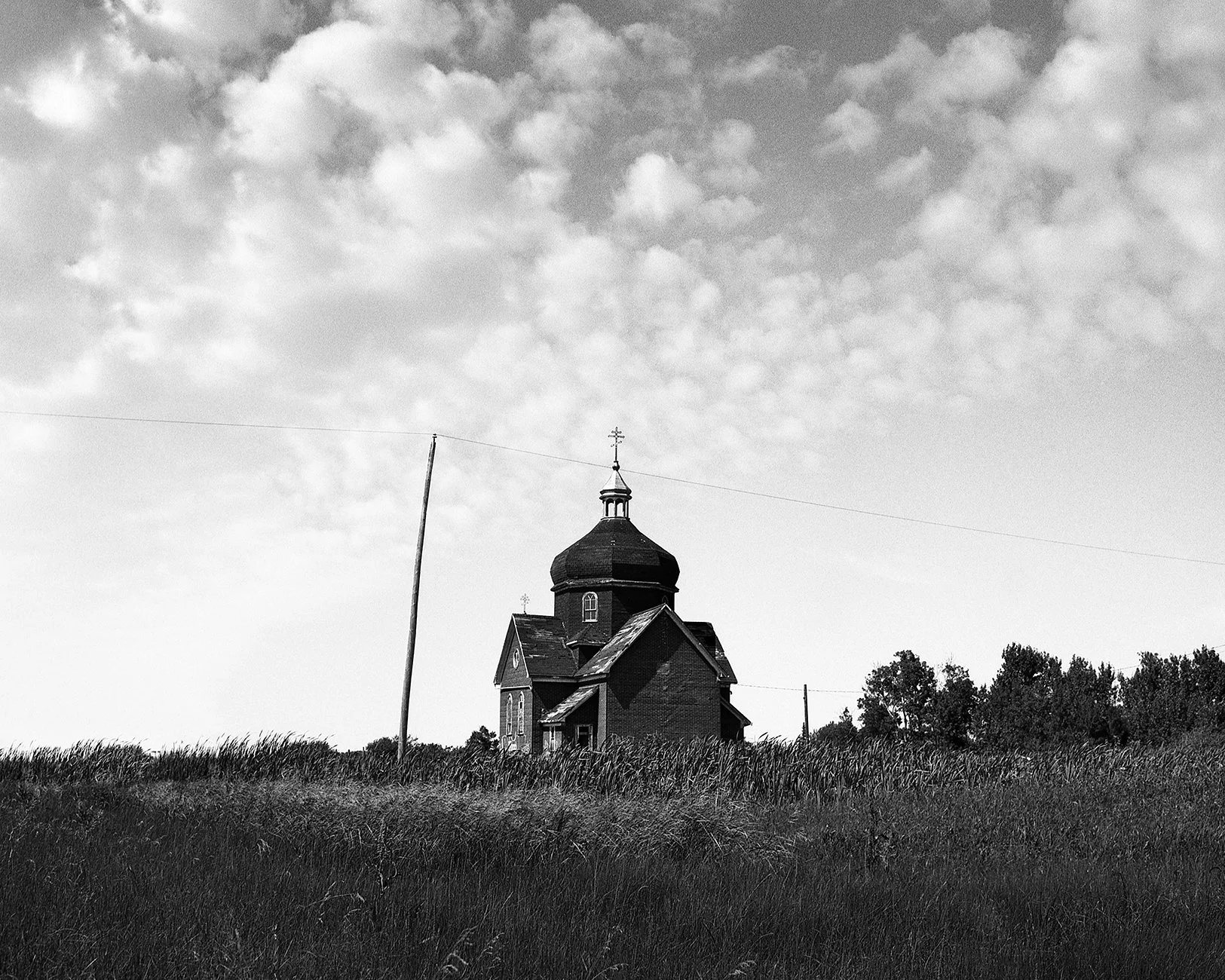
Insinger SK
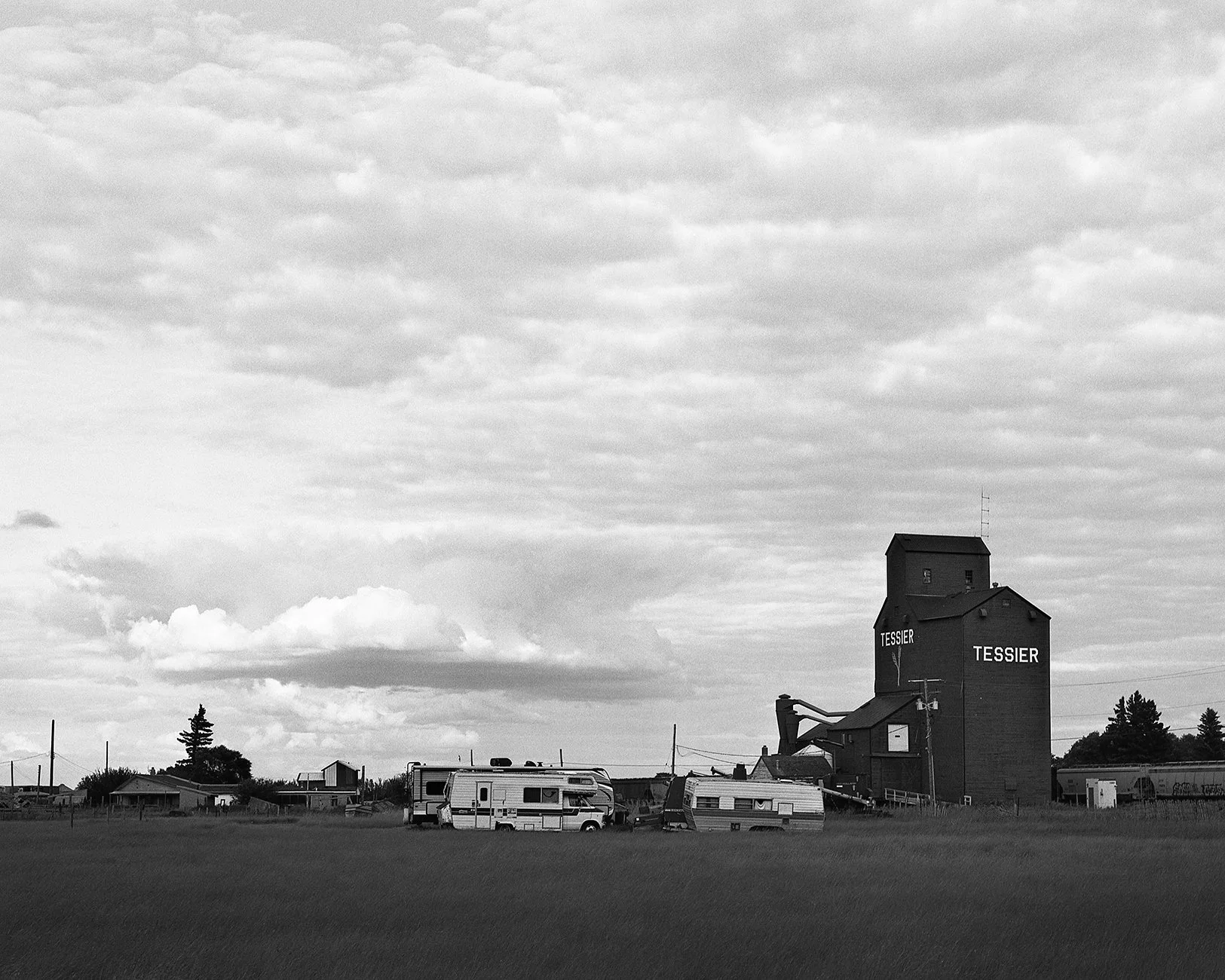
Tessier SK
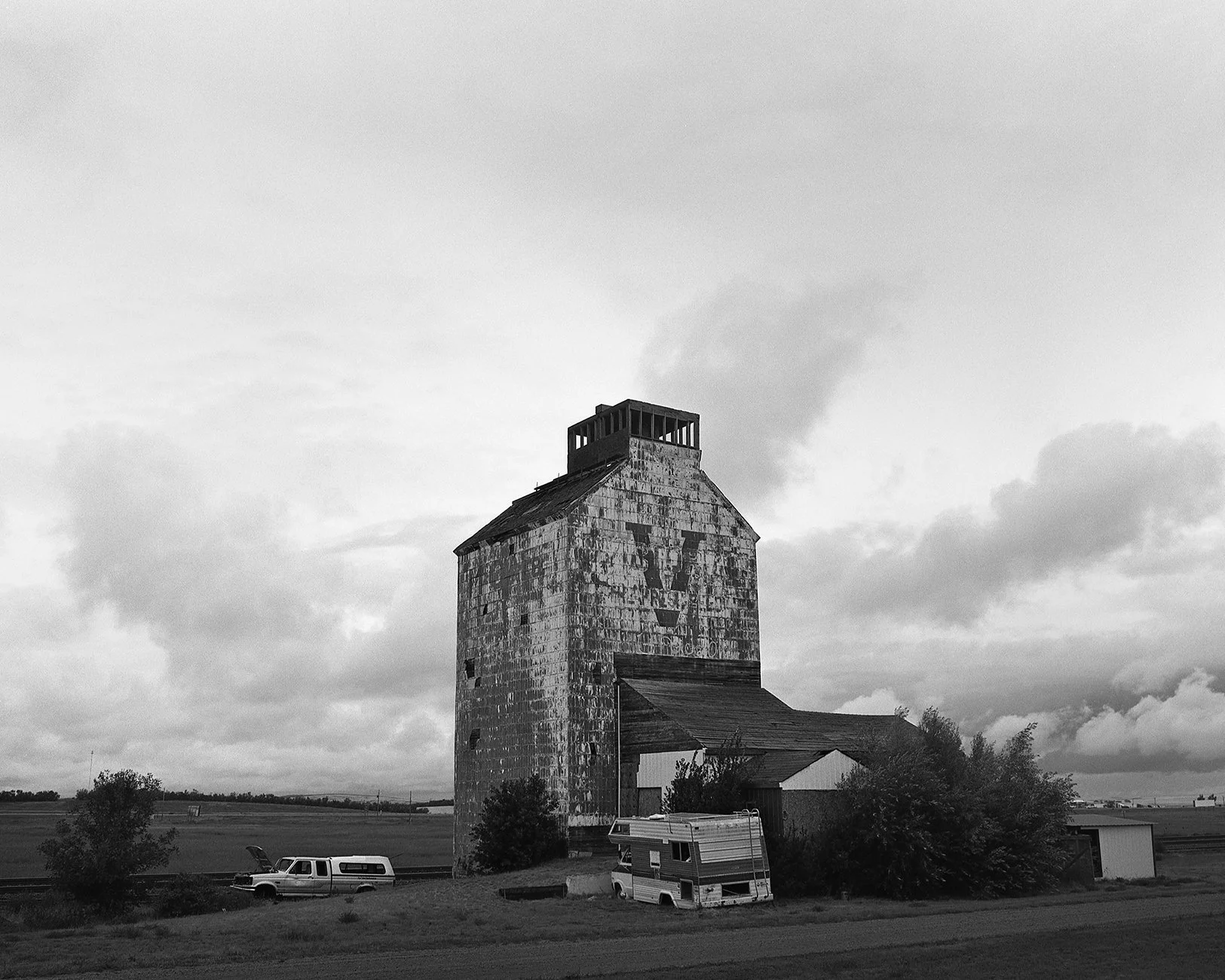
Gull Lake SK
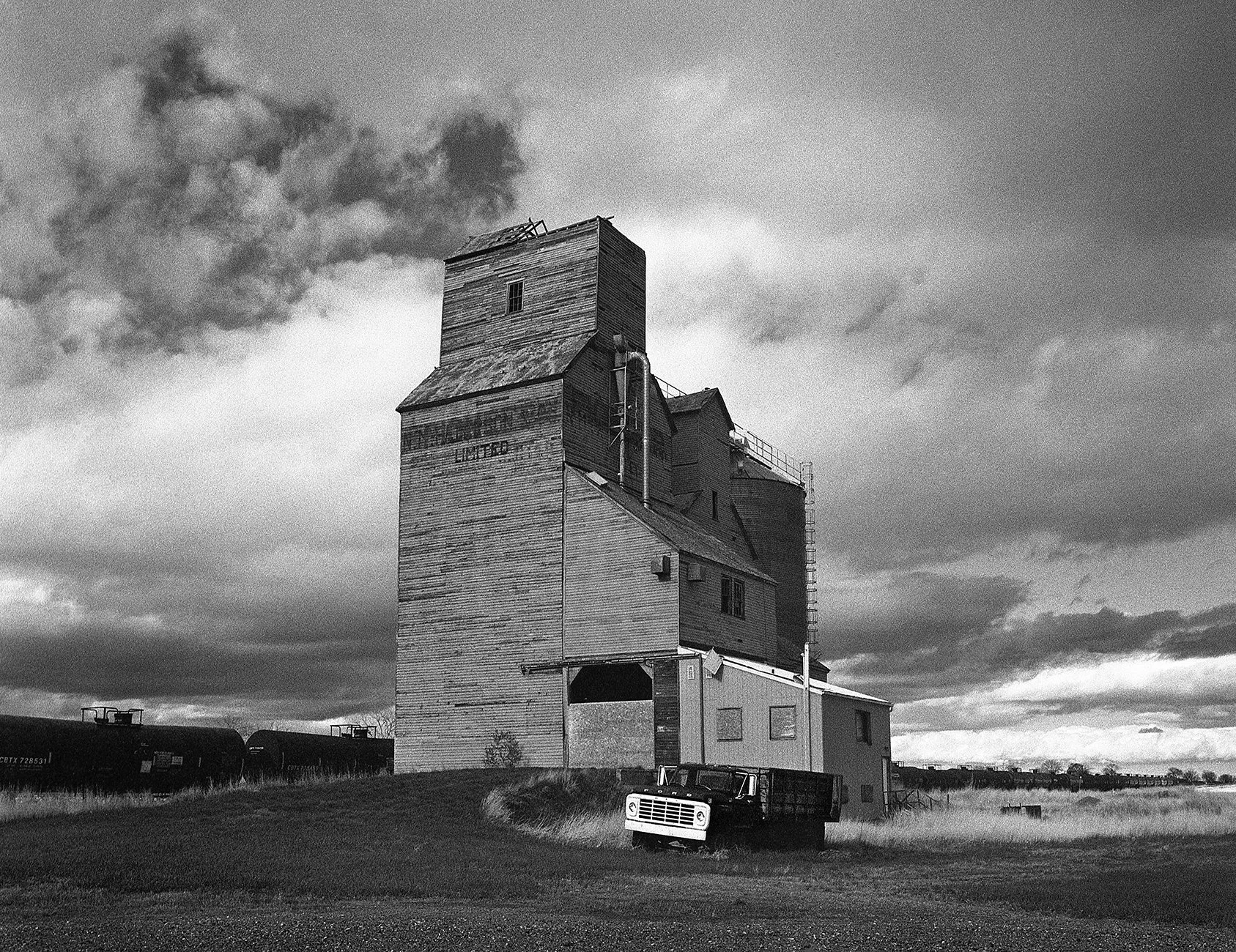
Conquest SK
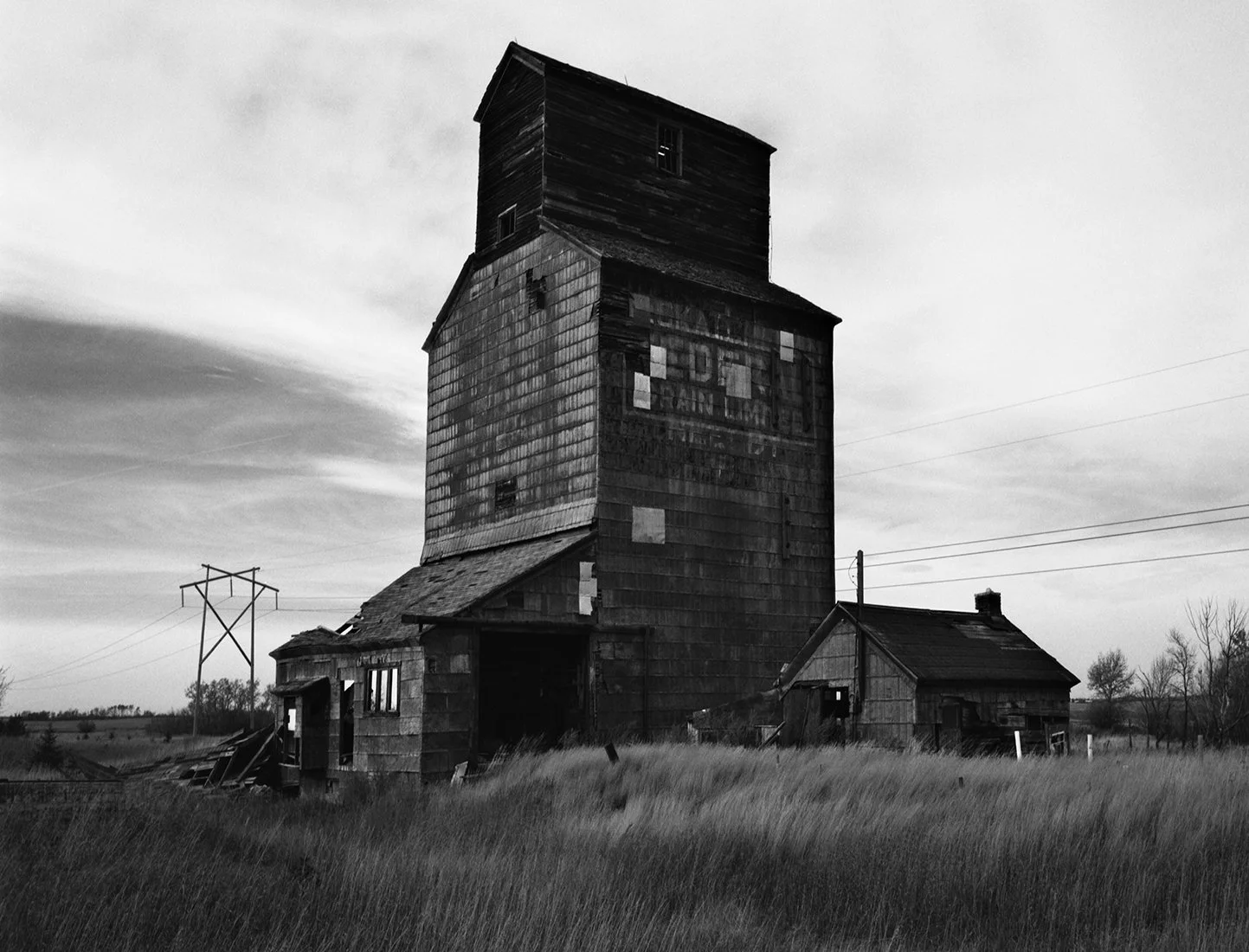
Neelby SK
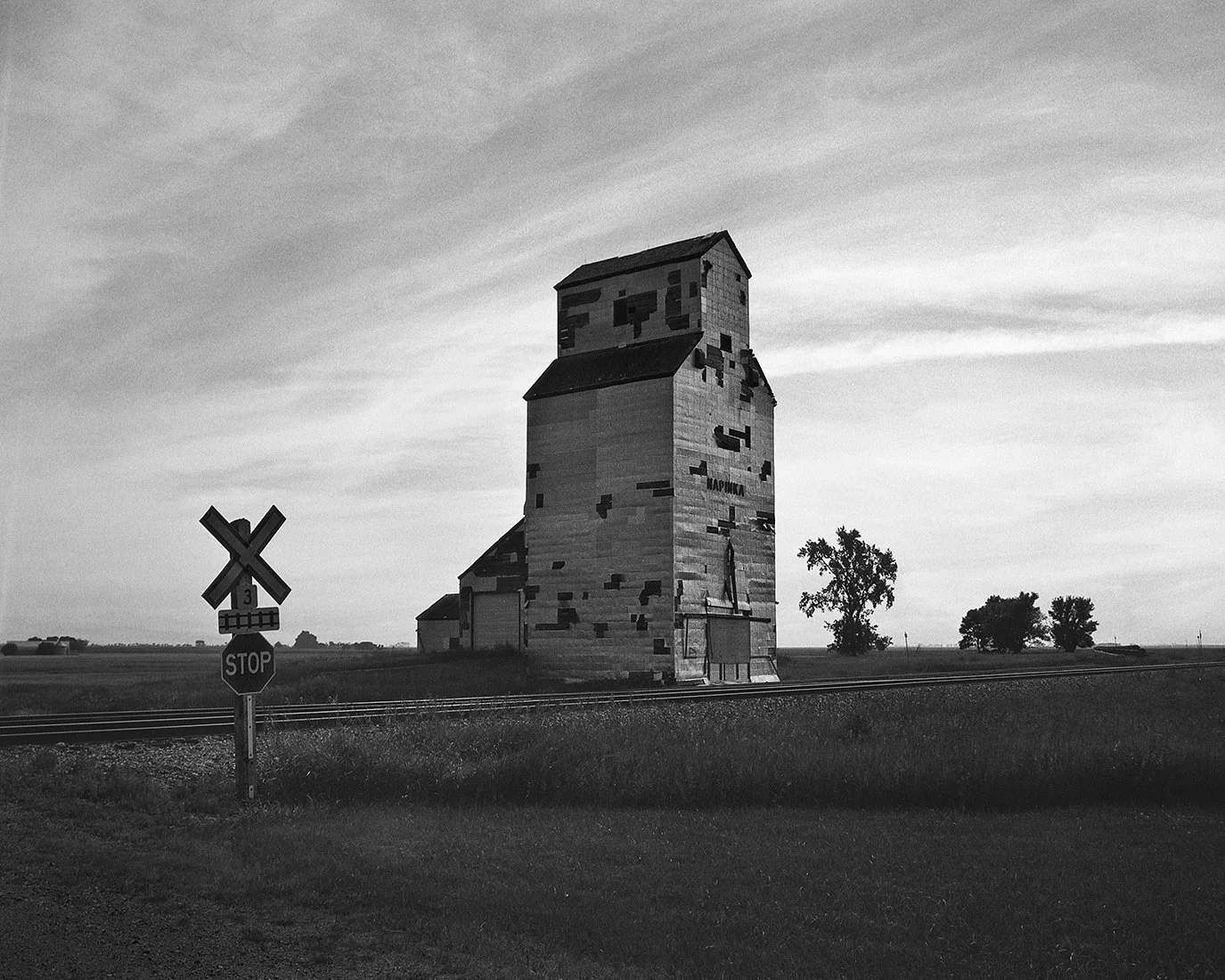
Napinka MB
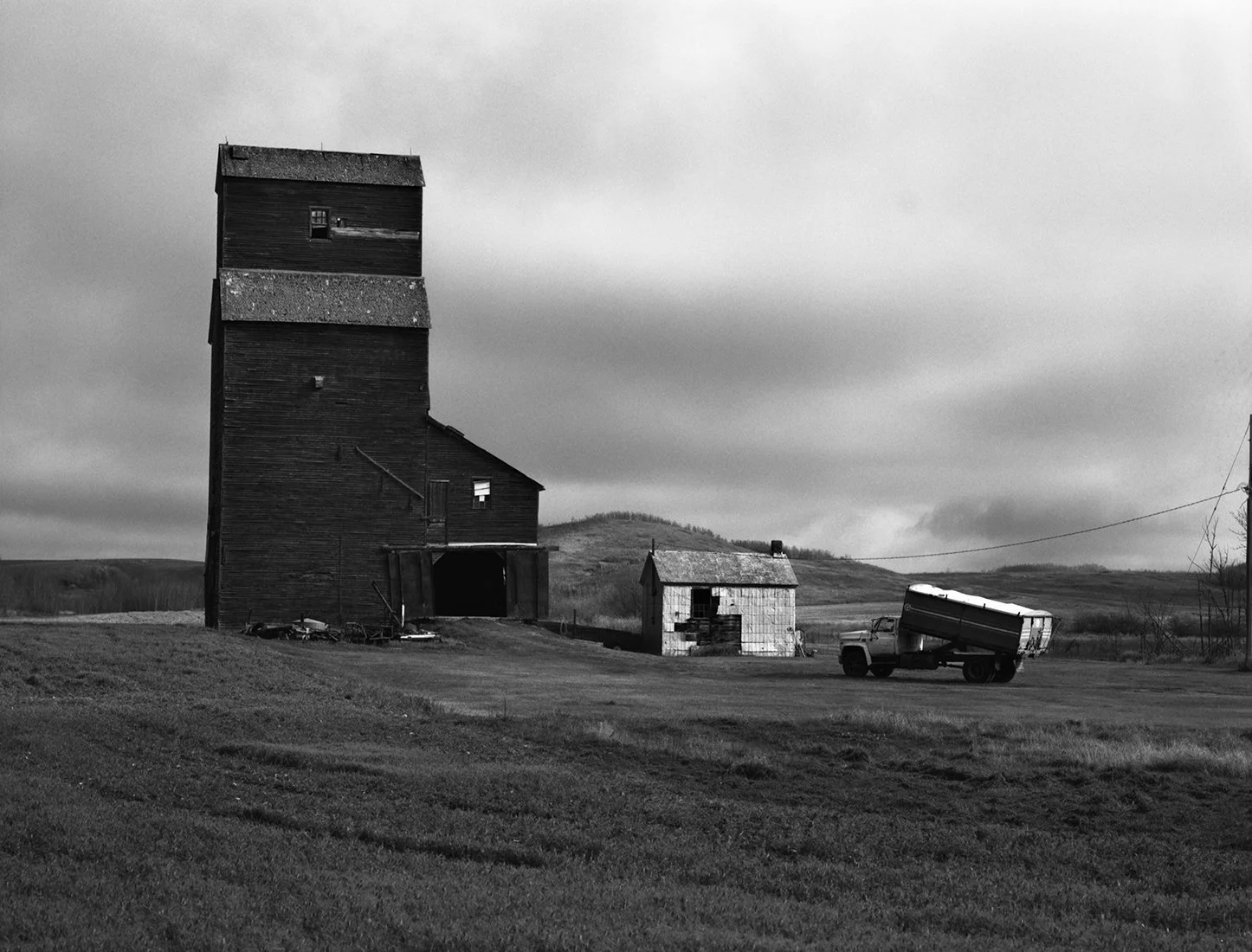
Whitkow SK
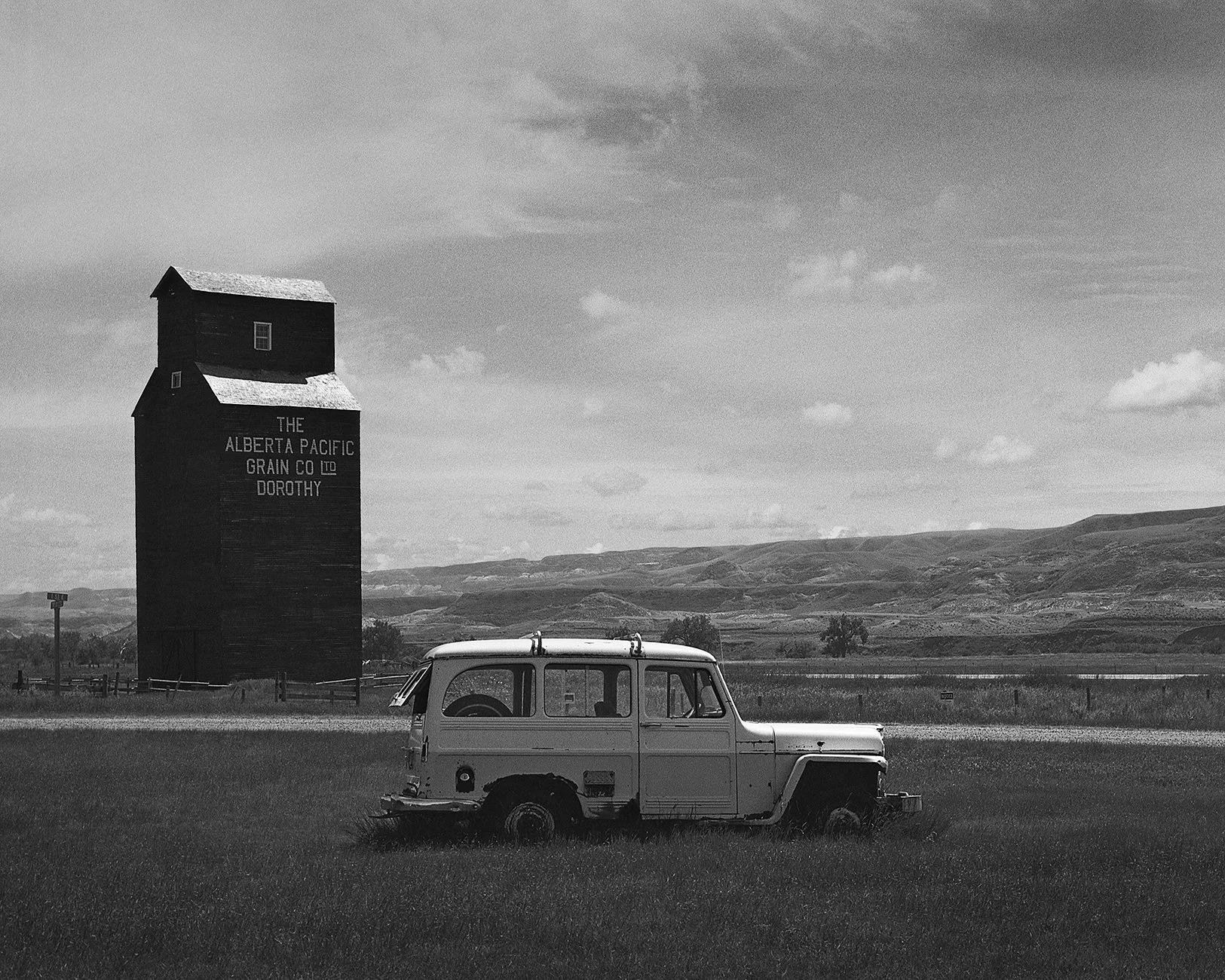
Dorothy SK
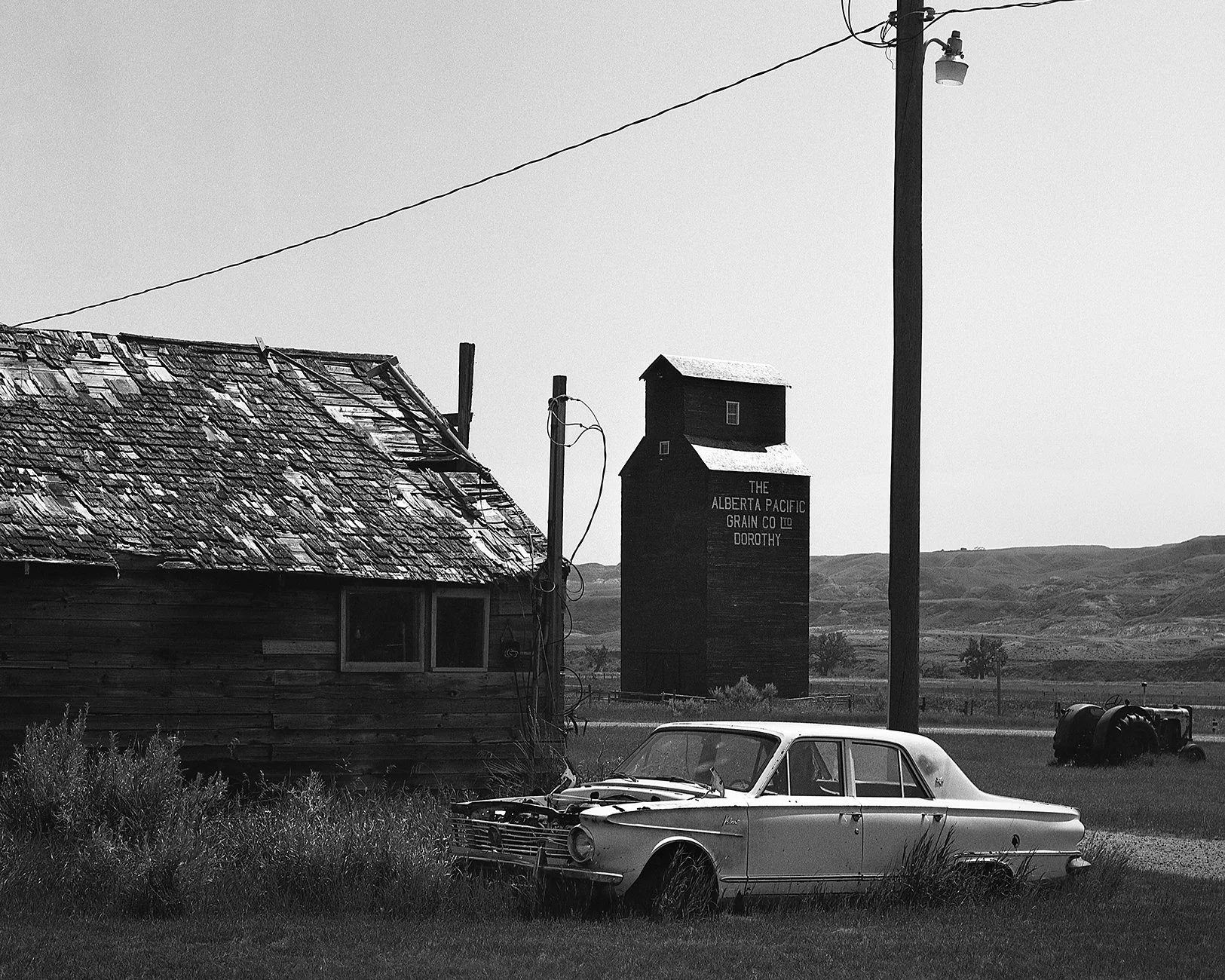
Dorothy SK
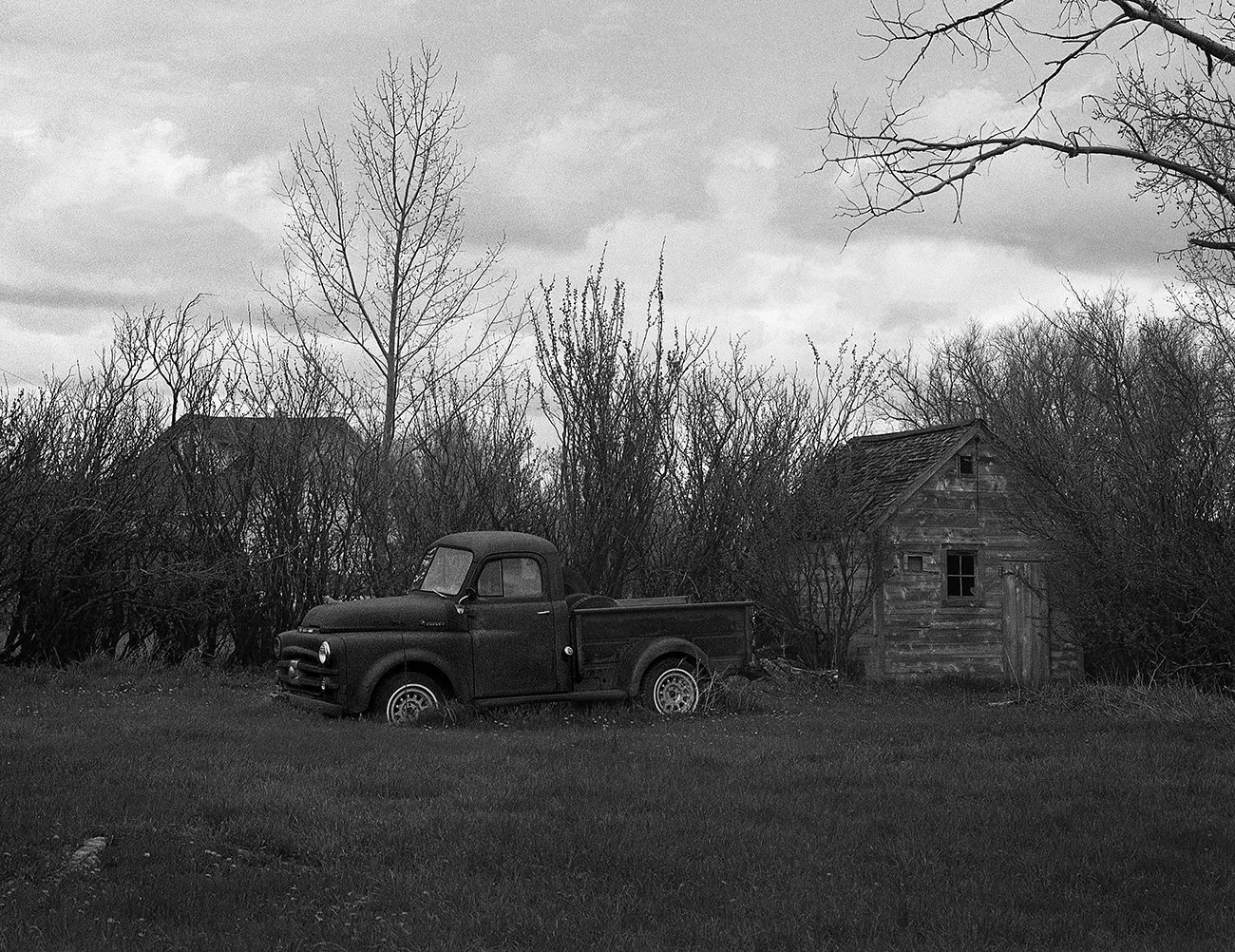
Hodgeville SK
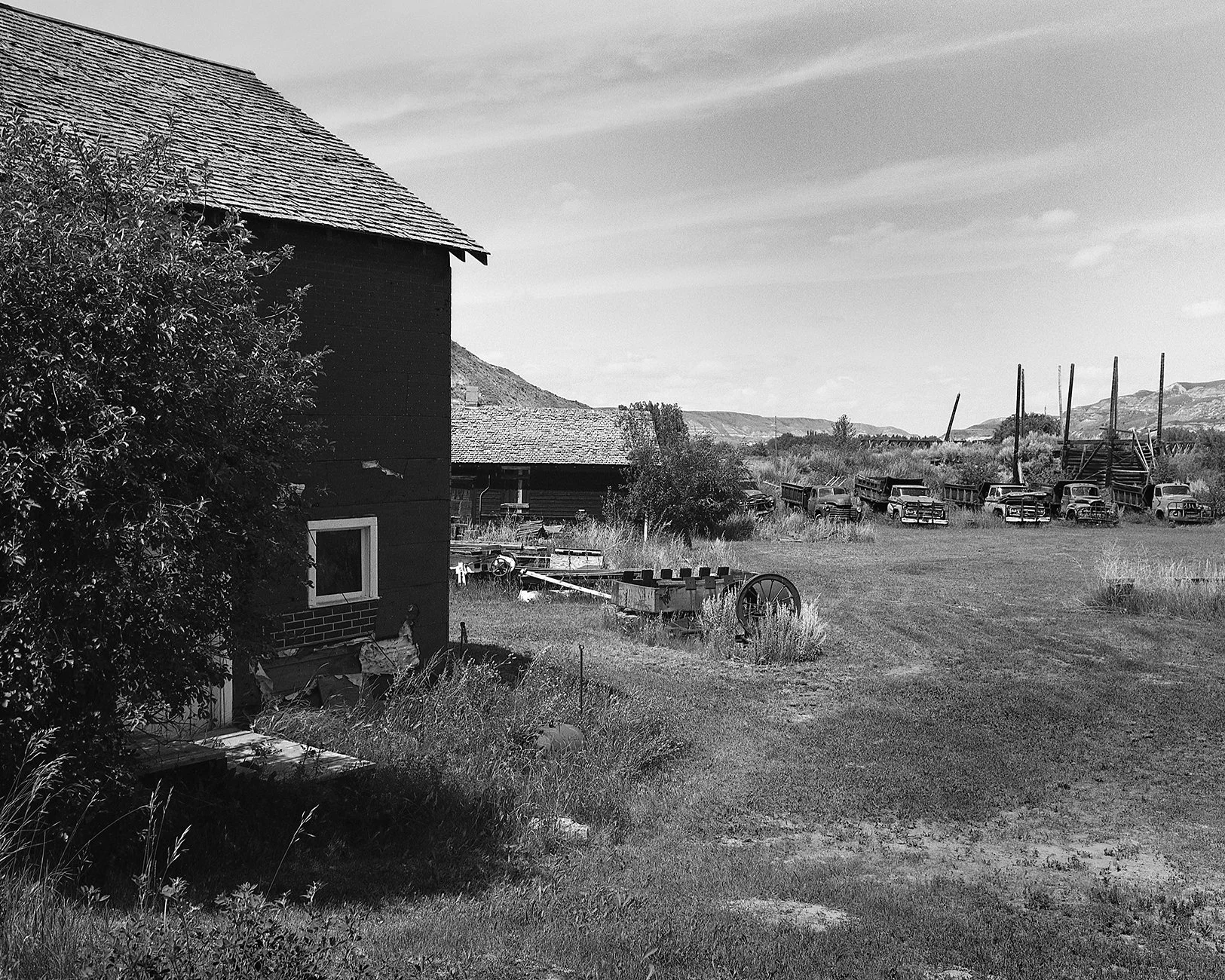
Highway #10 AB
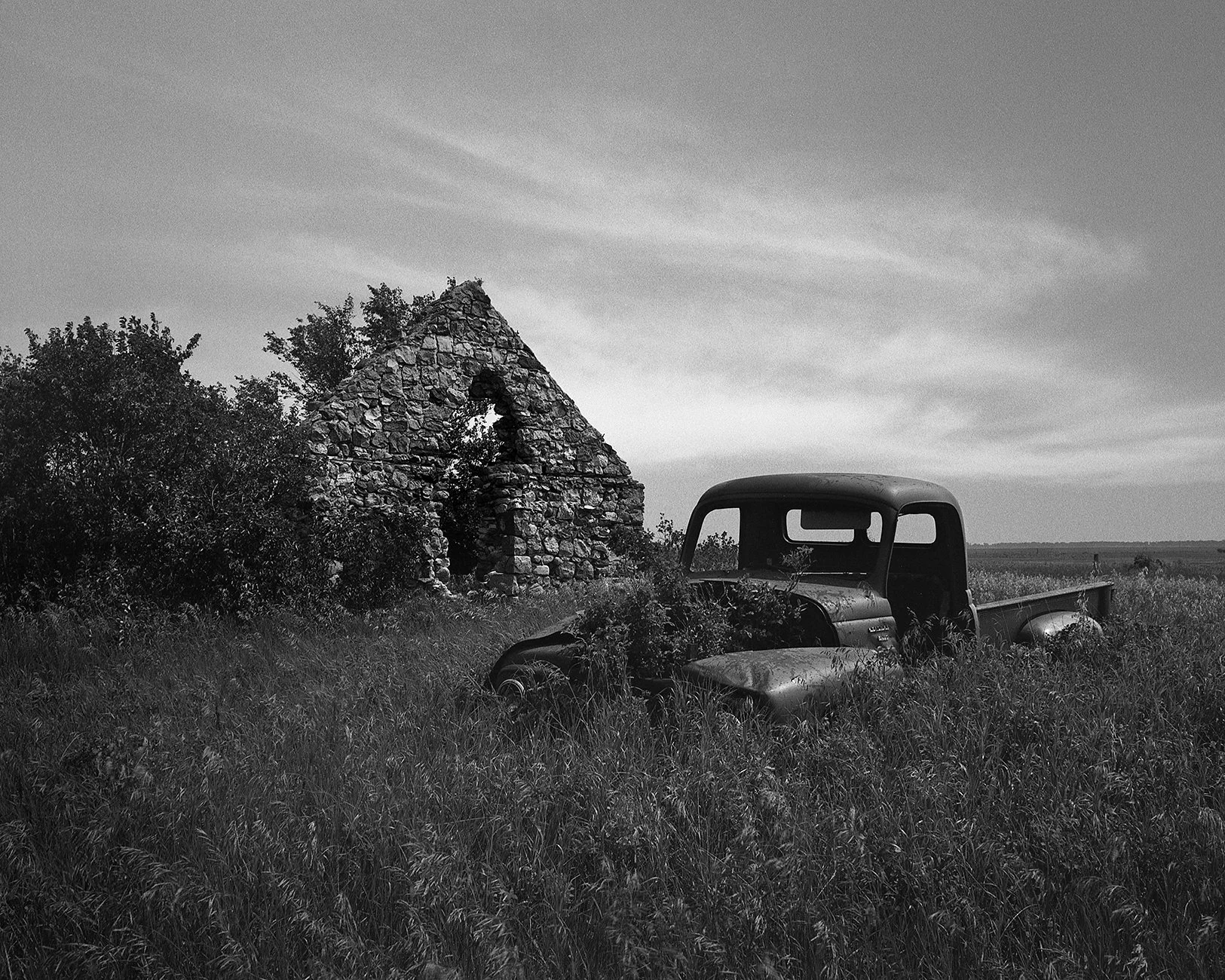
Copley MB
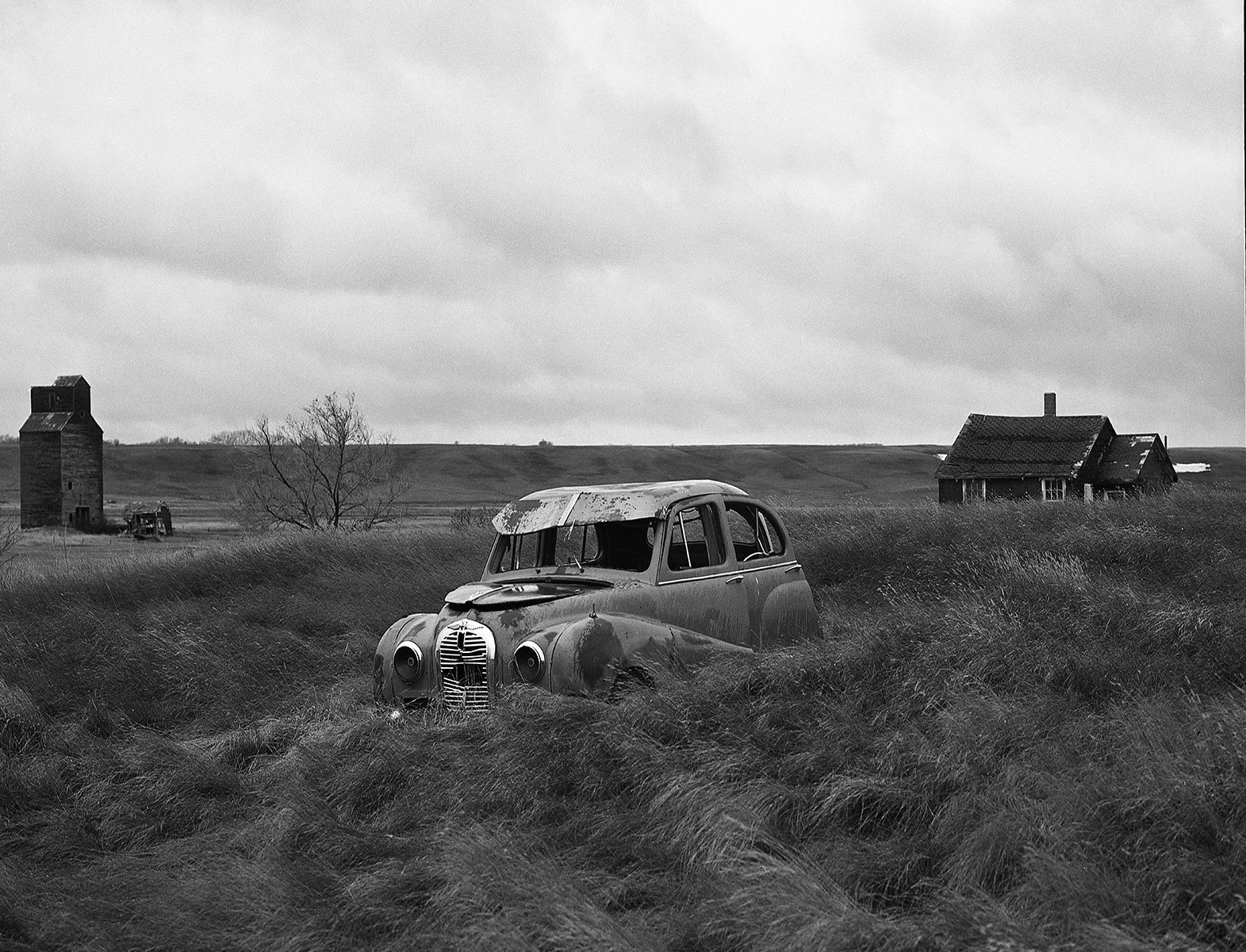
Neidpath SK
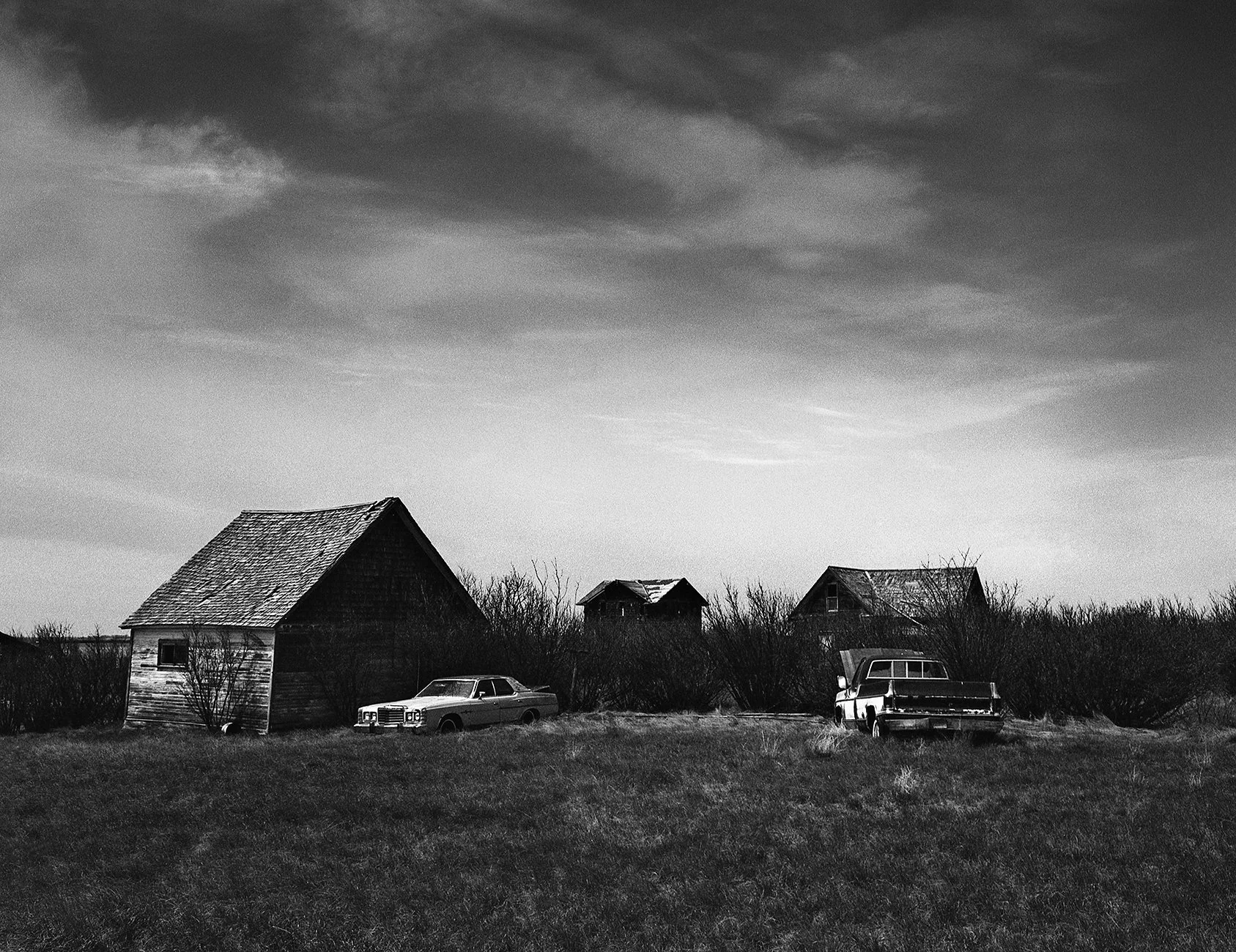
Robsart SK
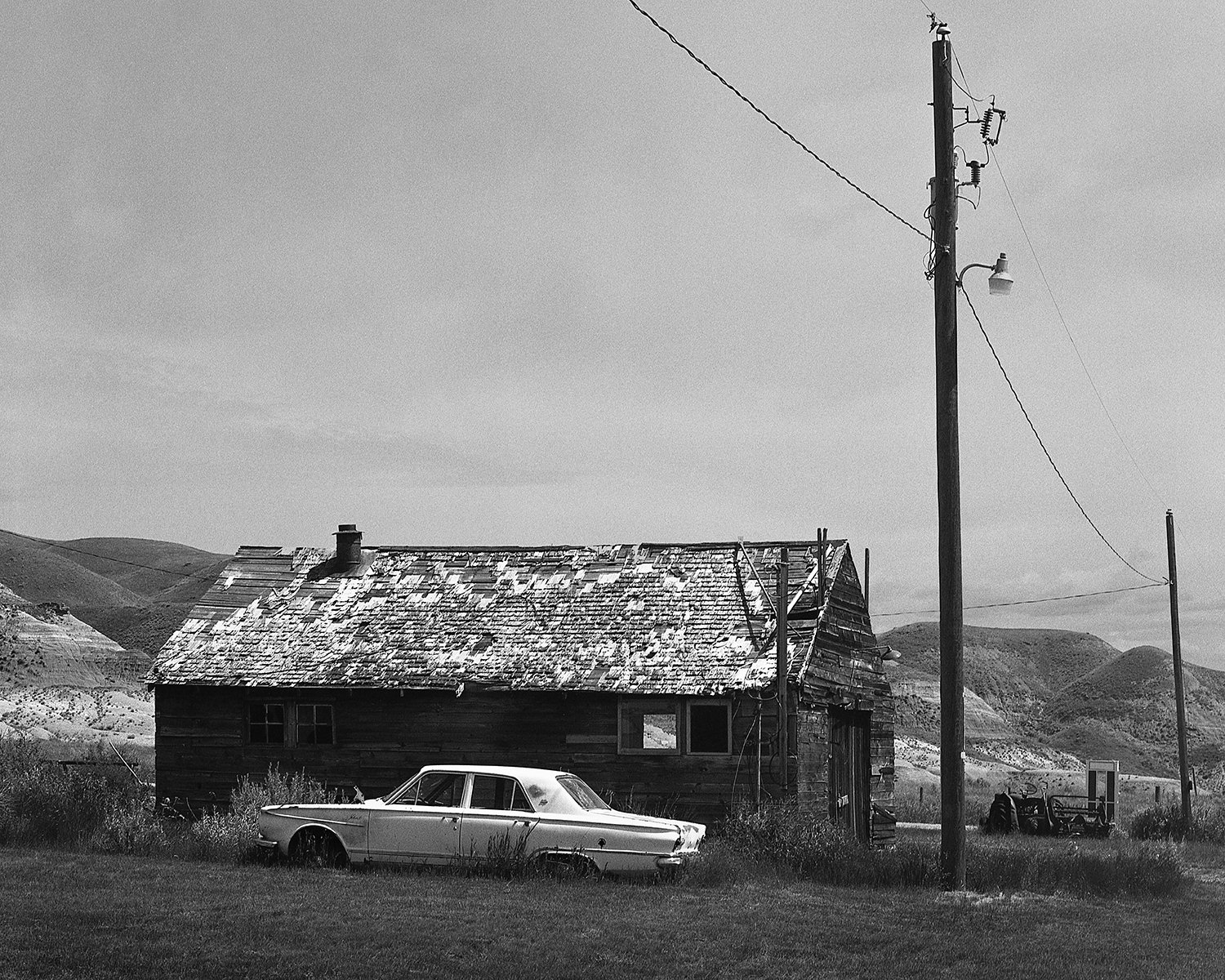
Highway #10 AB
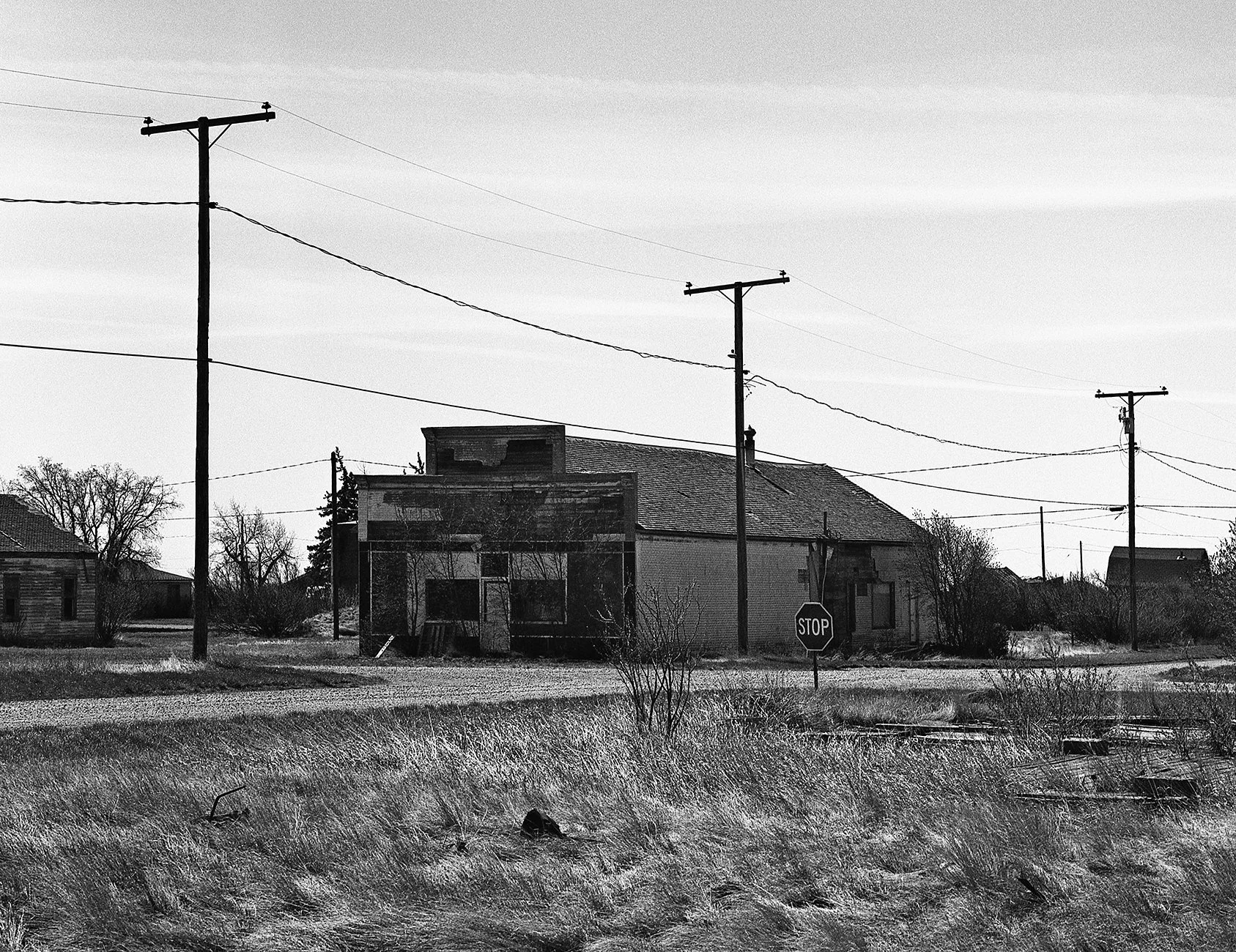
Robsart SK
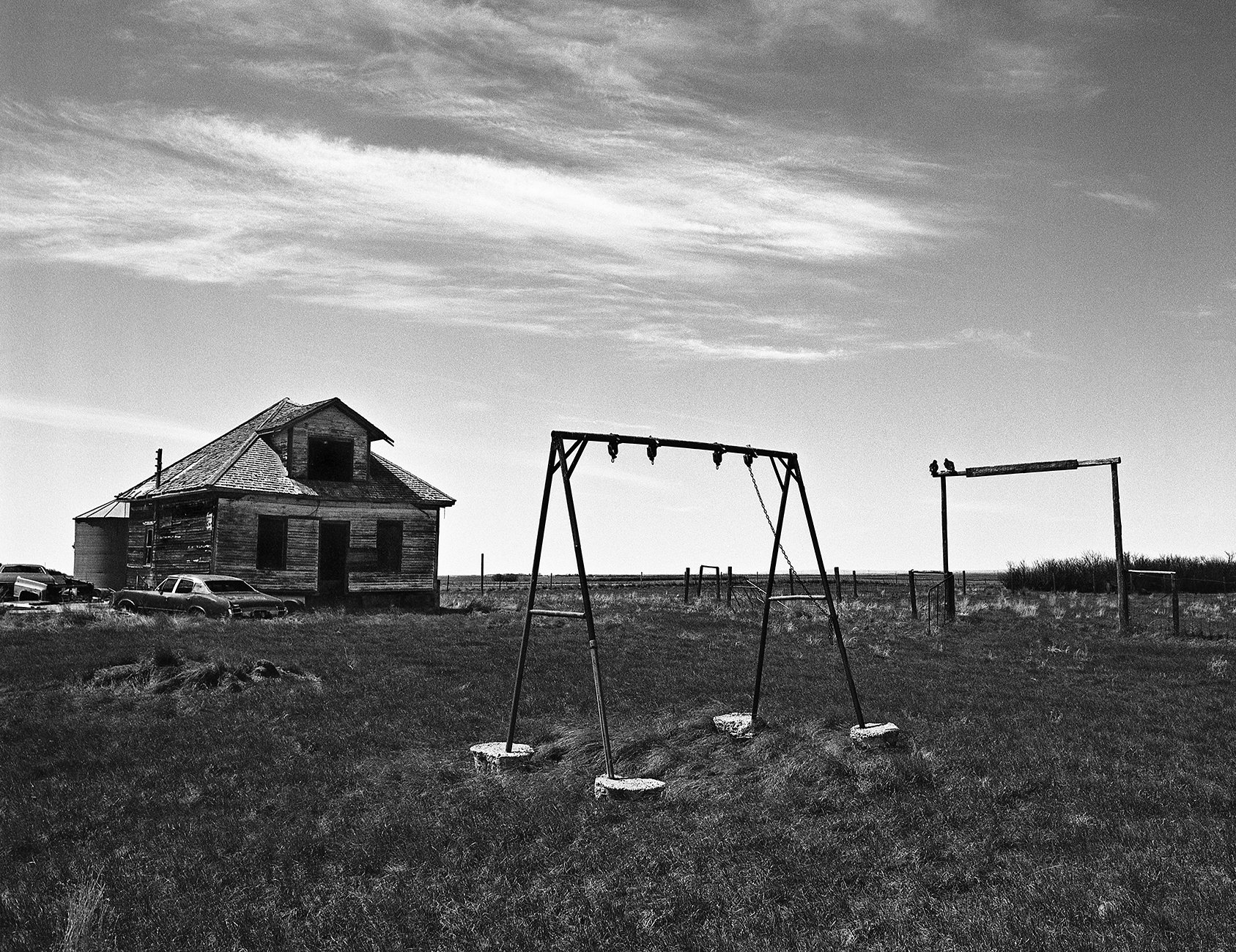
Robsart SK
Aneroid SK
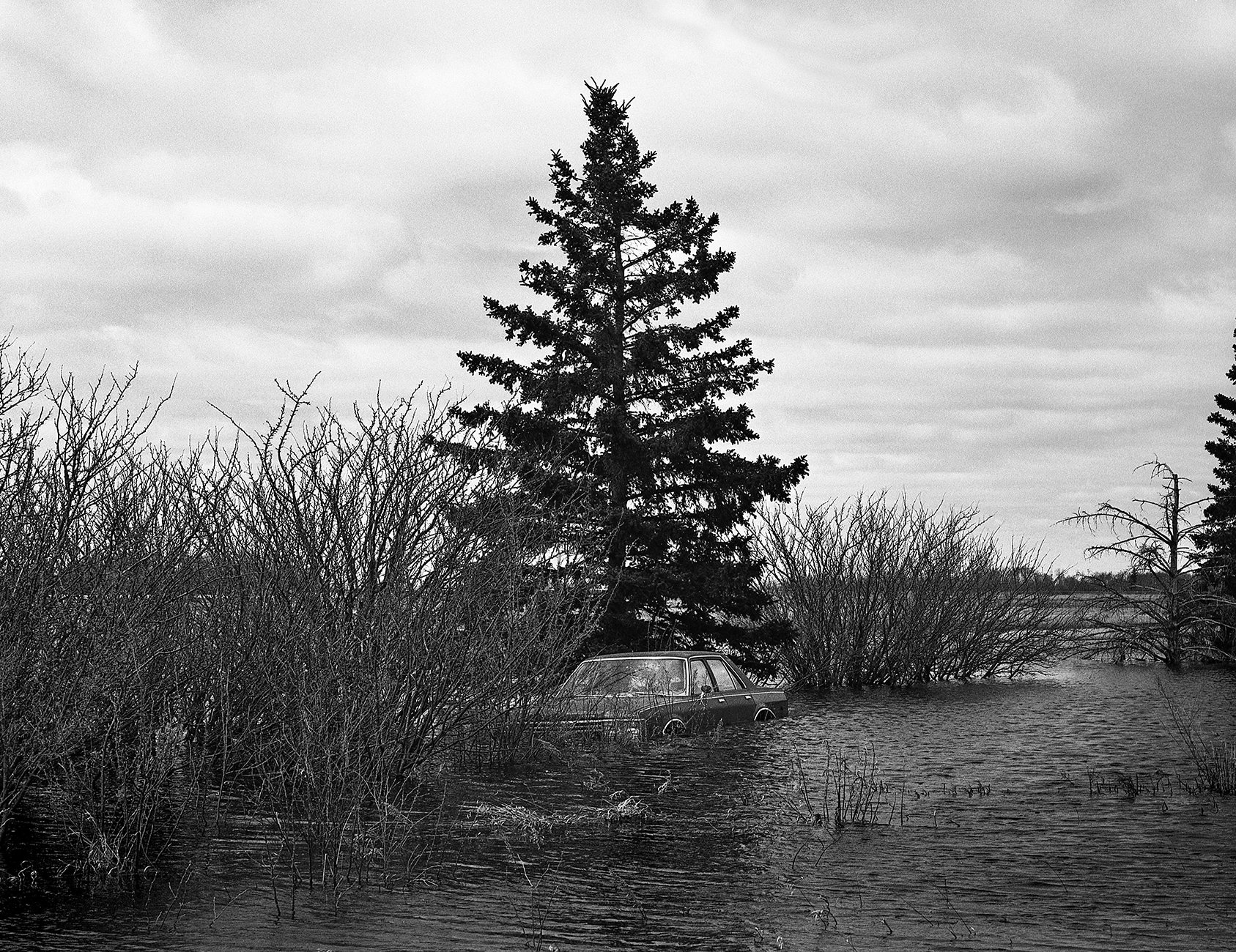
Quill Lake Area SK
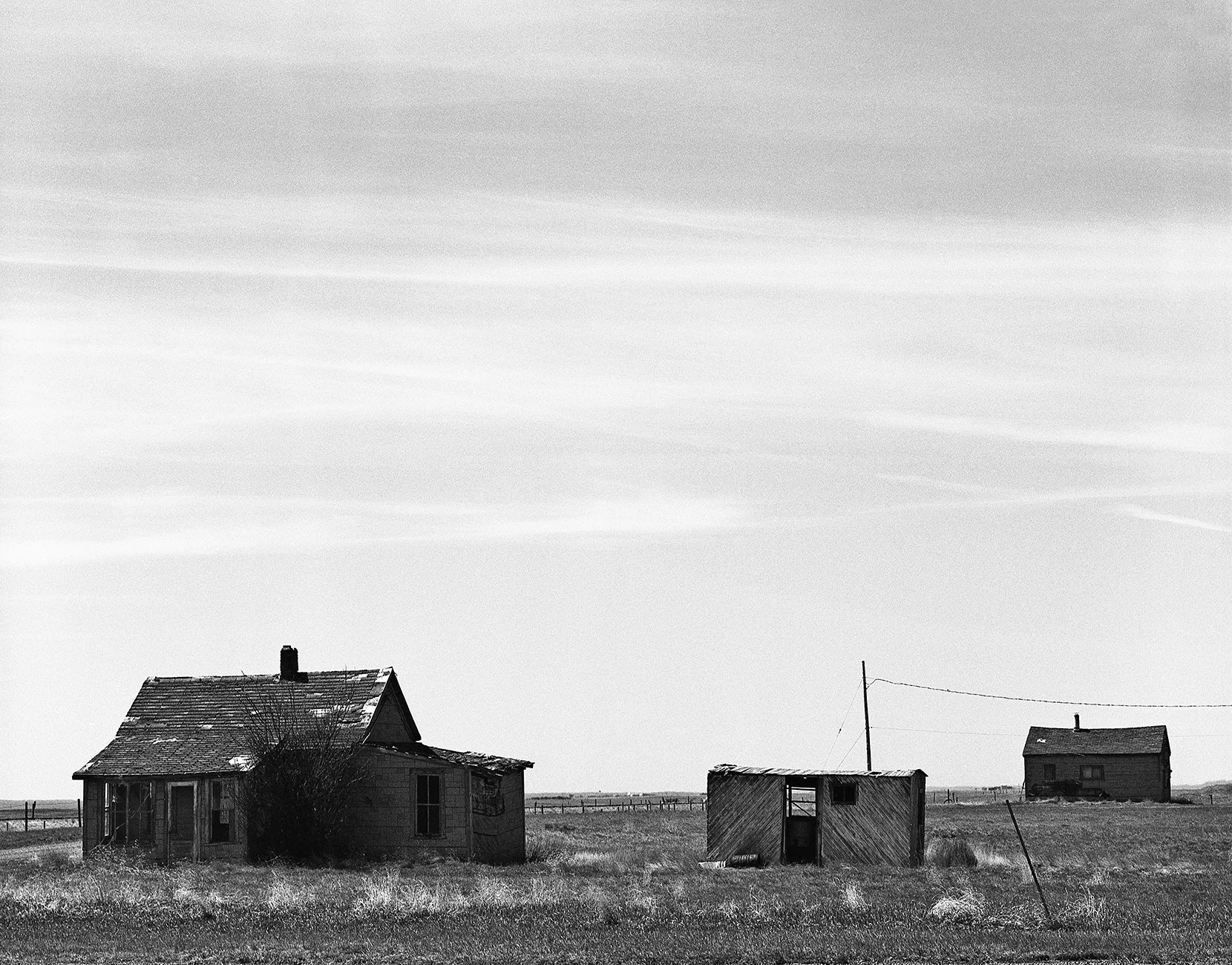
Robsart SK
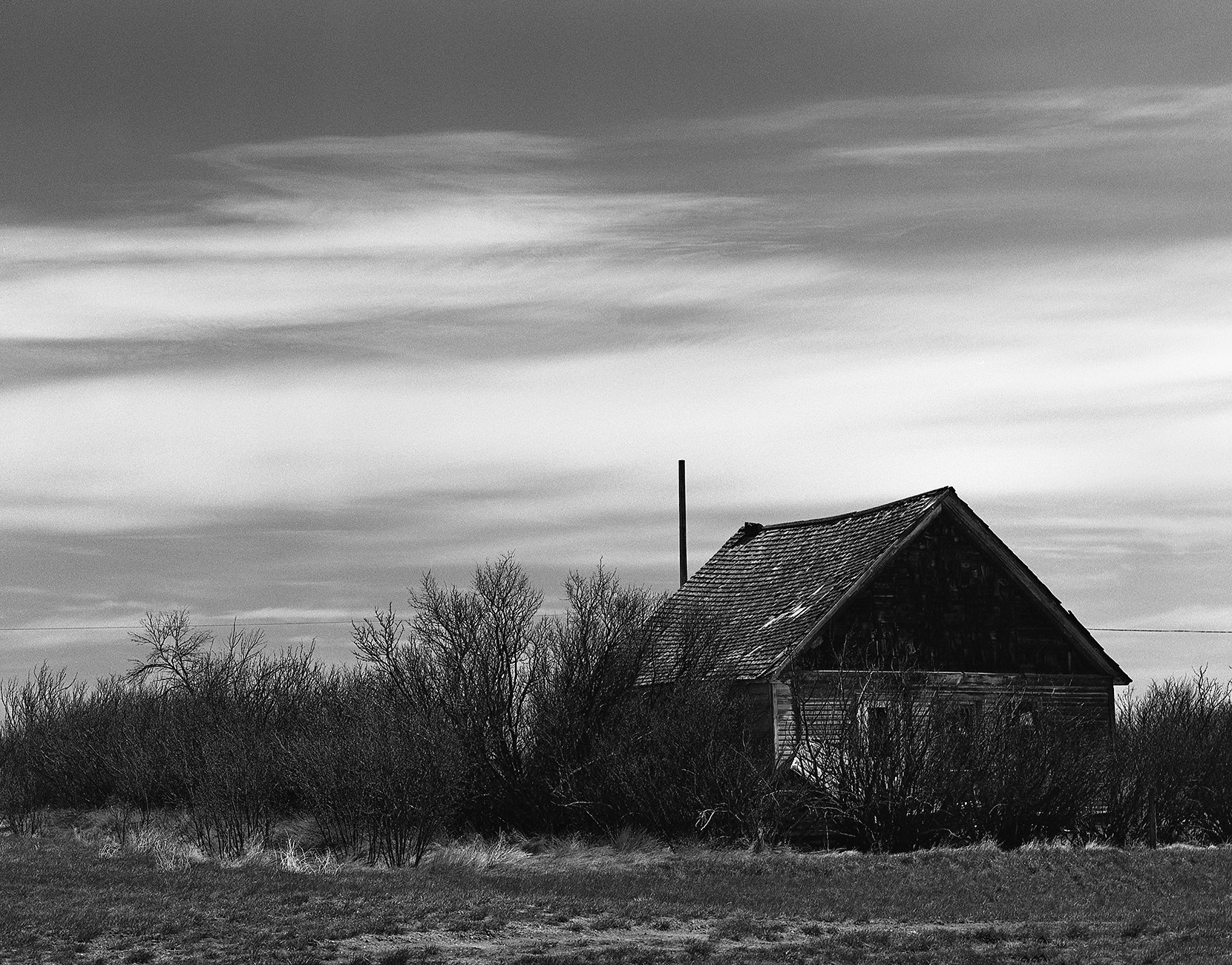
Robsart SK
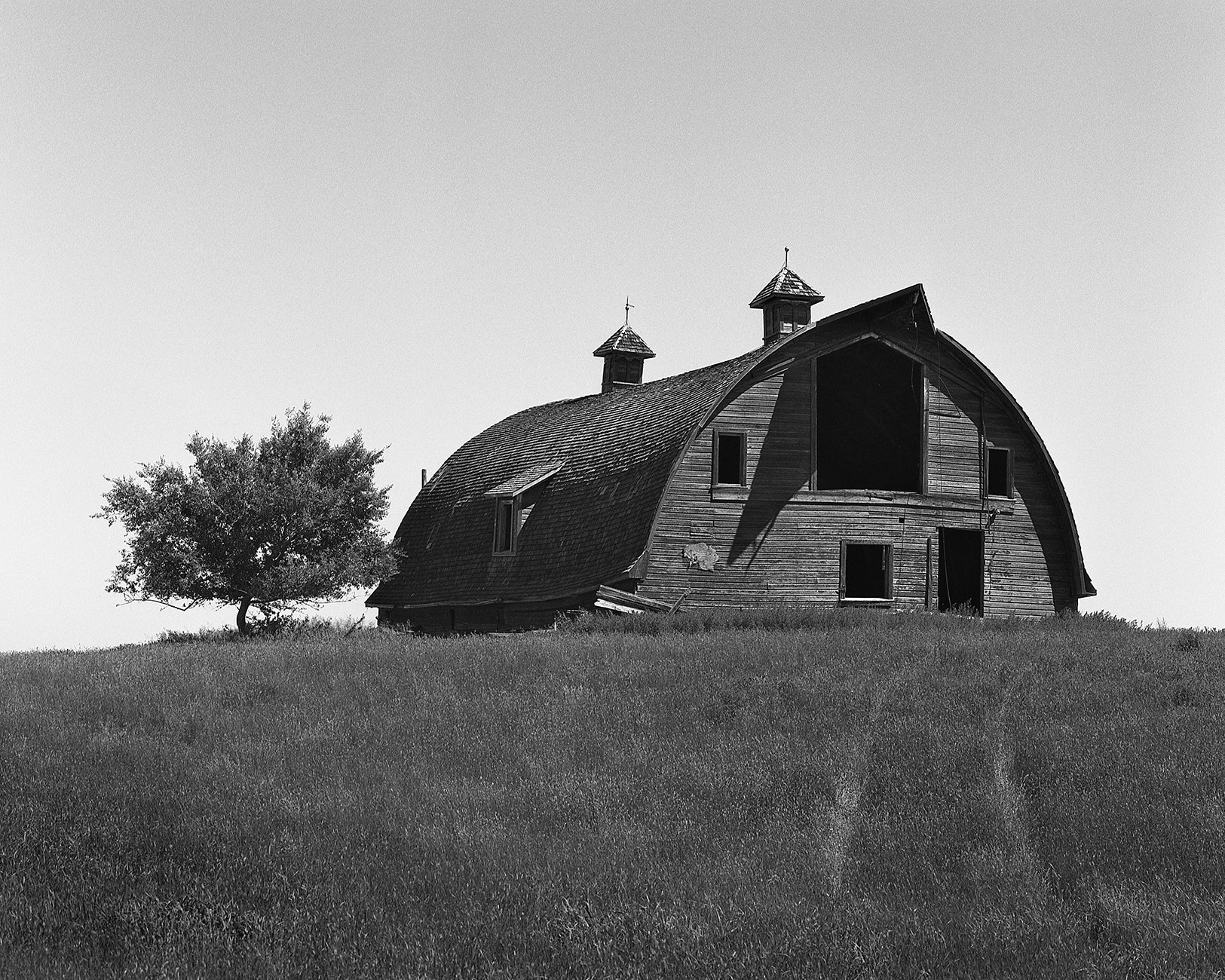
Highway #715 SK
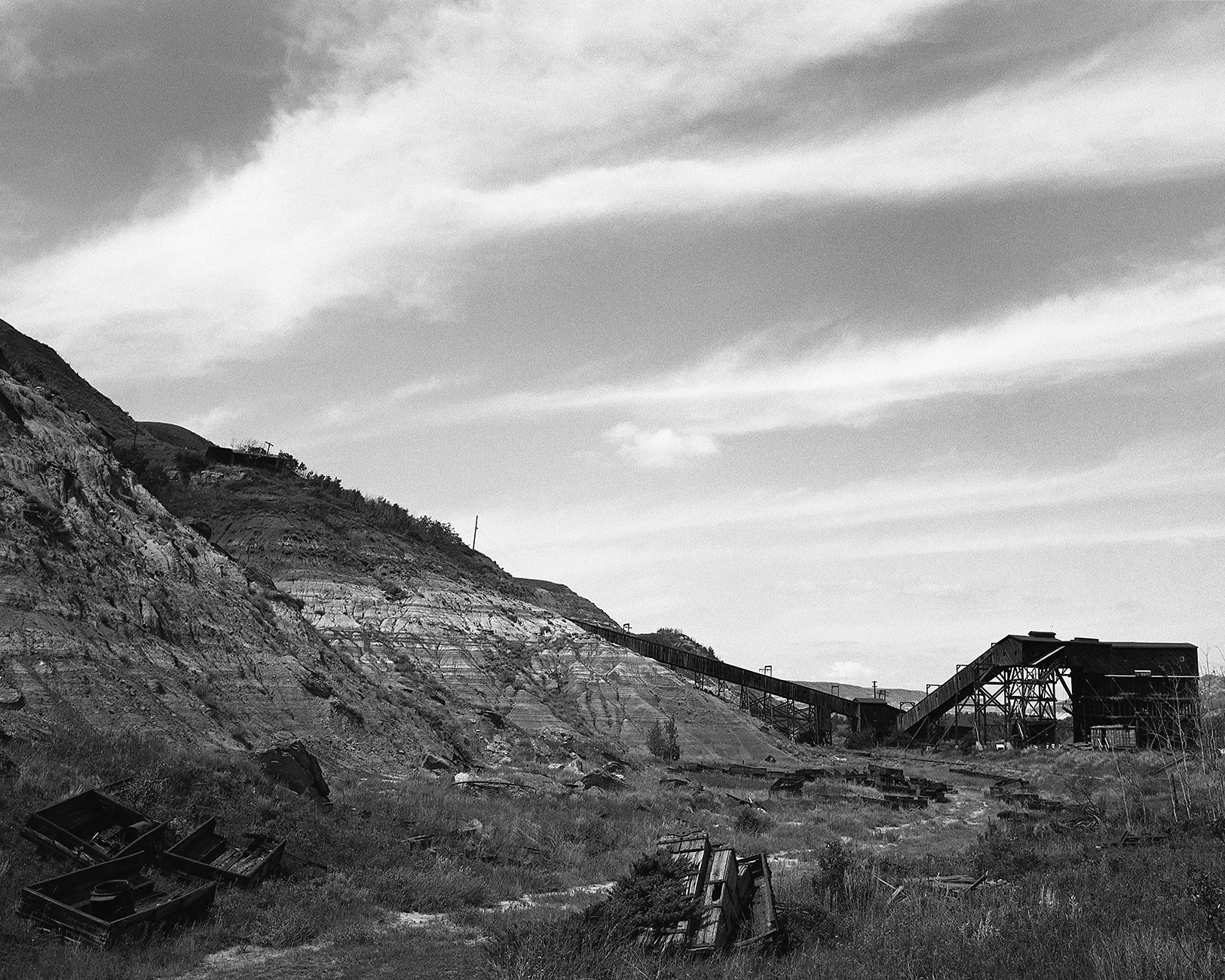
Atlas Coal Mine AB
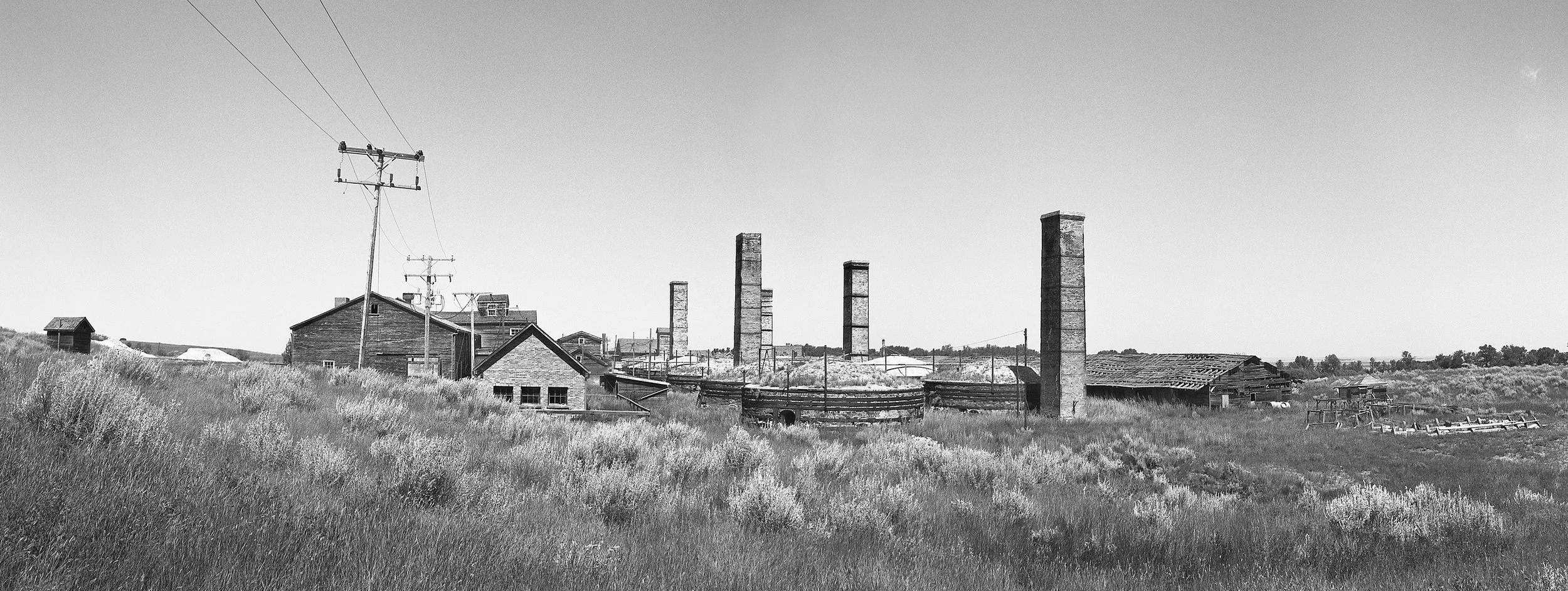
Claybank Brick Plant SK
PRESENCE
CHAPTER TWO
Presence brings together landscapes whose existence has never depended upon human occupation. Sand hills, cliffs, valleys, and exposed formations are approached with the attentiveness reserved for enduring subjects, acknowledging environments whose histories far exceed our own. Rather than asking these places to signify something beyond themselves, the photographs allow their permanence, autonomy, and quiet authority to remain intact.
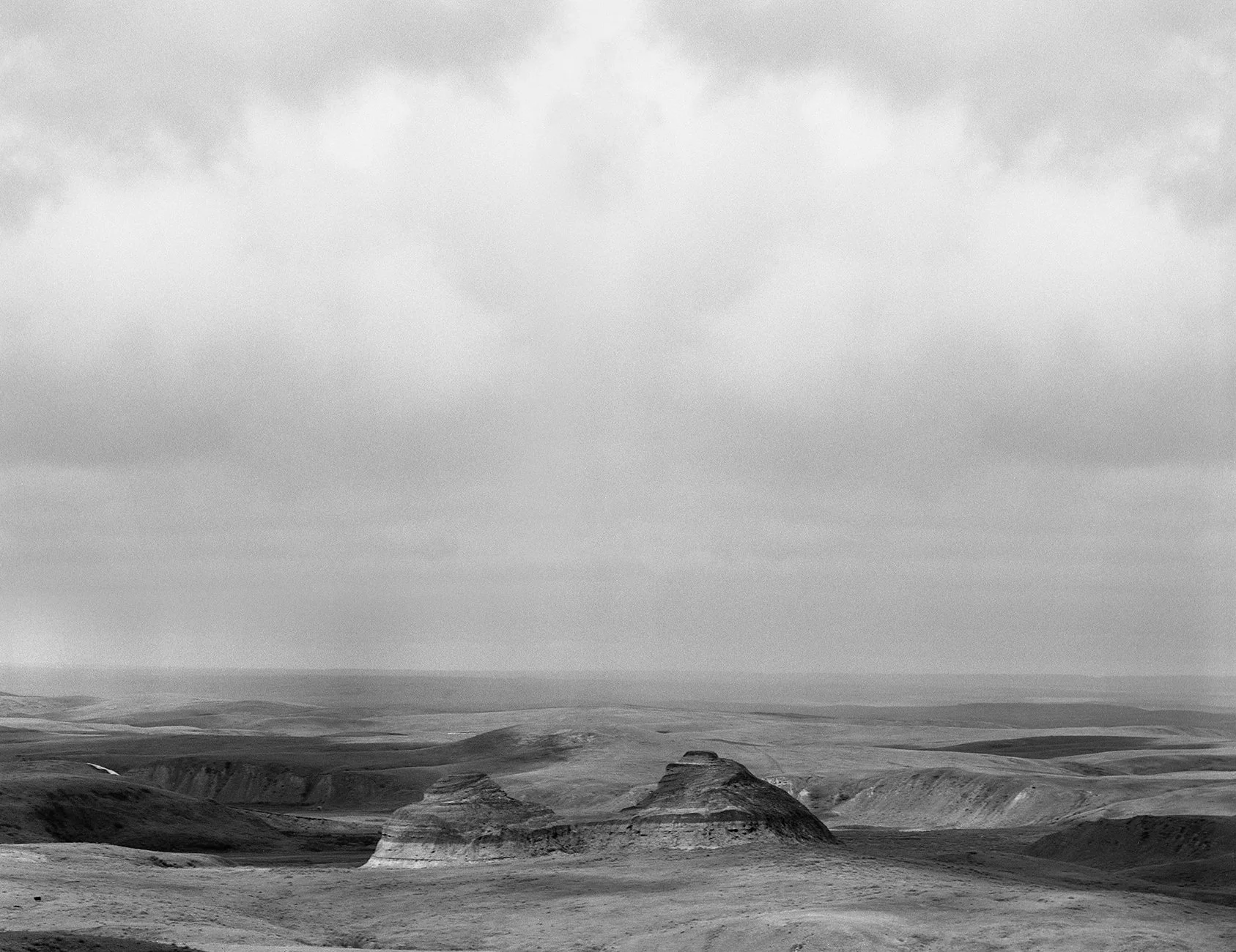
Grasslands National Park East Block SK
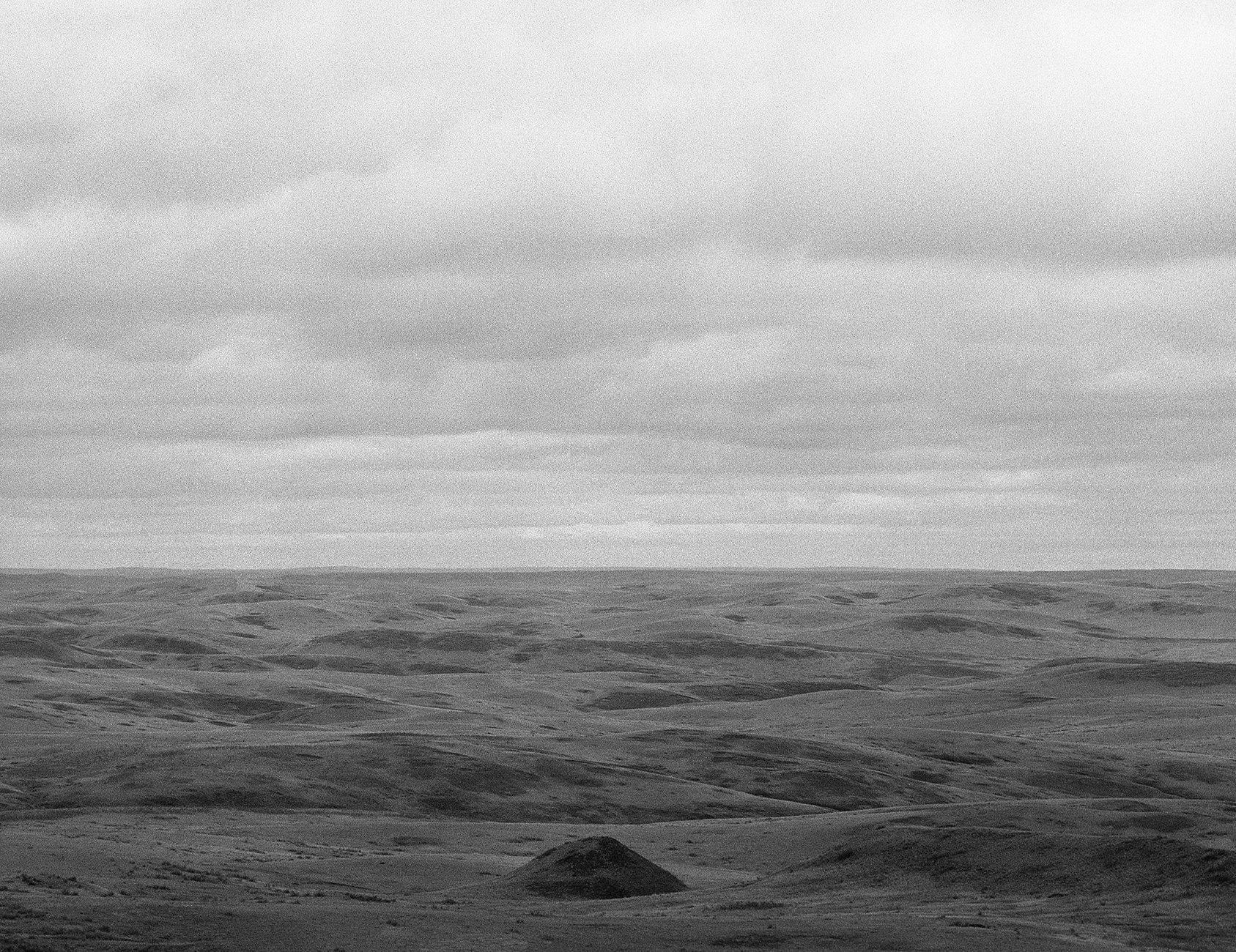
Grasslands National Park East Block SK
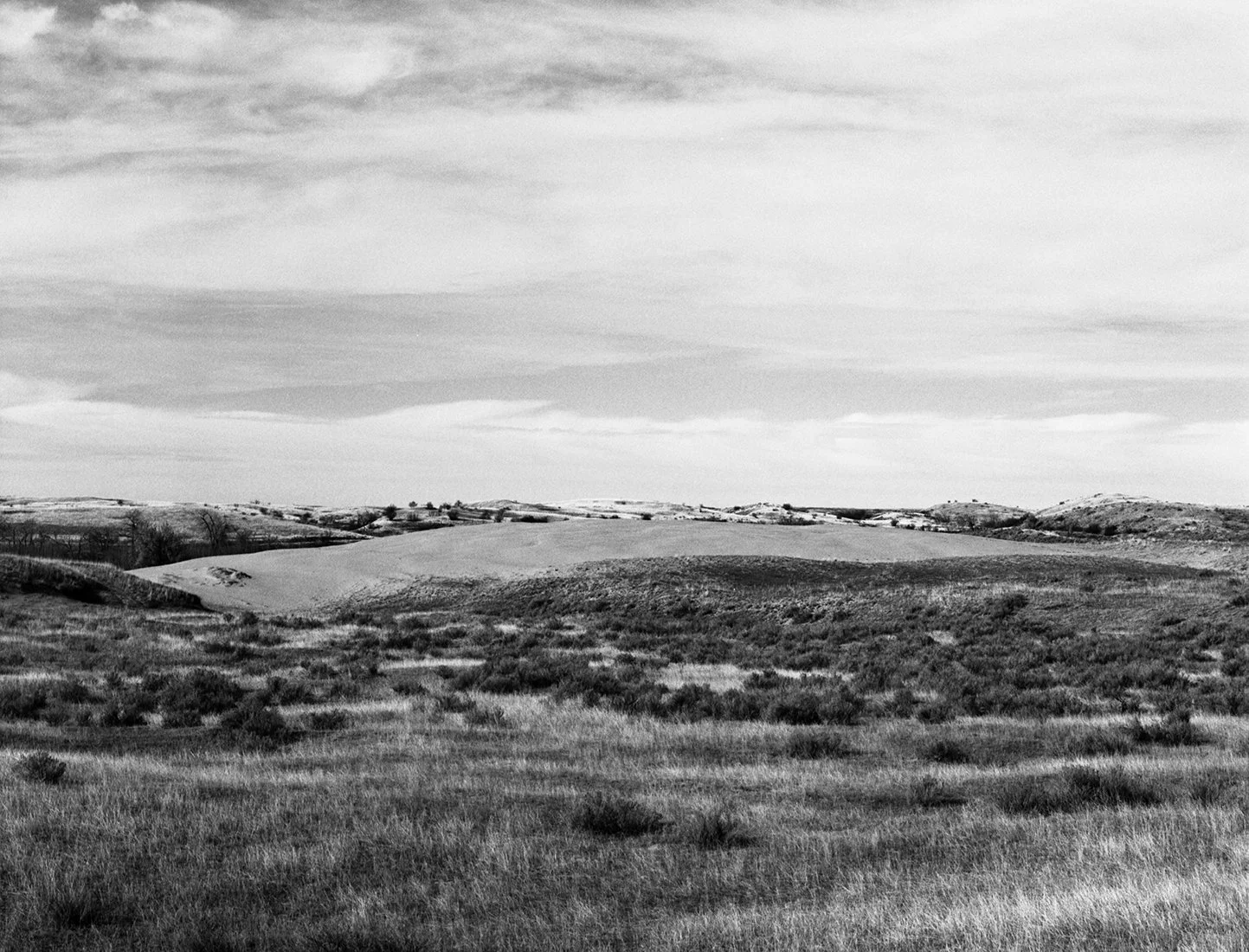
The Great Sand Hills SK
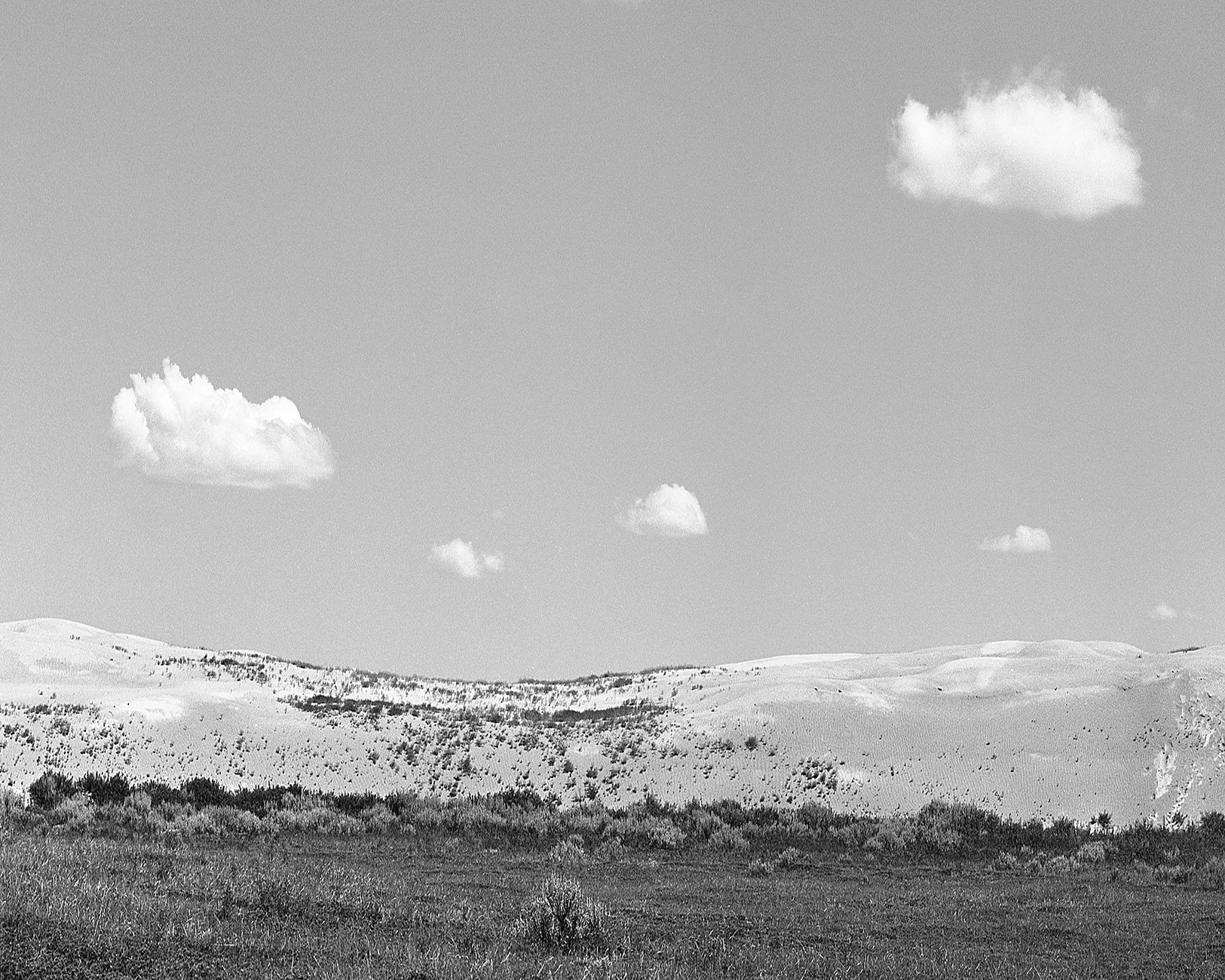
The Great Sand Hills SK
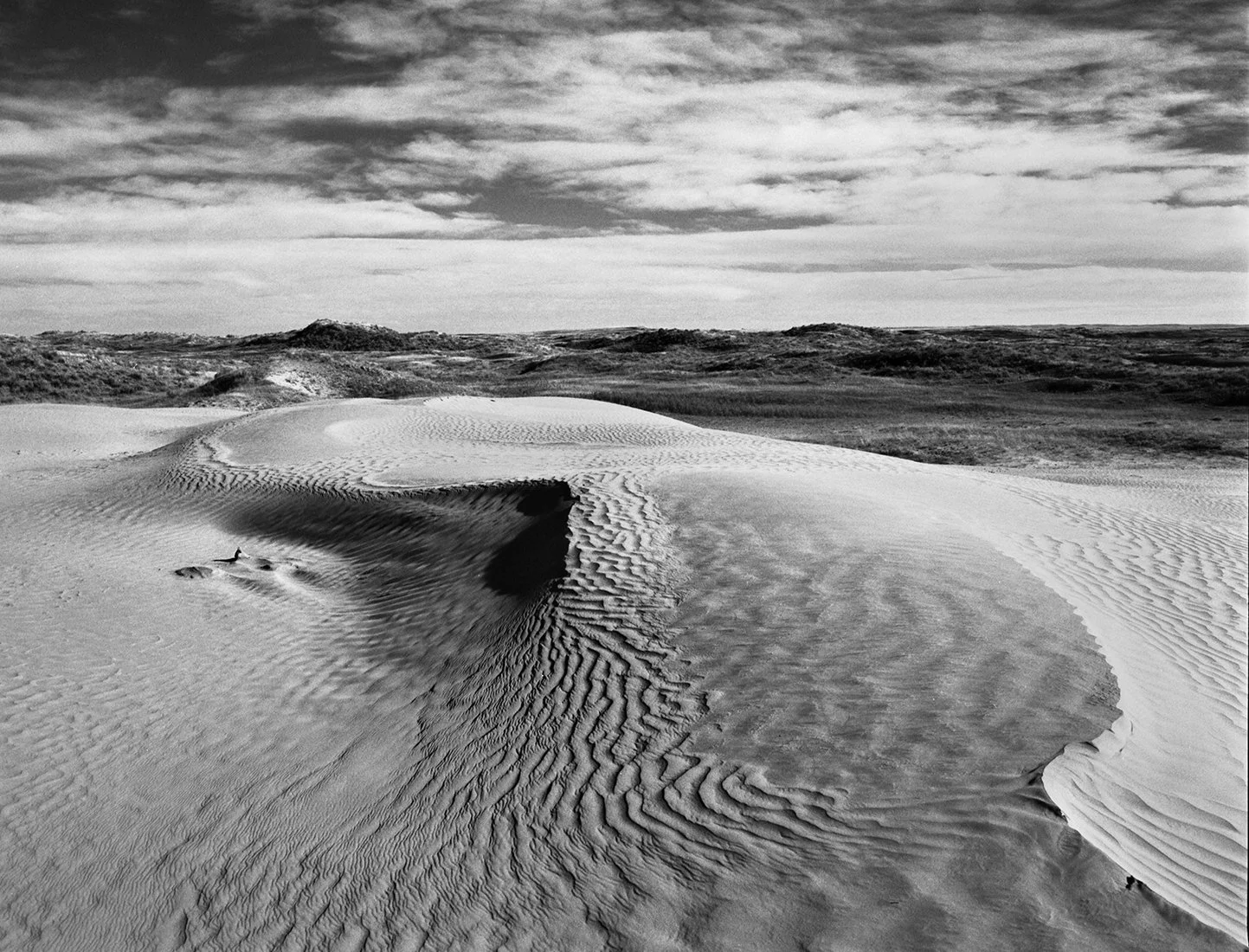
The Great Sand Hills SK
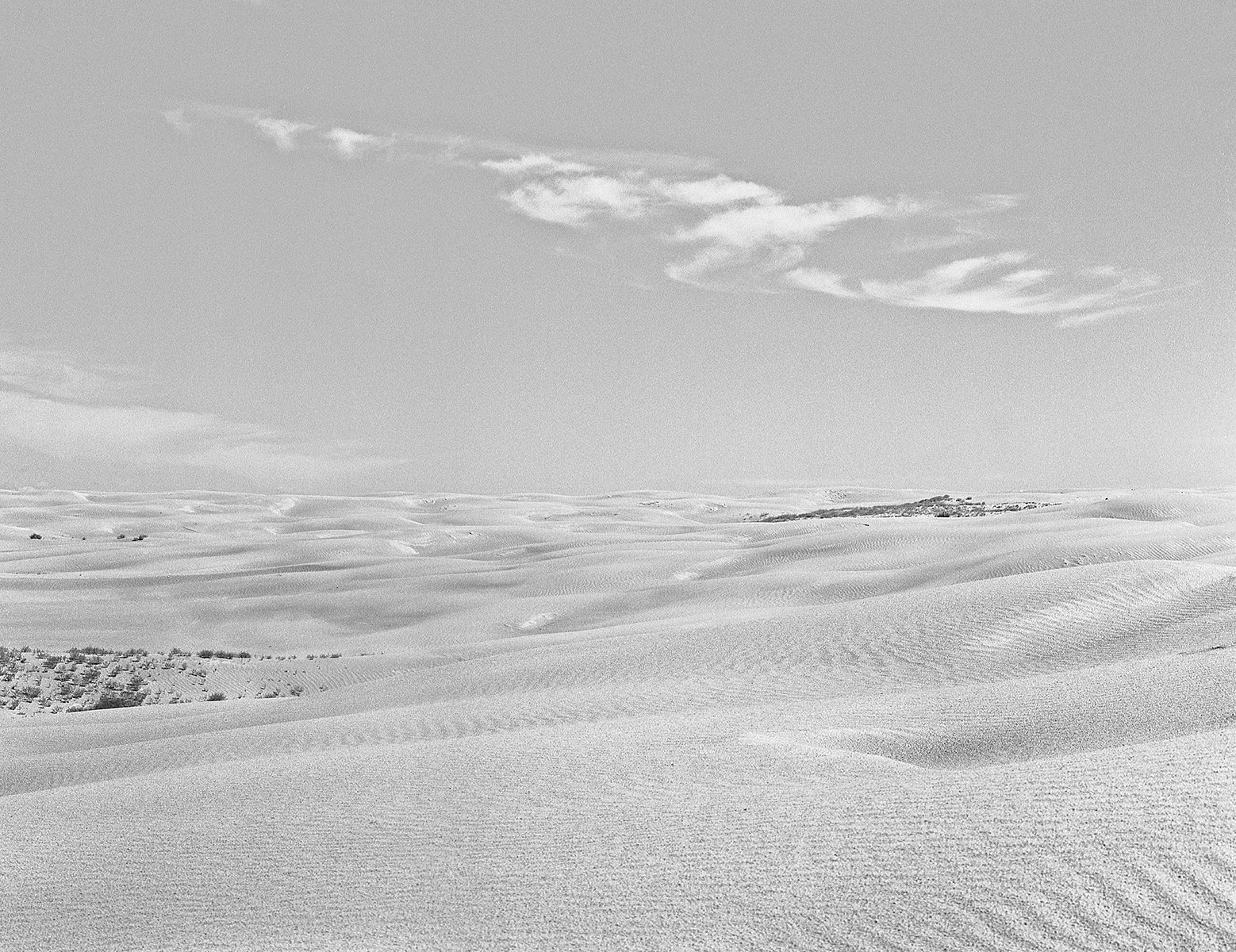
The Great Sandhills SK
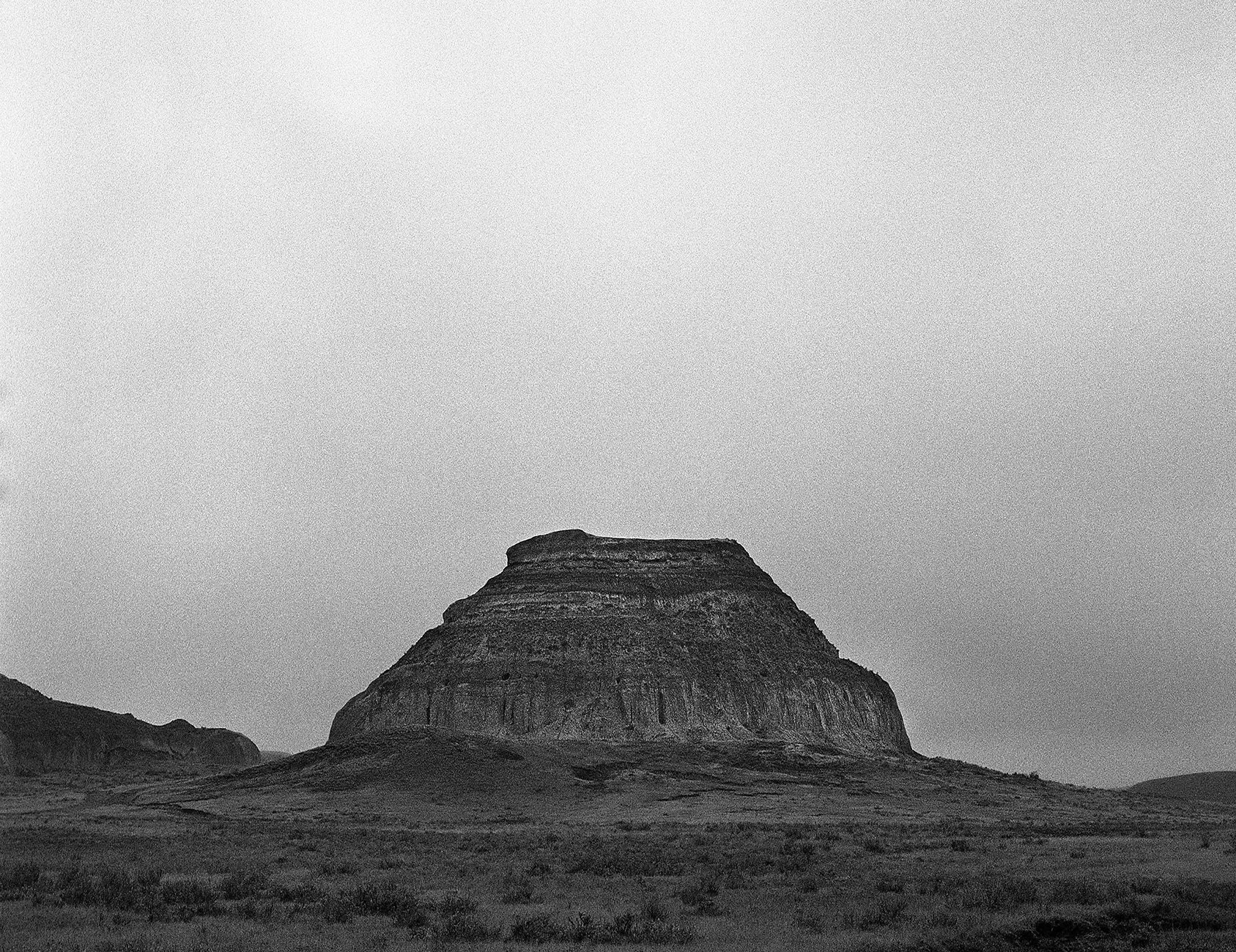
Castle Butte SK
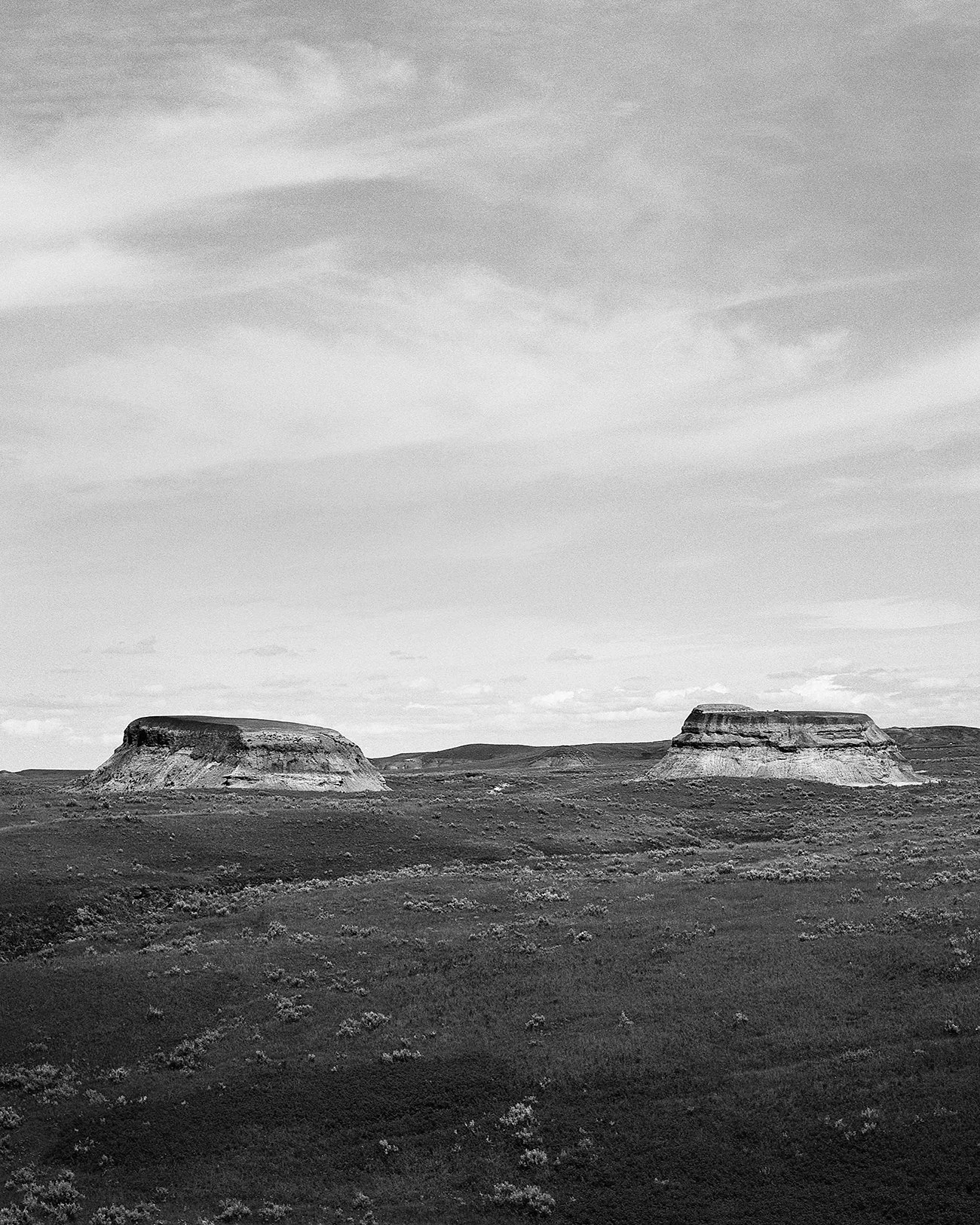
Valley of 1000 Devils SK
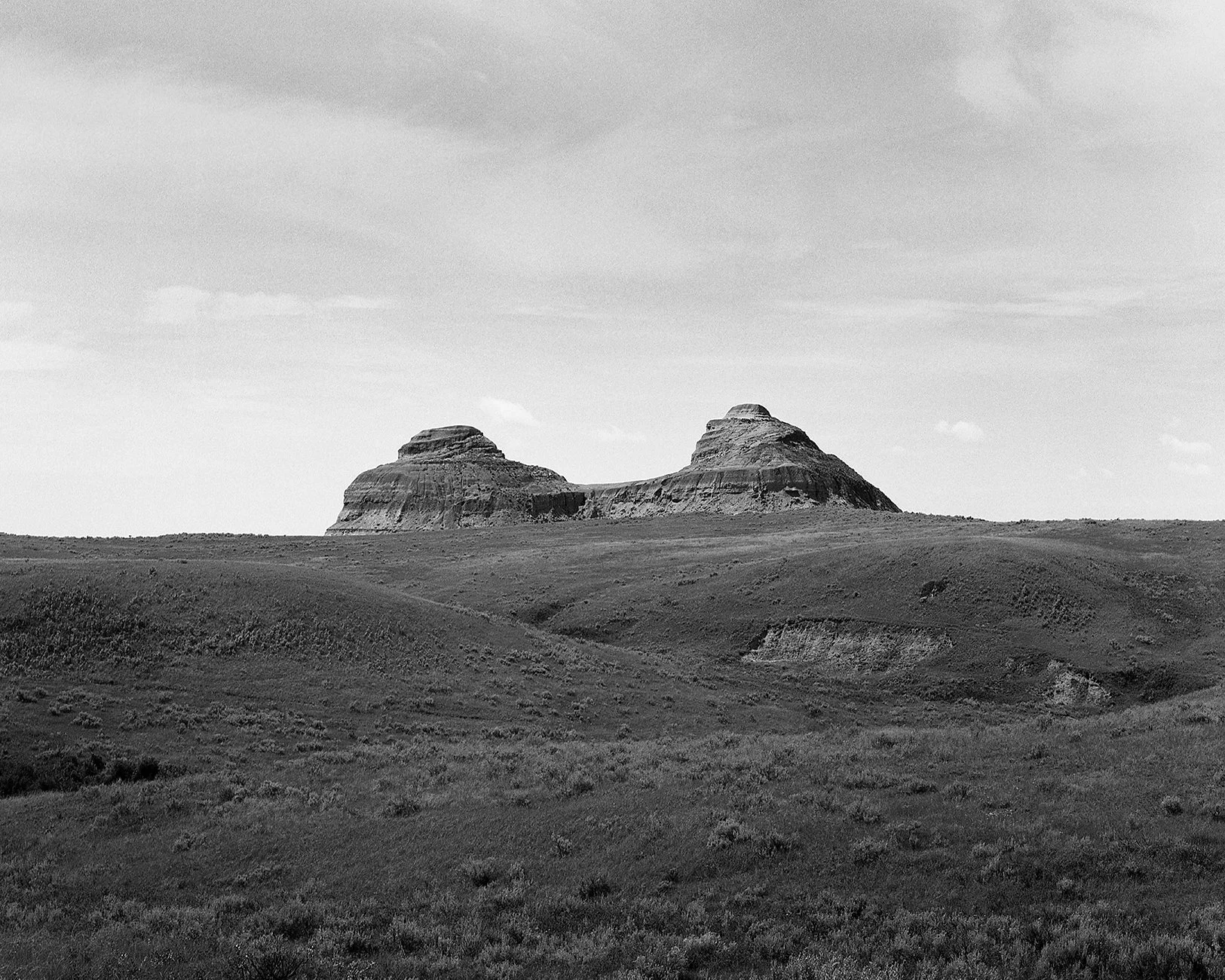
Grasslands National Park East Block SK
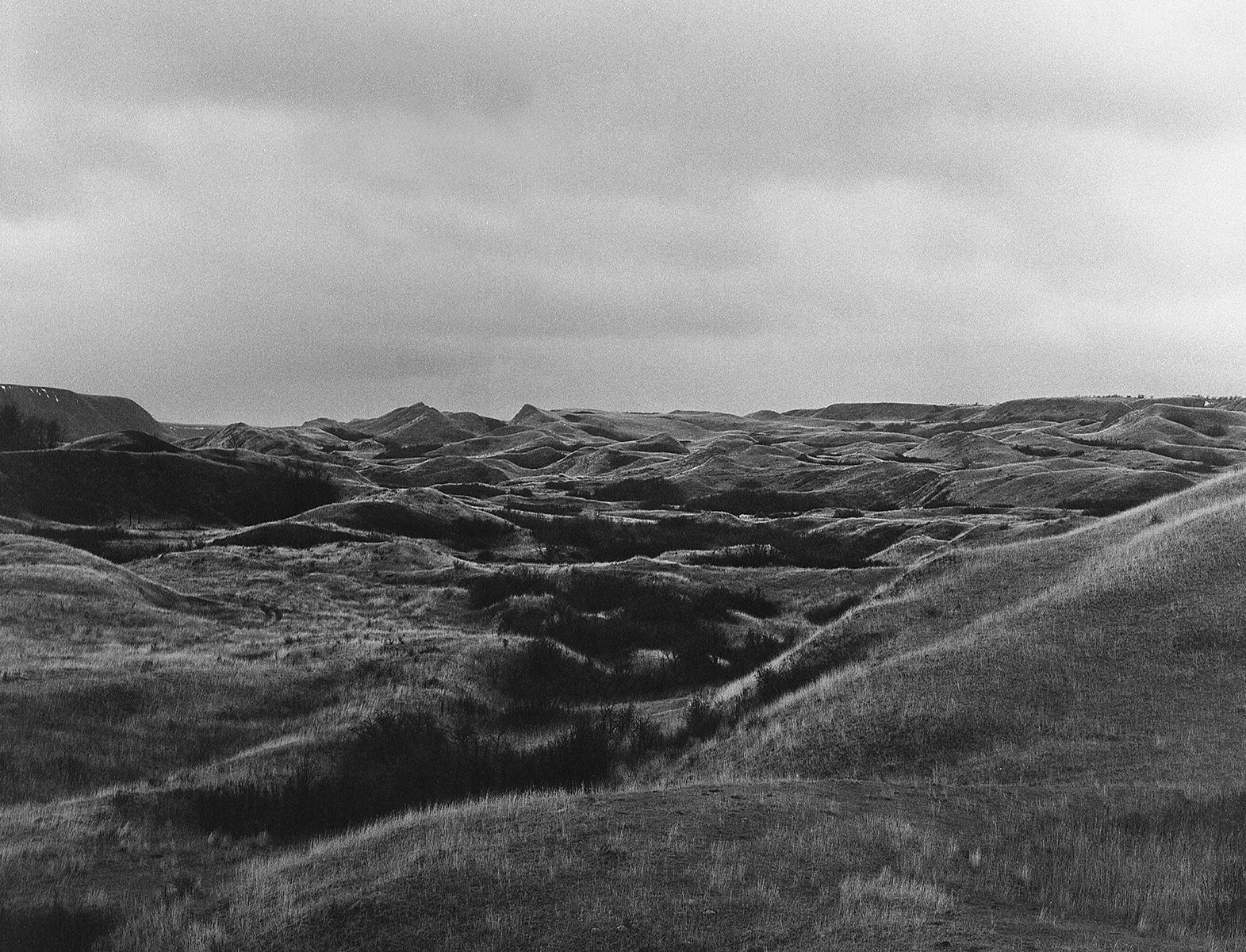
Saskatchewan Landing
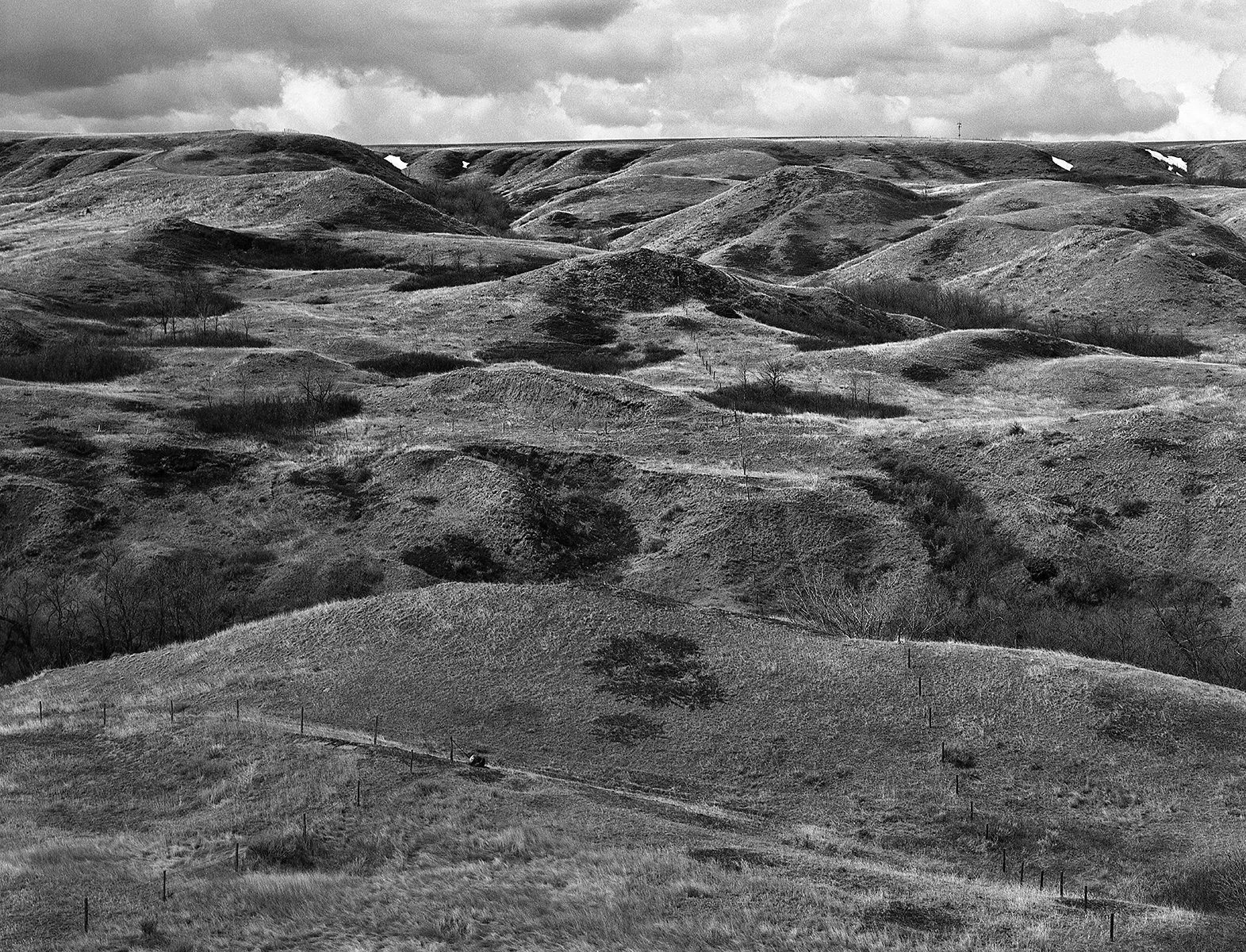
Saskatchewan Landing
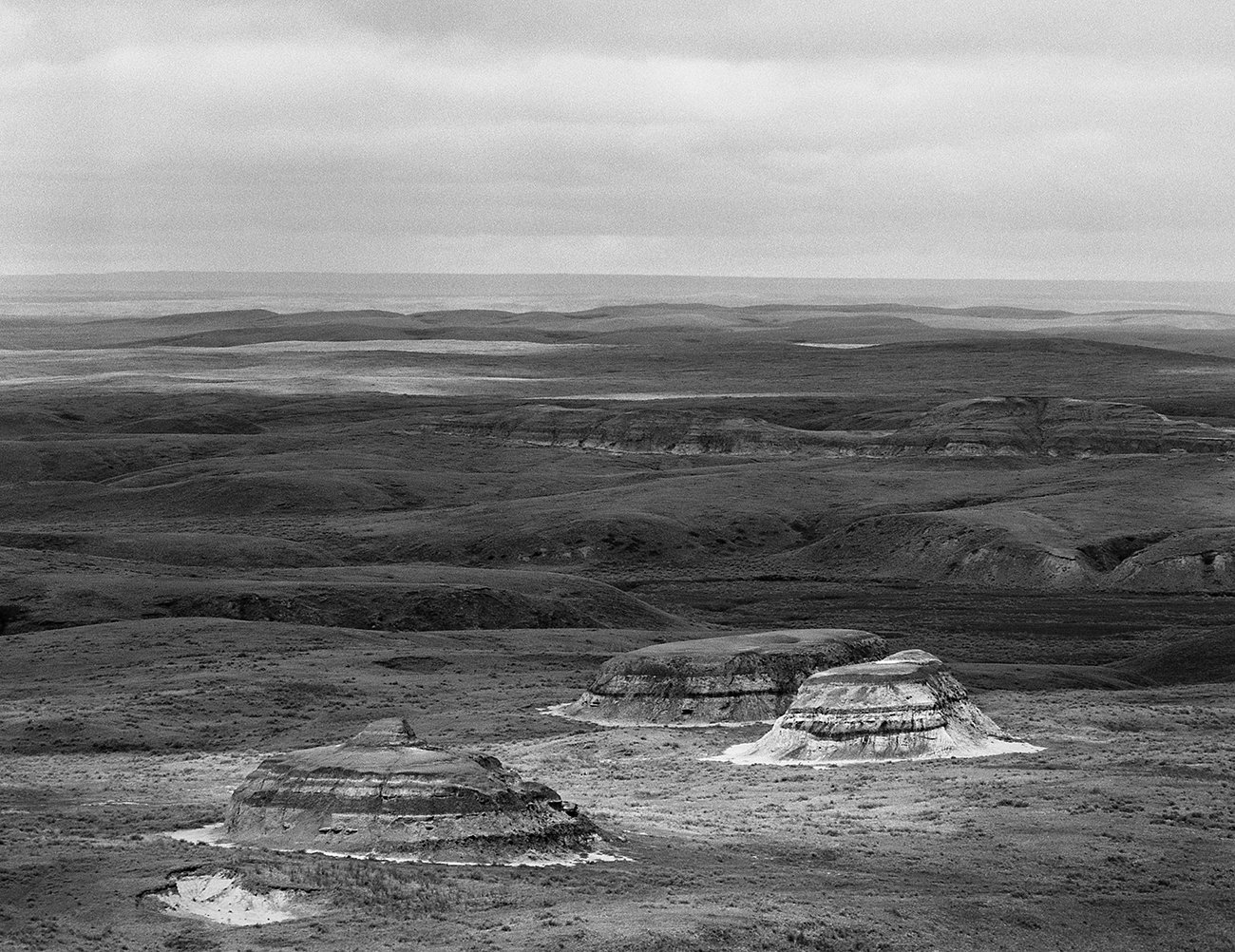
Valley of 1000 Devils SK
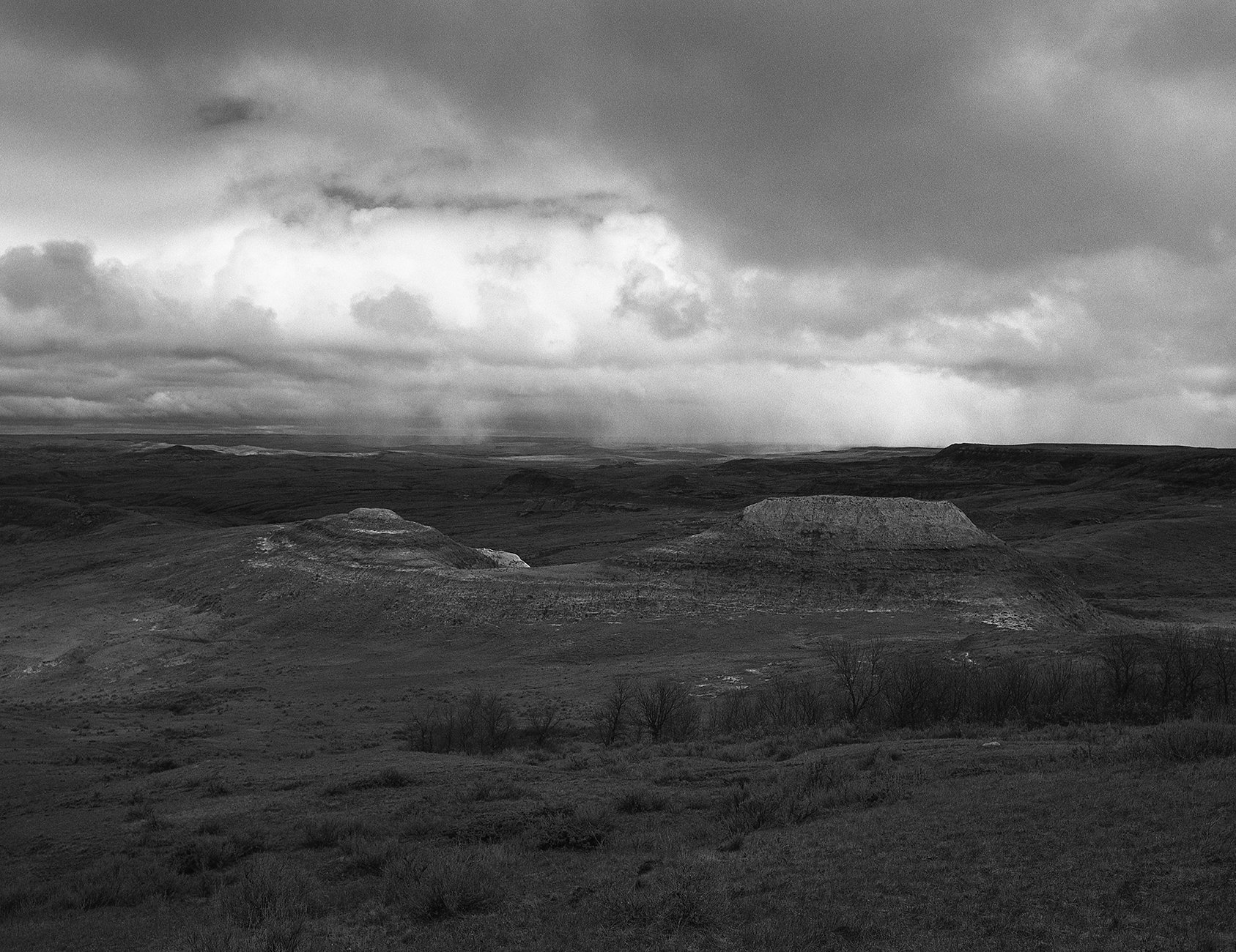
Valley of 1000 Devils
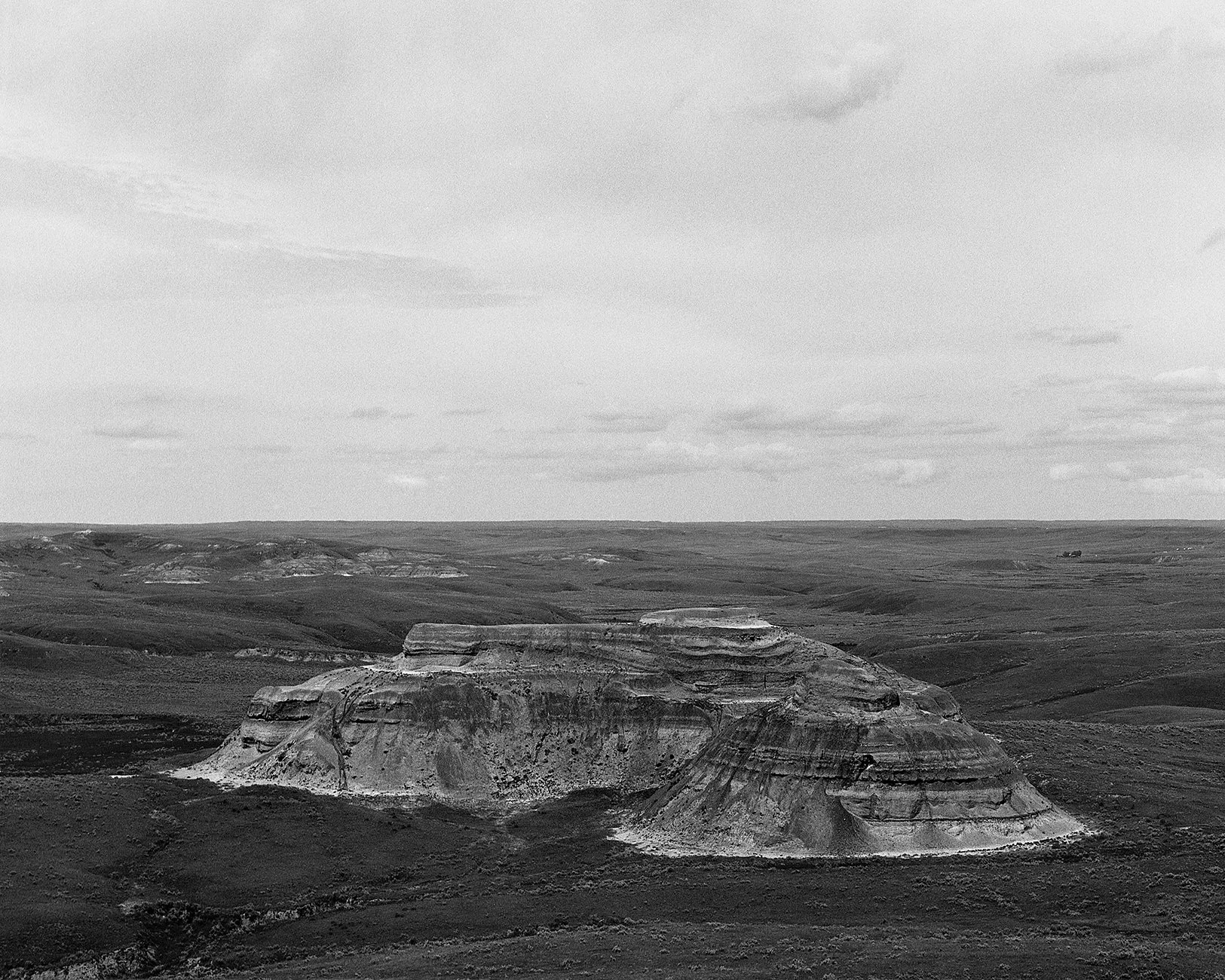
Grasslands National Park East Block SK
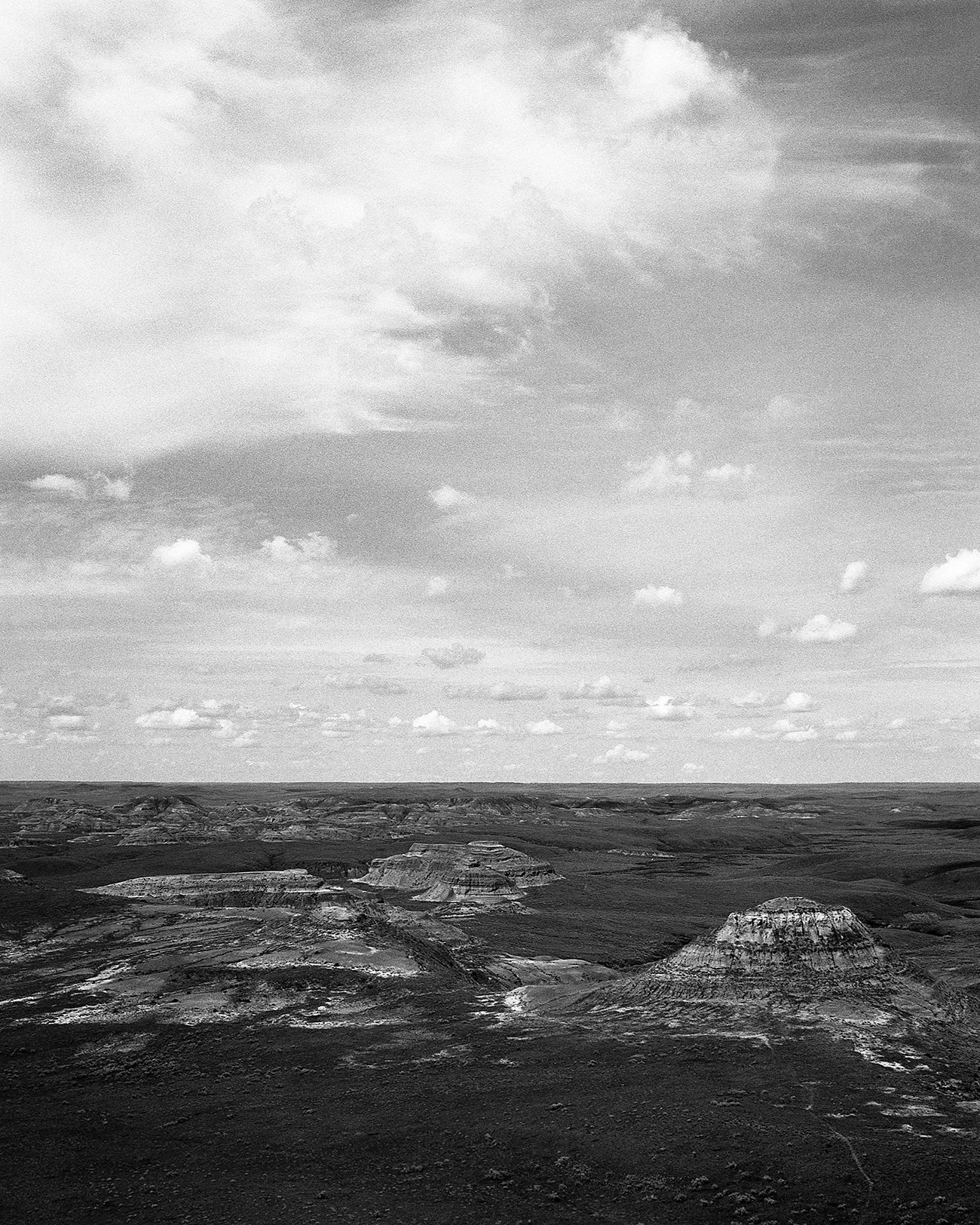
Valley of 1000 Devils SK
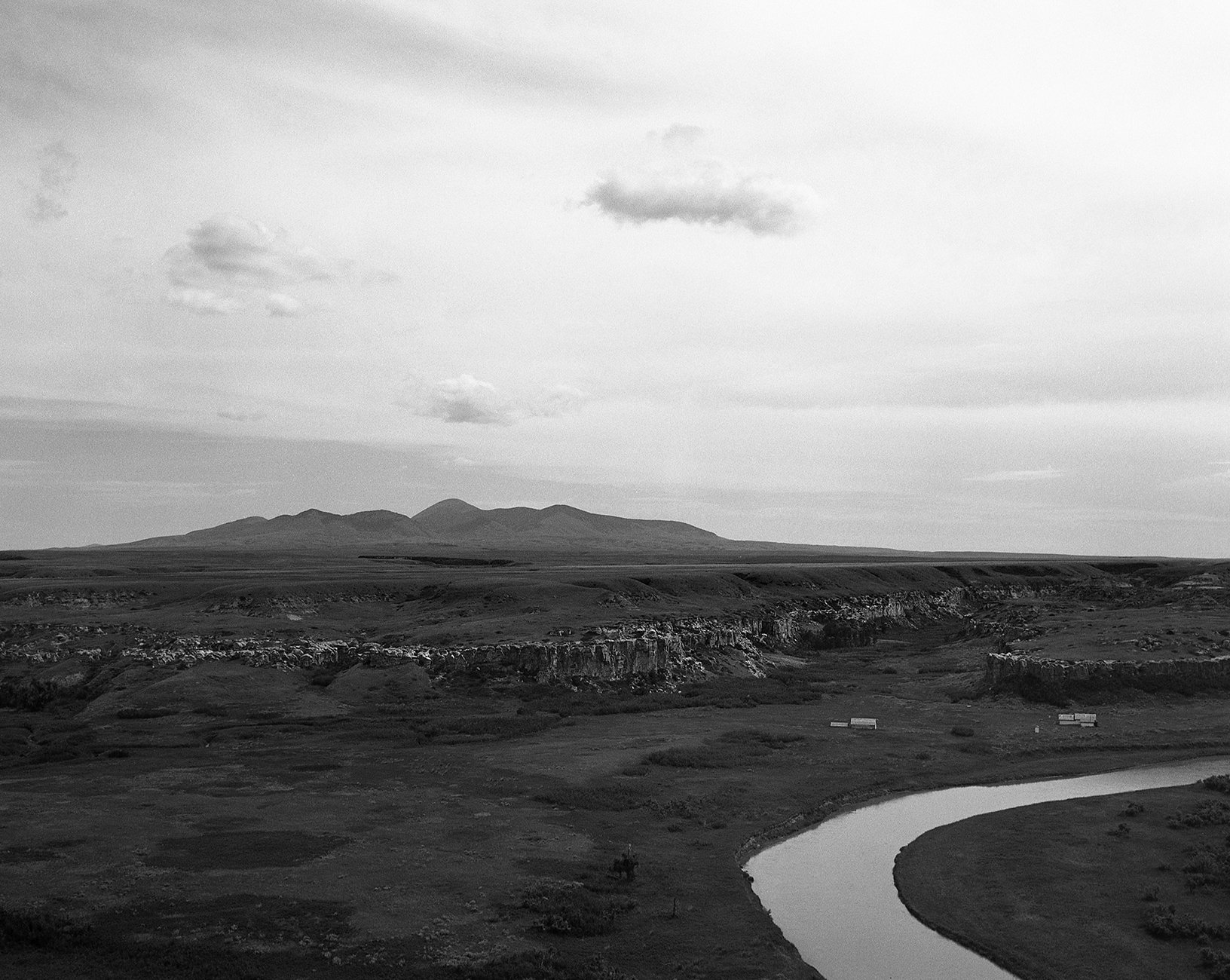
Police Coulee and Milk River AB
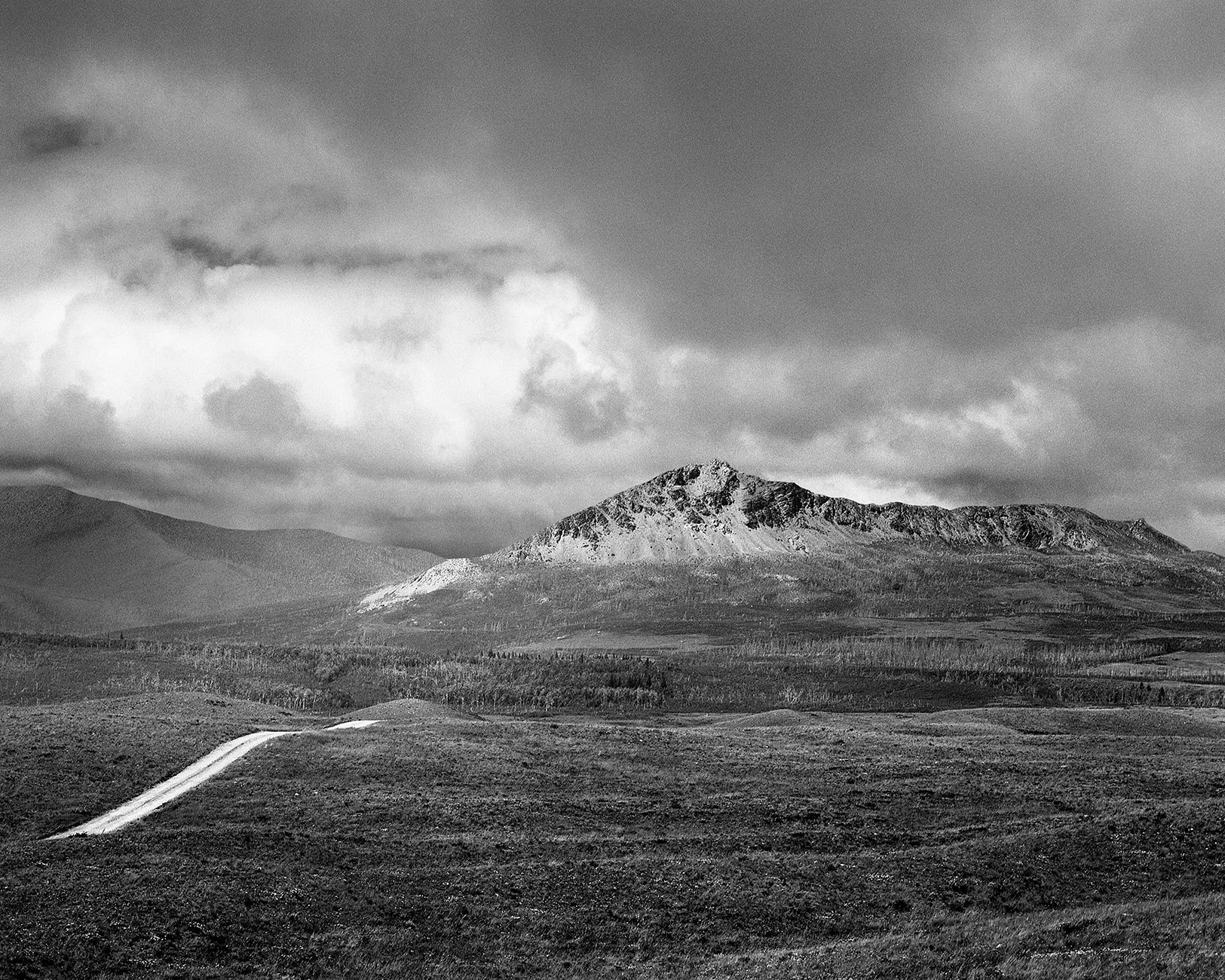
Highway #500 and West Butte AB