SELF
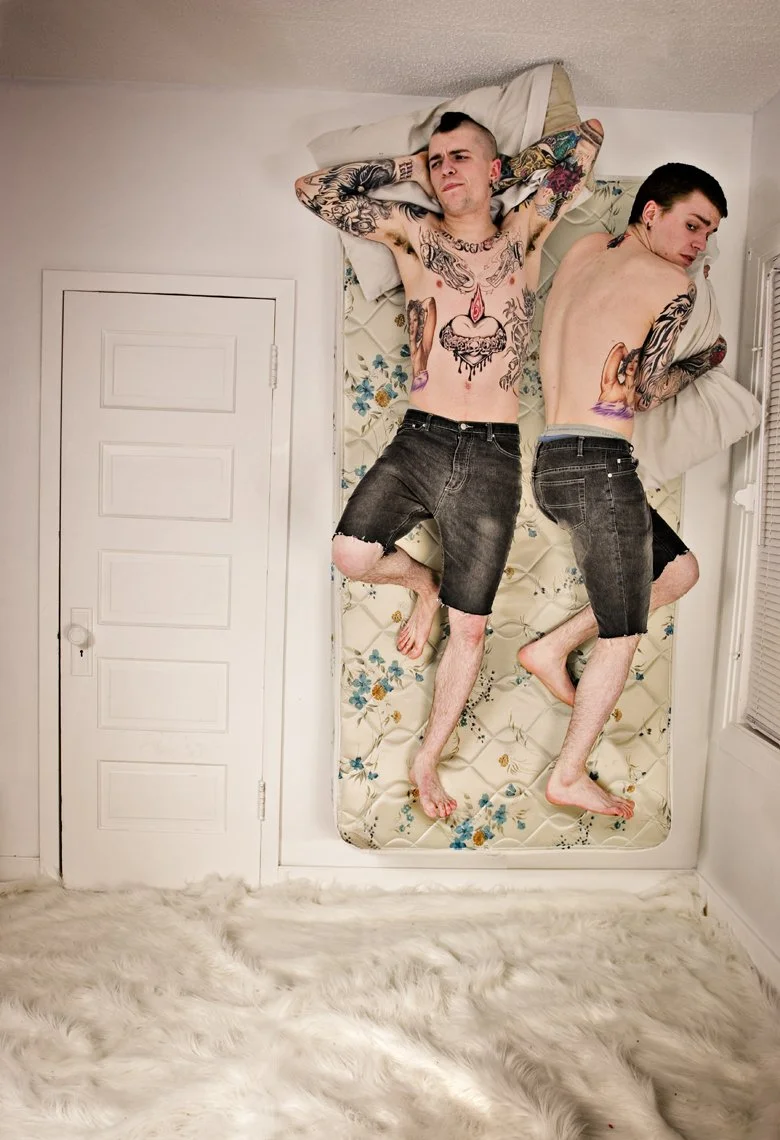
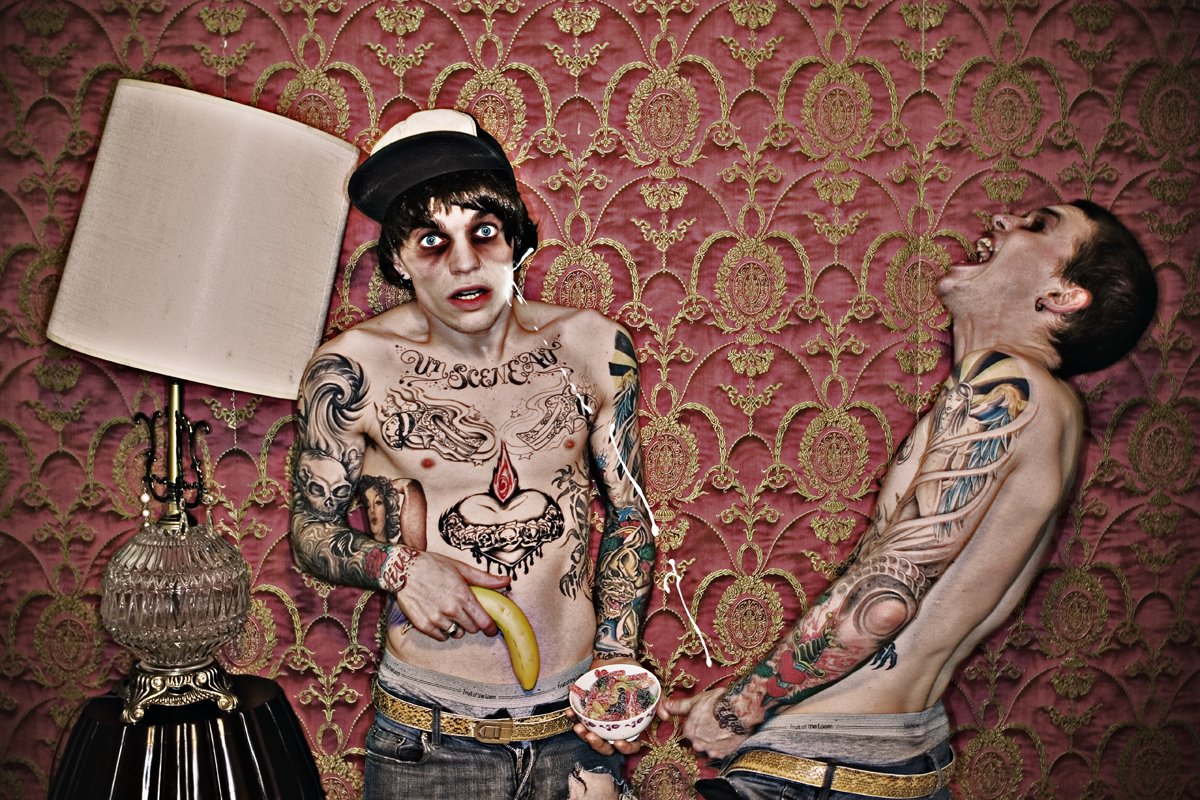
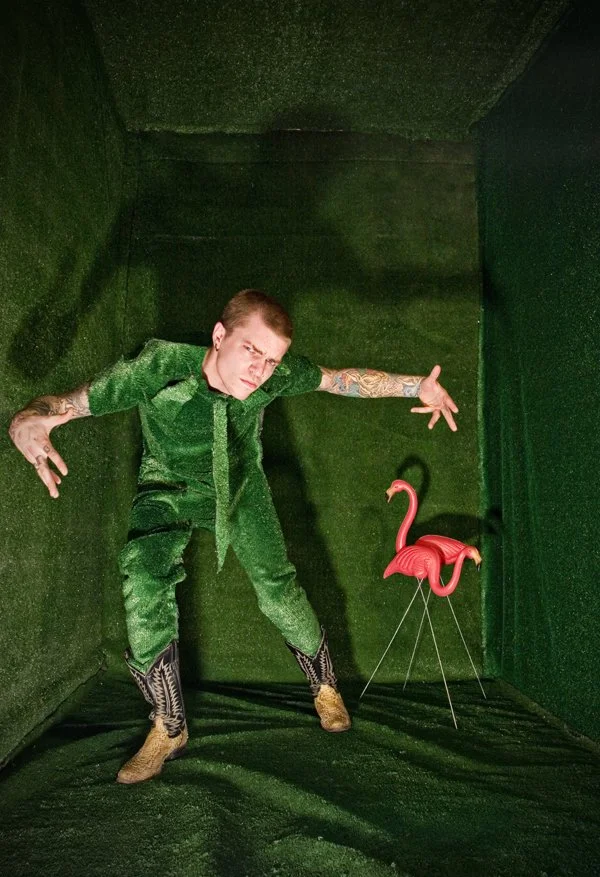
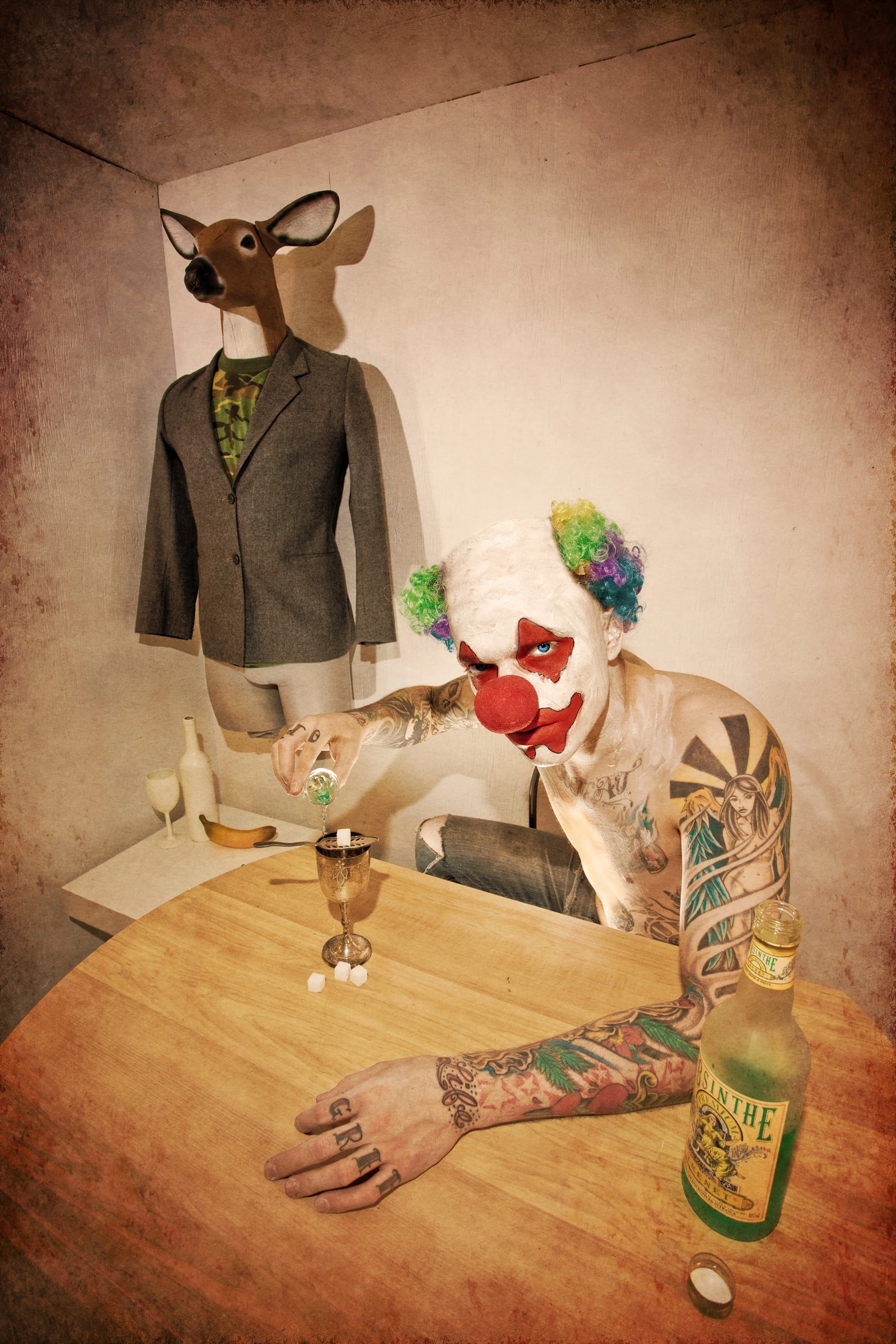
Self was created throughout my twenties during a period of ongoing self-exploration. What began as a practical solution to the availability of a subject gradually became a sustained investigation into identity, belonging, performance, and the roles we inhabit throughout our lives.
Using myself as both subject and material, the work became a space to test assumptions, question narratives, and examine the distance between private experience and public presentation. Many of the images move between sincerity and performance, vulnerability and construction, reflecting and ongoing attempt to understand how identity is shaped, negotiated, and expressed.
At the time these photographs were made, I was not seeking answers so much as creating a space in which questions could exist. Looking back, the work reveals truths I was often unable to recognize while making it. The images document a search for self-understanding, but they also stand as evidence of a willingness to occupy uncertainty and explore it openly.
What remains most significantly is not the resolution of those questions, but the honesty with which they were pursued. The work captures a level of vulnerability, curiosity, and self-examination that feels inseparable from that period of my life, and one that continues to resonate long after the photographs were made.
Milk Whores
Fake Market
Tony Two
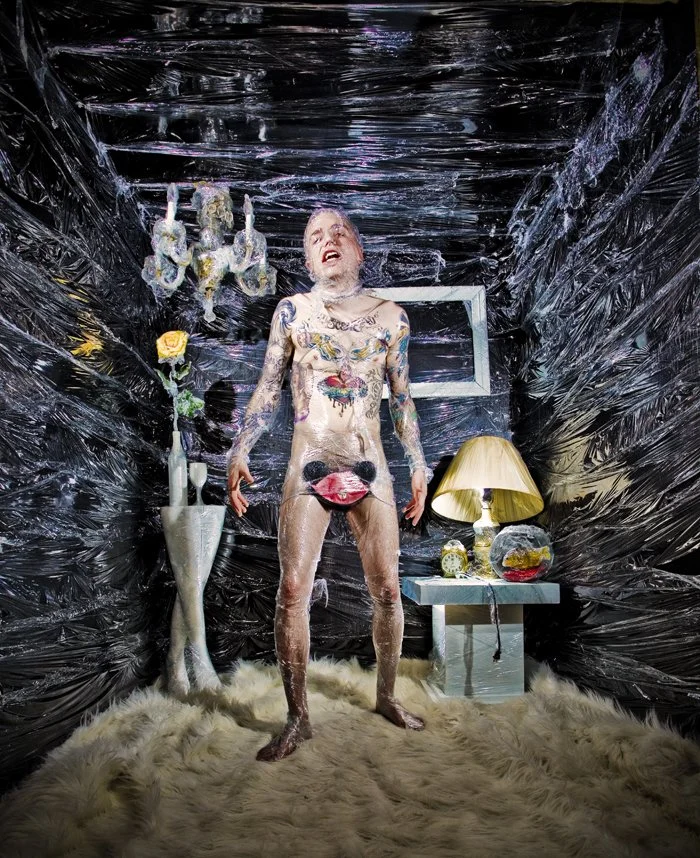
Mickey Mouse World
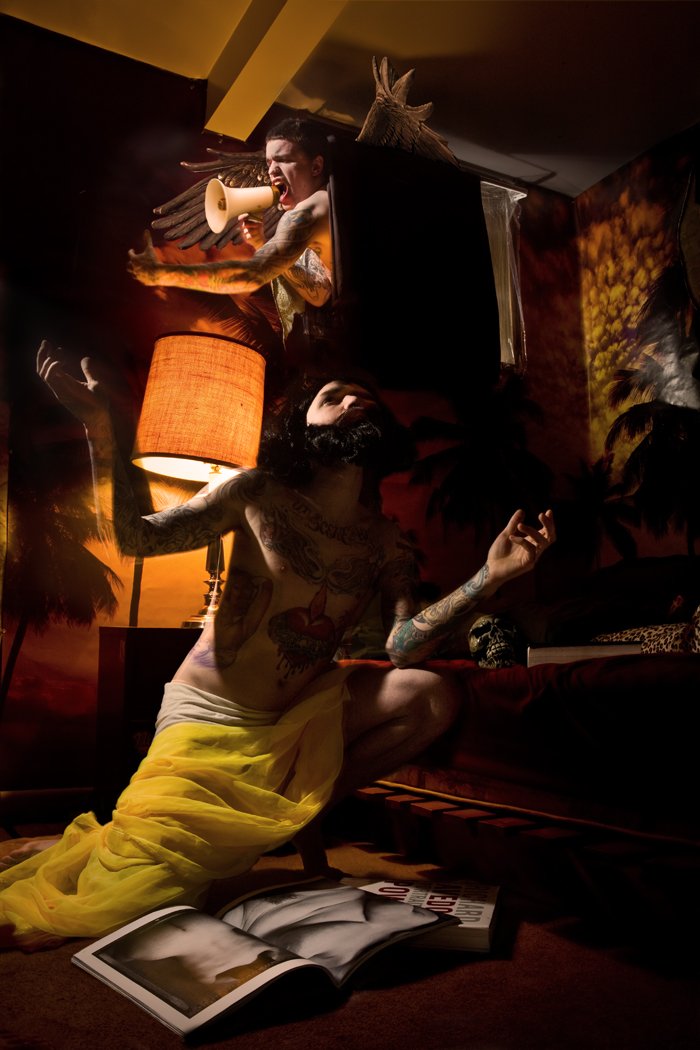
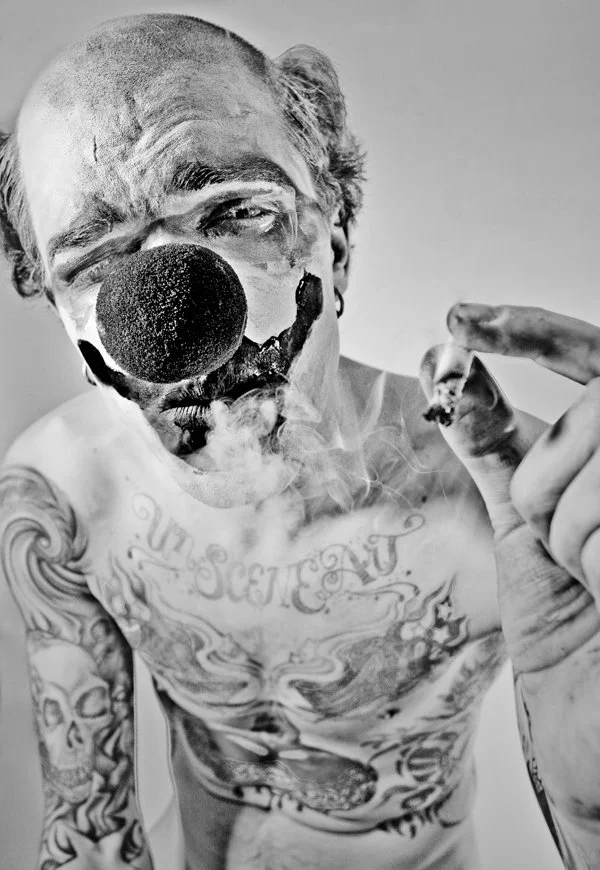
Tony Two
Cheaper than a One Night Stand
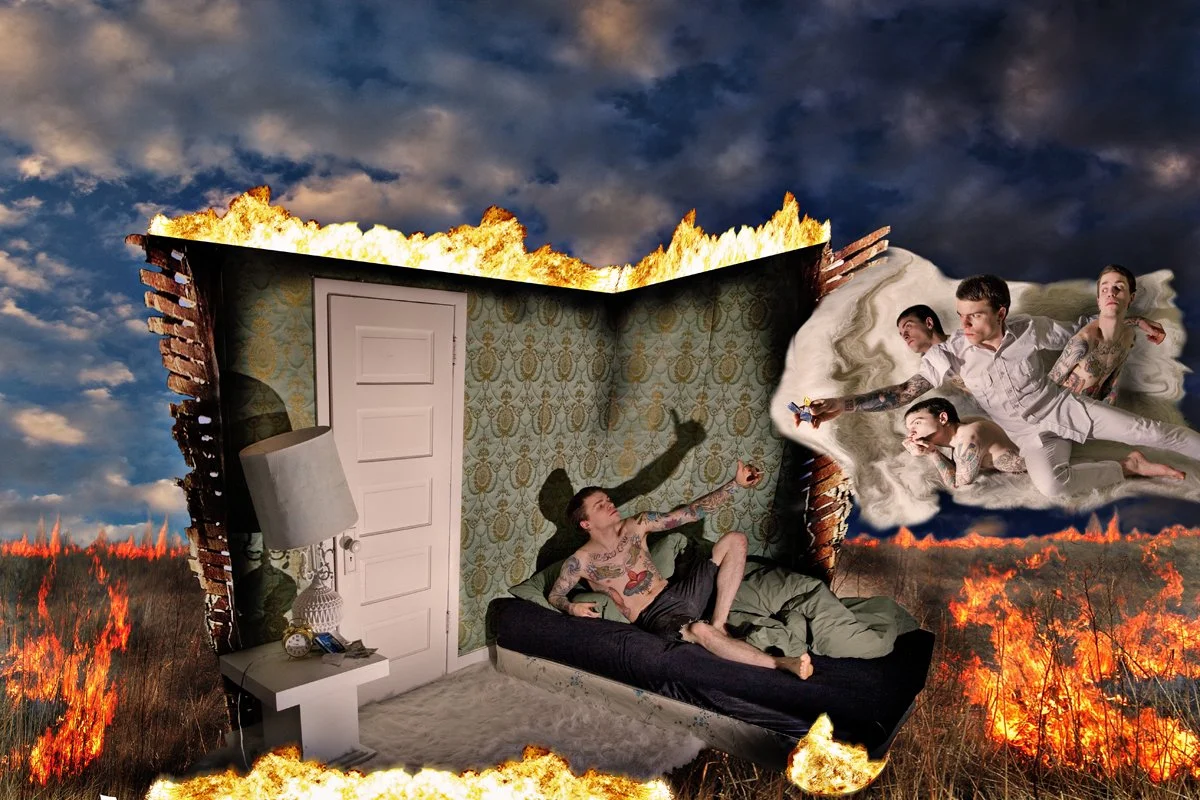
Let There Be Light
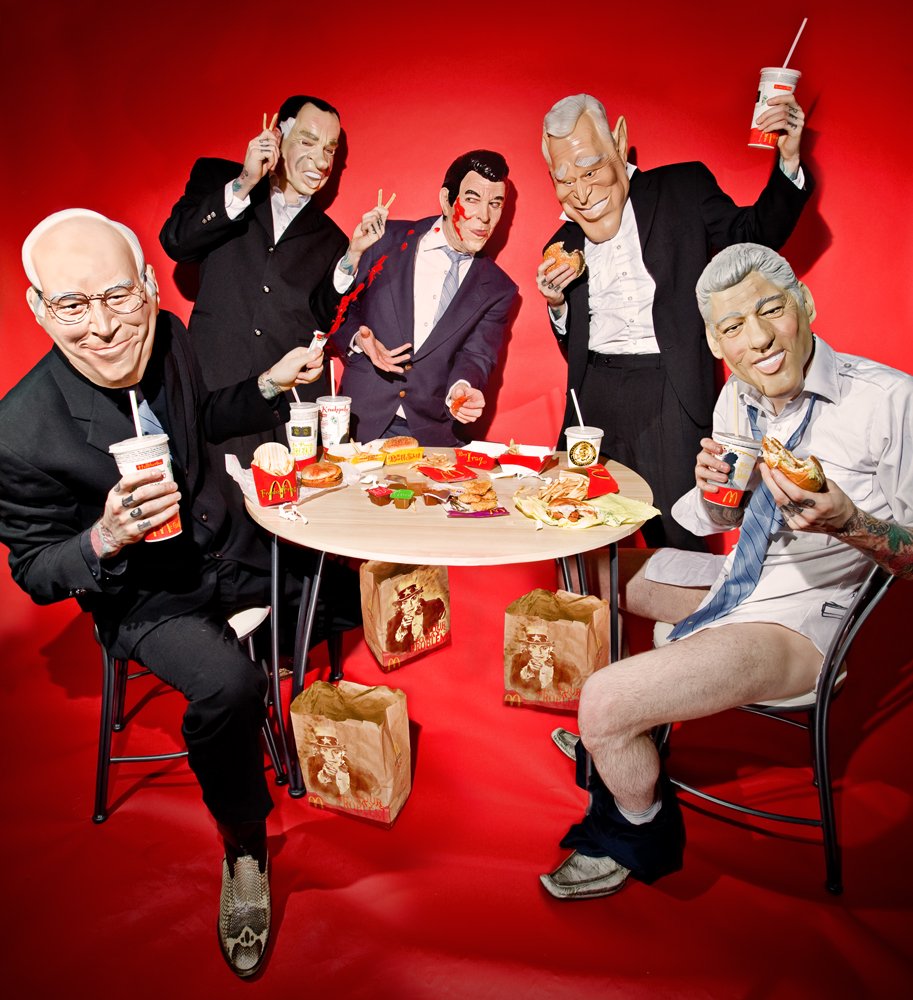
McWorld
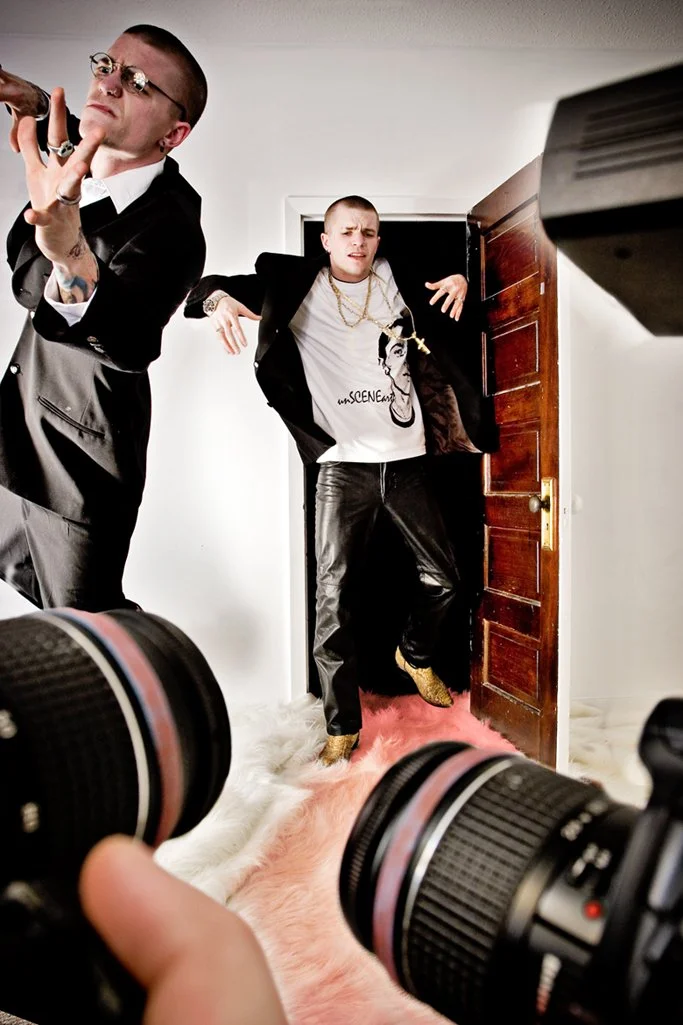
Red Carpet

Do Not Remove
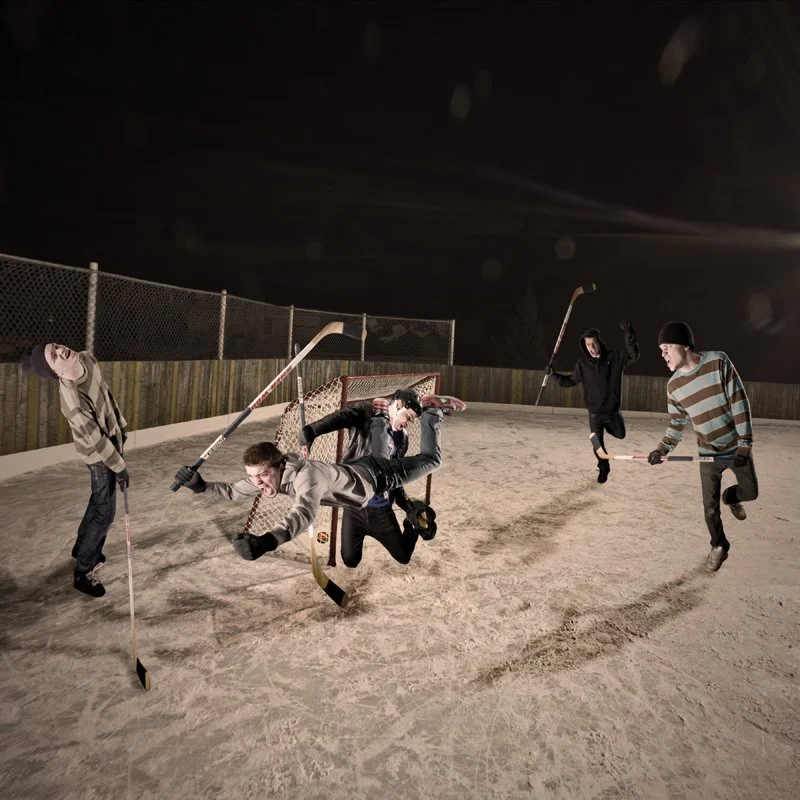
Hockey Night in Canada
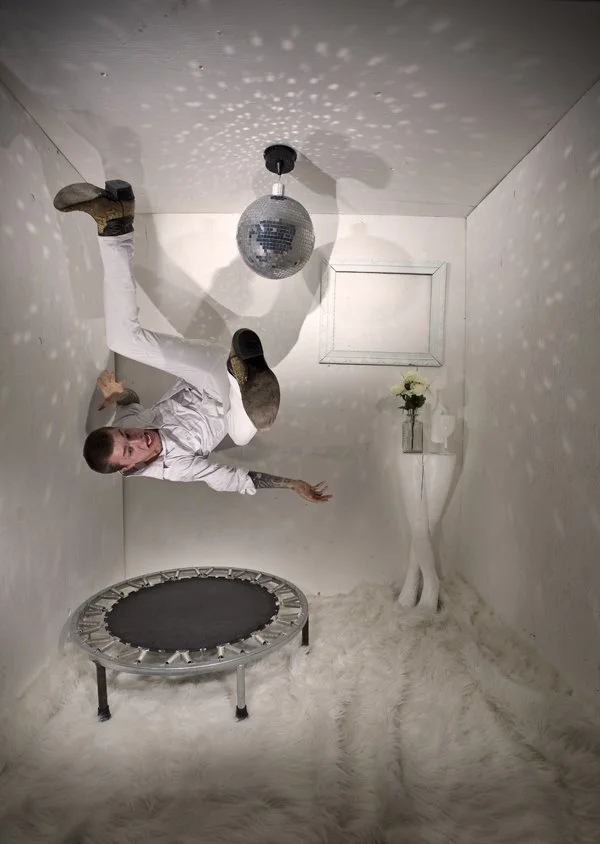
Disco Flip
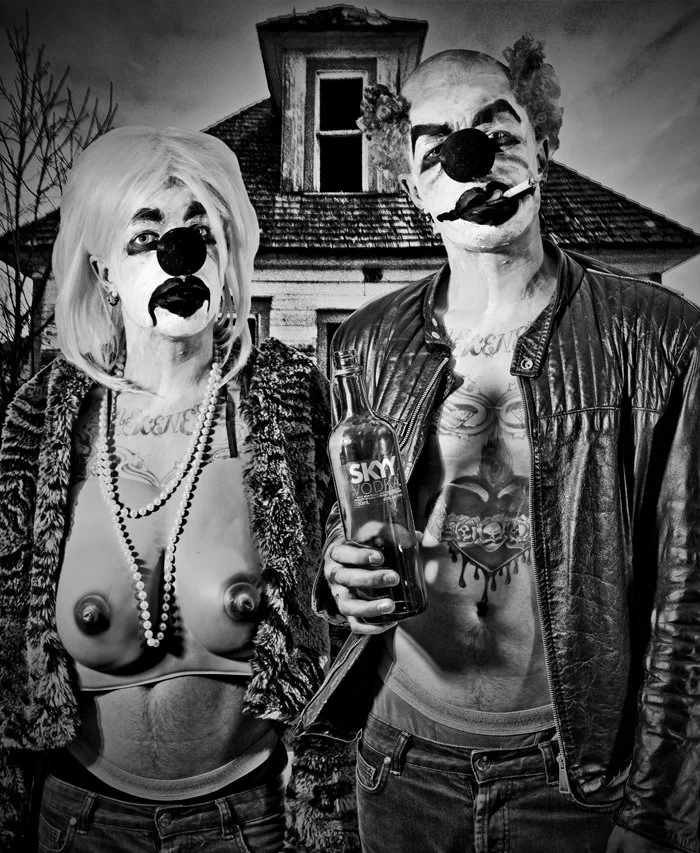
Carnival Gothic
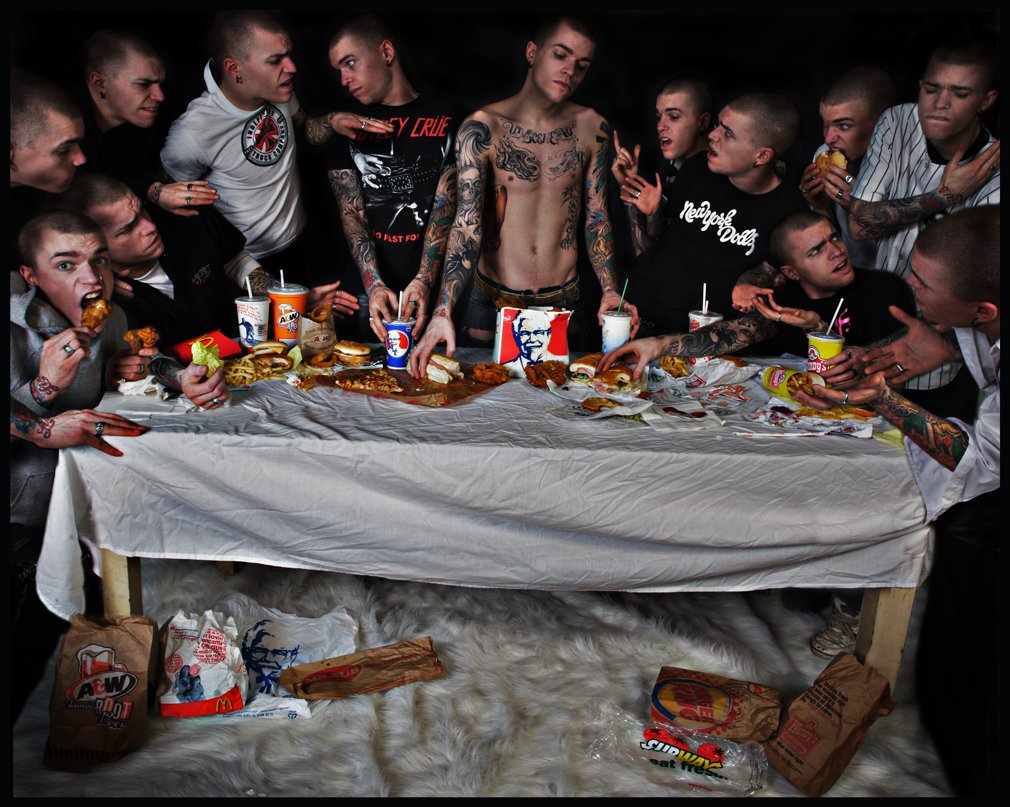
Last Fast Supper
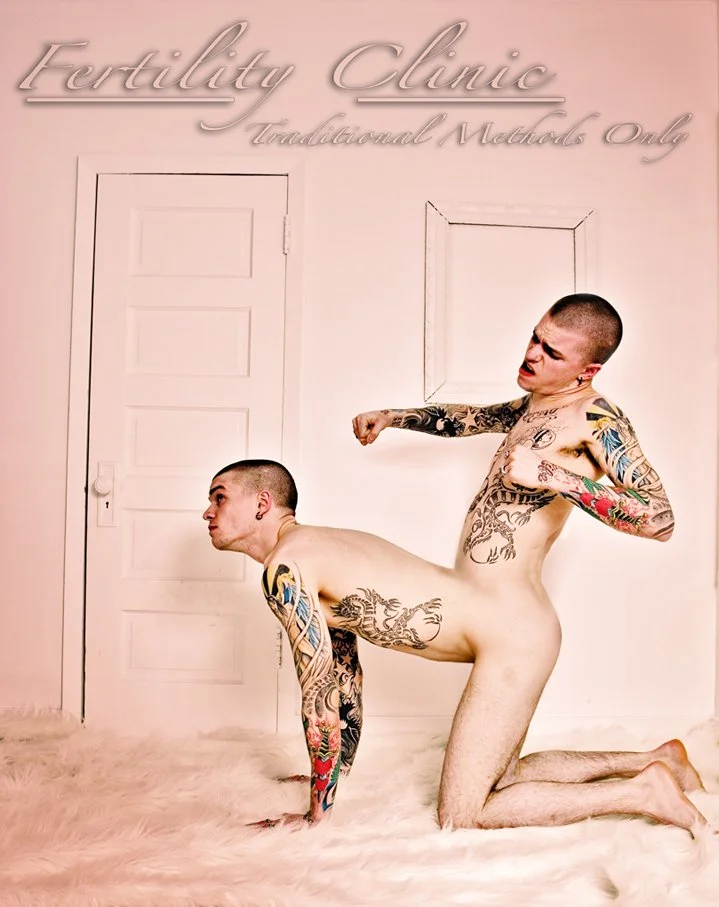
Fertility Clinic
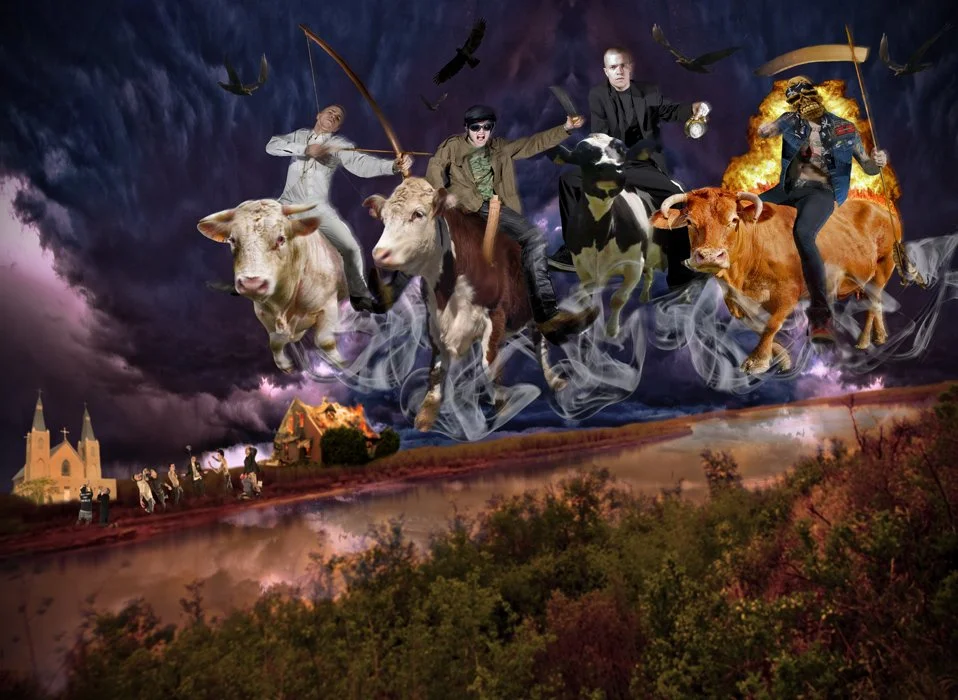
Lactose Appocolypse
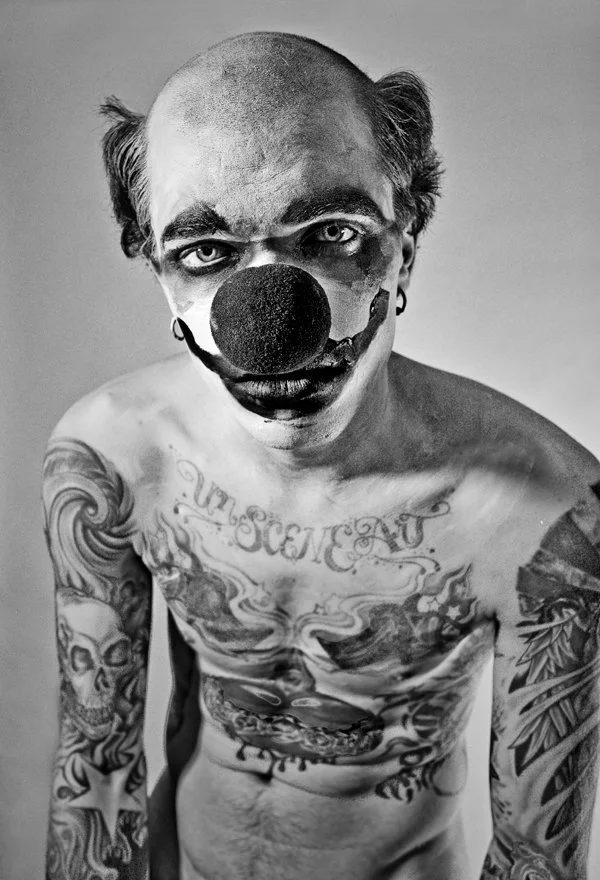
Tony Two
MOTEL HOETEL
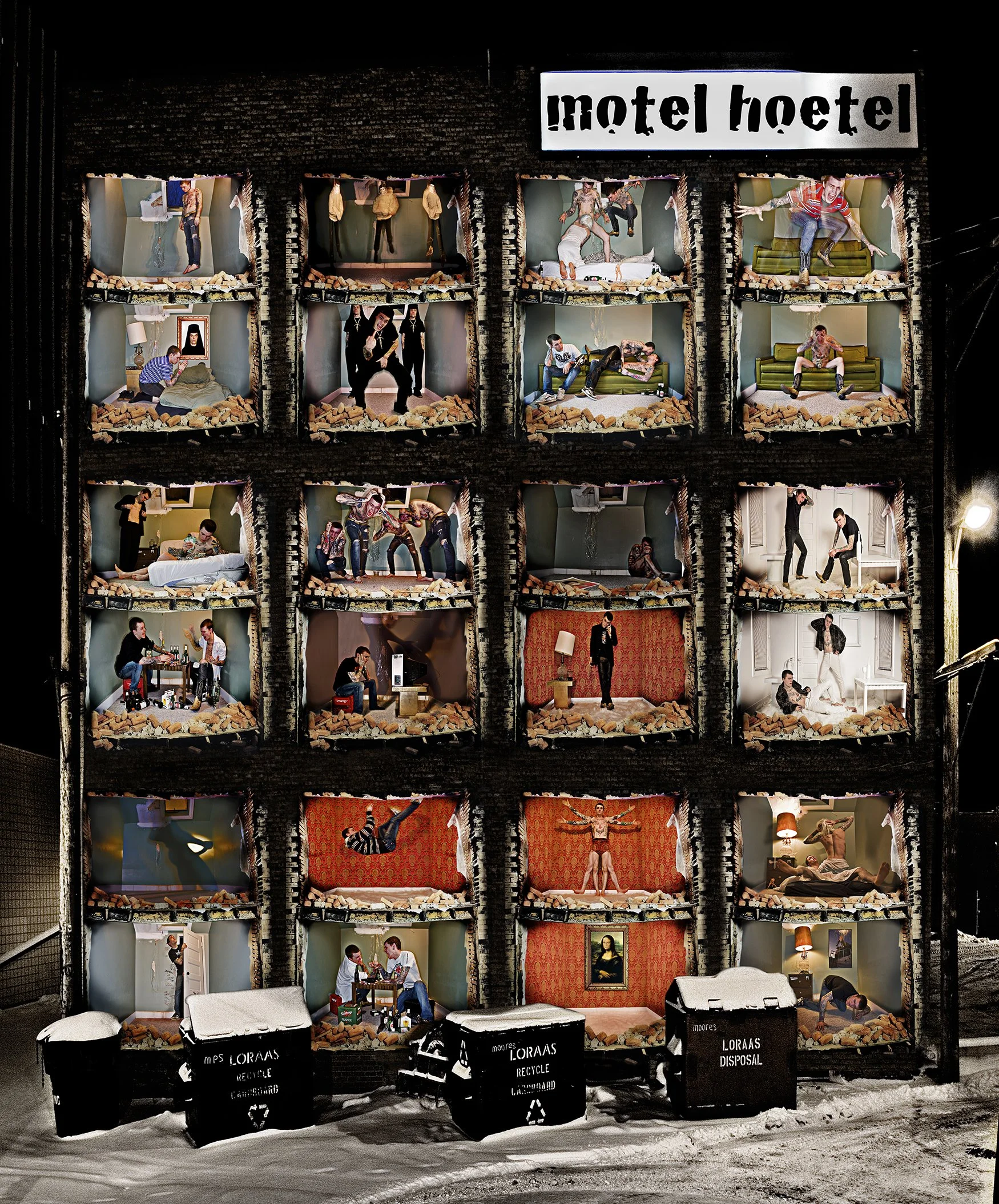
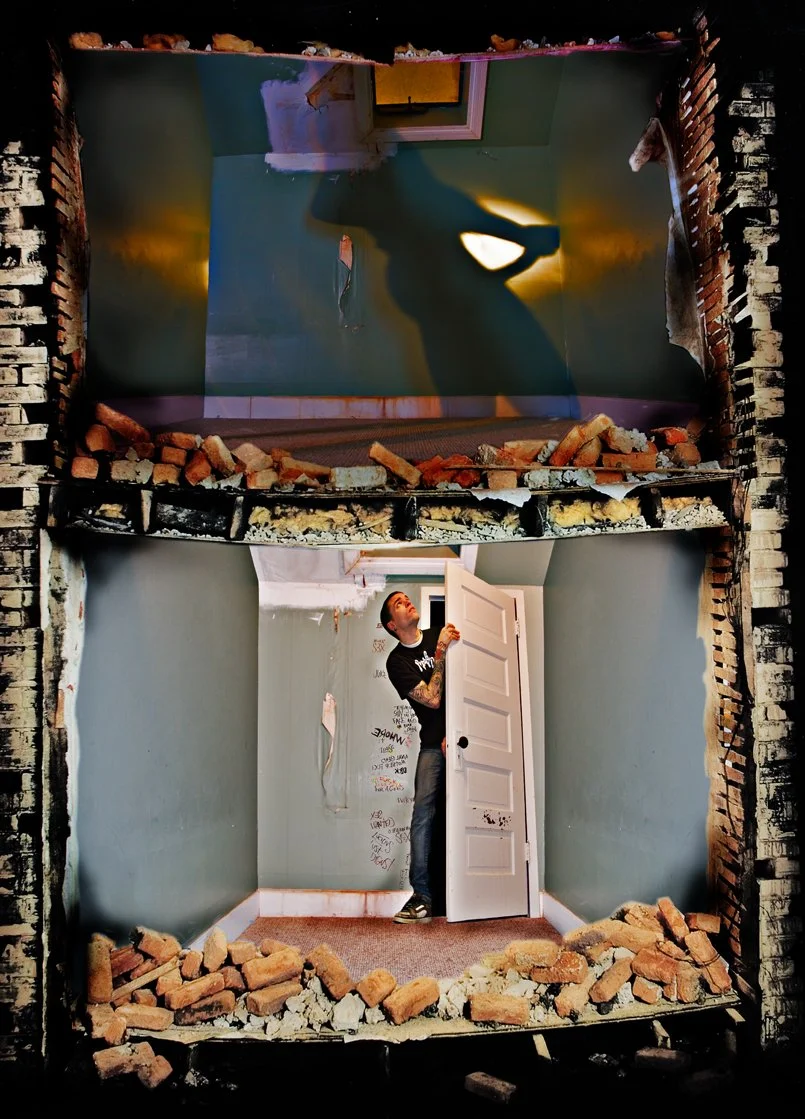
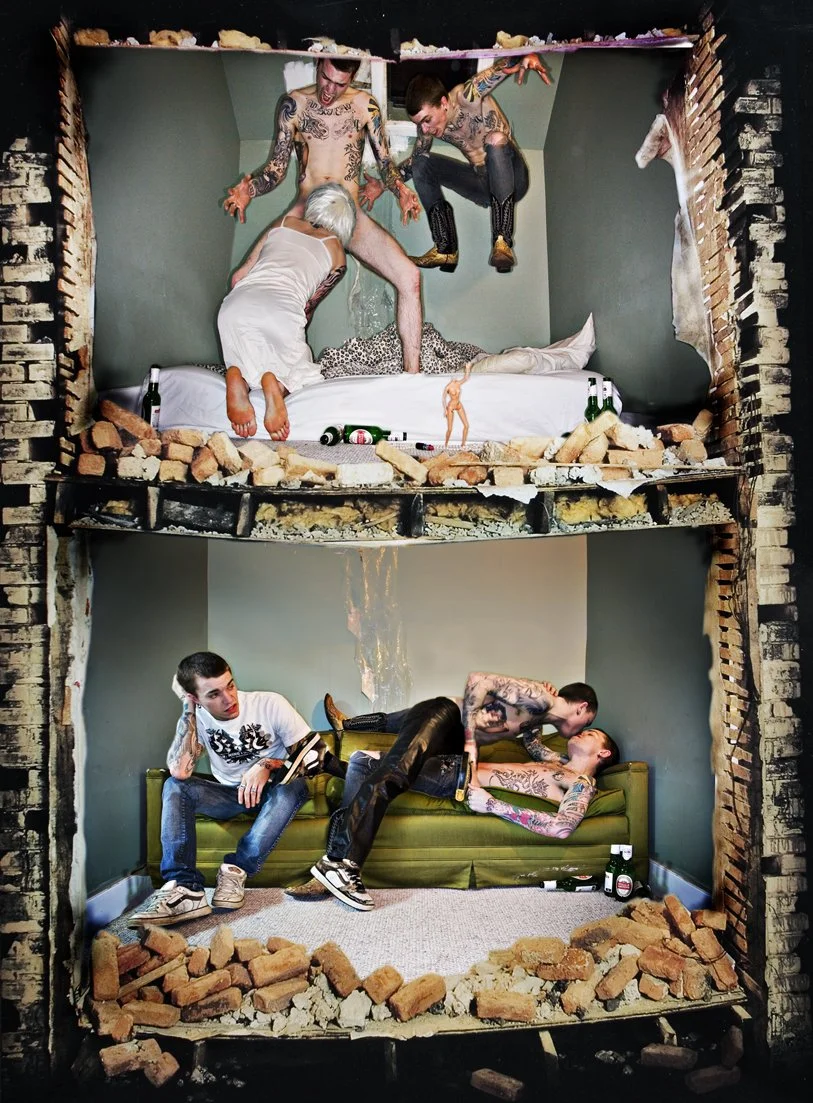
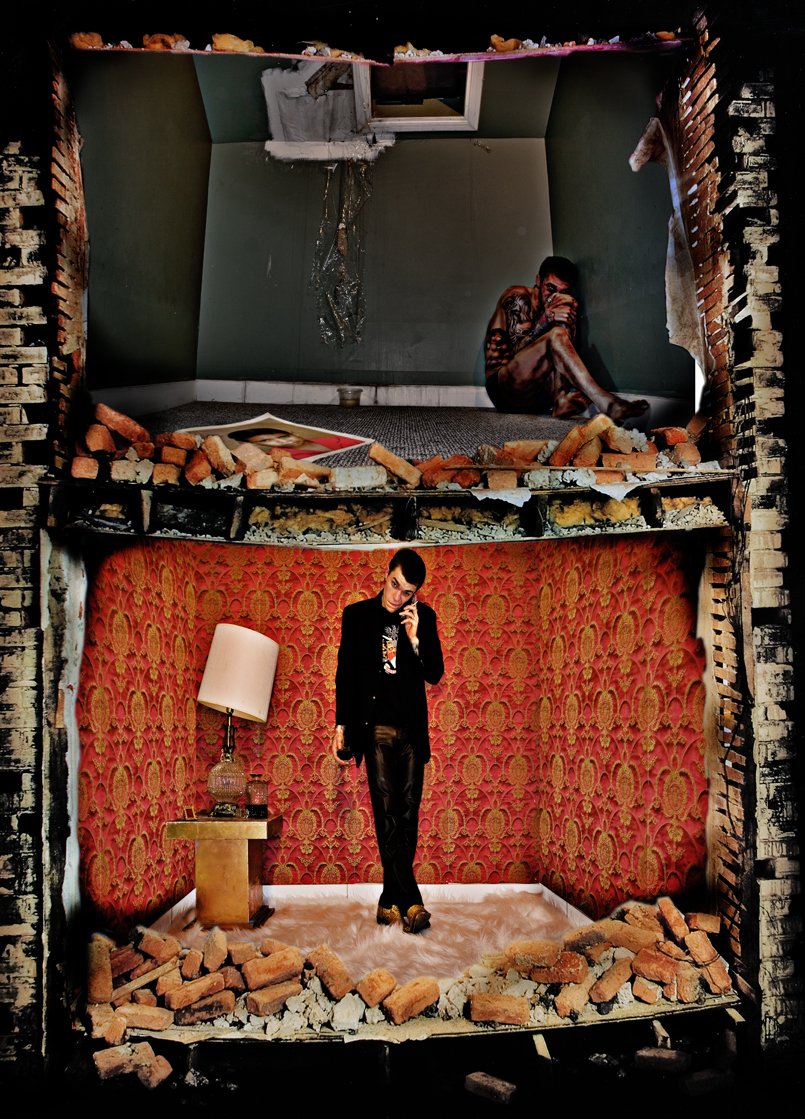
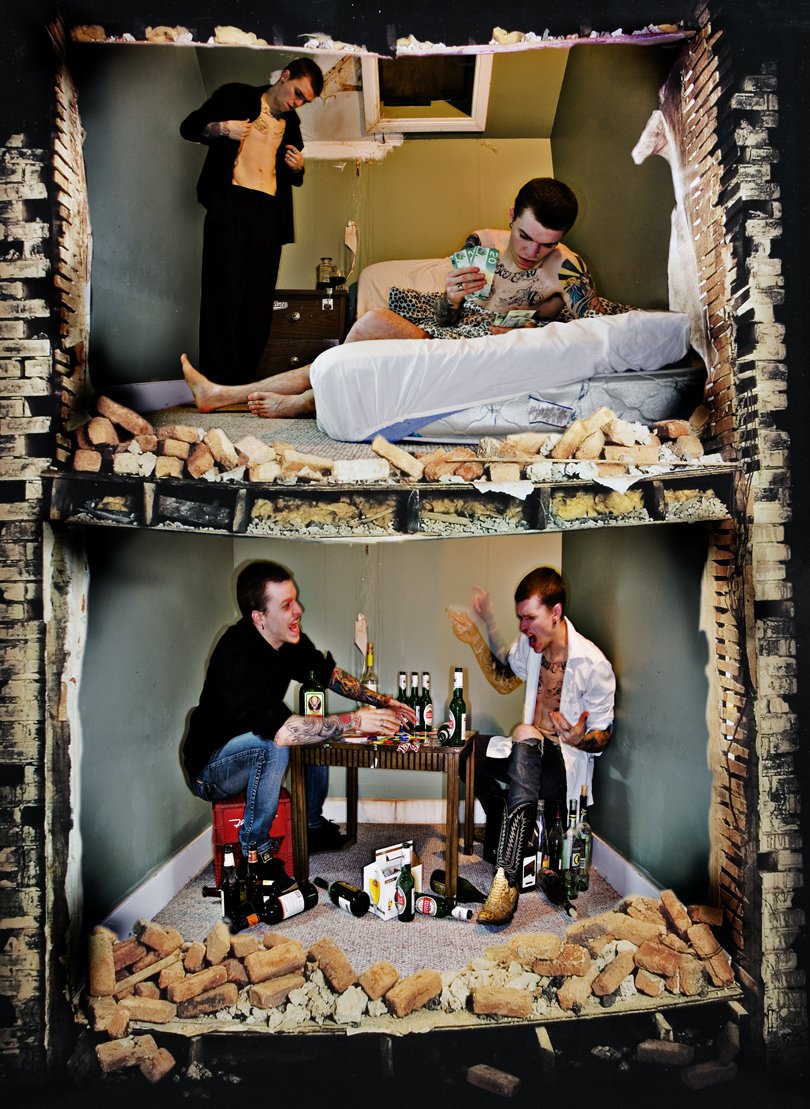
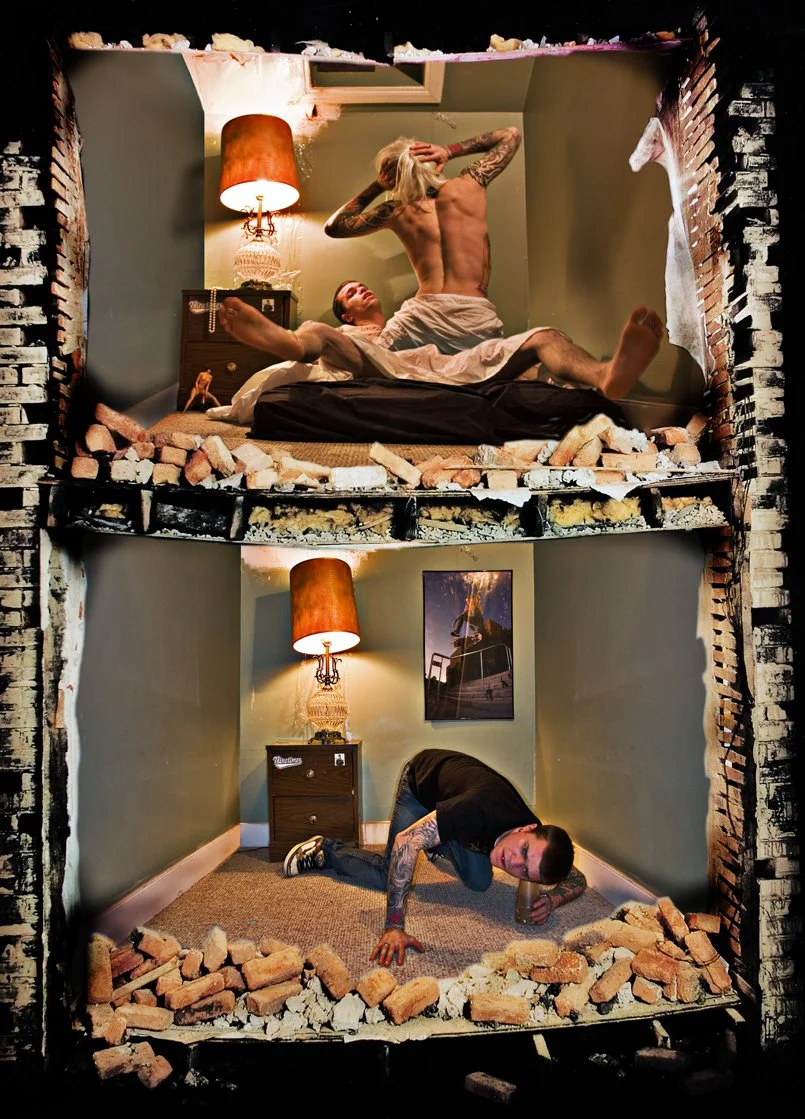
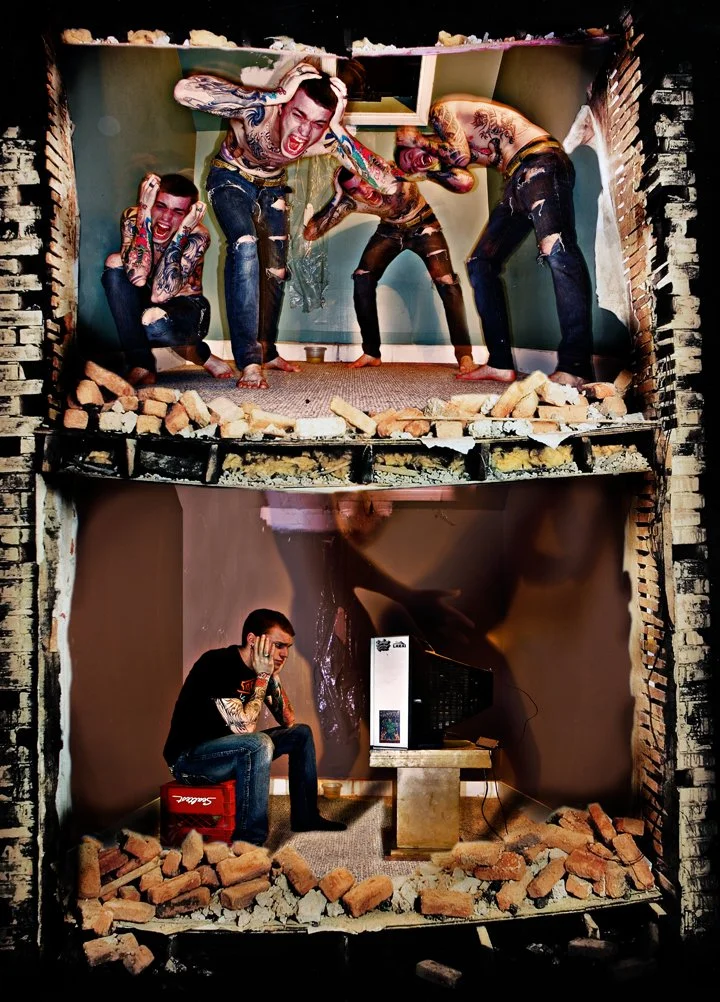
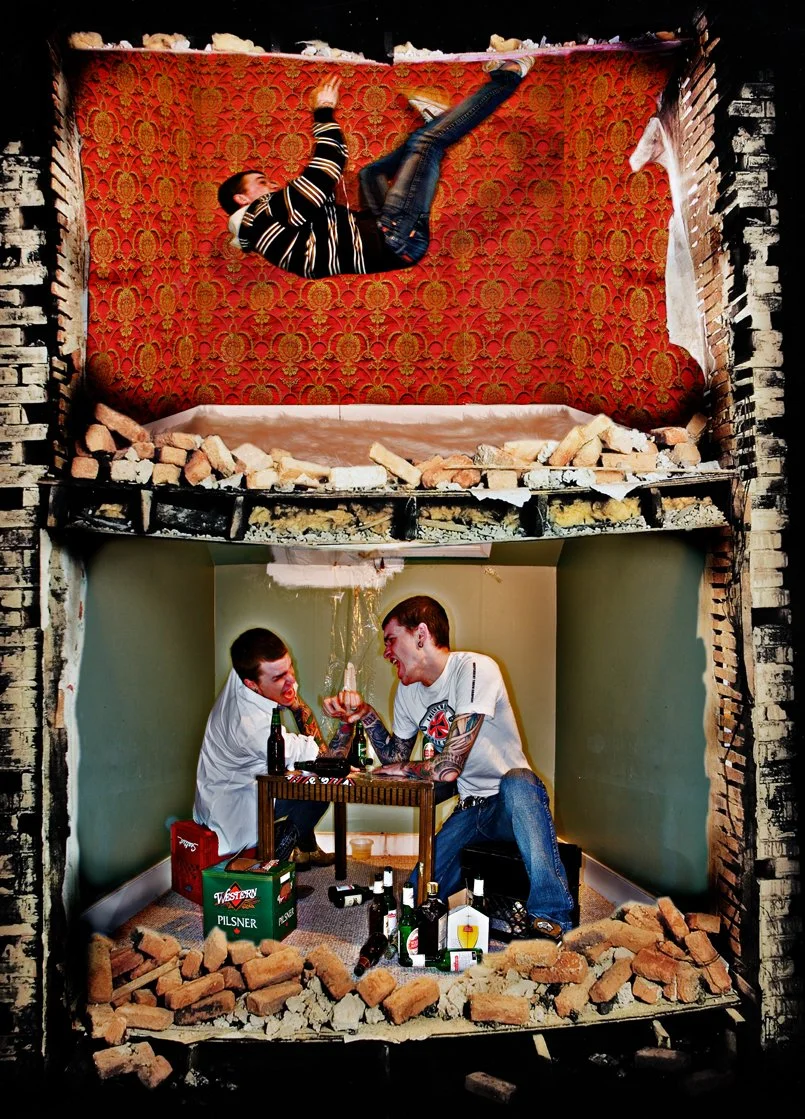
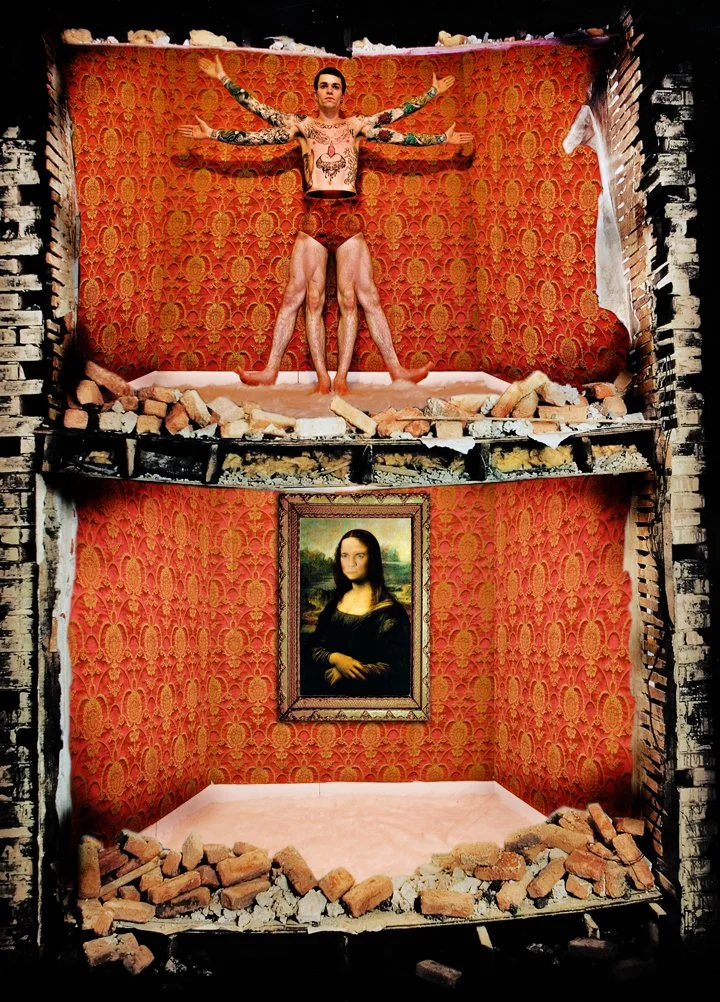
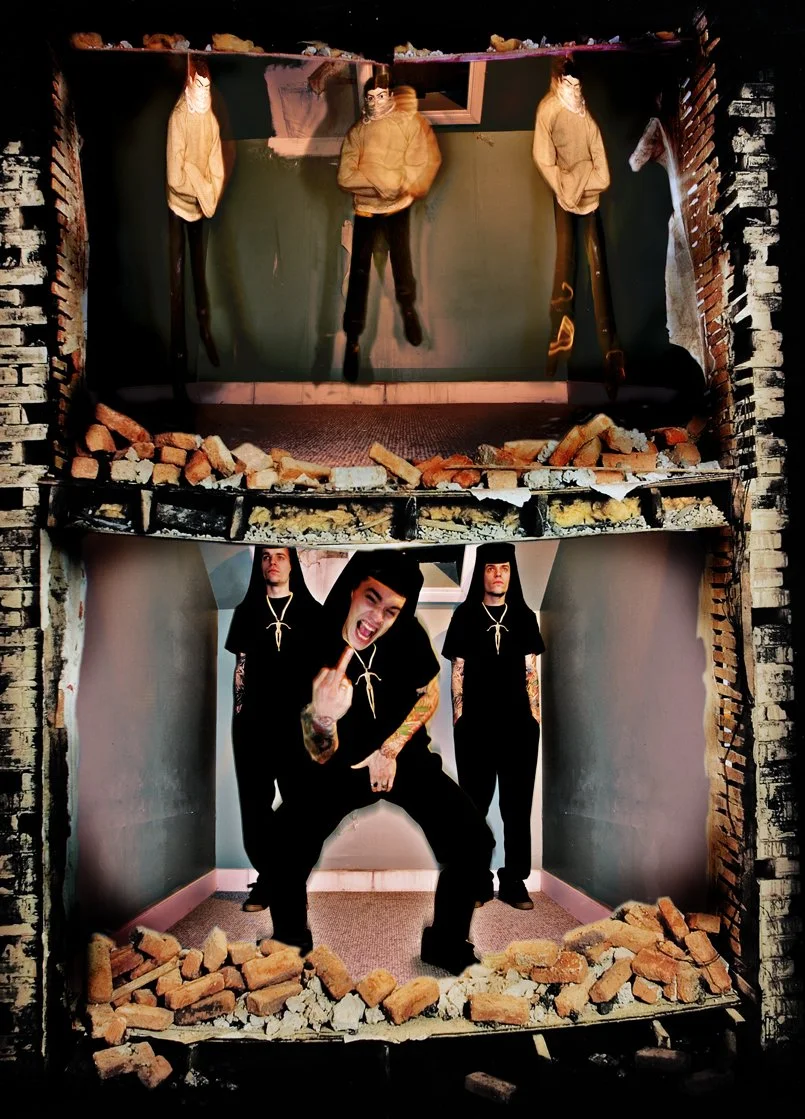
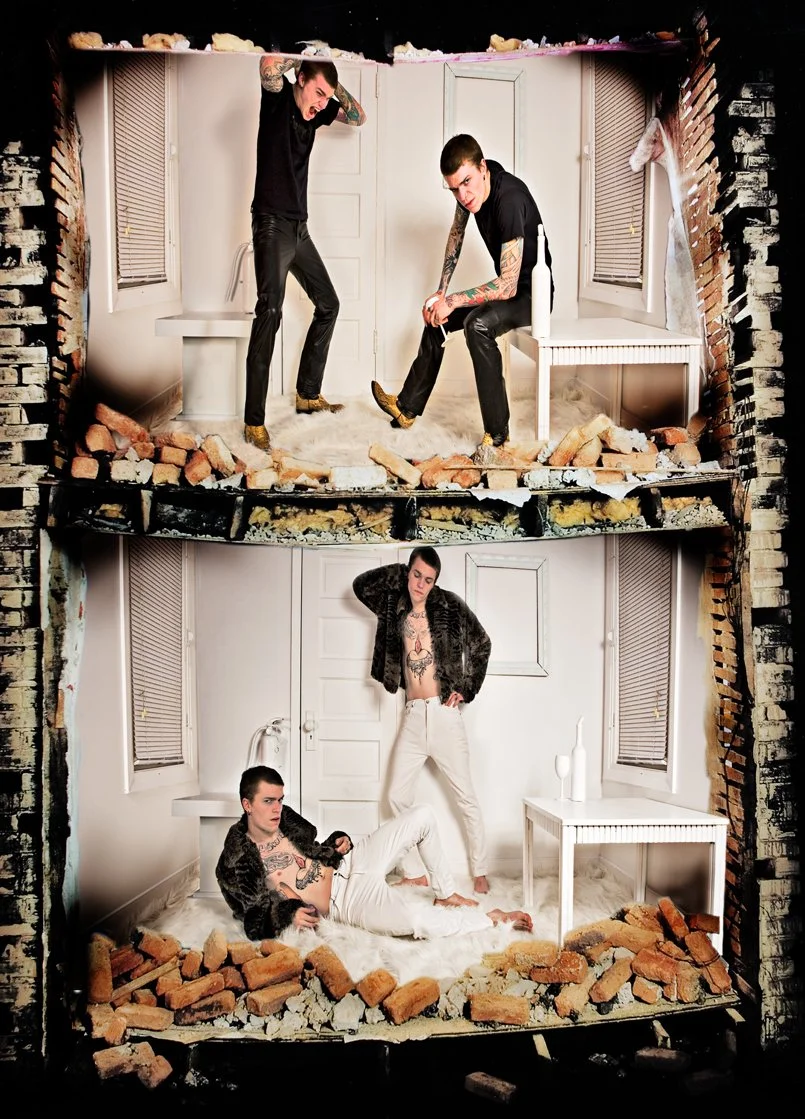
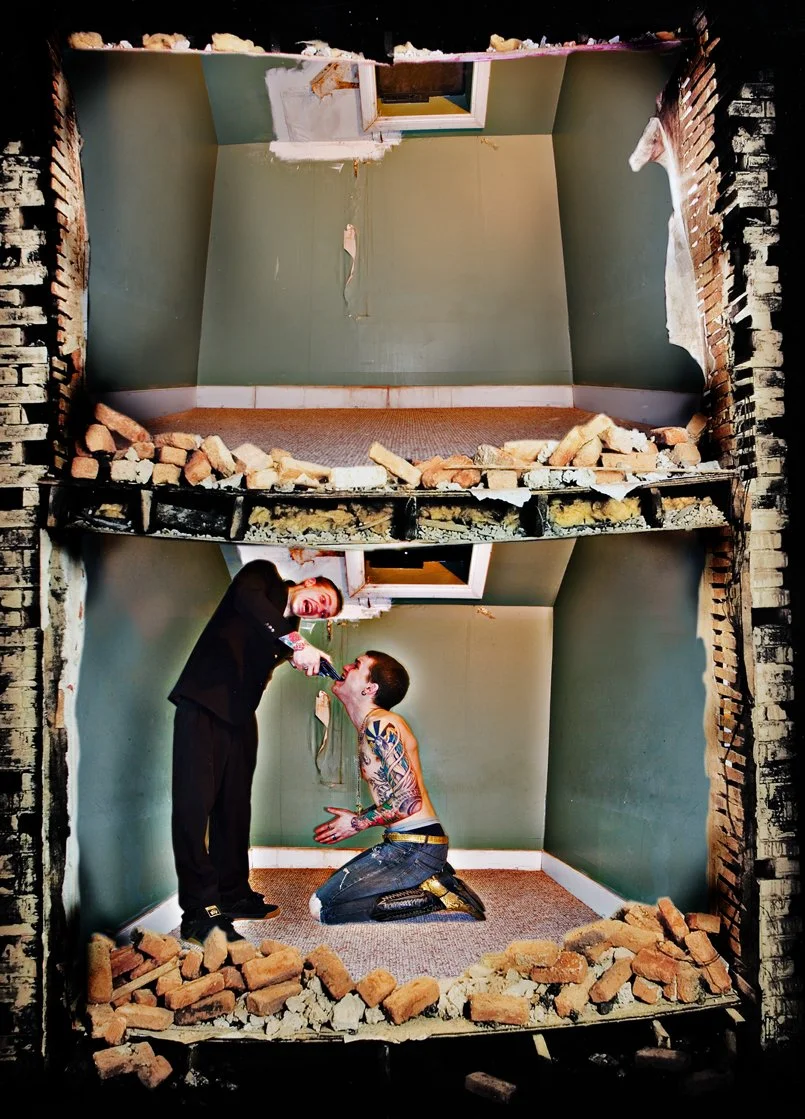
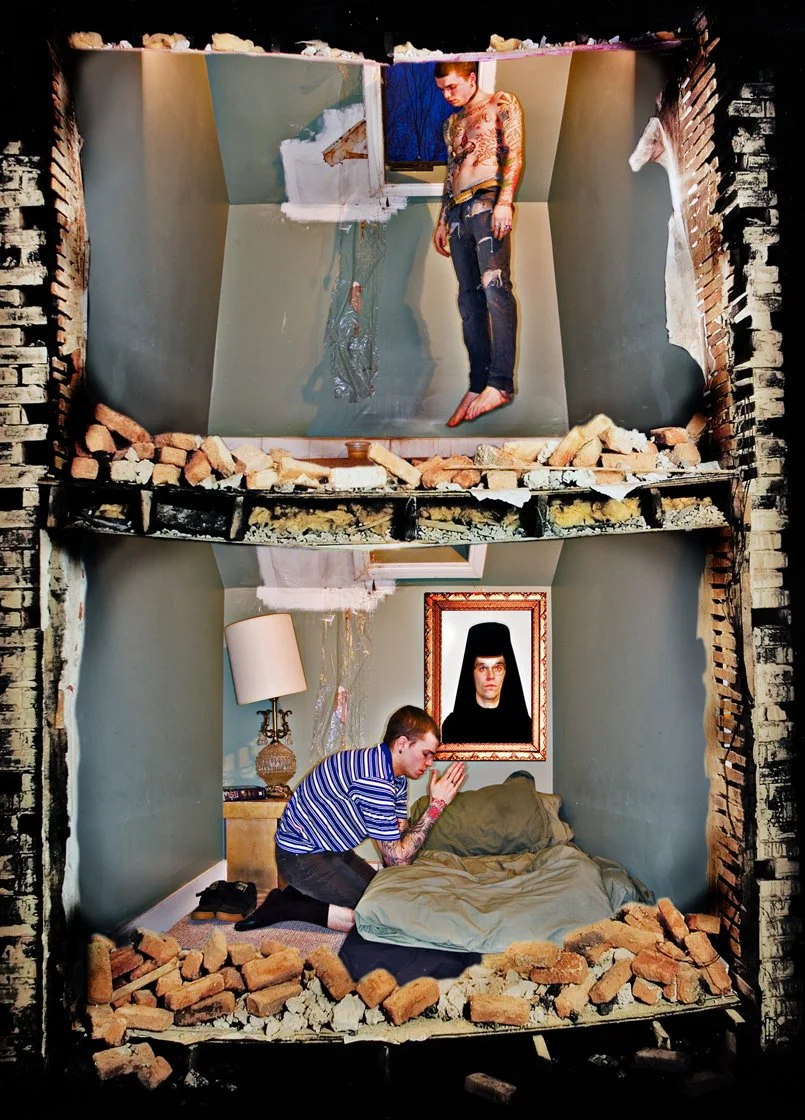
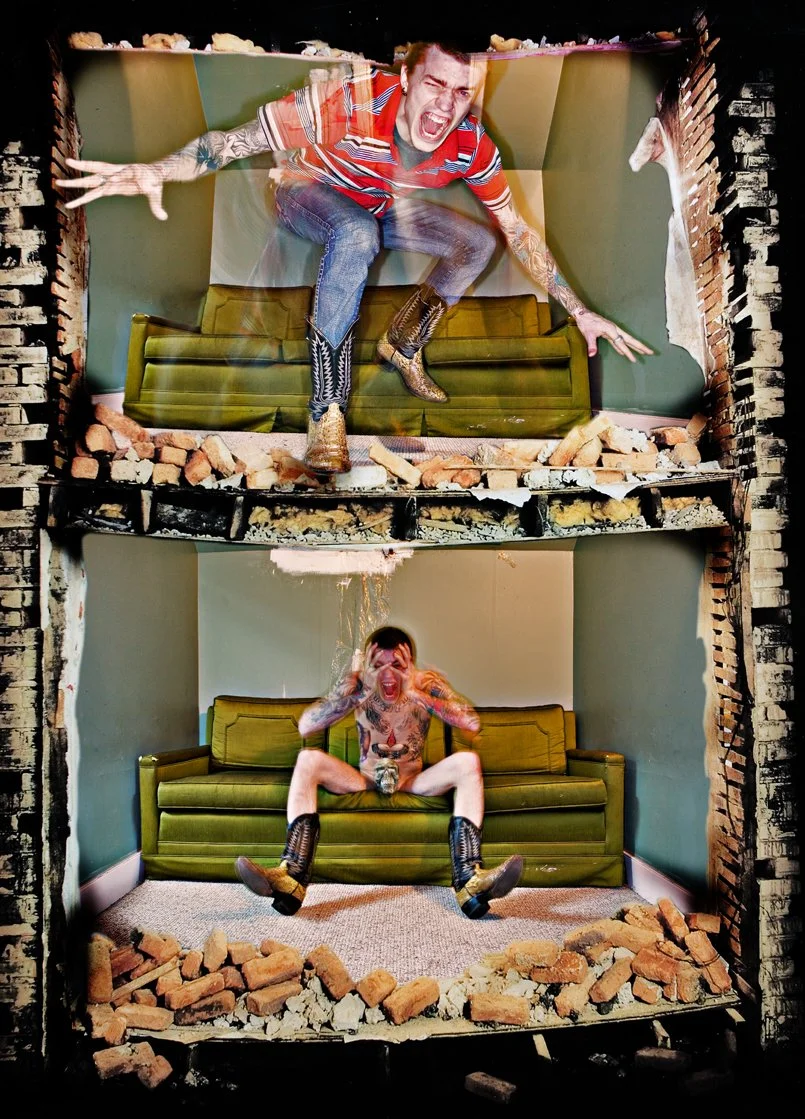
Motel Hoetel is an architectural self-portrait constructed as a collection of interconnected psychological spaces. Composed of individual rooms exposed to view, the work approaches the mind as a place of simultaneous and often contradictory experiences, where belief, desire, fear, performance, memory, and identity exist alongside one another without clear hierarchy or resolution.
Each room functions as a fragment of selfhood, representing aspects of experience that are frequently hidden, compartmentalized, or negotiated internally. Together they form a portrait that resist singular definition, acknowledging the complexity of identity and the multiple roles, narratives, and impulses that shape an individual over time.
Rather than presenting the self as fixed or unified, the work embraces contradiction. The structure becomes a map of internal experience, tracing moments of uncertainty, aspiration, isolation, conflict, vulnerability, and transformation. What emerges is not a search for a singular truth, but an acknowledgment that identity is often assembled from many competing realities existing simultaneously within the same person.
The self judgment
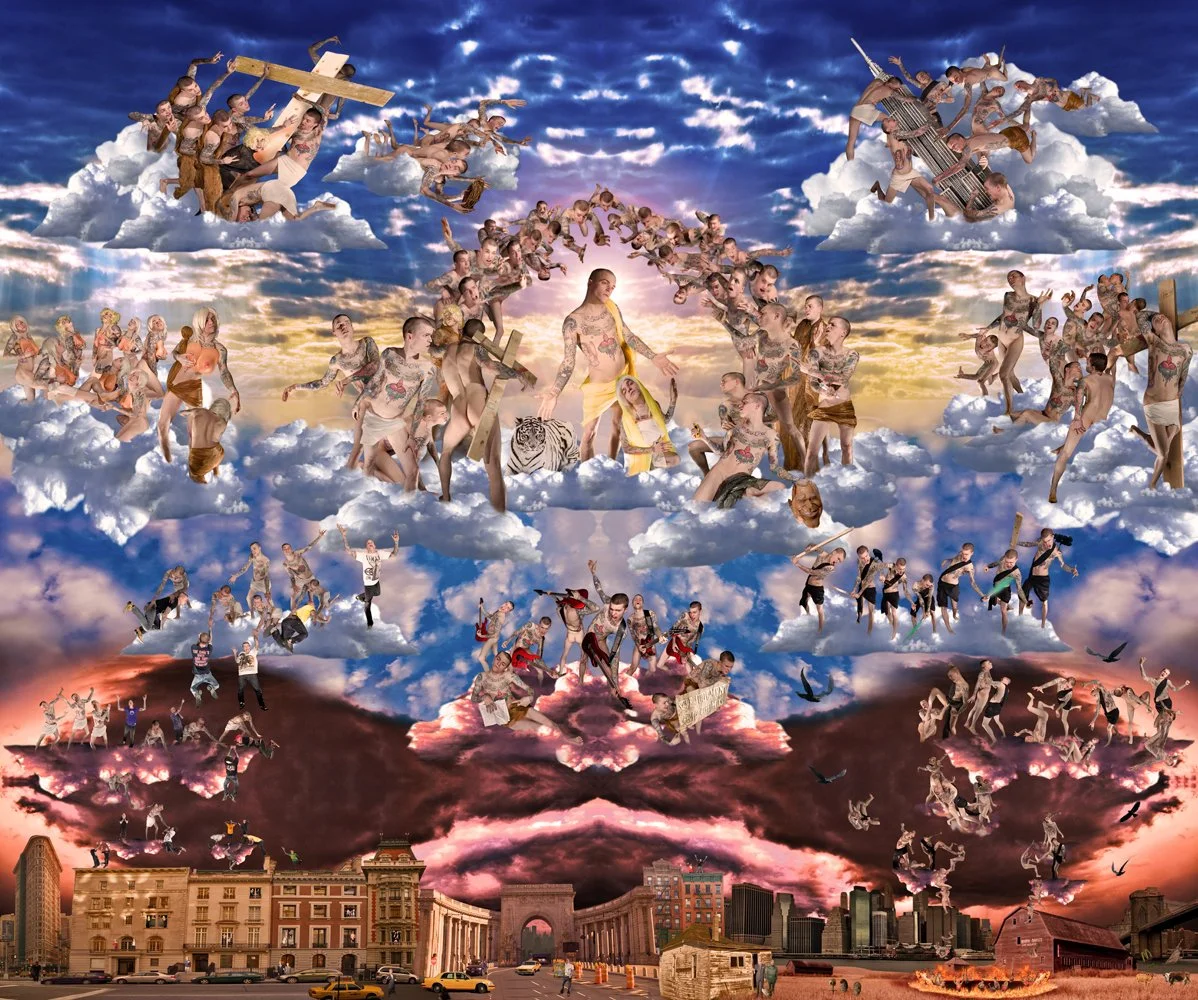
The Self Judgment reimagines the structures of Michelangelo’s Last Judgment through photography and self-portraiture. Composed entirely from photographs of myself, the work uses a single figure to inhabit hundreds of roles, transforming the image into a collective portrait rather than an individual one.
While inspired by a religious narrative, the work is less concerned with faith than with the enduring human tendency toward judgement. Across cultures, ideologies, and generations, societies continually divide the world into categories of right and wrong, virtue and failure, salvation and condemnation. The visual language of The Last Judgment provides a framework through which these recurring patterns can be examined.
By occupying every role within the composition, distinction between judge and judged, victim and aggressor, redeemed and condemned begin to collapse. The figures become reflections of shared human behaviors rather than separate individuals, revealing how easily people participate in the same systems they seek to resist or escape.
The work approaches judgment not as a final event, but as an ongoing condition. It reflects a world perpetually engaged in cycles of conflict, belief, punishment, and redemption, often destroying itself in pursuit of the very ideals it claims will save it.