
THE WEIGHT
OF IDENTITY
Identity is not singular, but constructed through conflicting understandings, our own, and those imposed by others.
What we experience as a coherent sense of self is not fixed, but continuously shaped through perception. Internally, identity is formed through memory, self-reflection, and the need for consistency. Externally, it is constructed through the interpretations of others, filtered through their own experiences, biases, and assumptions. These understandings rarely align, yet each carries a sense of validity within its own perspective.
Psychologically, identity is not developed in isolation. It is influenced by how we are seen, interpreted, and responded to. Over time, these external perceptions are not only encountered, but absorbed, gradually informing how we understand ourselves. This process is subtle and often imperceptible, occurring through small, repeated interactions rather than singular events.
This body of work explores that accumulation. Each portrait holds multiple imposed identities within a single form, misaligned, competing, and unable to fully reconcile. These figures reflect the tension between internal self-perception and externally constructed understanding, where identity is shaped as much by misinterpretation as by intention.
There is no clear moment of change. The weight builds incrementally, each added interpretation altering the structure in ways that feel normal while they occur. Only in hindsight does the shift become visible, when the accumulated pressure reveals that what once felt singular can no longer hold.
Limited edition prints available upon request.
CLOSED SYSTEM
Within a closed system, identity is formed primarily through internal processing, shaped by memory, self-reflection, and an ongoing attempt to establish coherence. This cycle is continuous, but not stable. The self is revisited, reinterpreted, and adjusted, yet never fully resolved.
Without external disruption, this movement can appear consistent, even reliable. However, the absence of interruption does not produce clarity, instead, it sustains a contained instability where identity circulates within itself, shifting subtly with each pass while maintain the illusion of continuity.
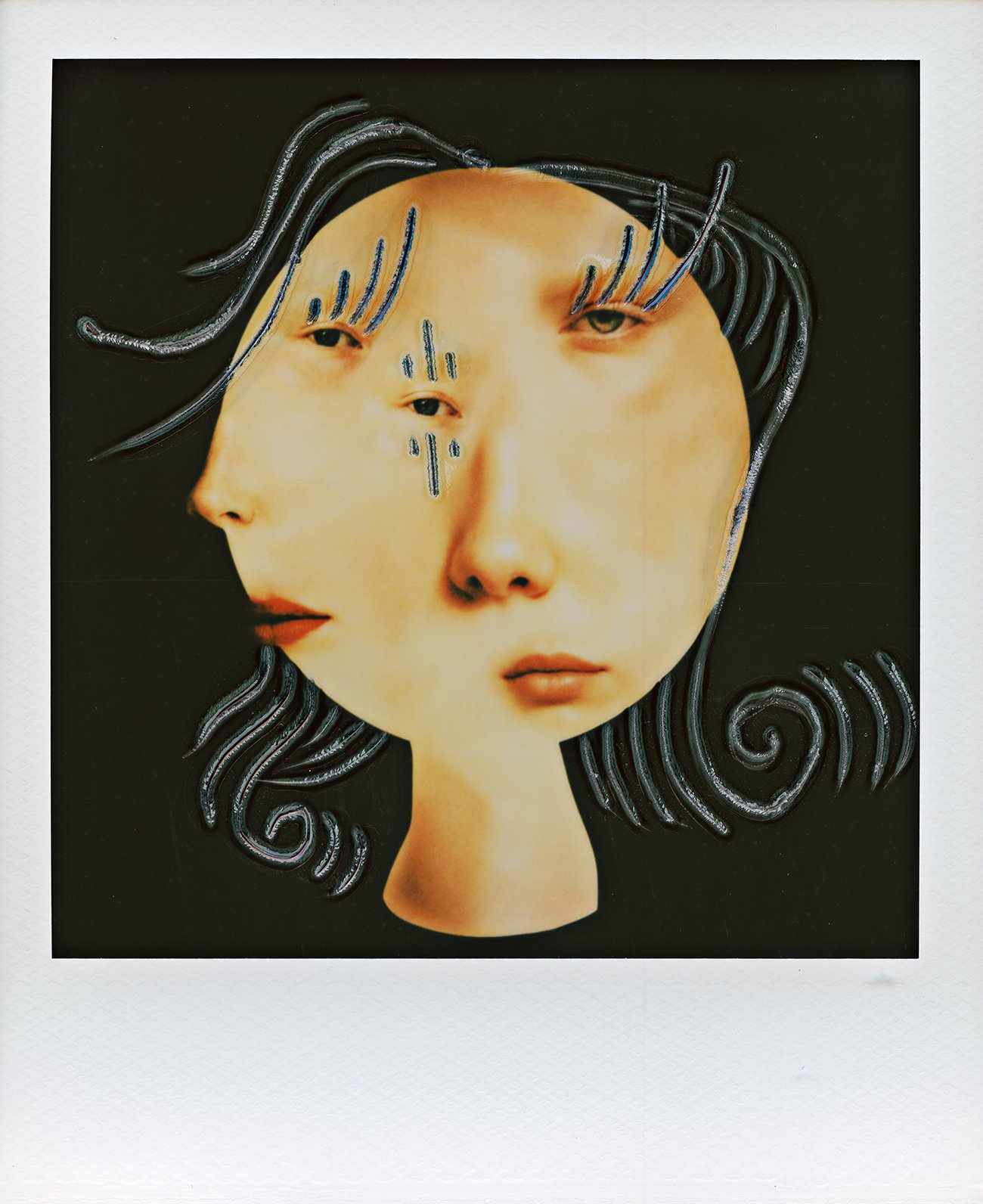
Closed System #1
Closed System #2
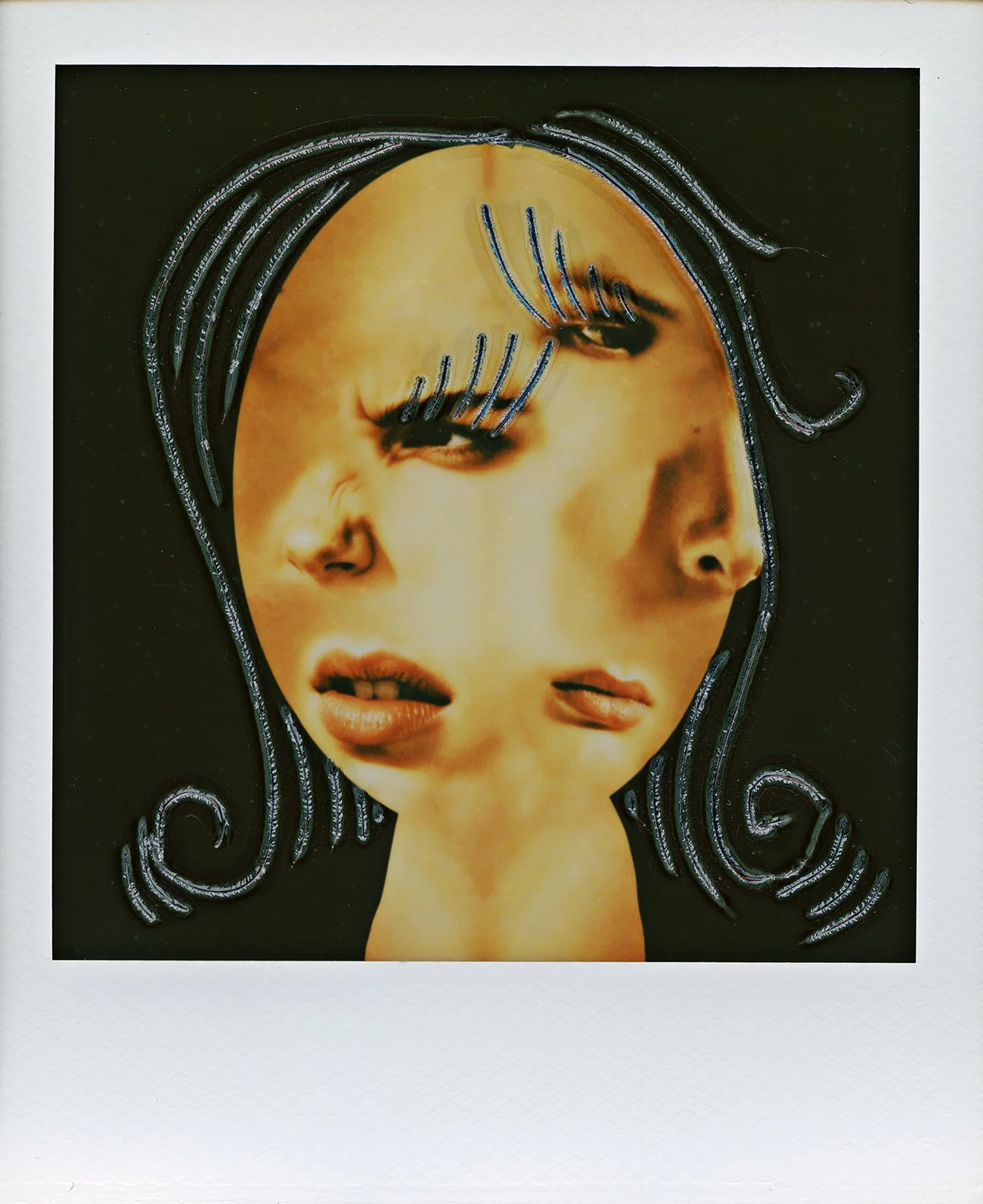
Closed System #3

Closed System #4

Closed System #5

Closed System #6

Closed System #7

Closed System #8

Closed System #9

Closed System #10

Closed System #11

Closed System #12
IMPOSED SYSTEM
As identity moves beyond the self, it becomes subject to external interpretation. Each interaction introduces new understandings, constructed through the perspectives, biases, and assumptions of others. These interpretations do not simply exist alongside the internal self, but begin to shape and redefine it.
Psychologically, repeated exposure to external perception influences self-concept over time. What is seen, assumed, or projected onto an individual is gradually absorbed, often without awareness. The system is no longer self-contained, it is interrupted, redirected, and restructured through ongoing interaction. The result is not alignment, but tension, between internal understanding and externally imposed identity.

Imposed System #1

Imposed System #2

Imposed System #3
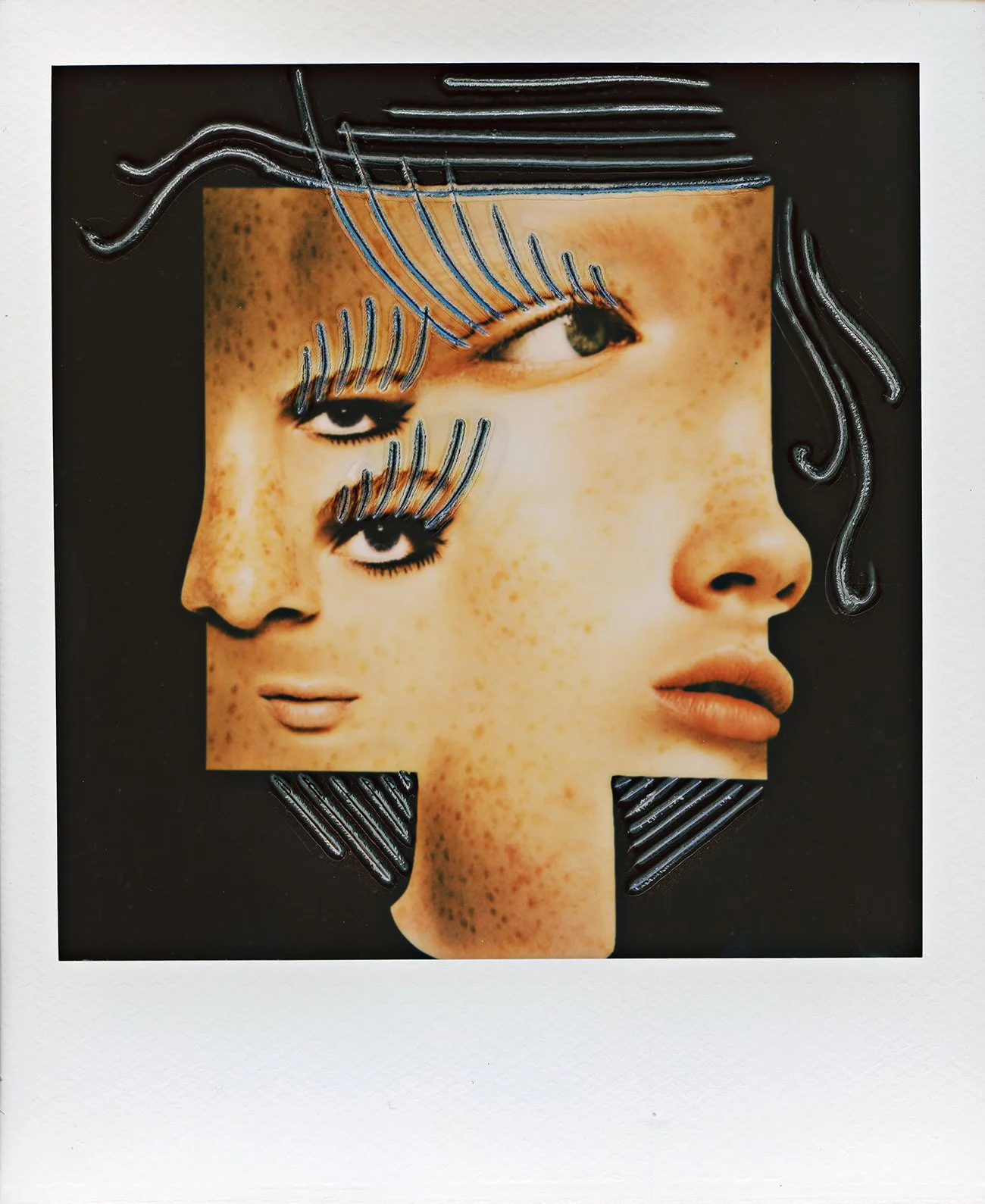
Imposed System #4

Imposed System #5

Imposed System #6

Imposed System #7

Imposed System #8
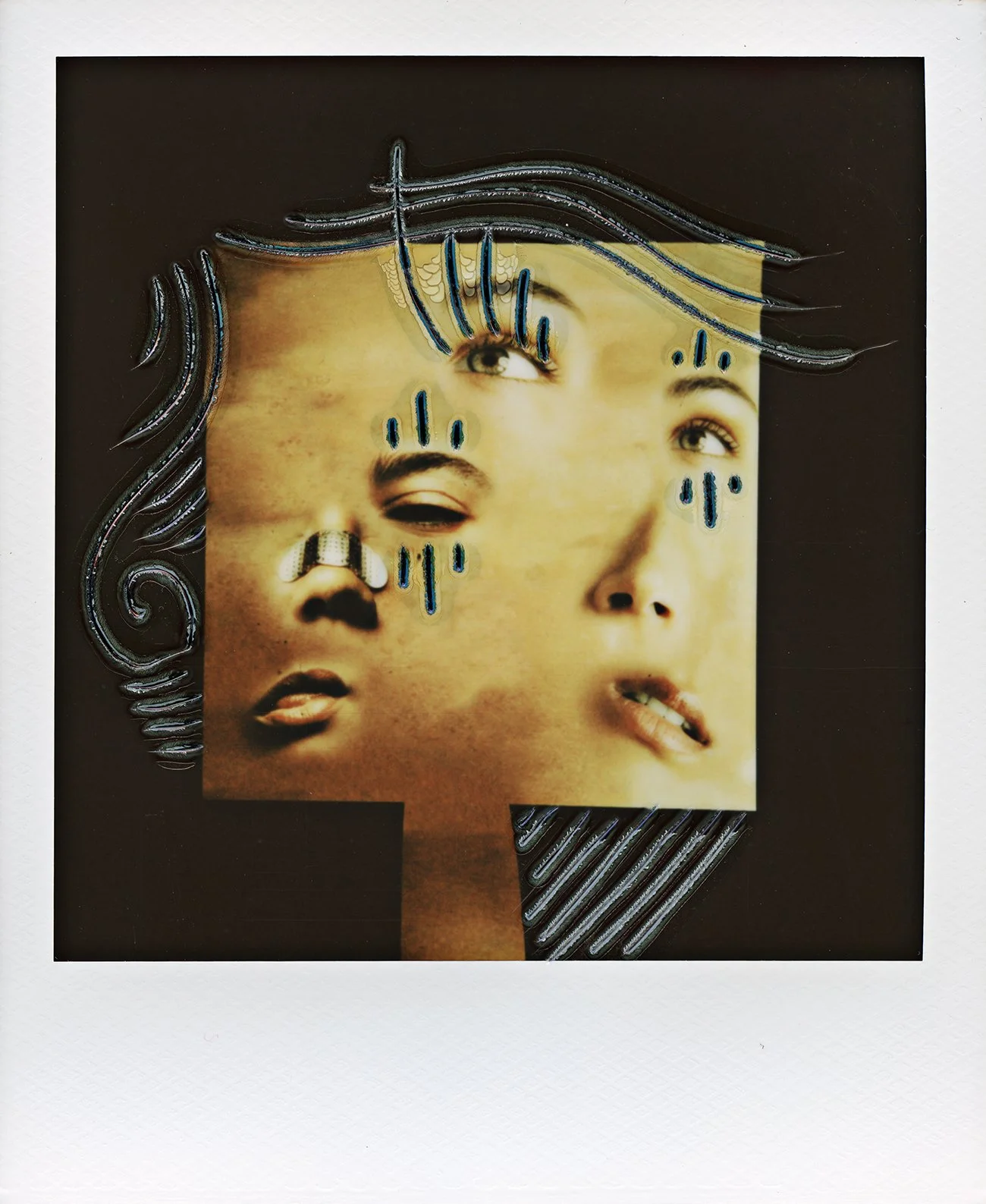
Imposed System #9

Imposed System #10

Imposed System #11

Imposed System #12
ACCUMULATED COLLAPSE
Over time, the accumulation of conflicting interpretations exceeds the system’s ability to maintain coherence. This shift does not occur suddenly, but through gradual, incremental change. Each added layer alters the structure slightly, remaining imperceptible in isolation.
There is no distinct moment of failure. The process unfolds within normal experience, masked by continuity. Only in retrospect does the extent of change become visible, when the structure can no longer sustain itself as singular. What remains is not a resolved identity, but a composite formed through accumulation, held together by recognition, yet fundamentally unstable.
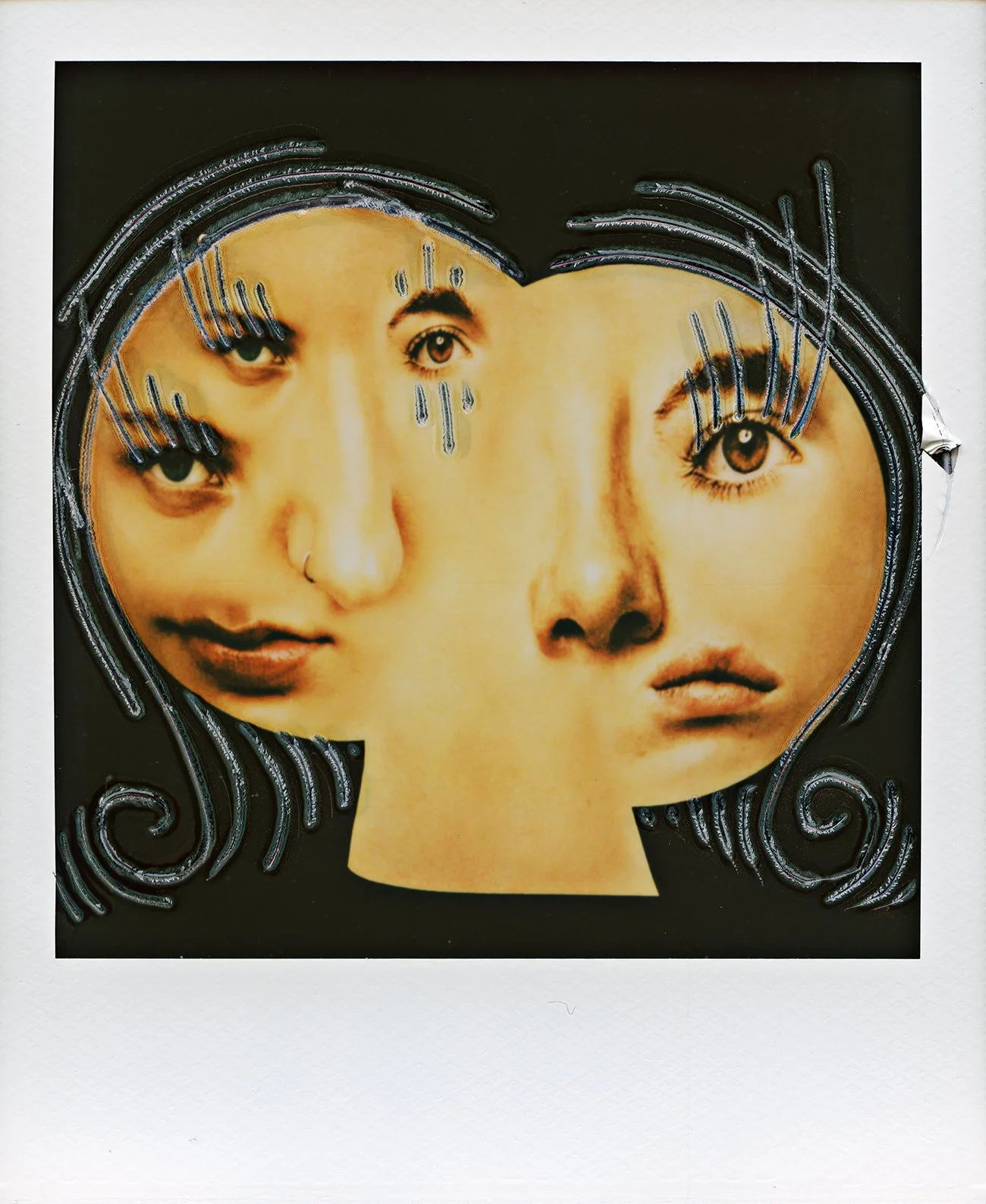
Accumulated Collapse #1
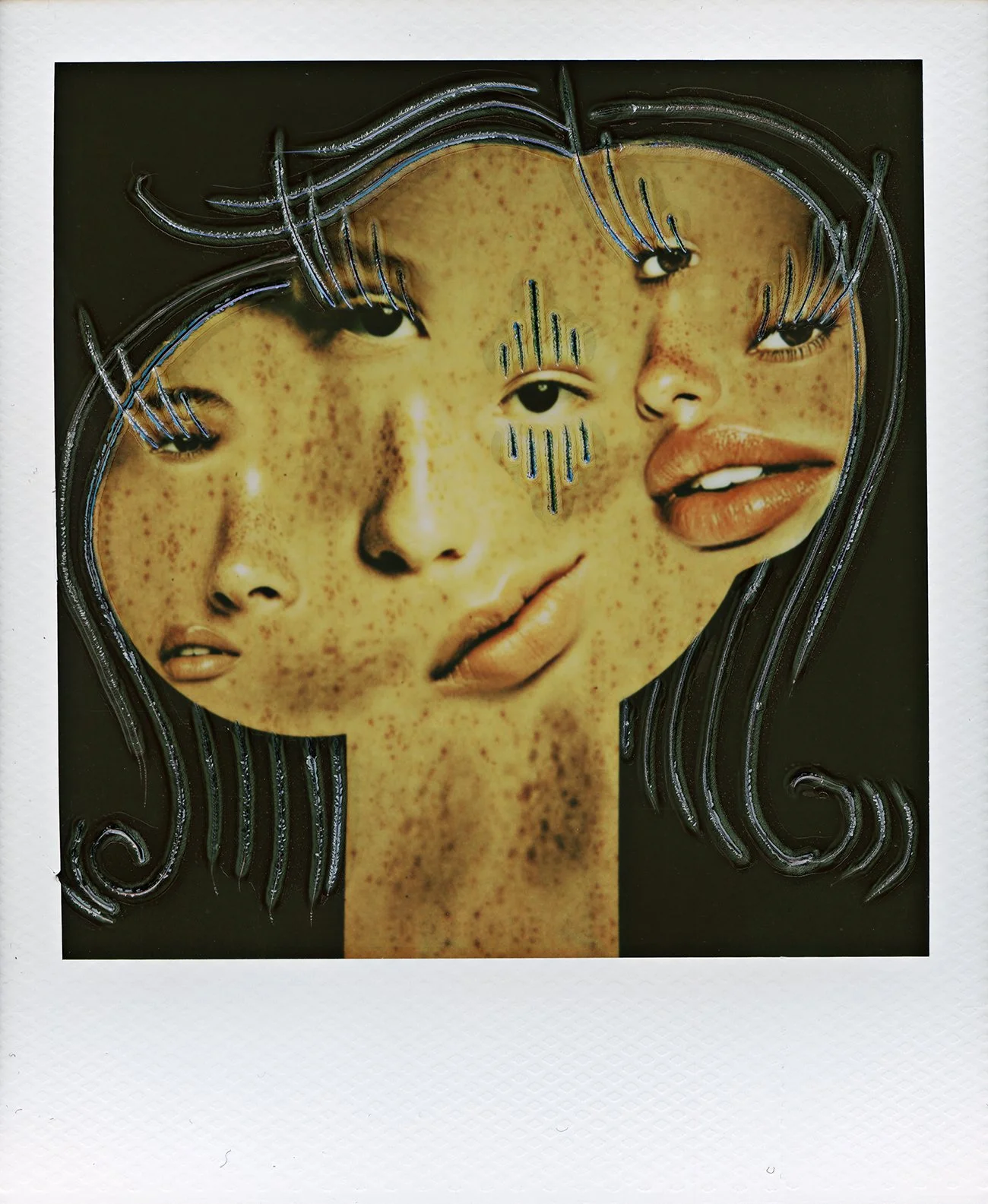
Accumulated Collapse #2

Accumulated Collapse #3

Accumulated Collapse #4
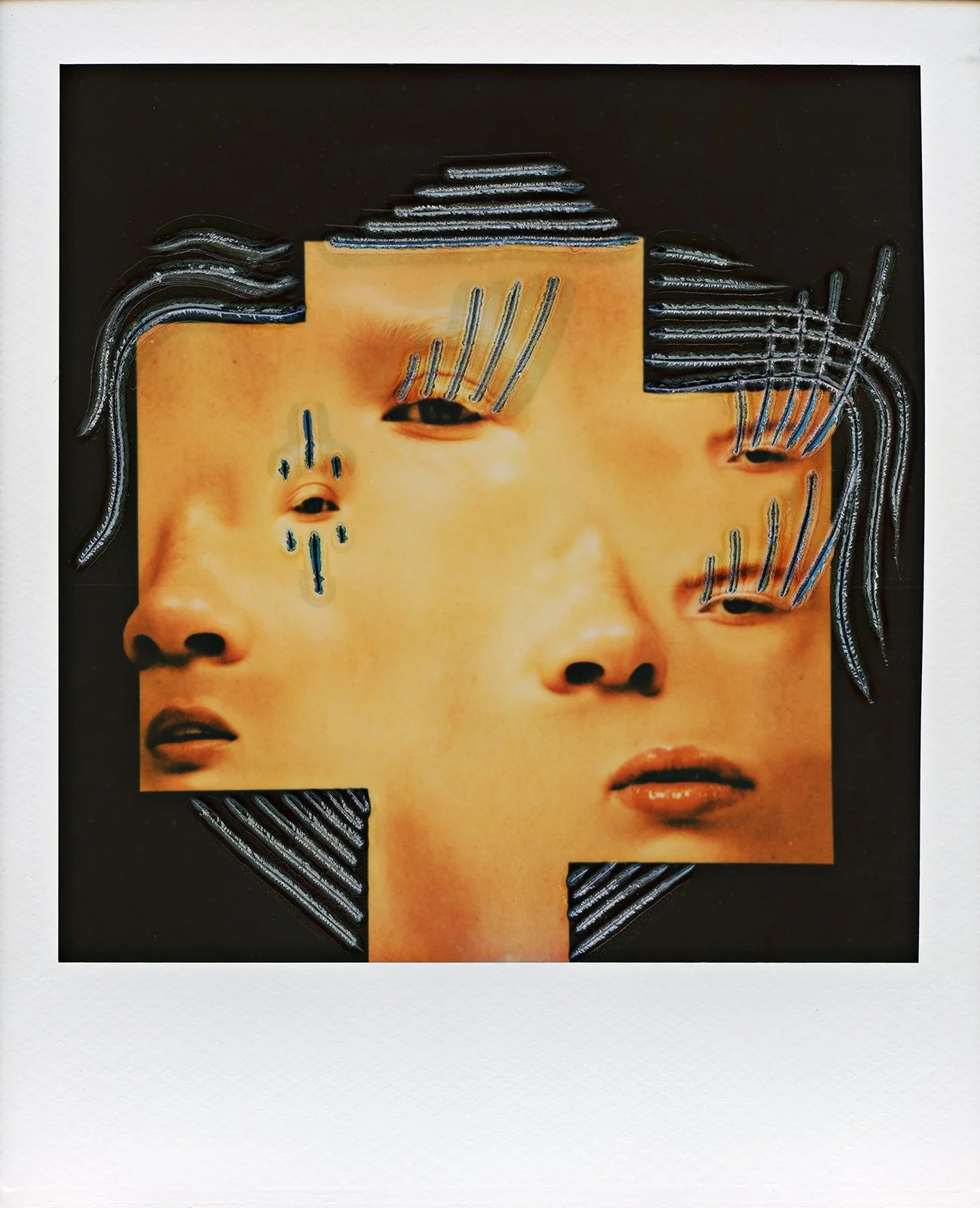
Accumulated Collapse #5

Accumulated Collapse #6

Accumulated Collapse #7

Accumulated Collapse #9

Accumulated Collapse #10

Accumulated Collapse #11

Accumulated Collapse #12
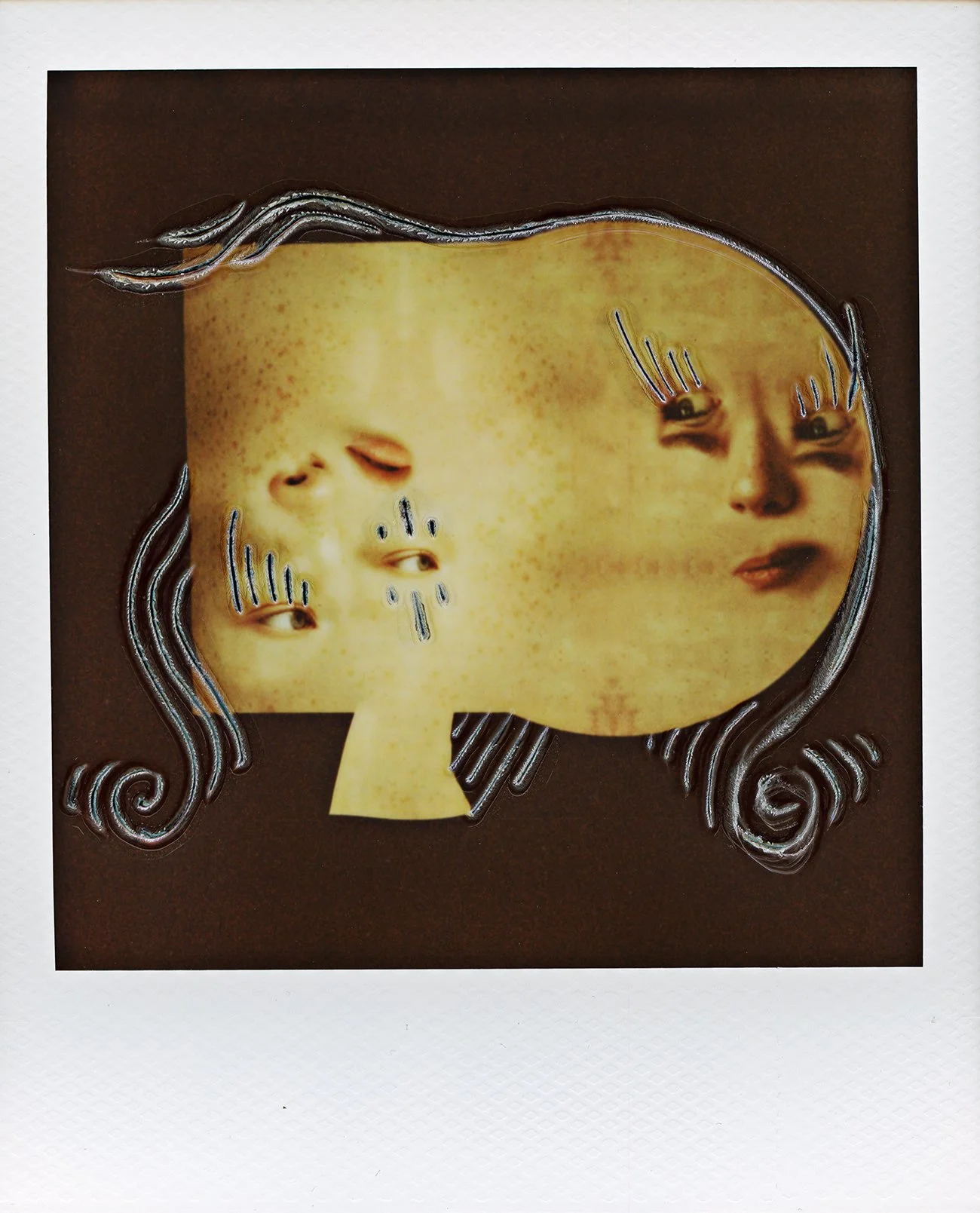
Accumulated Collapse #13

Accumulated Collapse #14
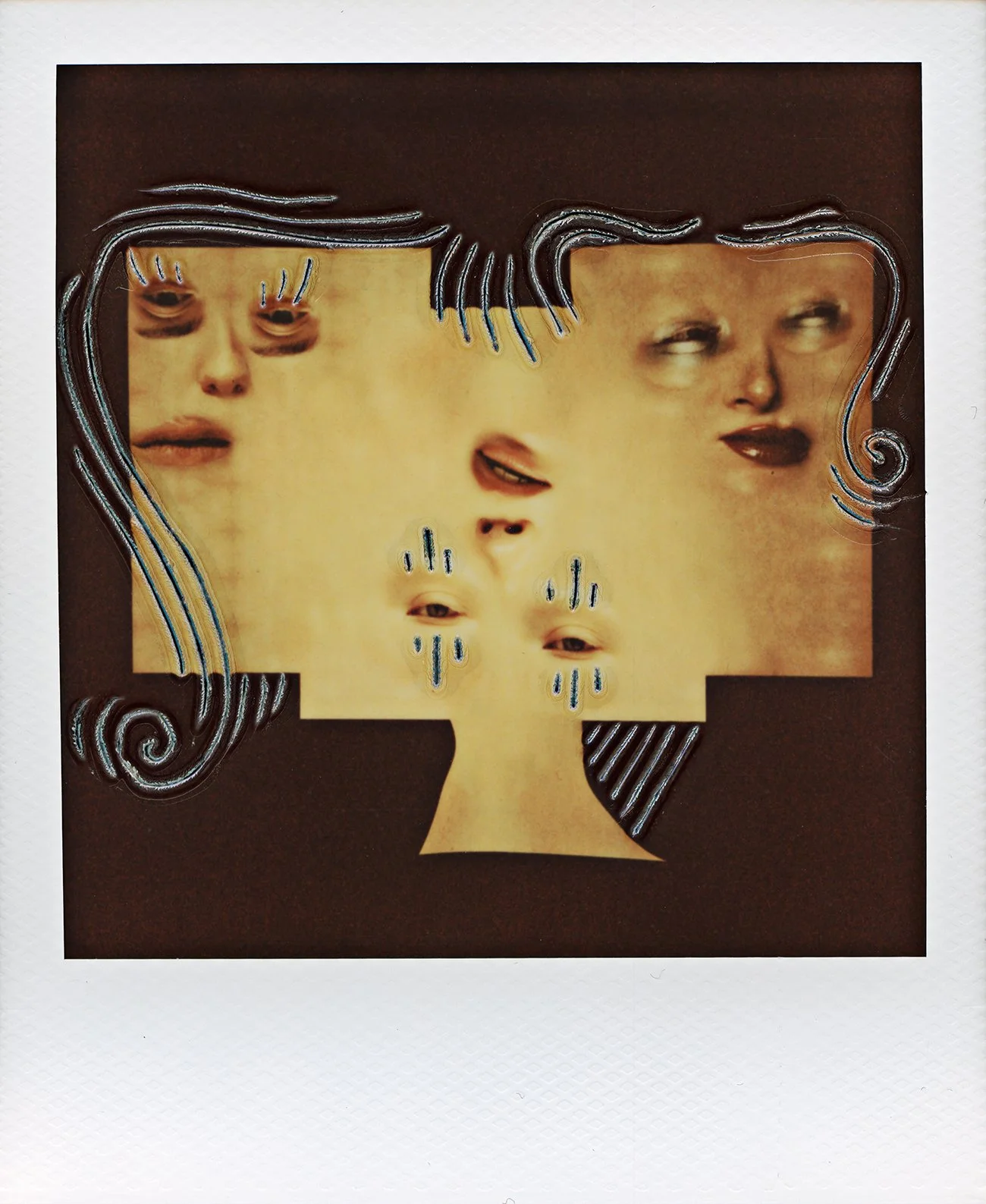
Accumulated Collapse #15