The EXTERNAL architectureS
This body of work examines the external systems that shape human identity. While individuality is often understood as something internally defined, much of what a person becomes is constructed through social structures that exist beyond them. Hierarchies, markets, labor systems, spectacle, and tribal affiliations quietly organize behavior and influence how individuals present themselves to the world. This project explores these forces as a form of external architecture, the invisible frameworks that shape modern life.
The portraits isolate individuals in order to make these structures visible. By reducing environment context, attention shifts to how a person carries influence of these systems through posture, clothing, objects, and expression. Each image represents not simply a person, but the relationship between the individual and the larger social mechanisms they inhabit.
The project is organized into six thematic structures. Status, Consumption, Work, Entertainment, Belonging, and Power. Each examines a different force participating in the construction of modern identity
Together, these images form a portrait of society through the individuals who inhabit it. Each subject carries traces of the forces shaping them, revealing that the modern self is not created in isolation but constructed within a network of systems that quietly organize human behavior.
Limited edition prints available upon request.
STATUS
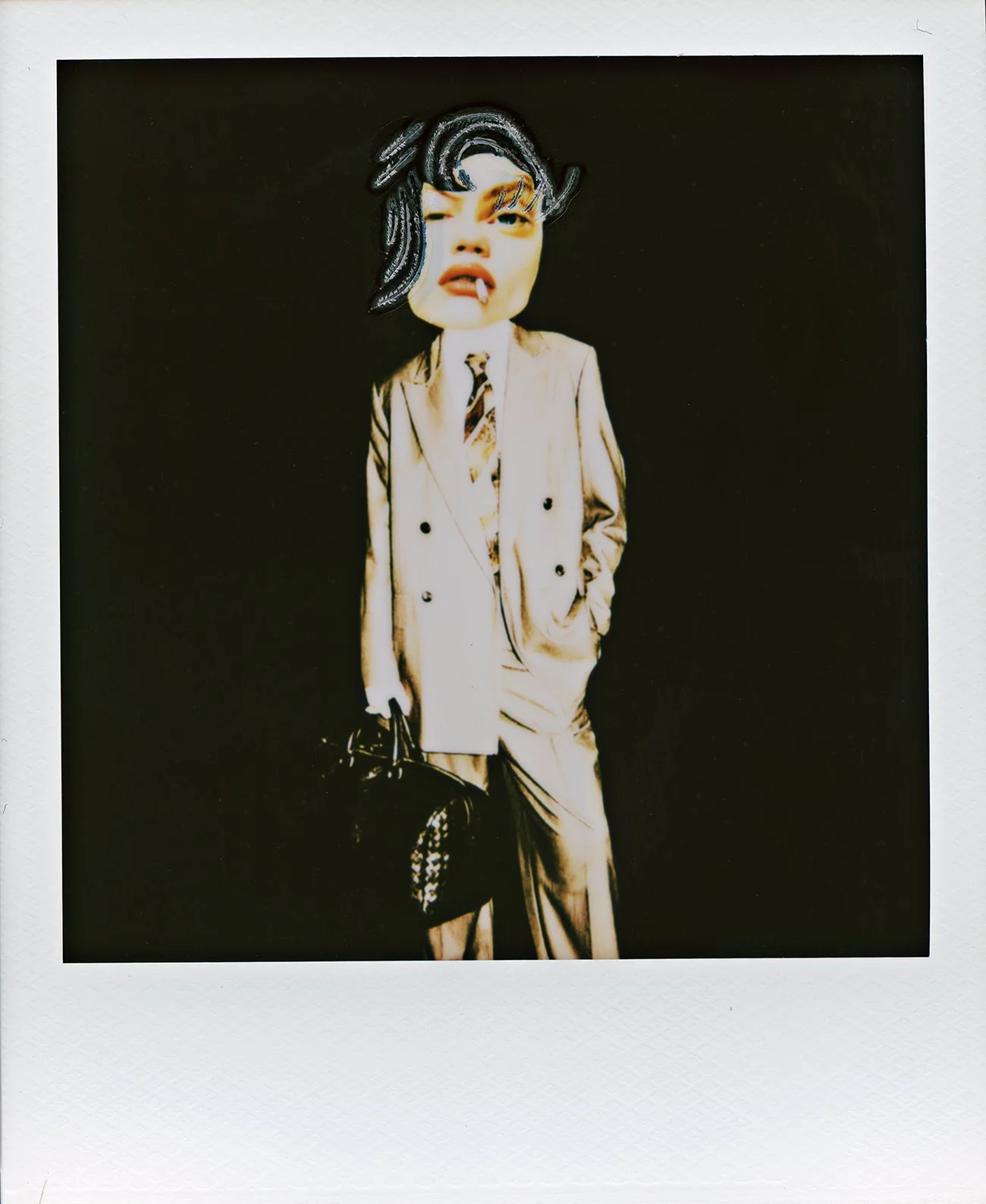
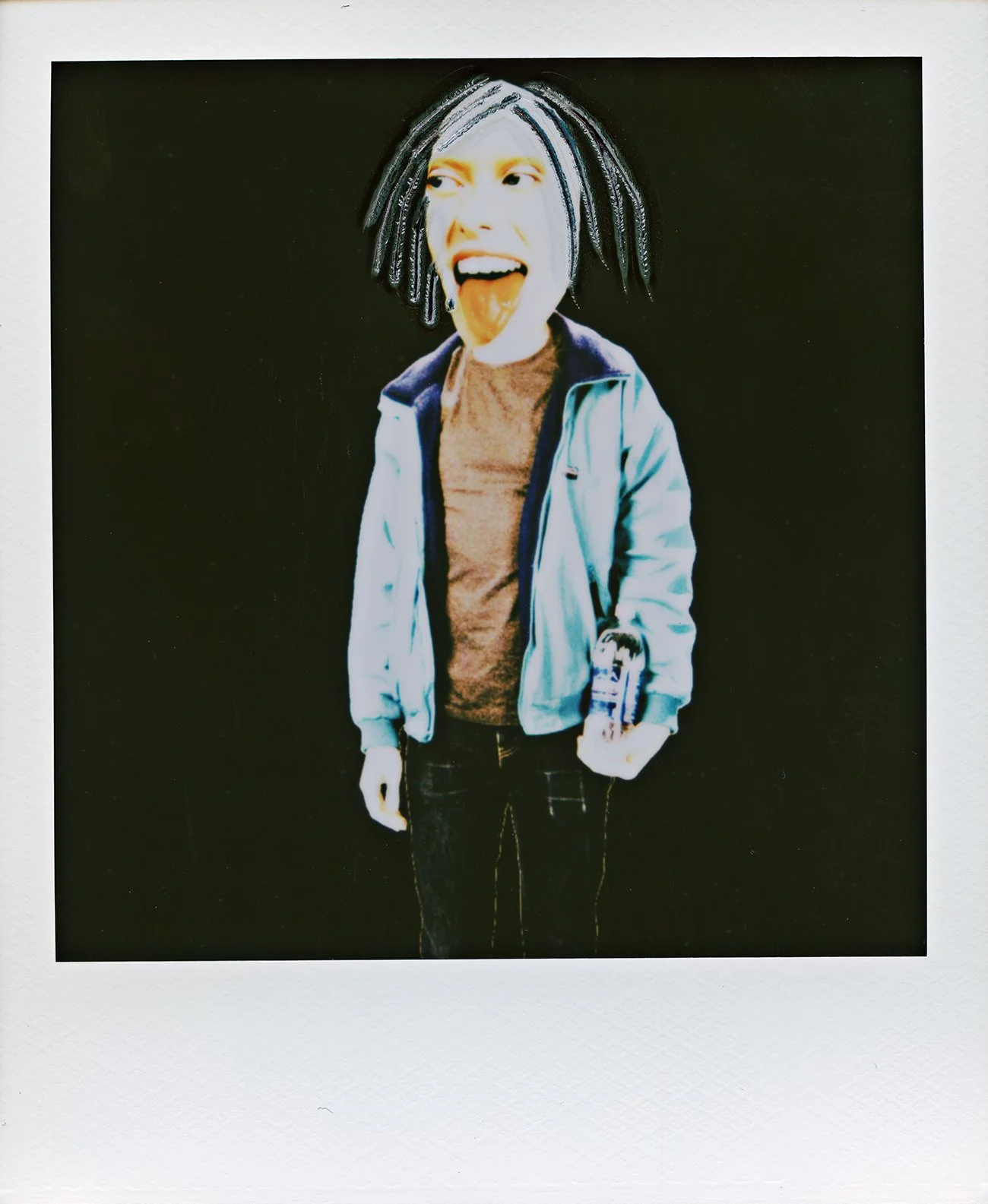
Status examines the hierarchies through which society organizes and interprets individuals. Wealth, profession, reputation, and appearance construct invisible ladders that influence how people are perceived and valued. These systems often operate through quick visual judgments, assigning meaning to individuals before their actions or character are known.
Each portrait presents a recognizable social archetype but disrupts the viewers expectations through its title. A street hustler becomes Guardian, a CEO Accumulator, a priest Performer, a soldier Instrument, and a homeless individual Survivor. By separating appearance from description, the images expose how easily narratives of status can be constructed, projected, and believed.
Rather than revealing inherent truths about the subjects, the title demonstrates how language and social assumptions shape perception. The portraits ask viewers to reconsider the labels they instinctively apply to others and to recognize status not as a fixed reality, but as a story society repeatedly tells itself.
Accumulator
Deviant
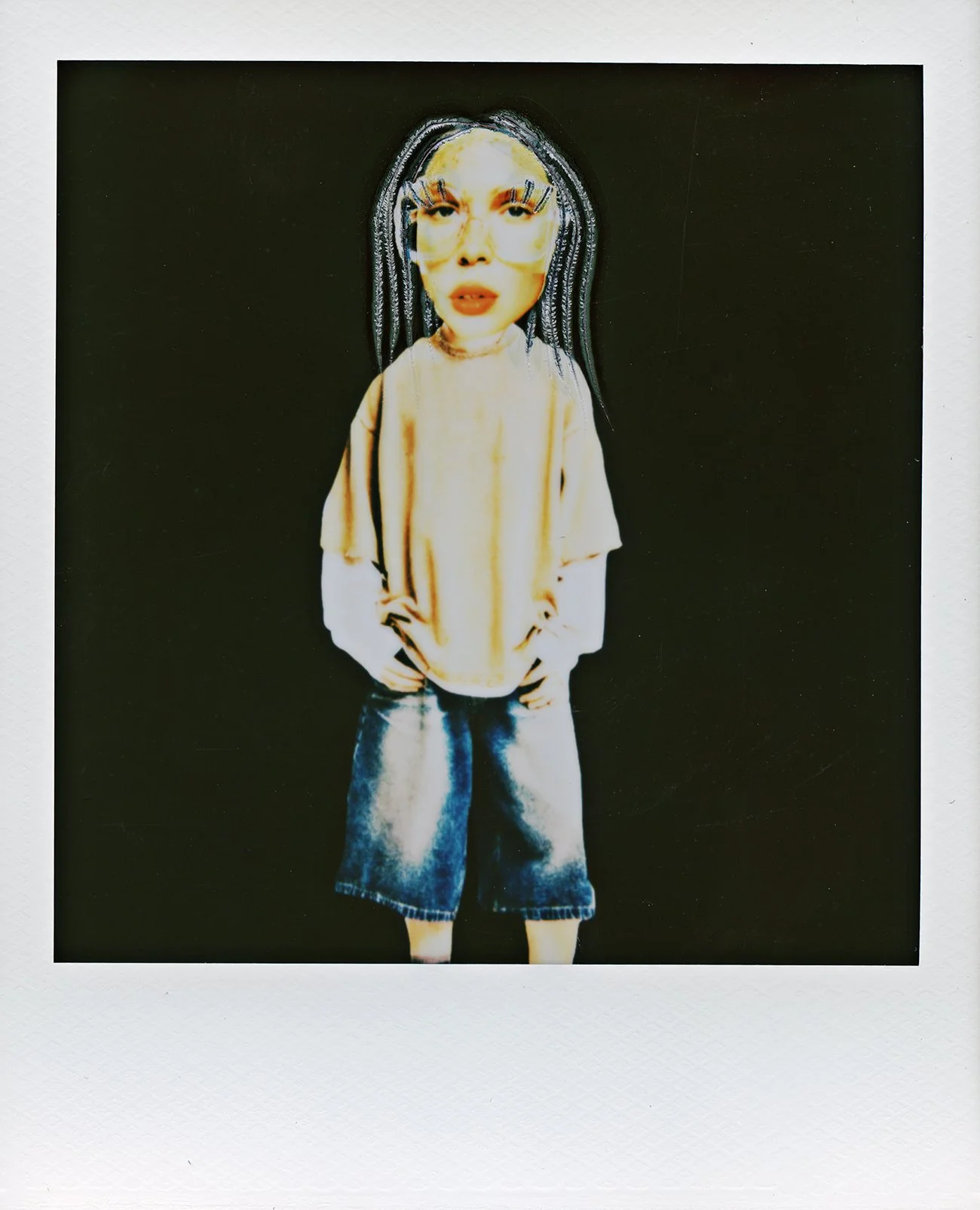
Genius
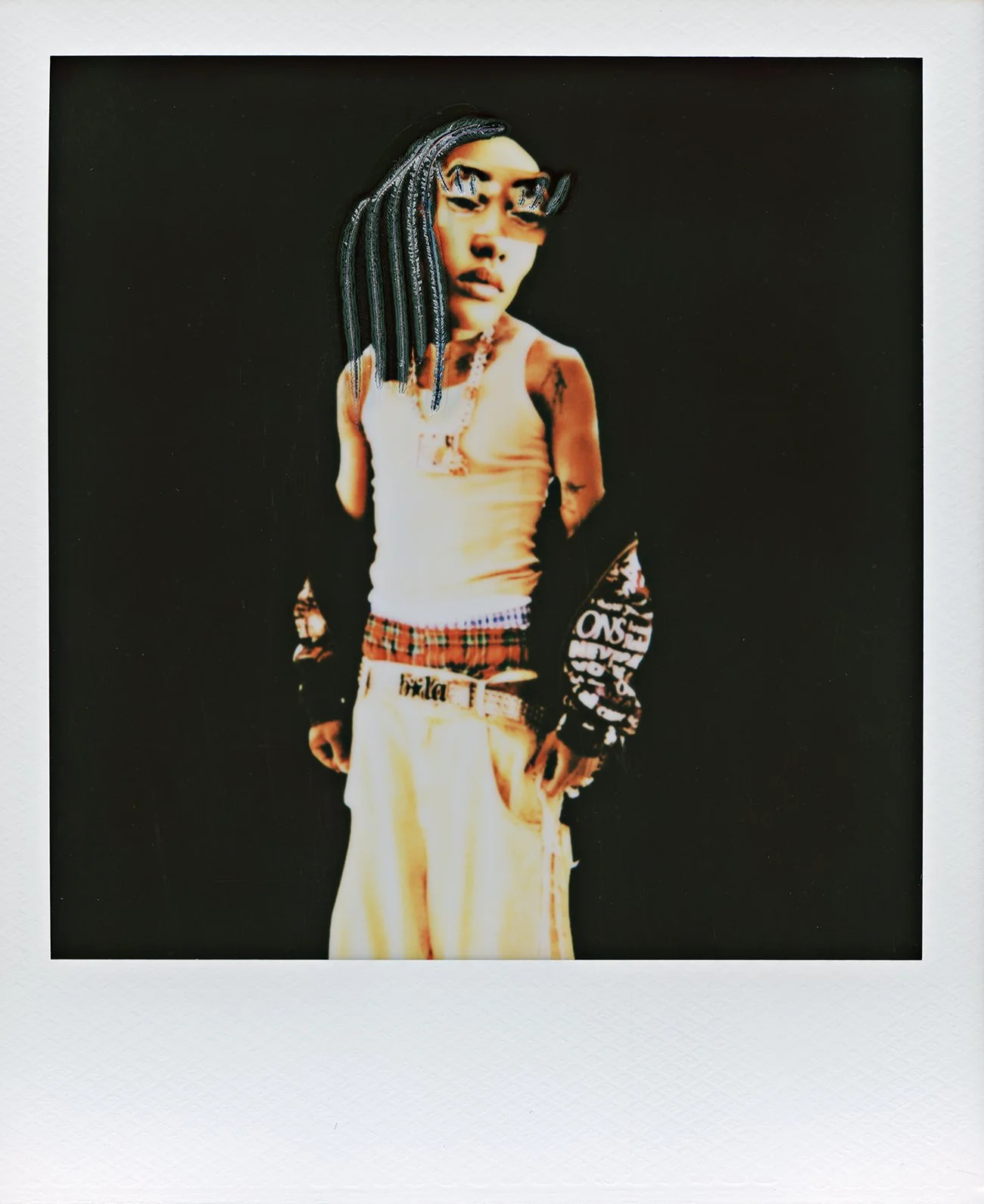
Guardian
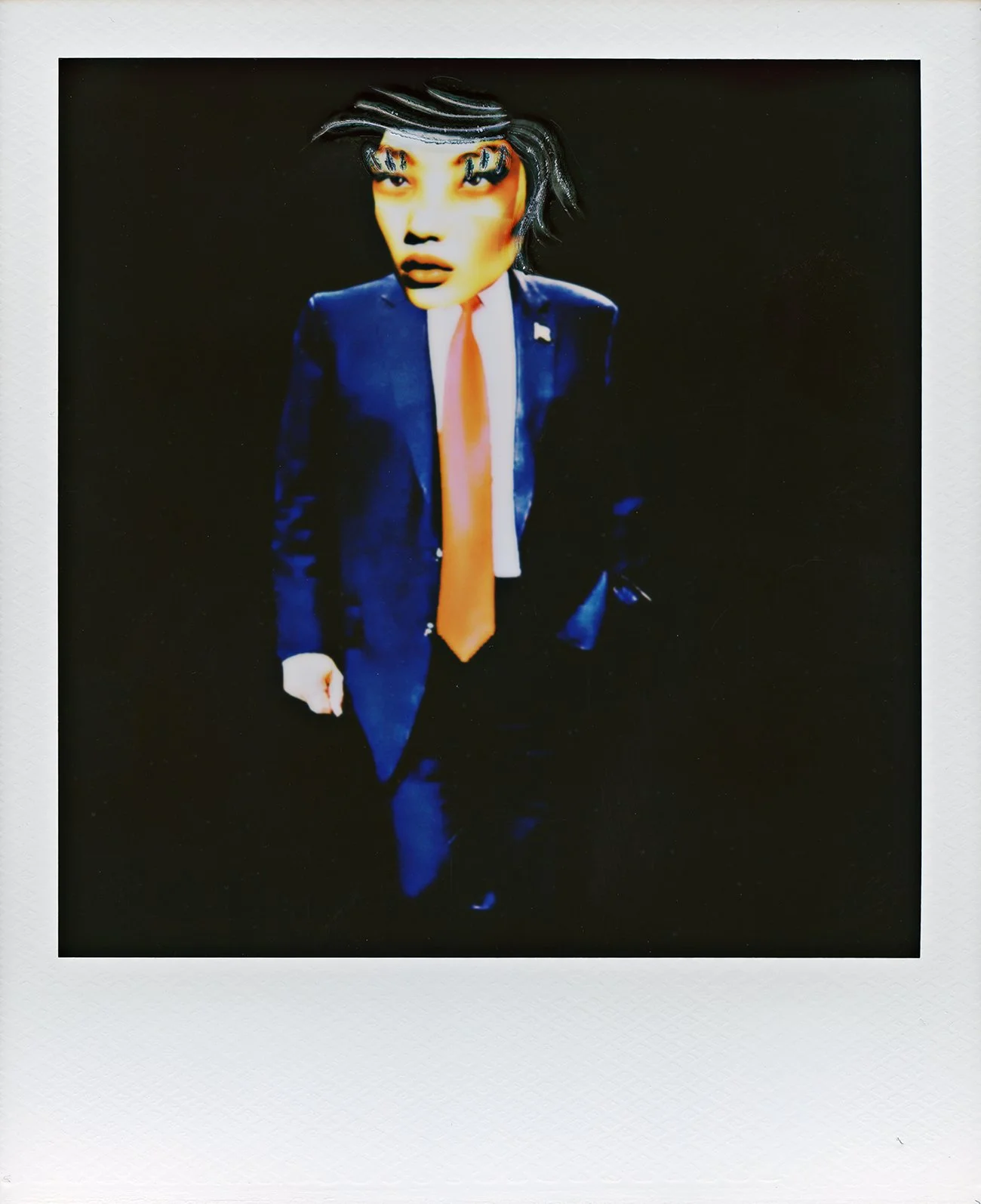
Hypocrite
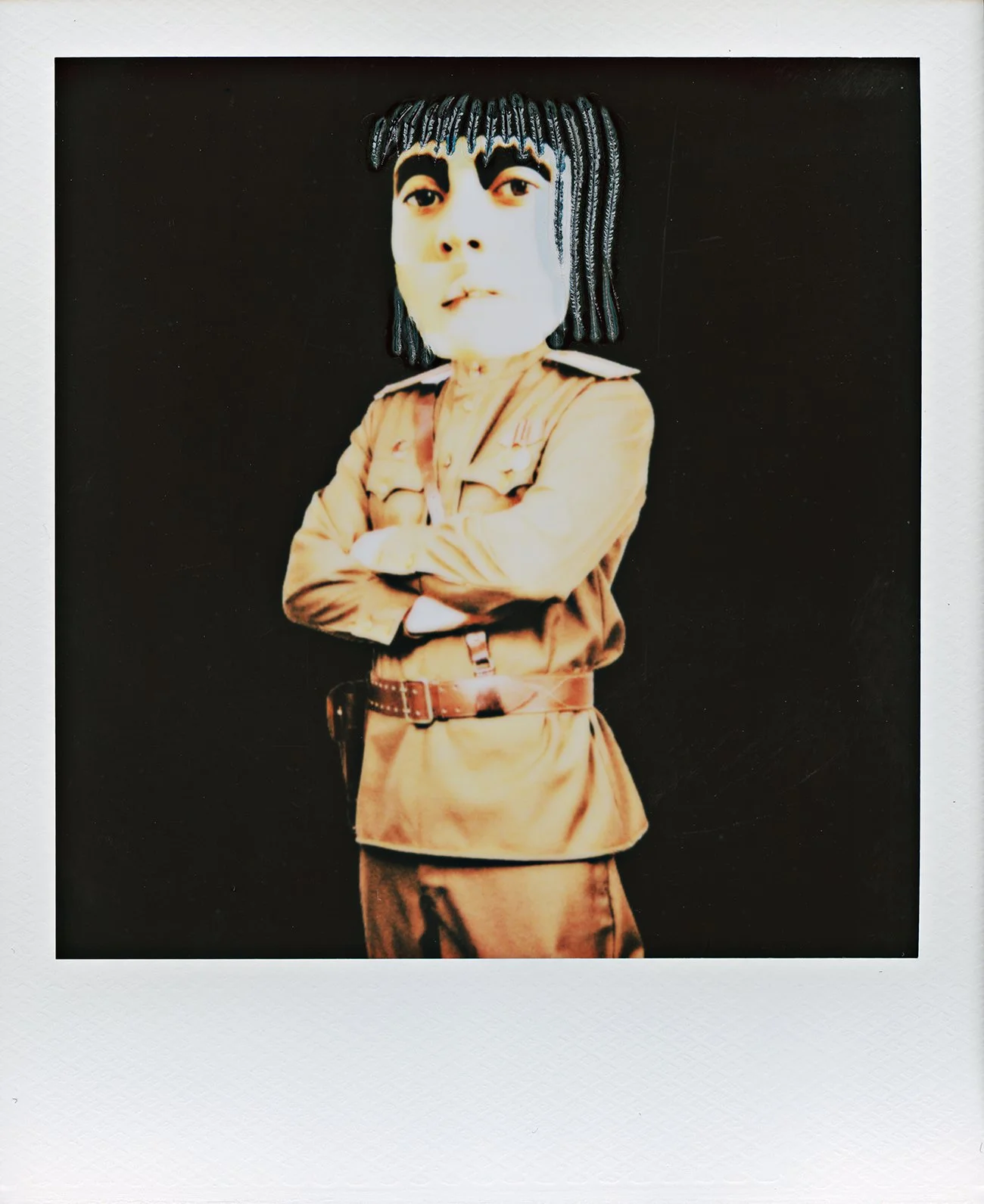
Instrument
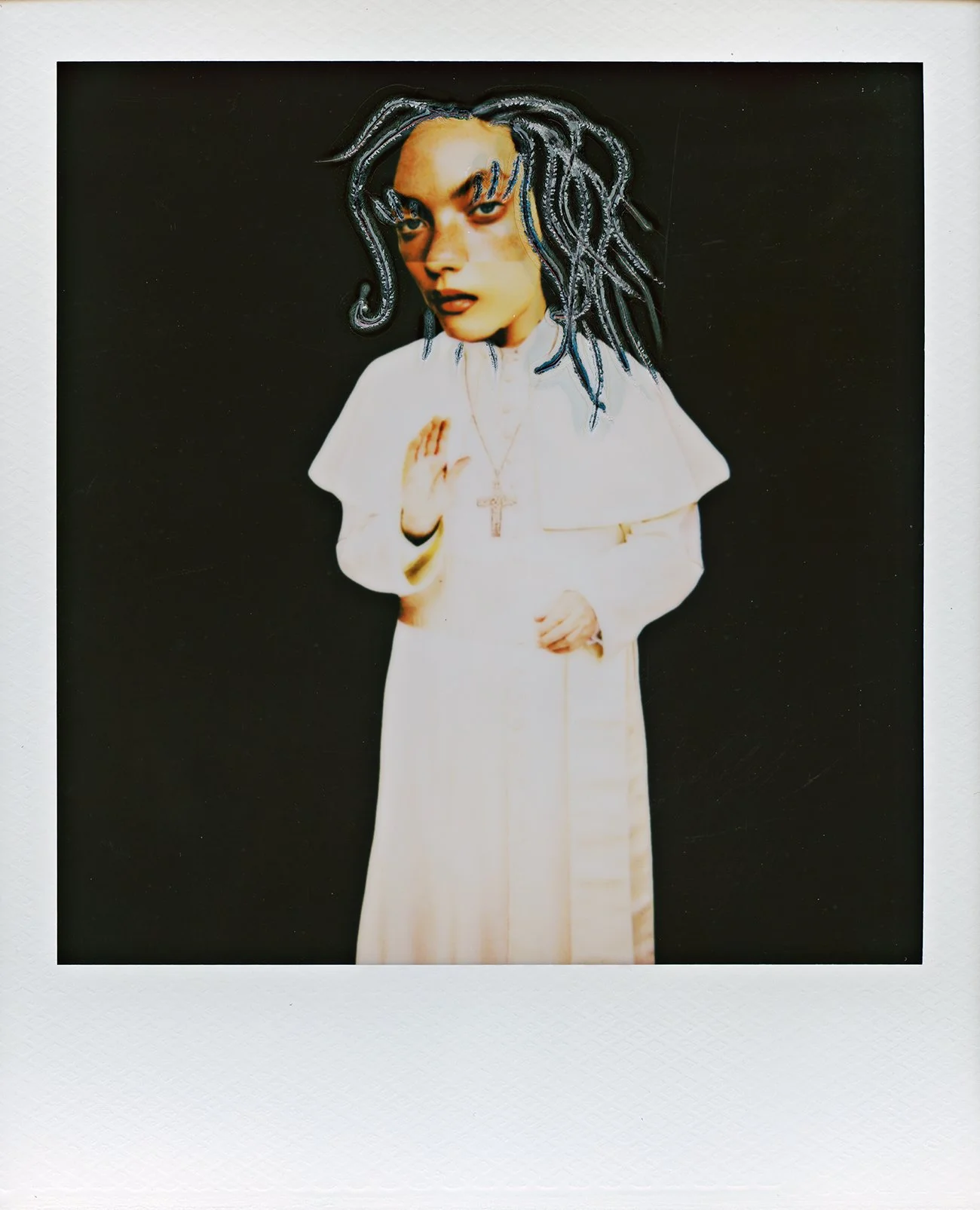
Performer
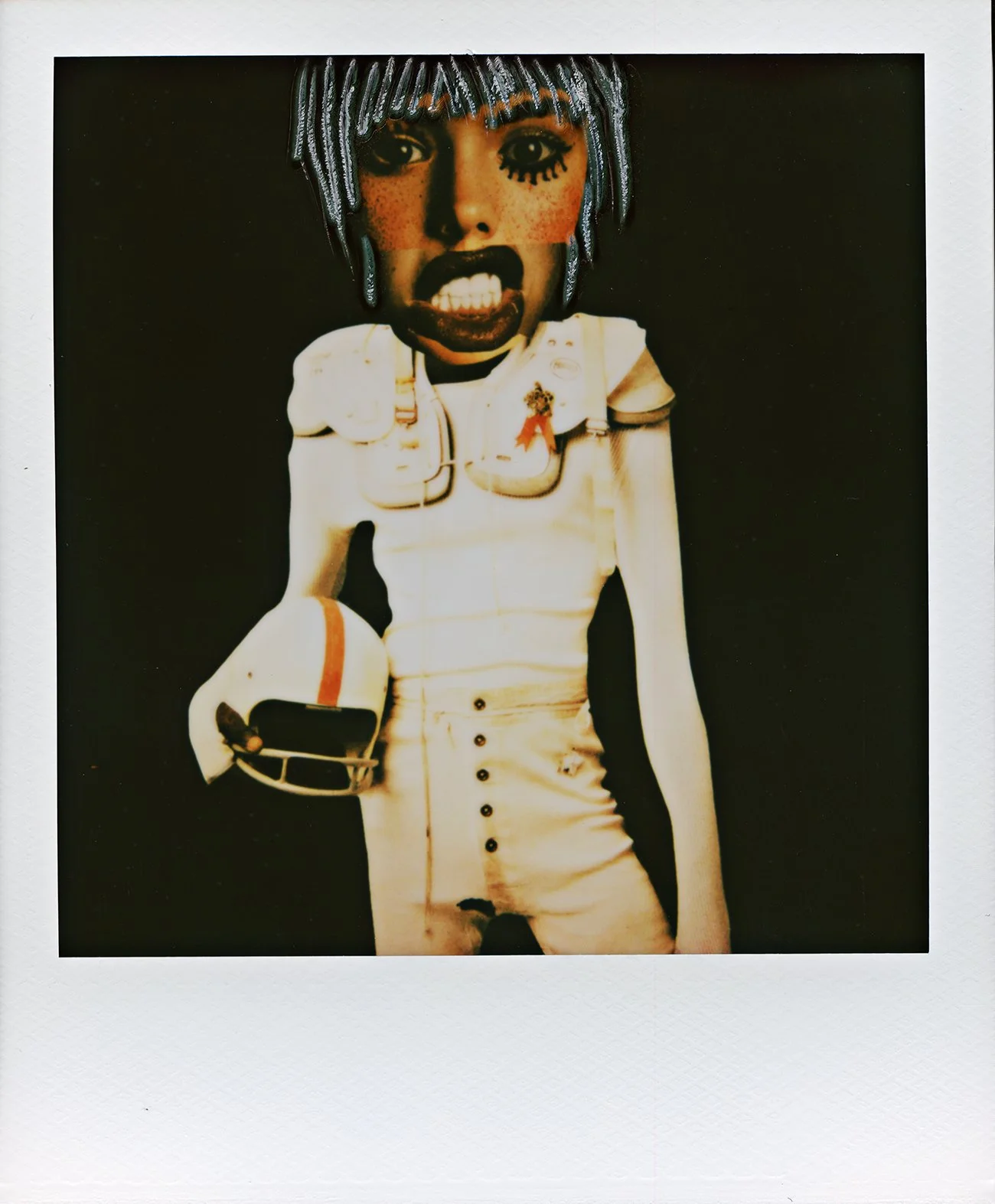
Property
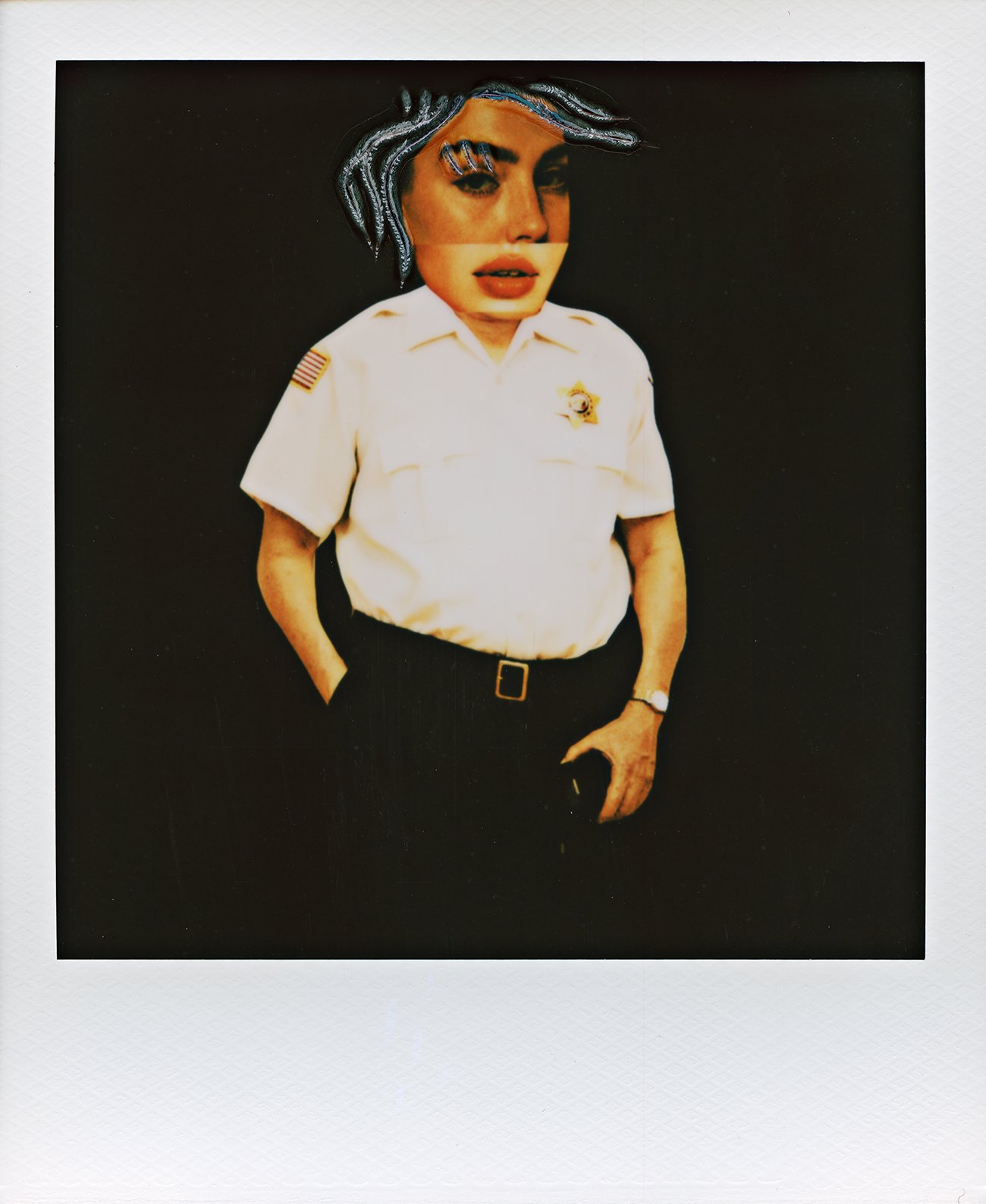
Watcher
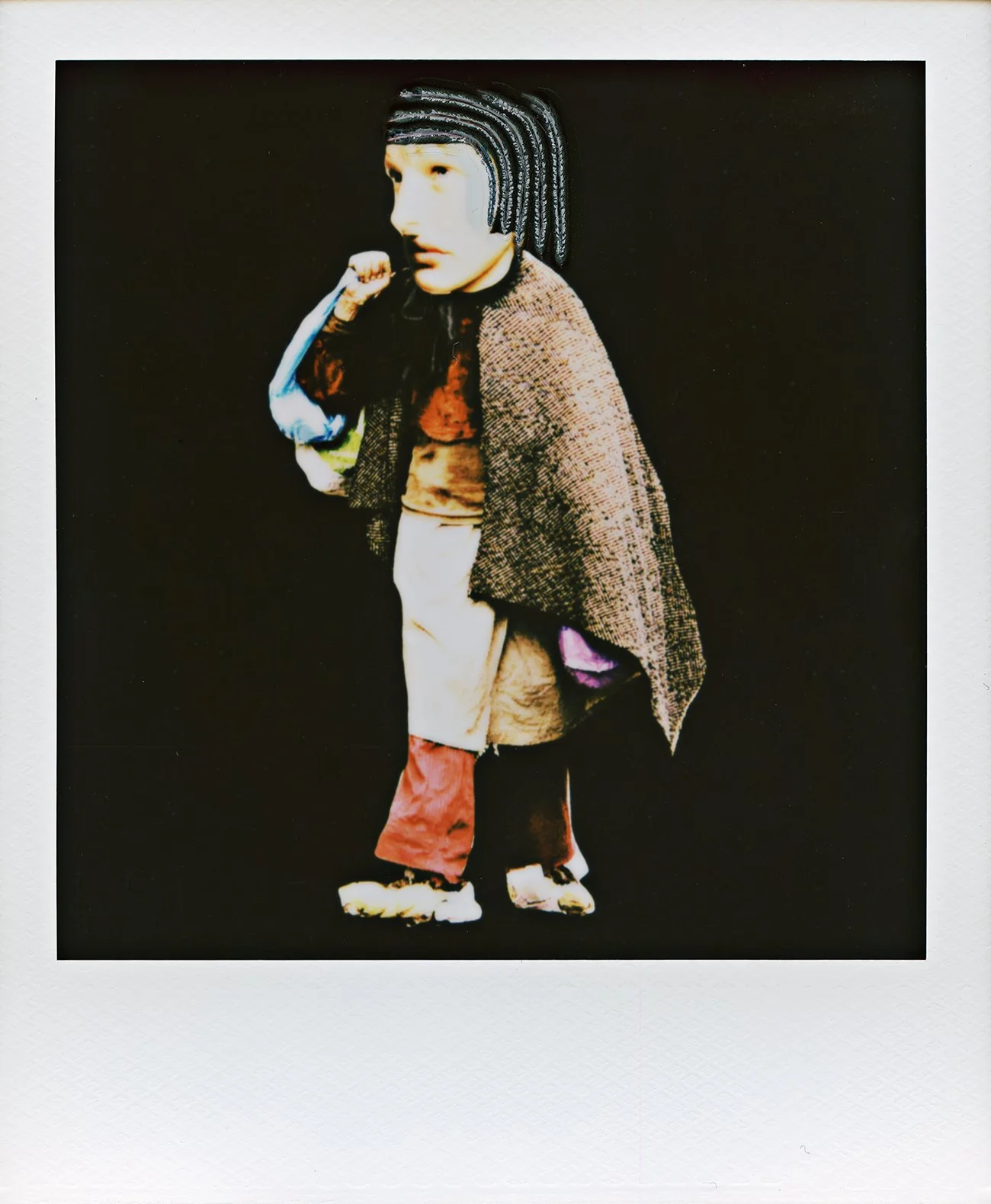
Survivor
CONSUMPTION
Consumption explores the relationship between identity and the objects people surround themselves with. In contemporary culture, individuals are encouraged to define themselves through products, brands, and lifestyle choices. Taste, status, pleasure, and aspiration become visible through the accumulation of things.
In these portraits, the frame is filled with the very materials that signal desire and identity. Fast food, money, cigarettes, beauty products, plastic packaging, novelty items, and digital devices surround the subjects until the individual appears submerged within them. The objects function both as symbols of aspiration and as markers of dependency.
As the accumulation grows, the boundary between person and product begins to dissolve. The individual no longer simply possesses these items, instead, they appear shaped, defined, and overwhelmed by them. The images suggest a culture in which identity is increasingly constructed through consumption, and where the objects meant to serve us gradually begin to consume us in return.
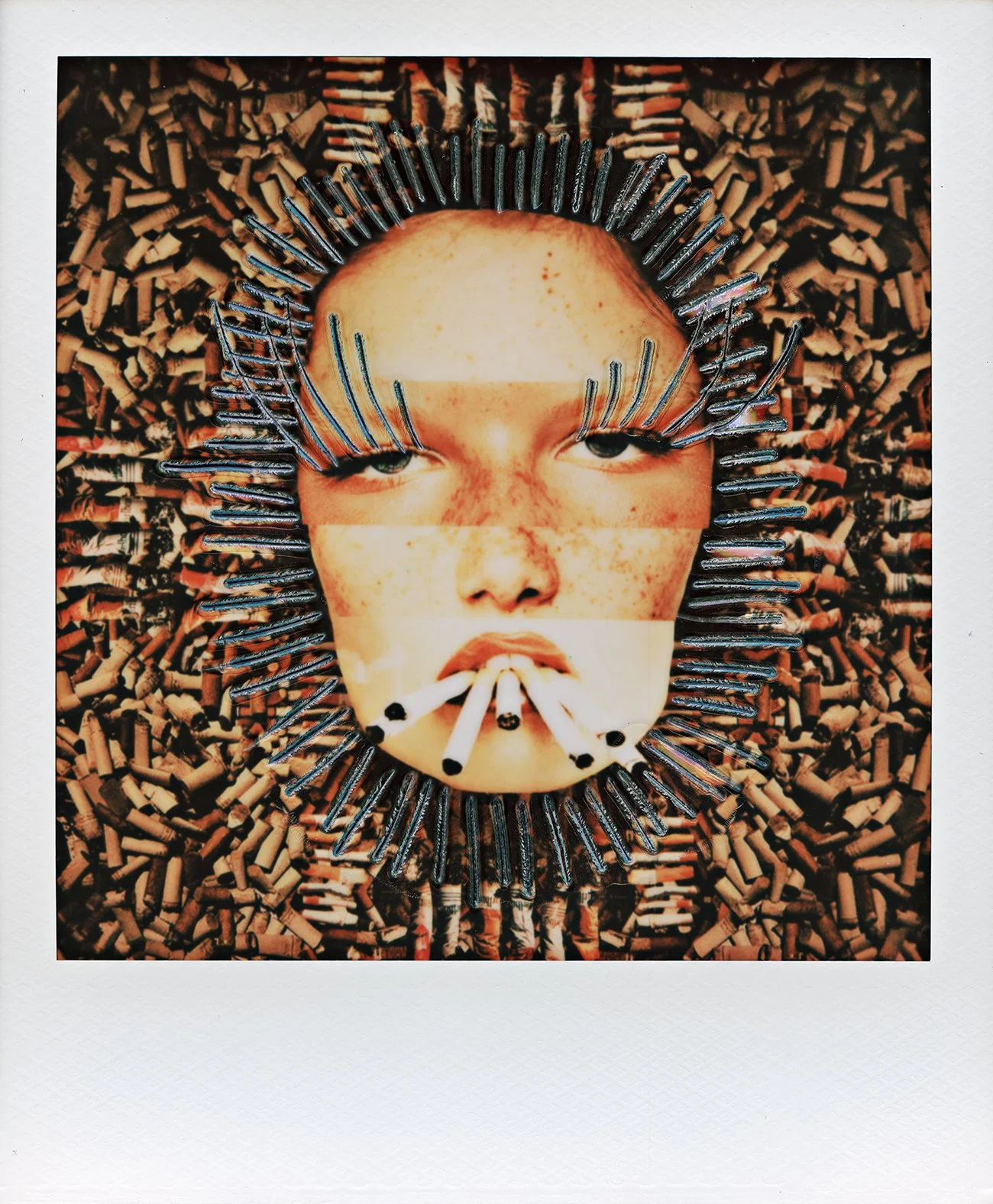
Consumption #1
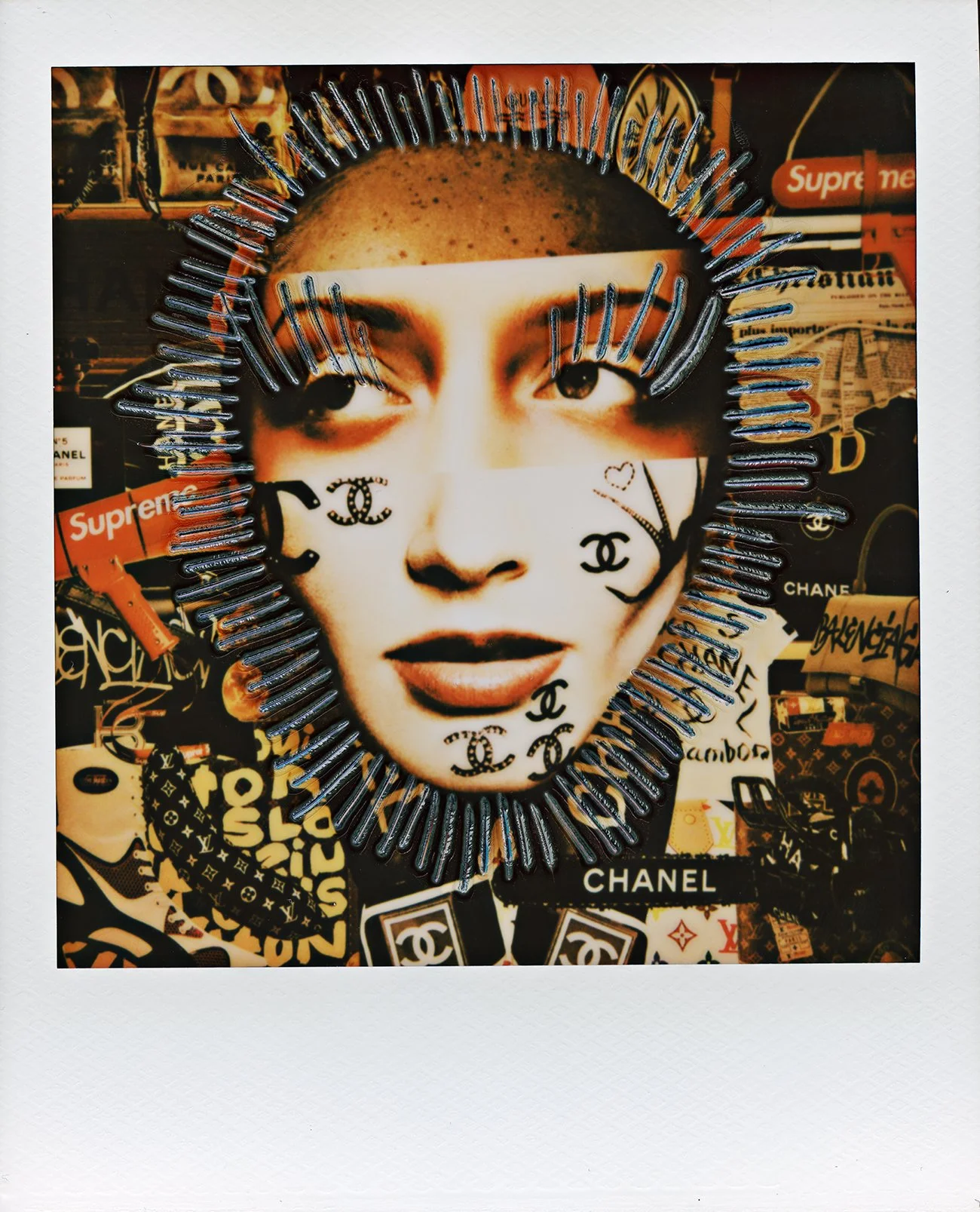
Consumption #2
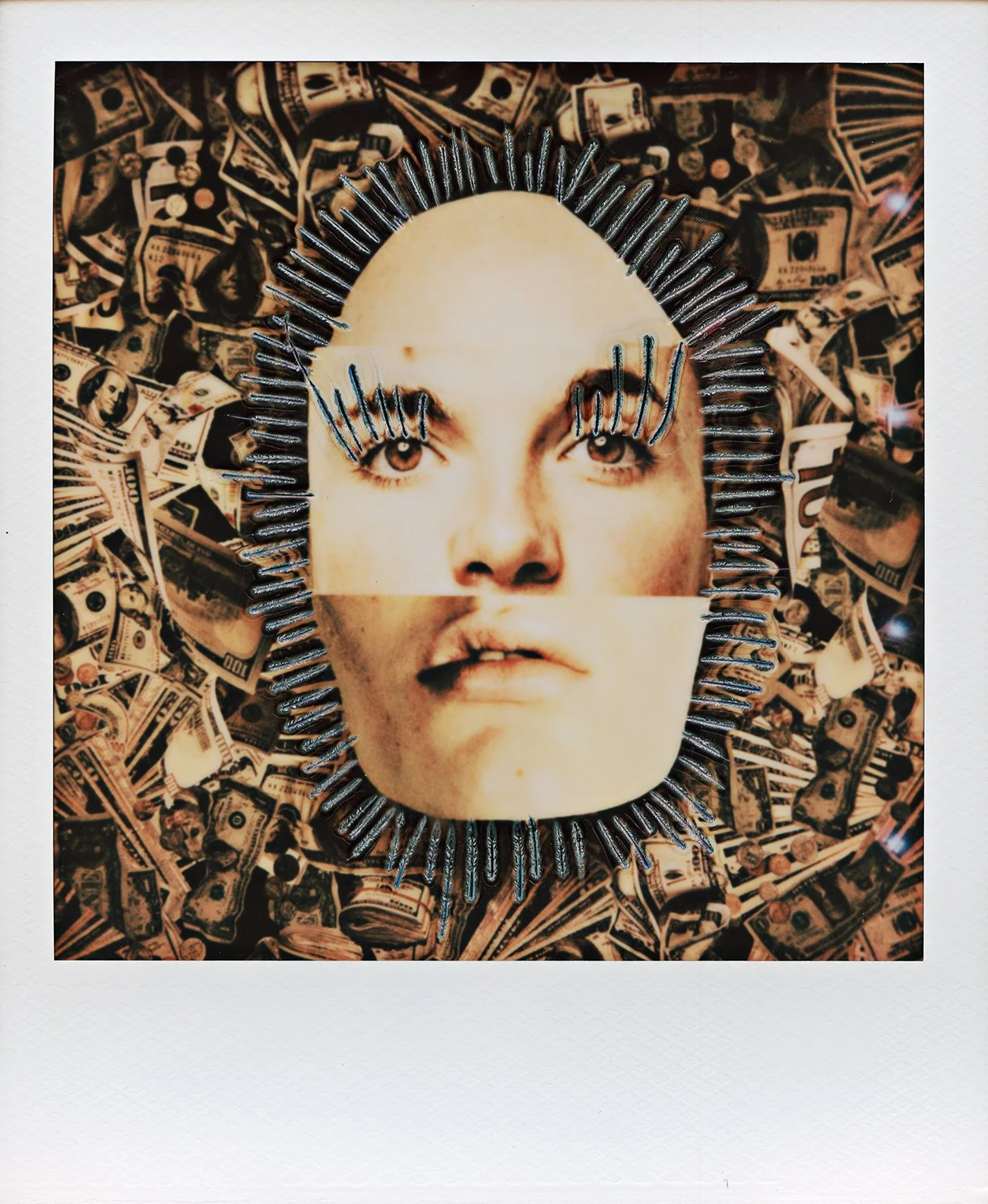
Consumption #3
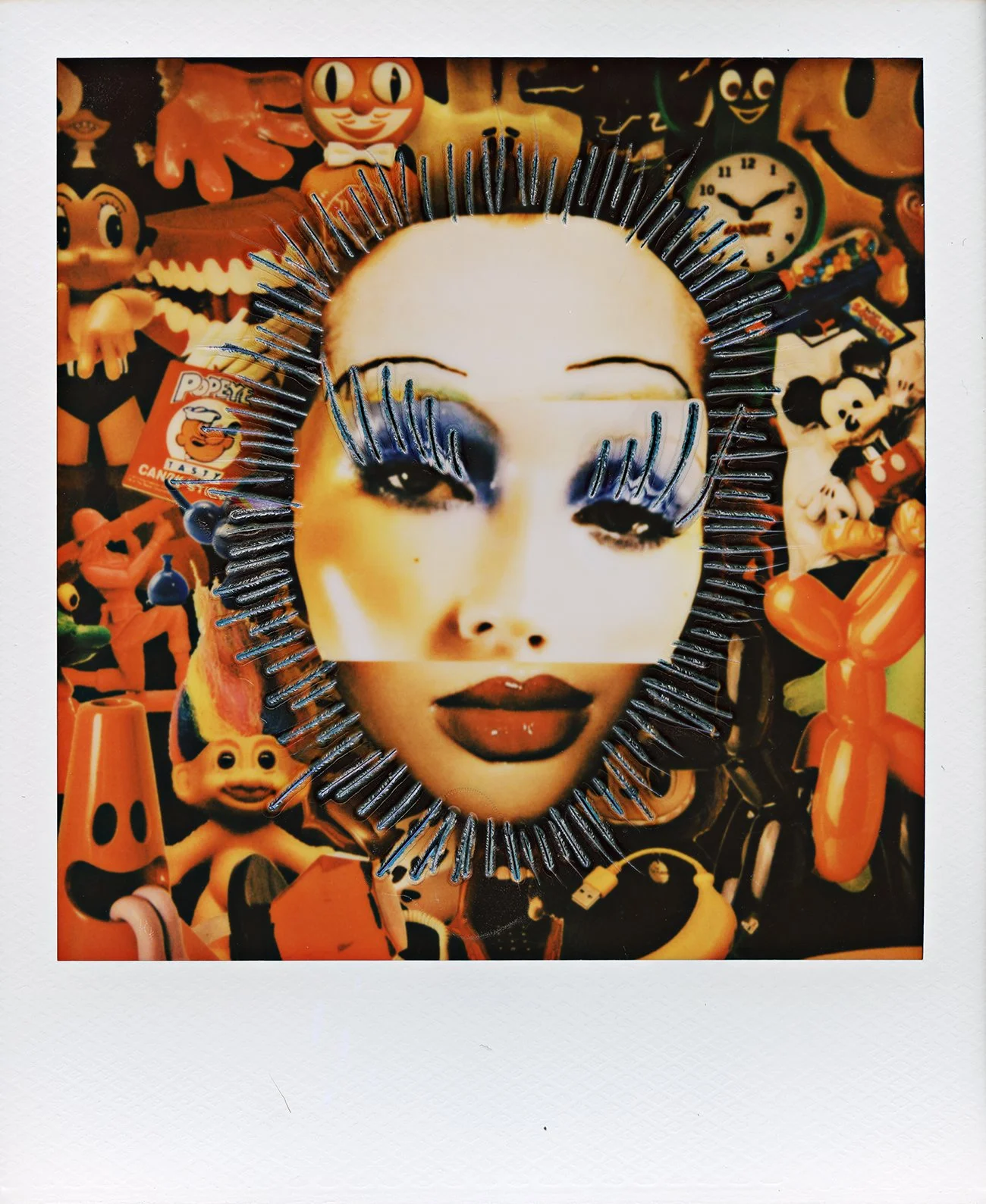
Consumption #4
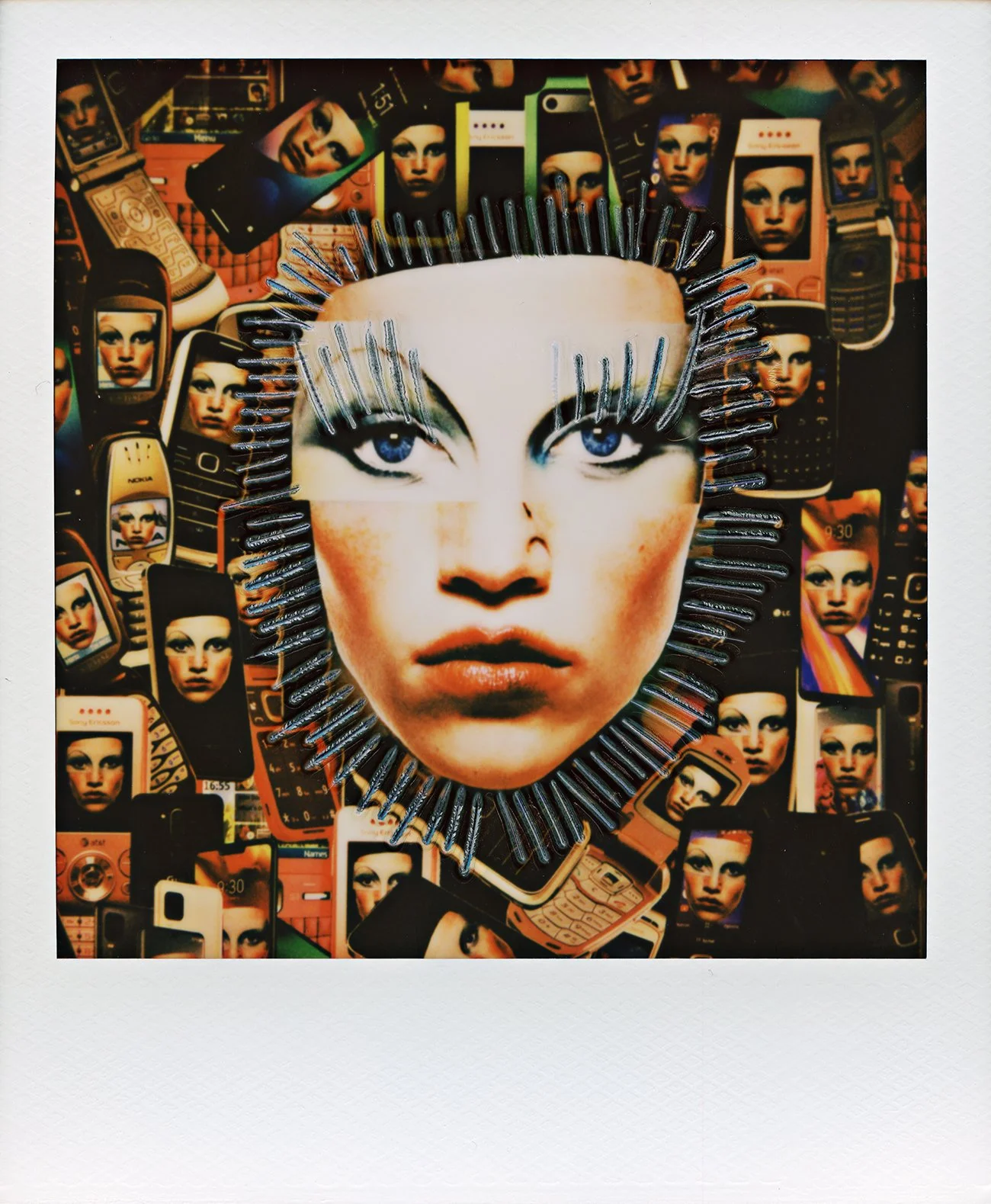
Consumption #5
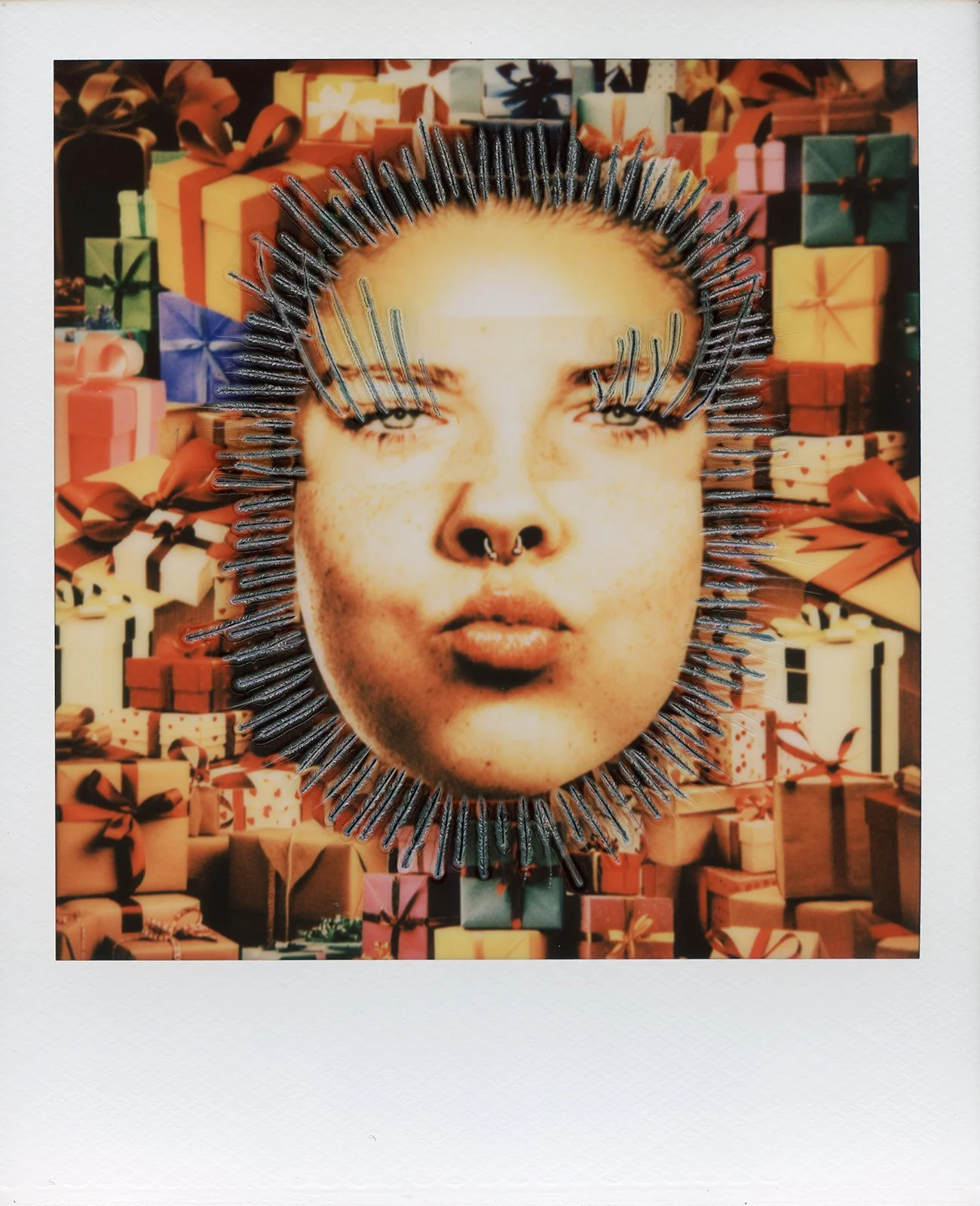
Consumption #6
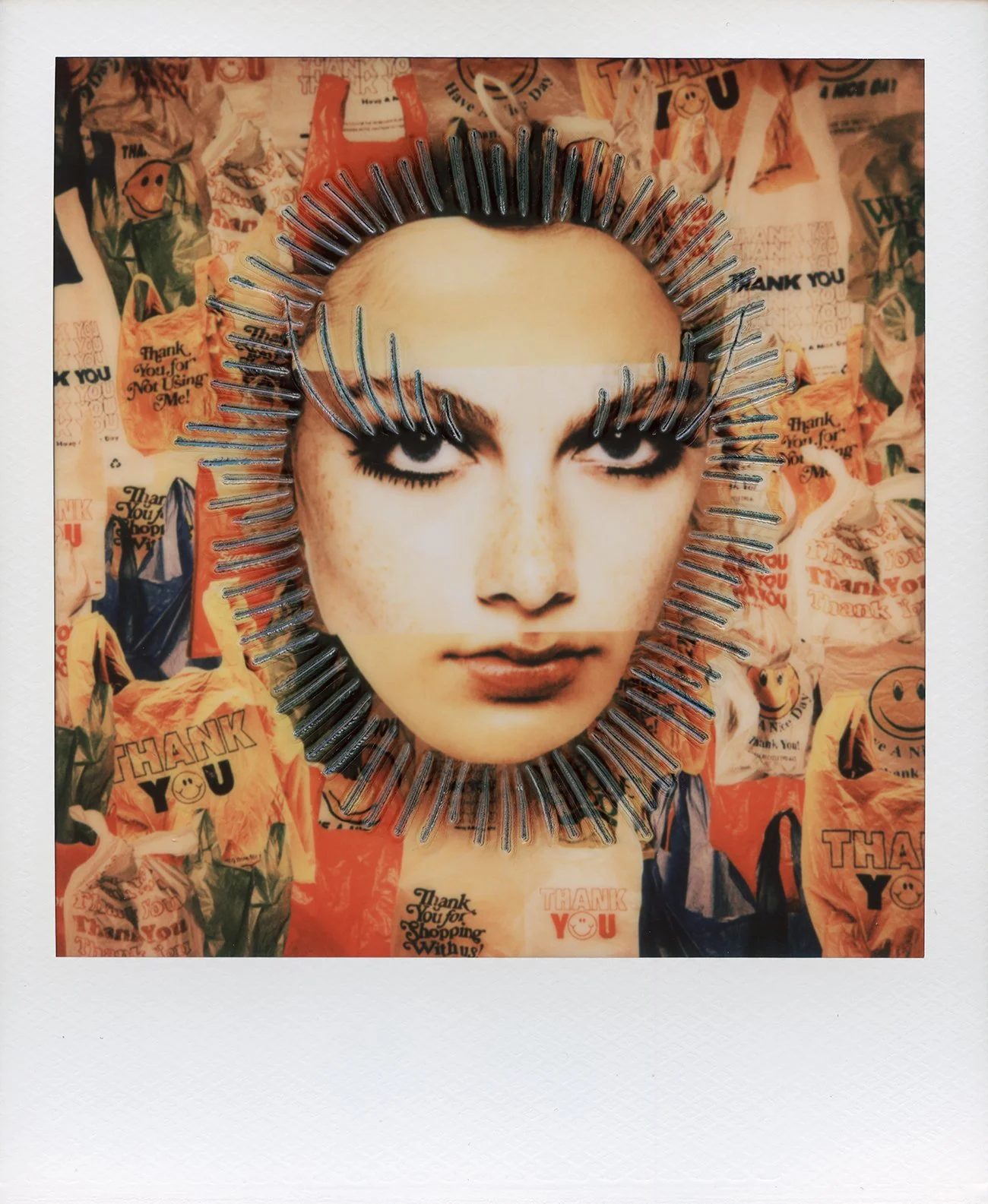
Consumption #7
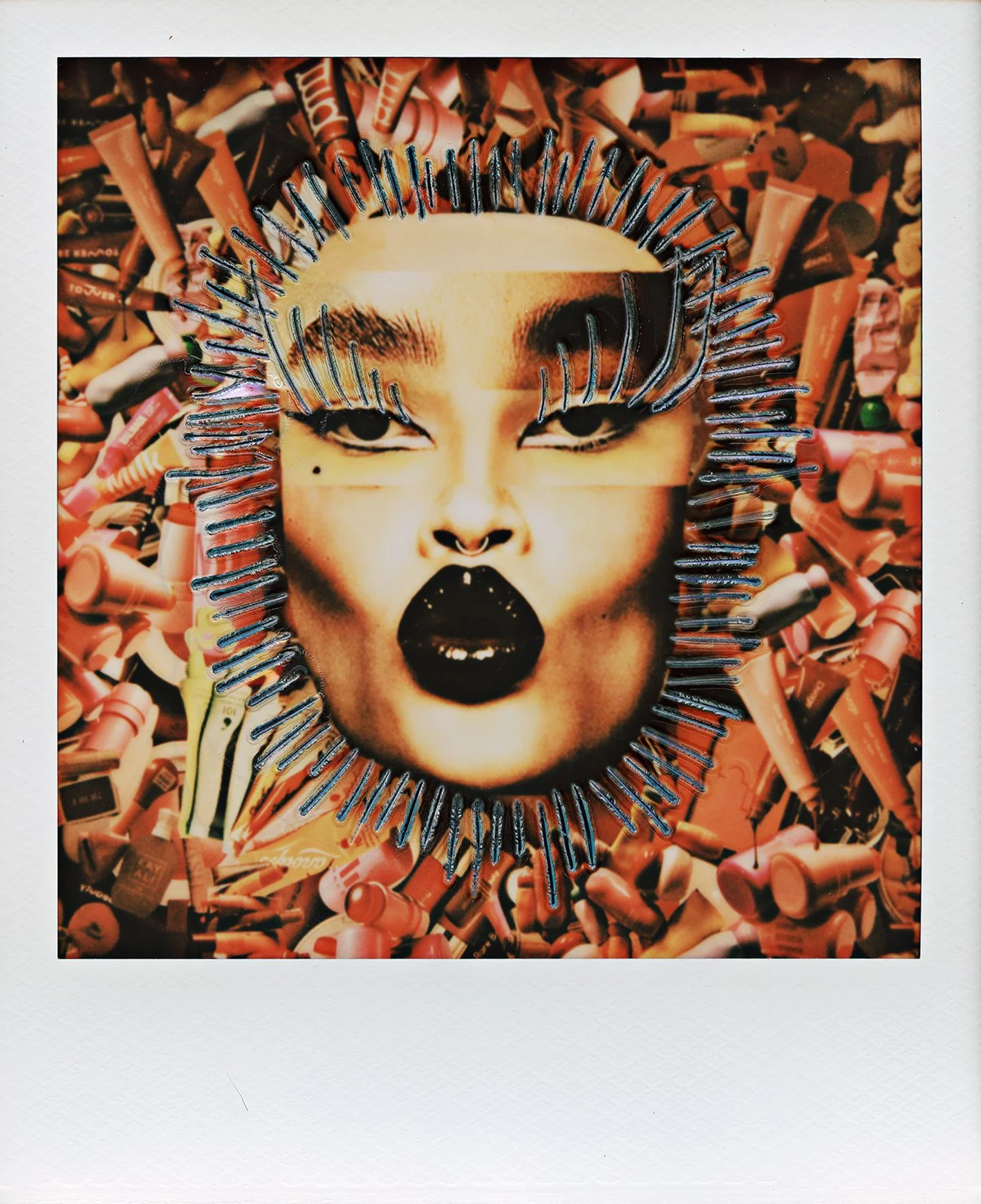
Consumption #8
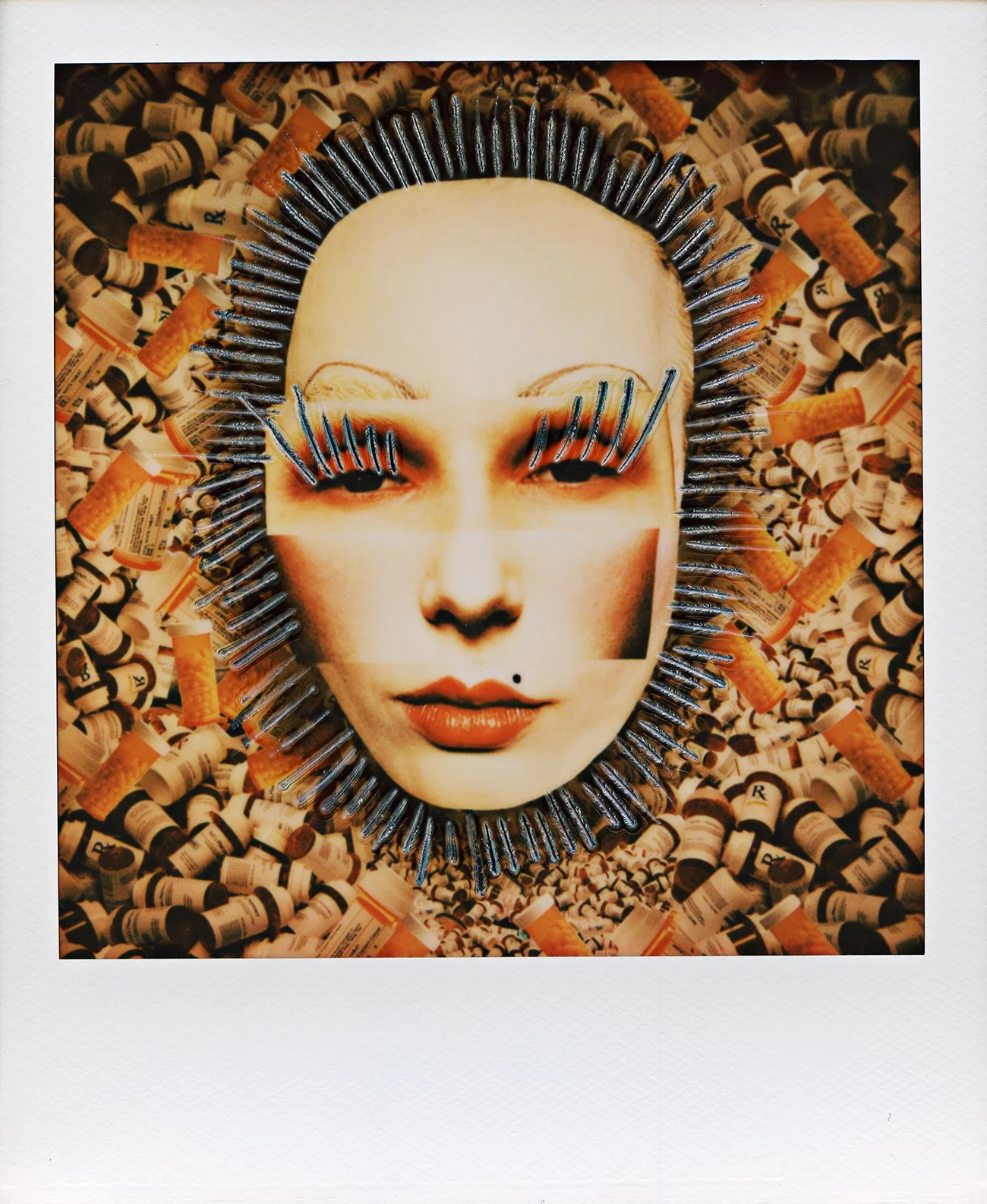
Consumption #9
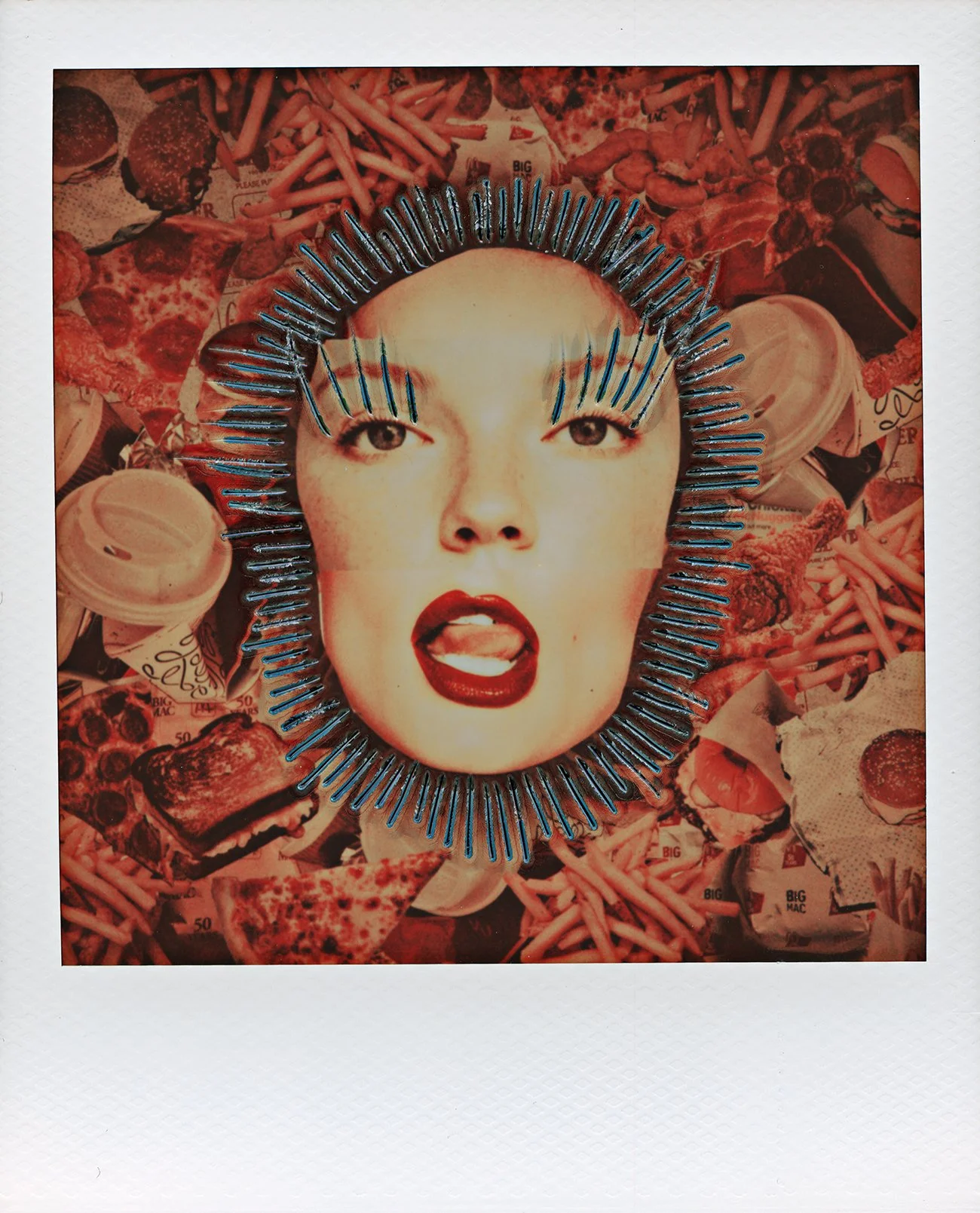
Consumption #10
WORK
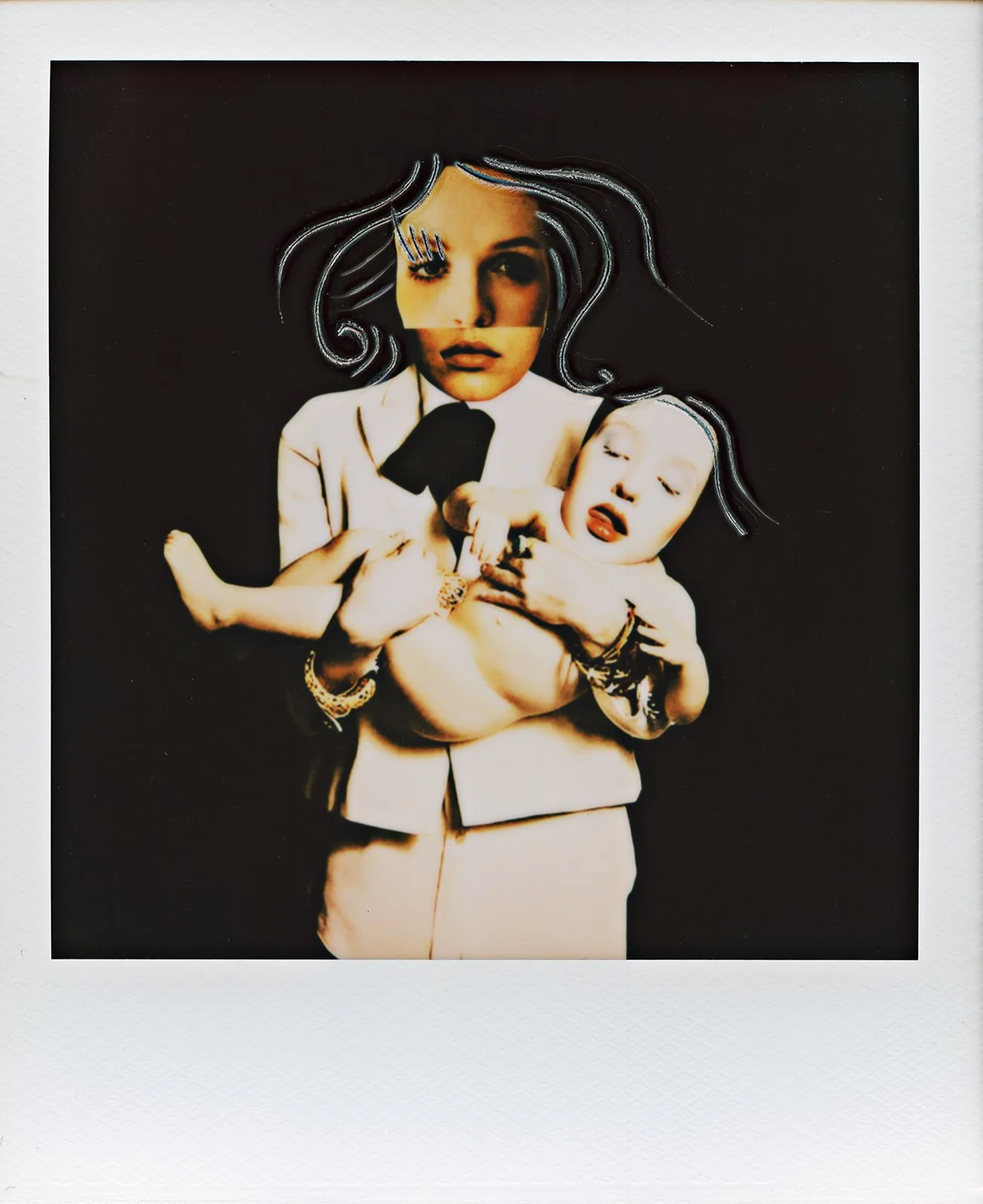
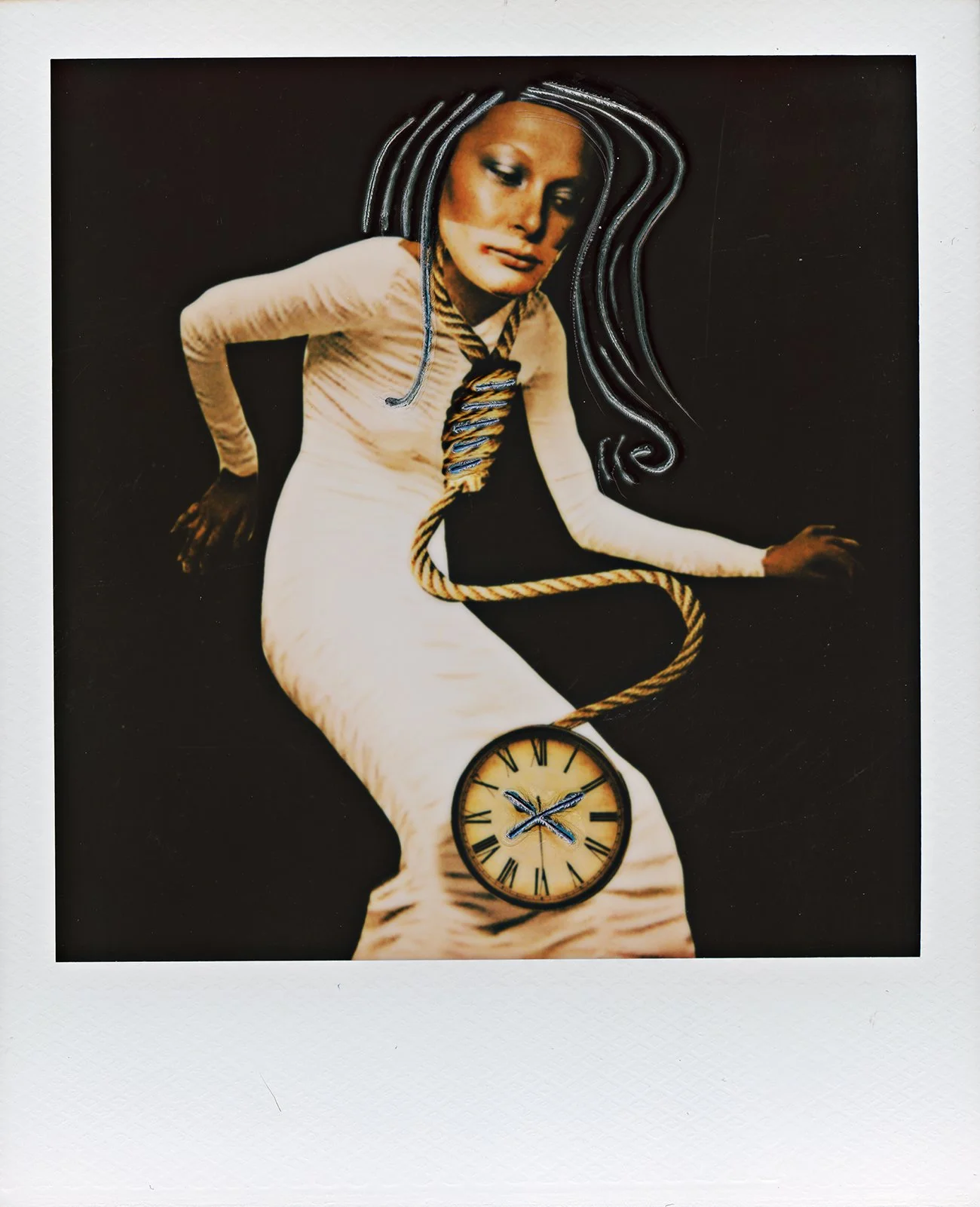
Work investigates the cost of productivity. Rather than depicting professions, these images focus on what must be surrendered in order to participate in systems of labor and survival. Time, body, freedom, identity, dreams, hope, and dignity are gradually exchanged for stability and obligation.
Each portrait visualizes a different form of sacrifice. The subjects appear visibly altered, constrained, or diminished, suggesting how systems of productivity reshape the human self. A body becomes fragmented, time tightens like a noose, freedom is bound to obligation, and identity begins to fracture under expectation.
By titling each image after the sacrifice itself, Time, Body, Freedom, Identity, Hope, Dignity, the portraits shift attention away from occupation and toward what work demands in return. The images suggest that the modern identity built around productivity is sustained not only by labor, but by the gradual surrender of pieces of the self.
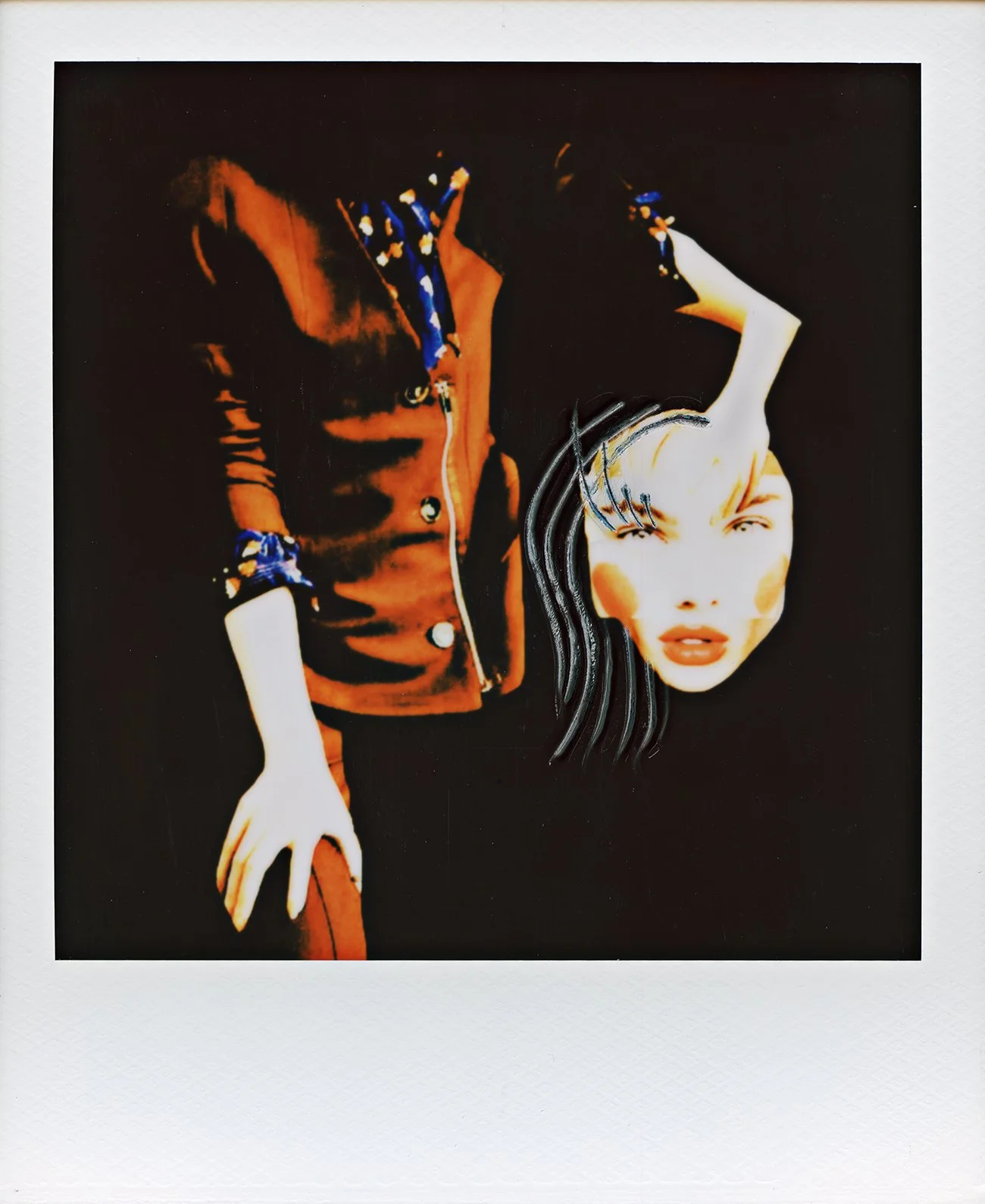
Body
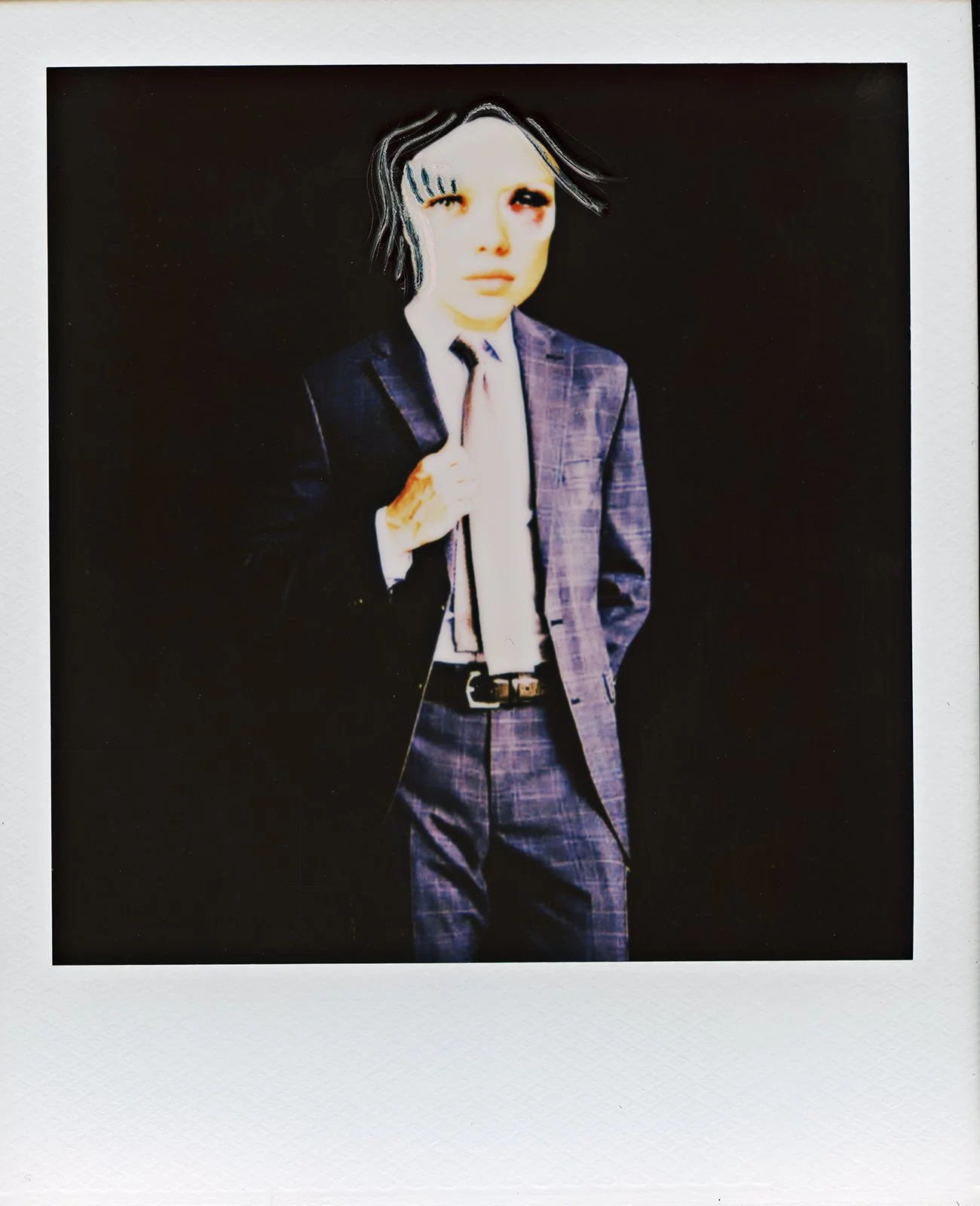
Dignity
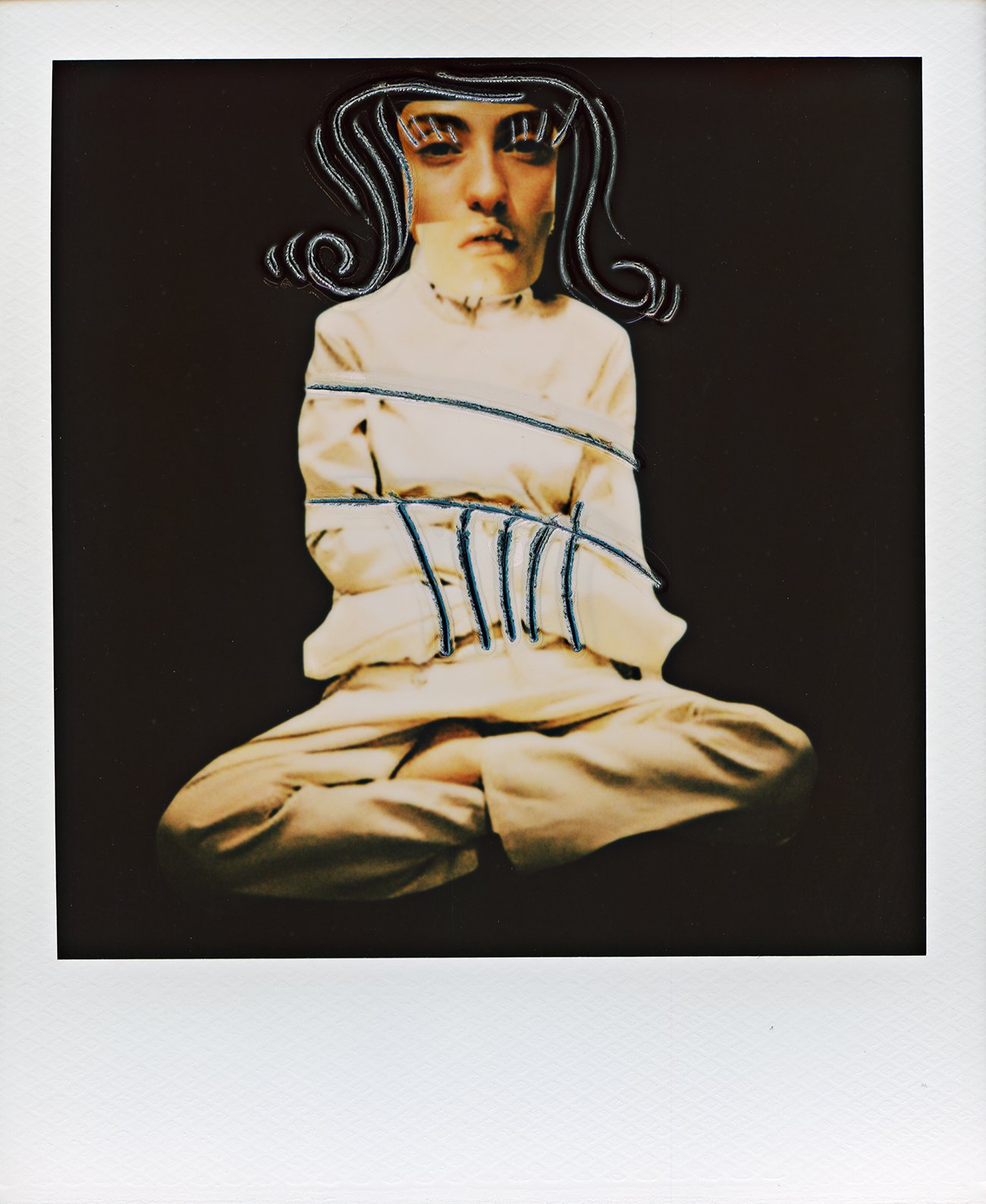
Dreams
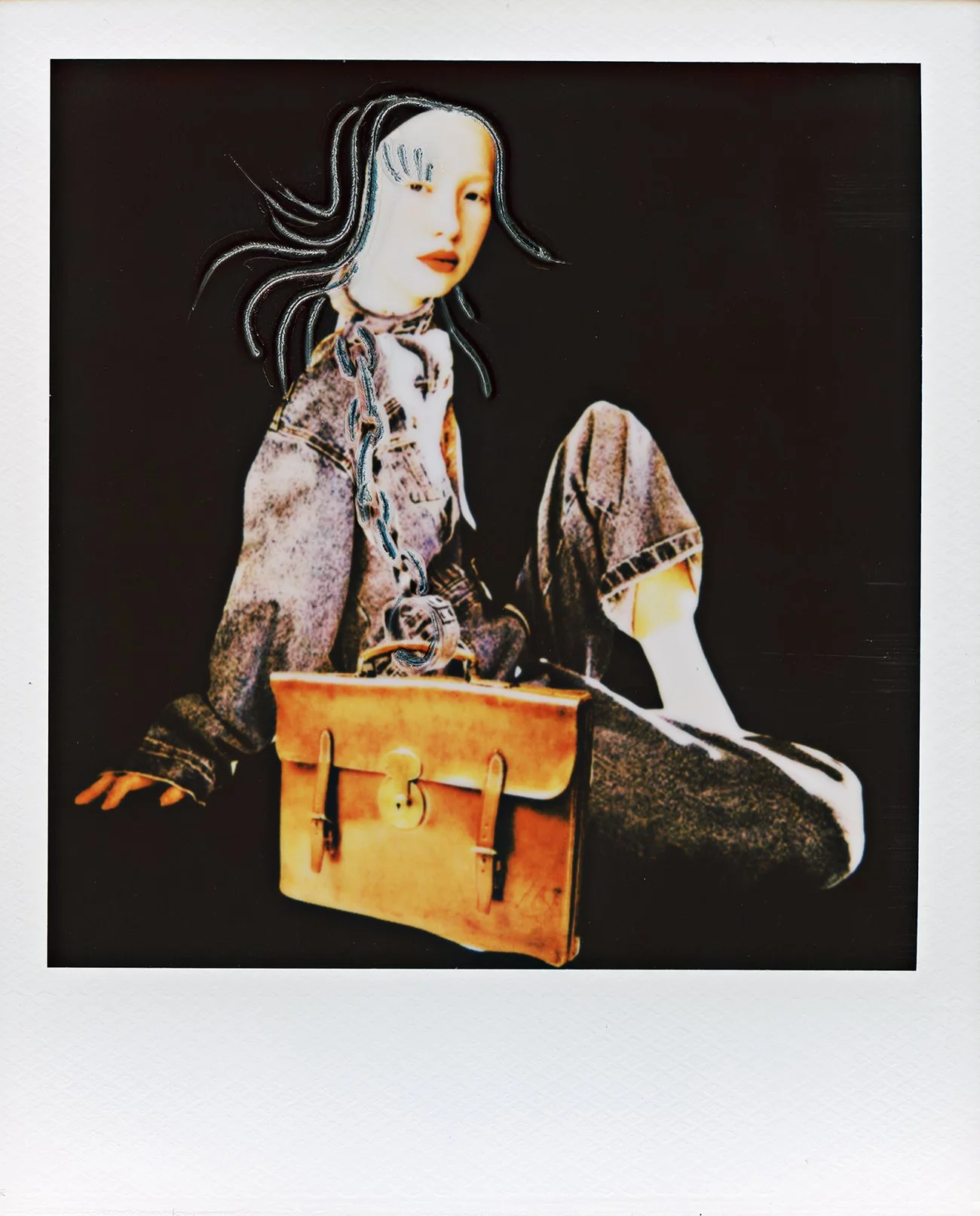
Freedom
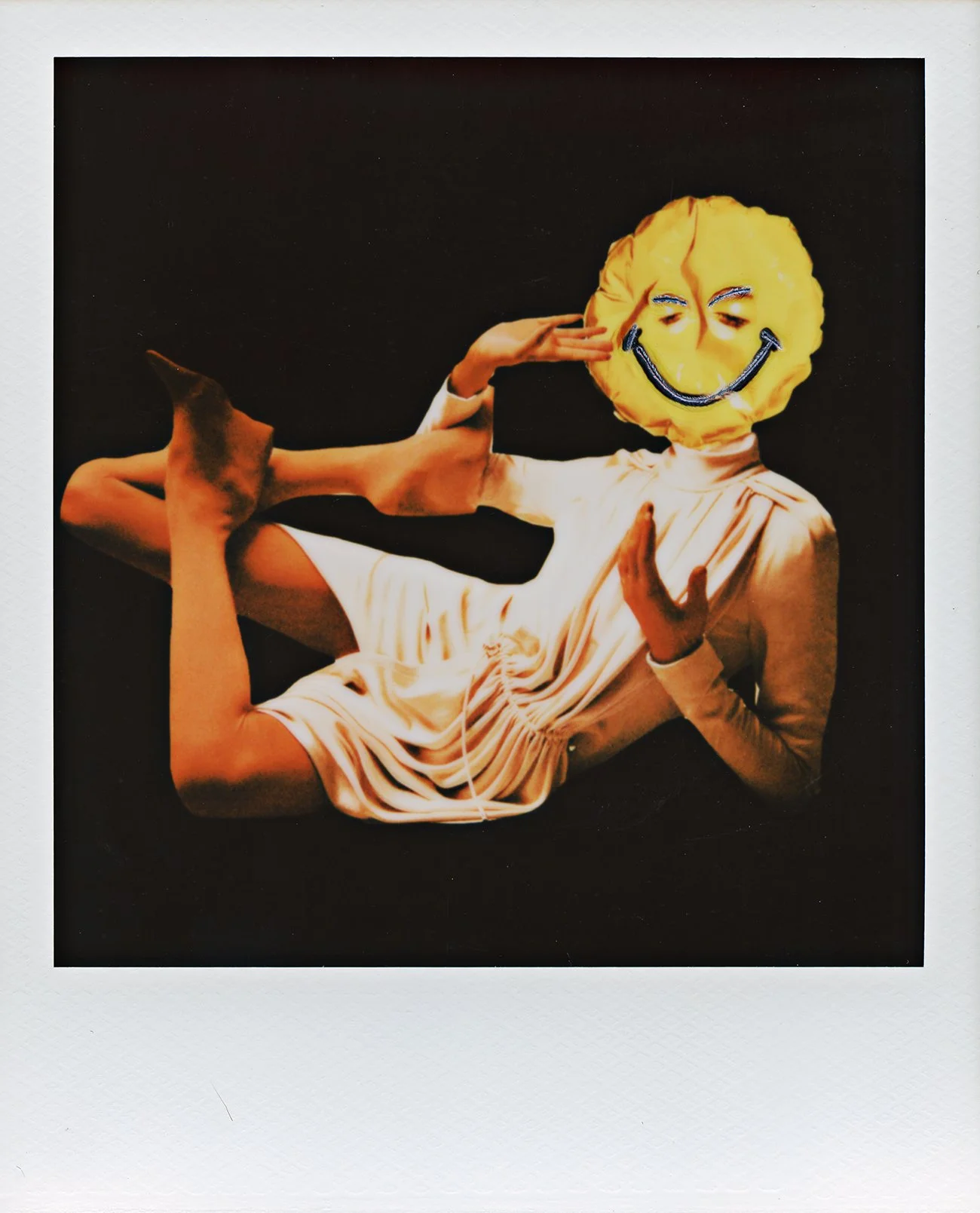
Hope
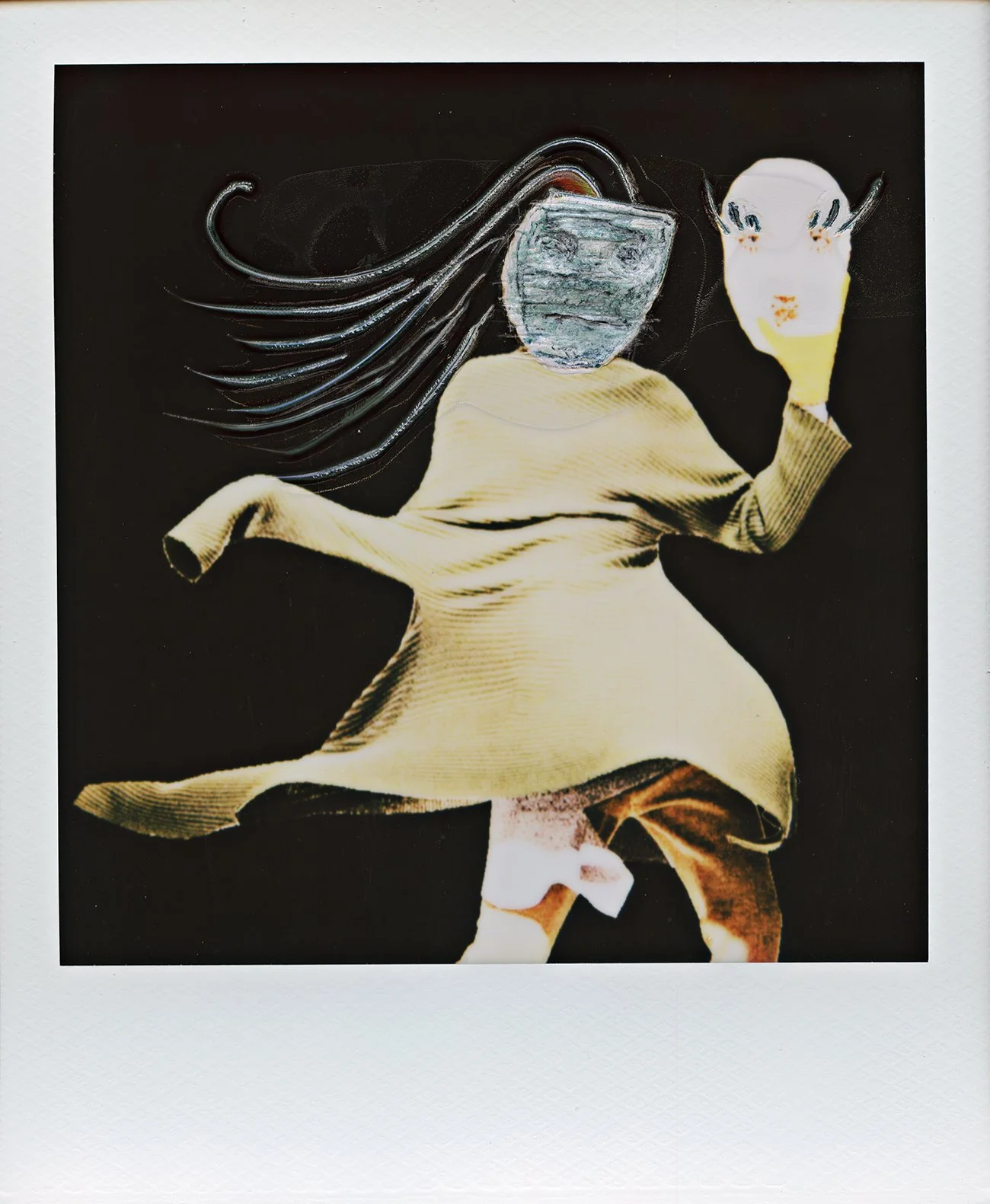
Identity
Life
Time
ENTERTAINMENT
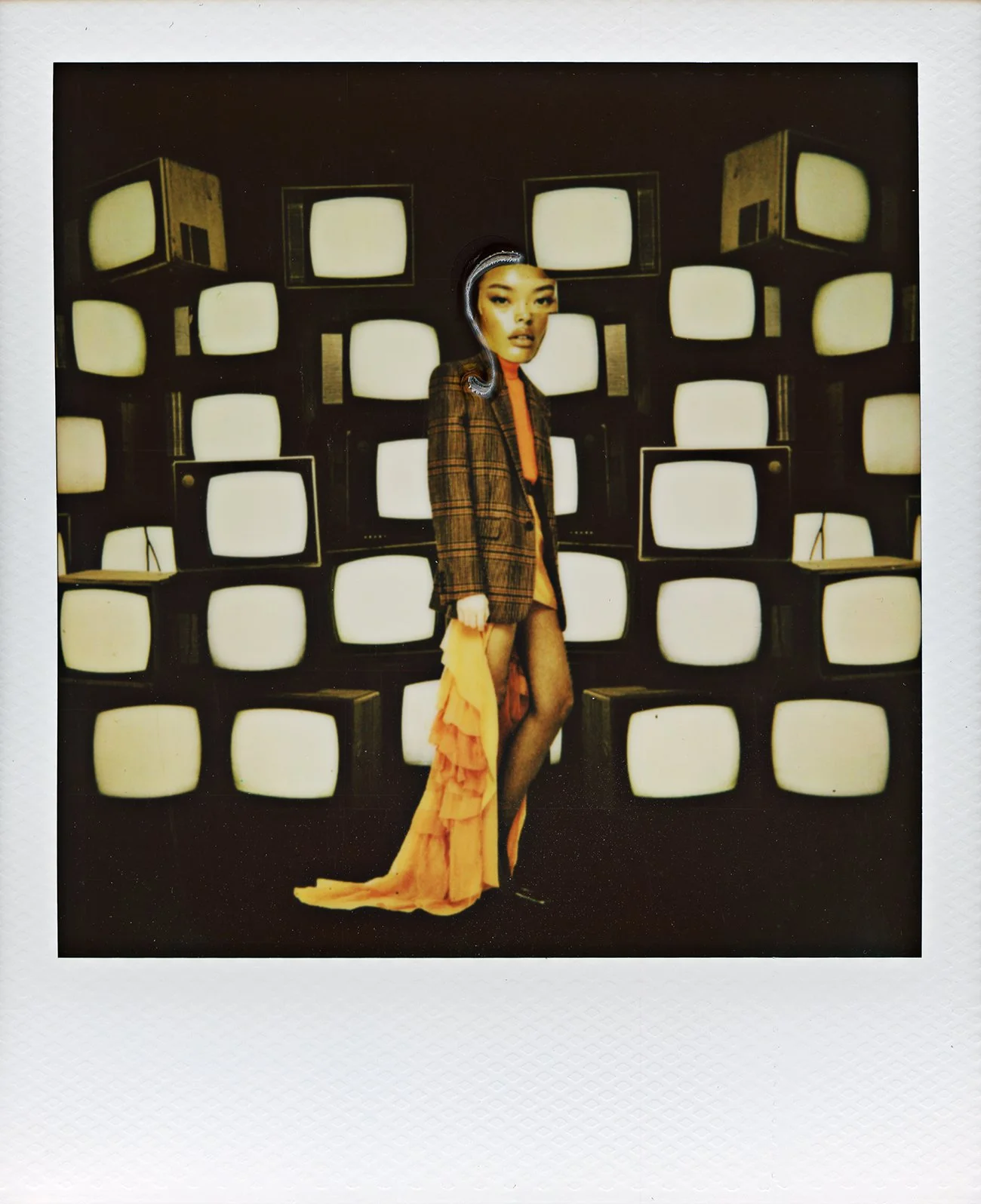
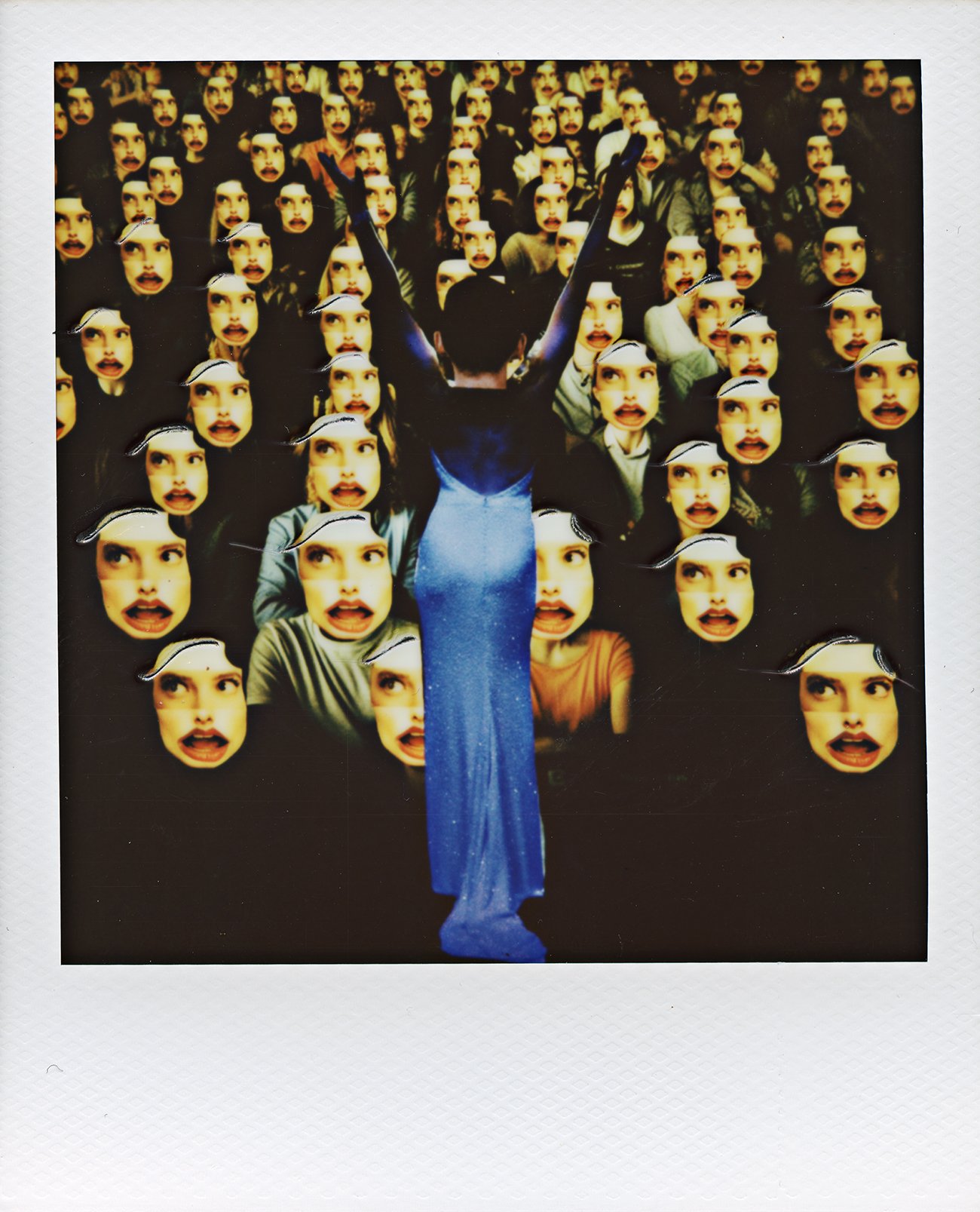
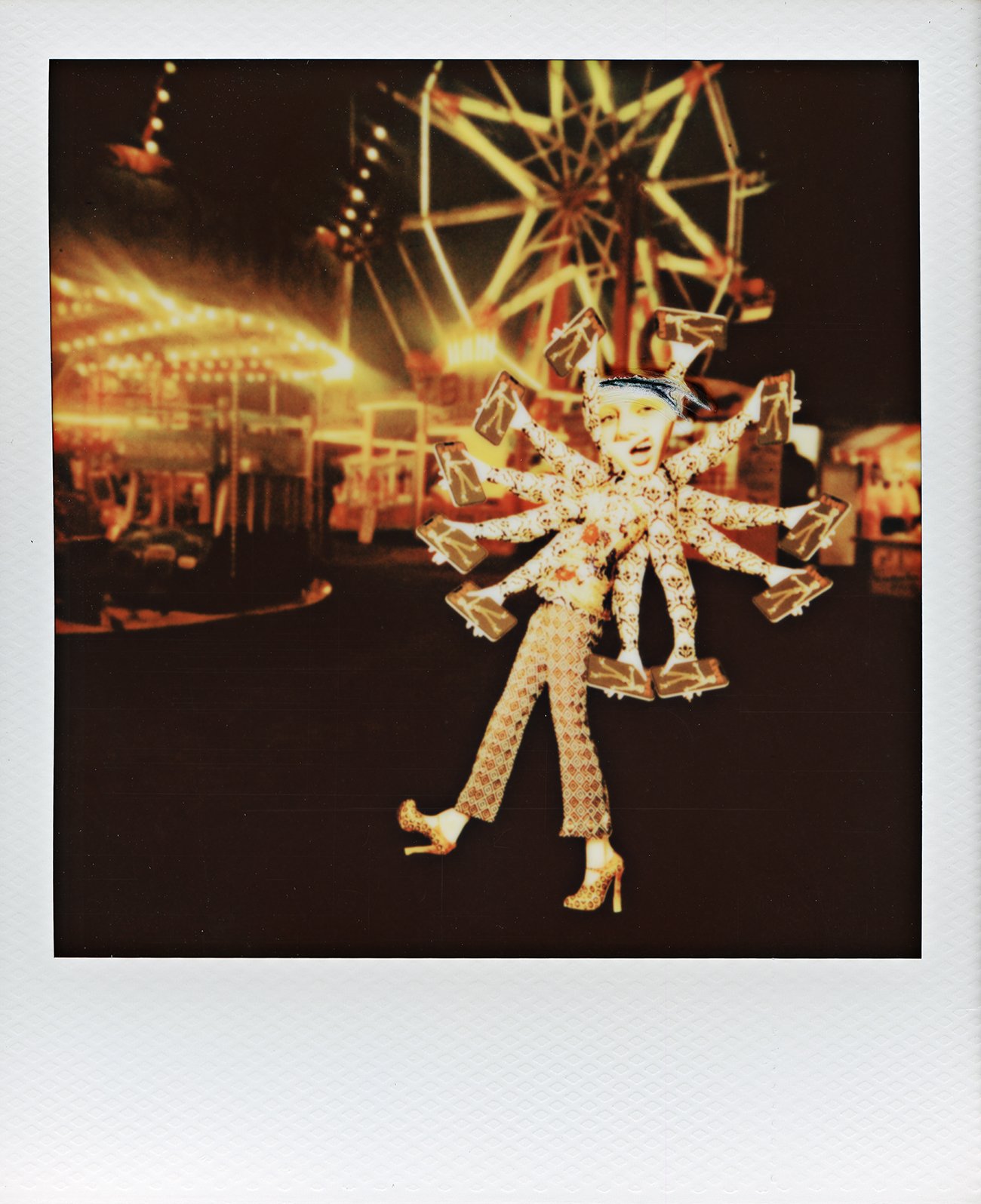
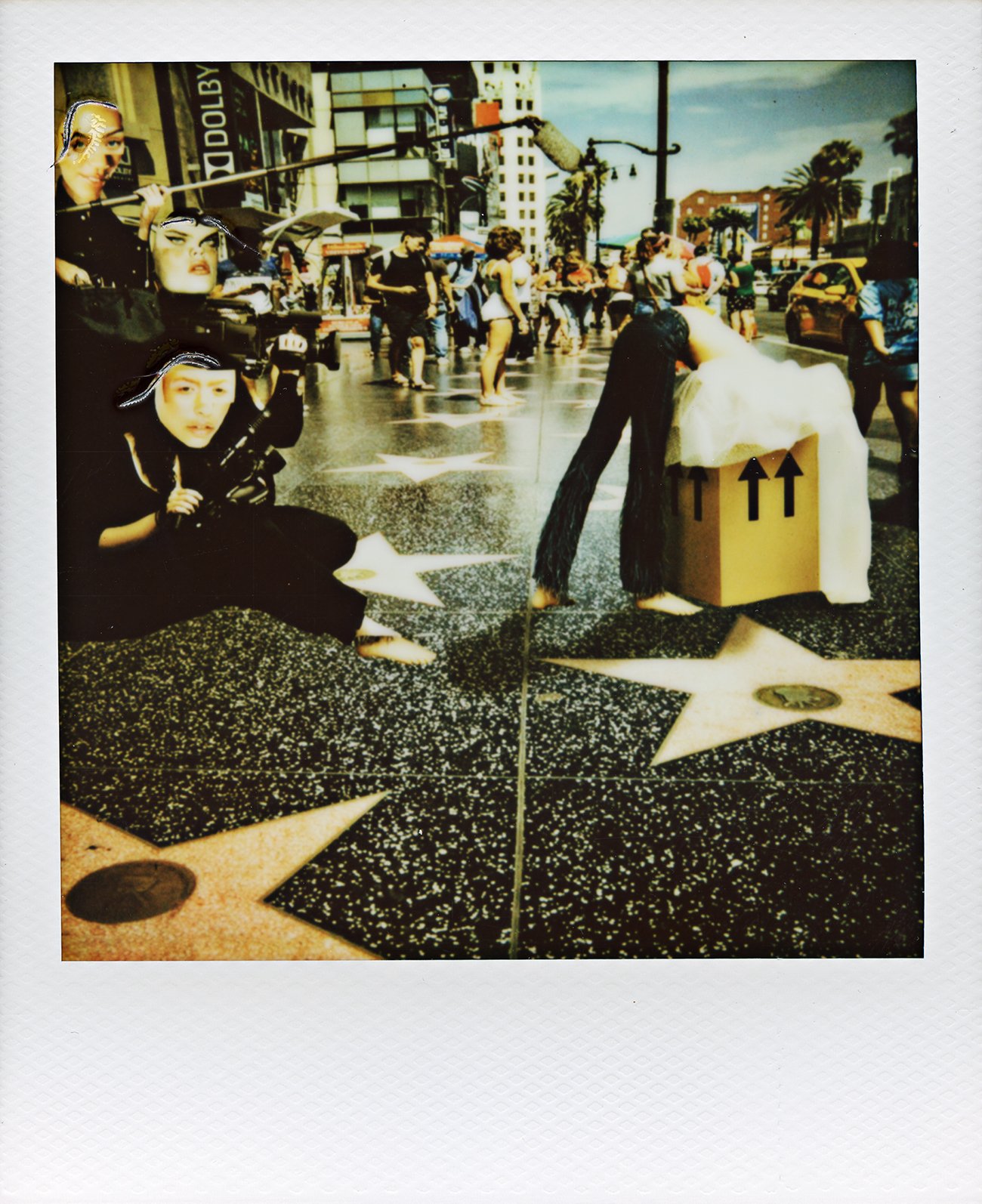
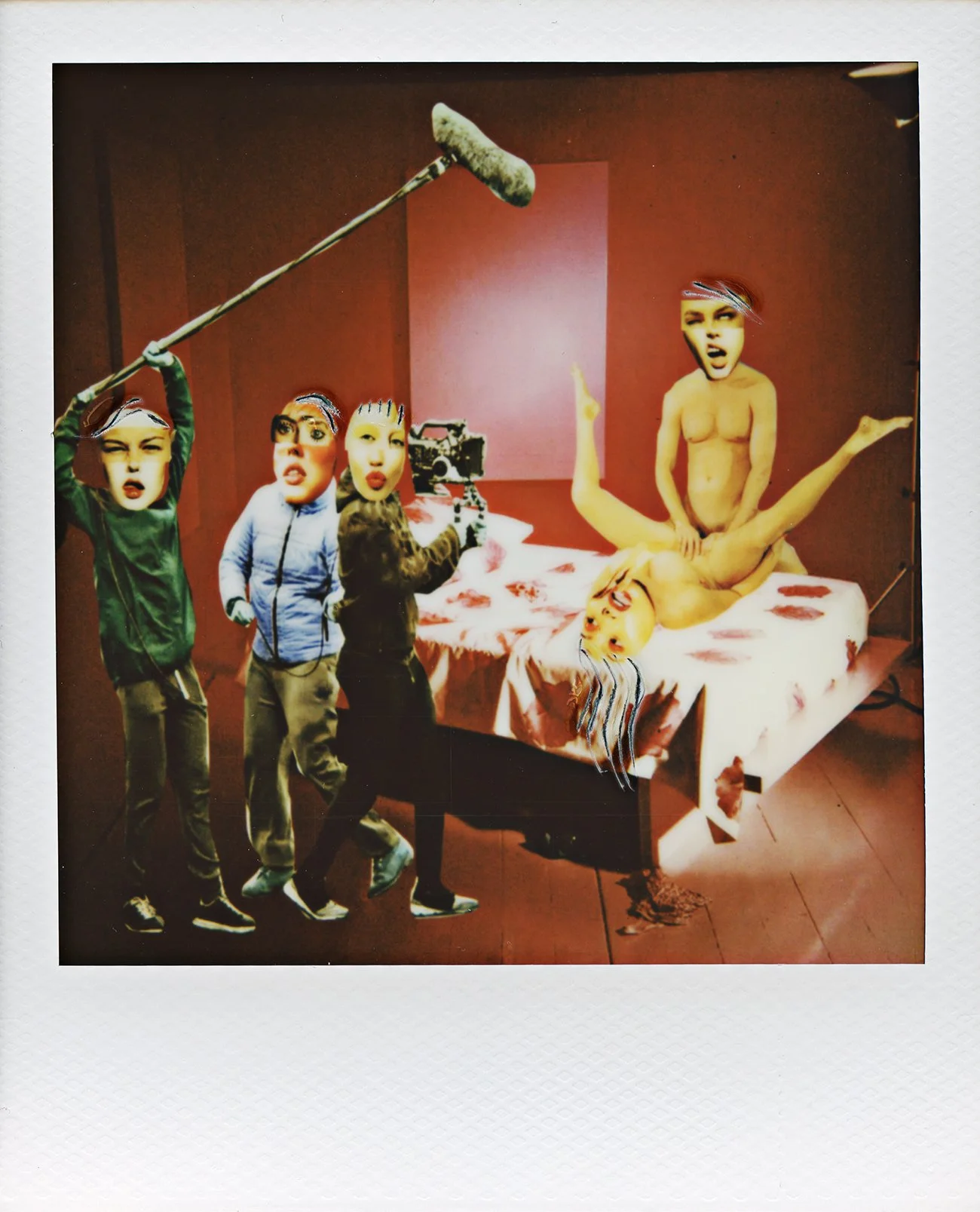
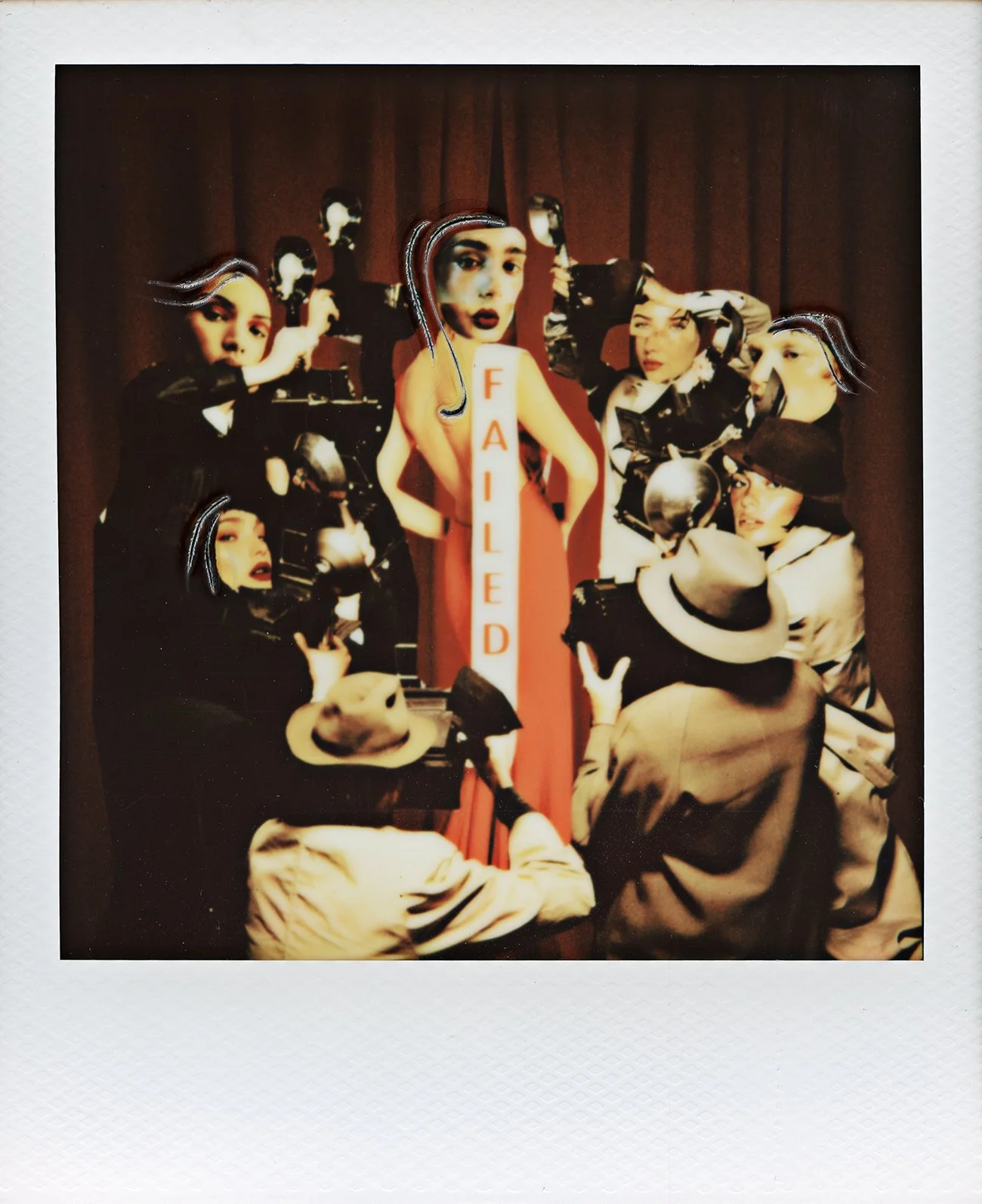
Entertainment examines the transformation of human life into spectacle. Increasingly, entertainment is no longer confined to stages or scripted performances, it emerges from the observation and consumption of everyday human experience. Screens, cameras, and audiences create a feedback loop in which individuals watch, record, and broadcast one another, turning moments of intimacy, tragedy, celebration, and humiliation into content.
These scenes explore voyeurism and the shifting boundary between participating and spectatorship. Events that were once private, meaningful, or even sacred are now frequently mediated through cameras and audiences, altering how they are experienced. Weddings become productions, grief becomes documentation, and suffering becomes news spectacle.
In this environment, the act of watching begins to eclipse the act of living. Human behavior itself becomes entertainment, revealing a culture increasingly defined by the consumption of other people’s lives.
Entertainment #1
Entertainment #2
Entertainment #3
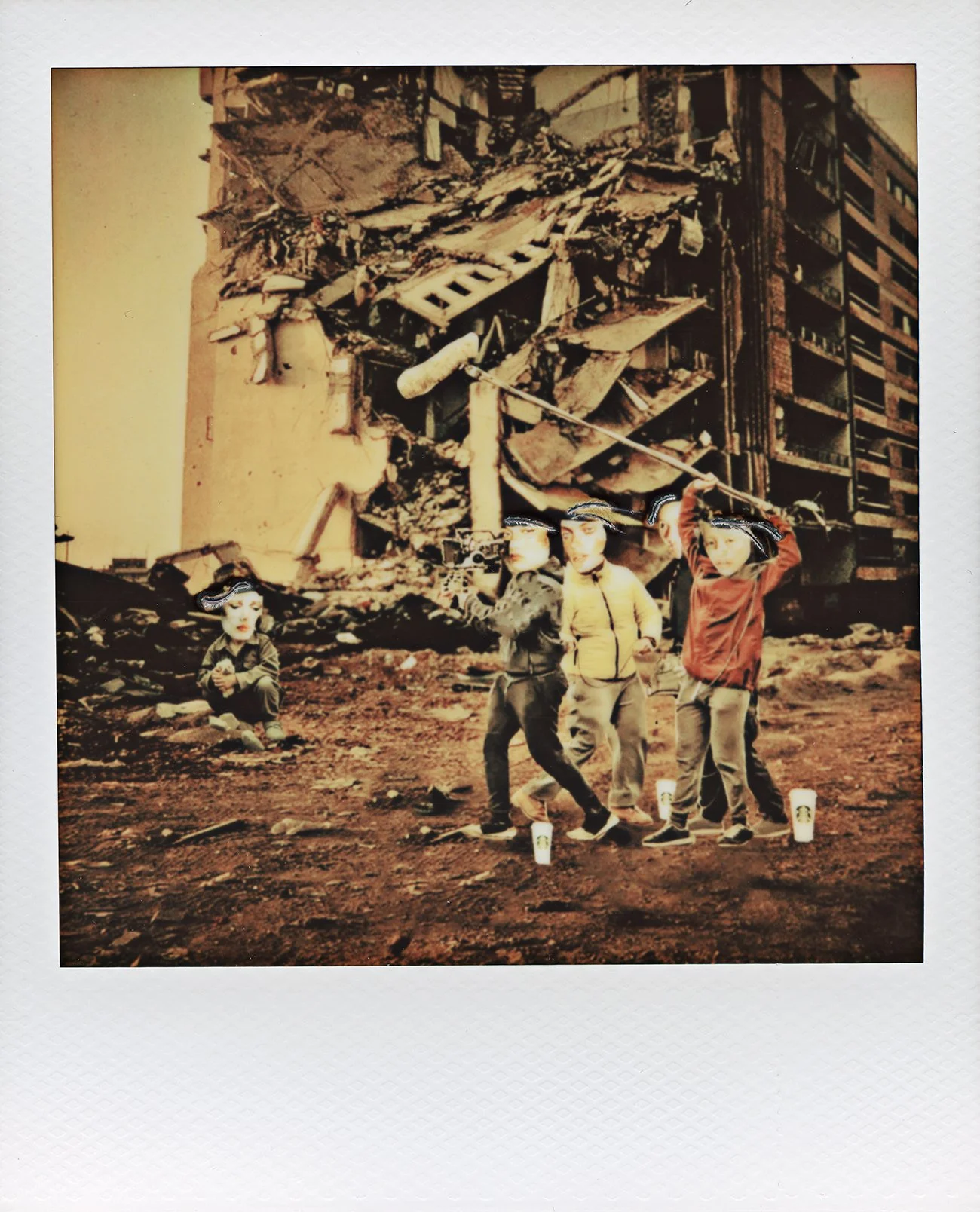
Entertainment #4
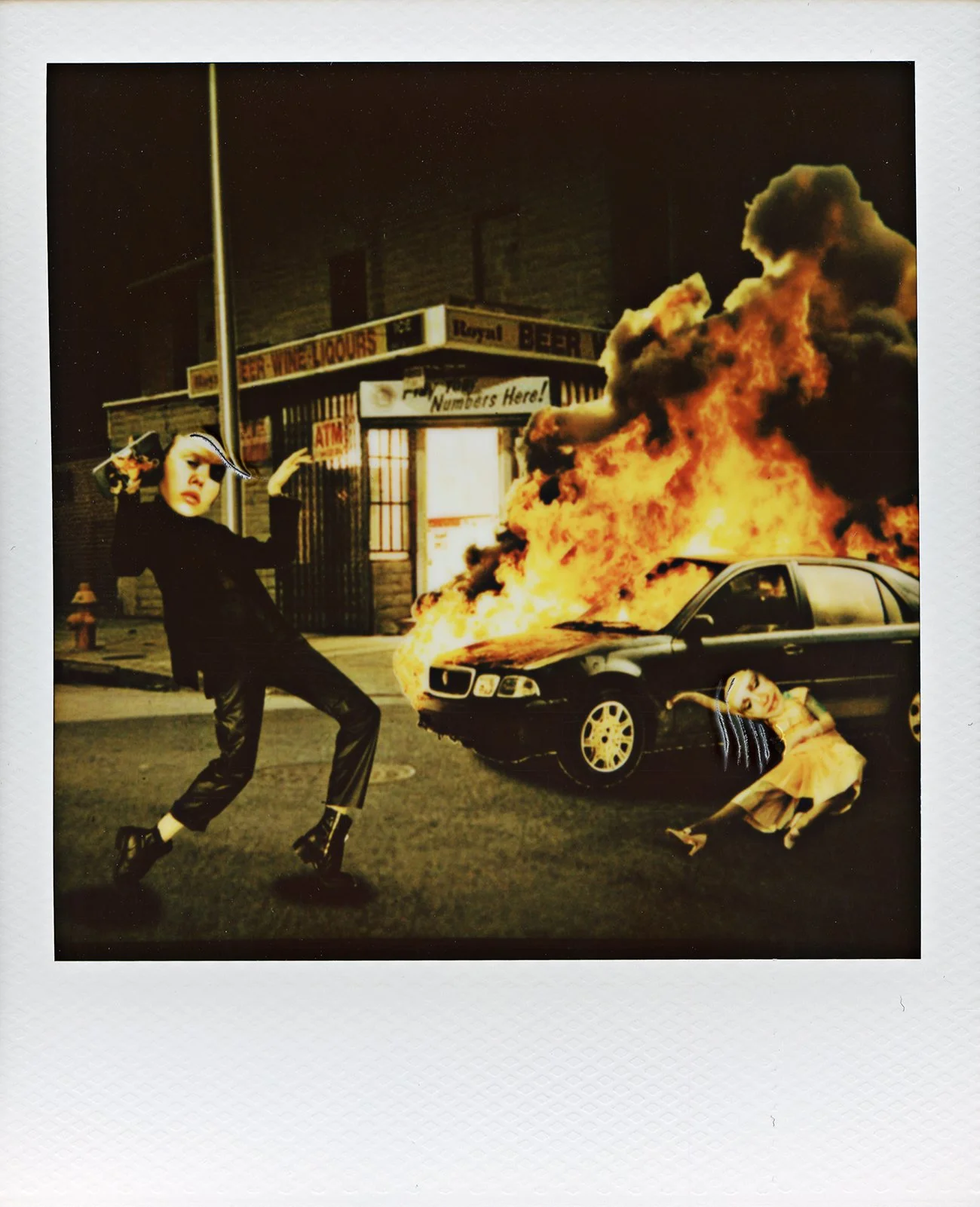
Entertainment #5
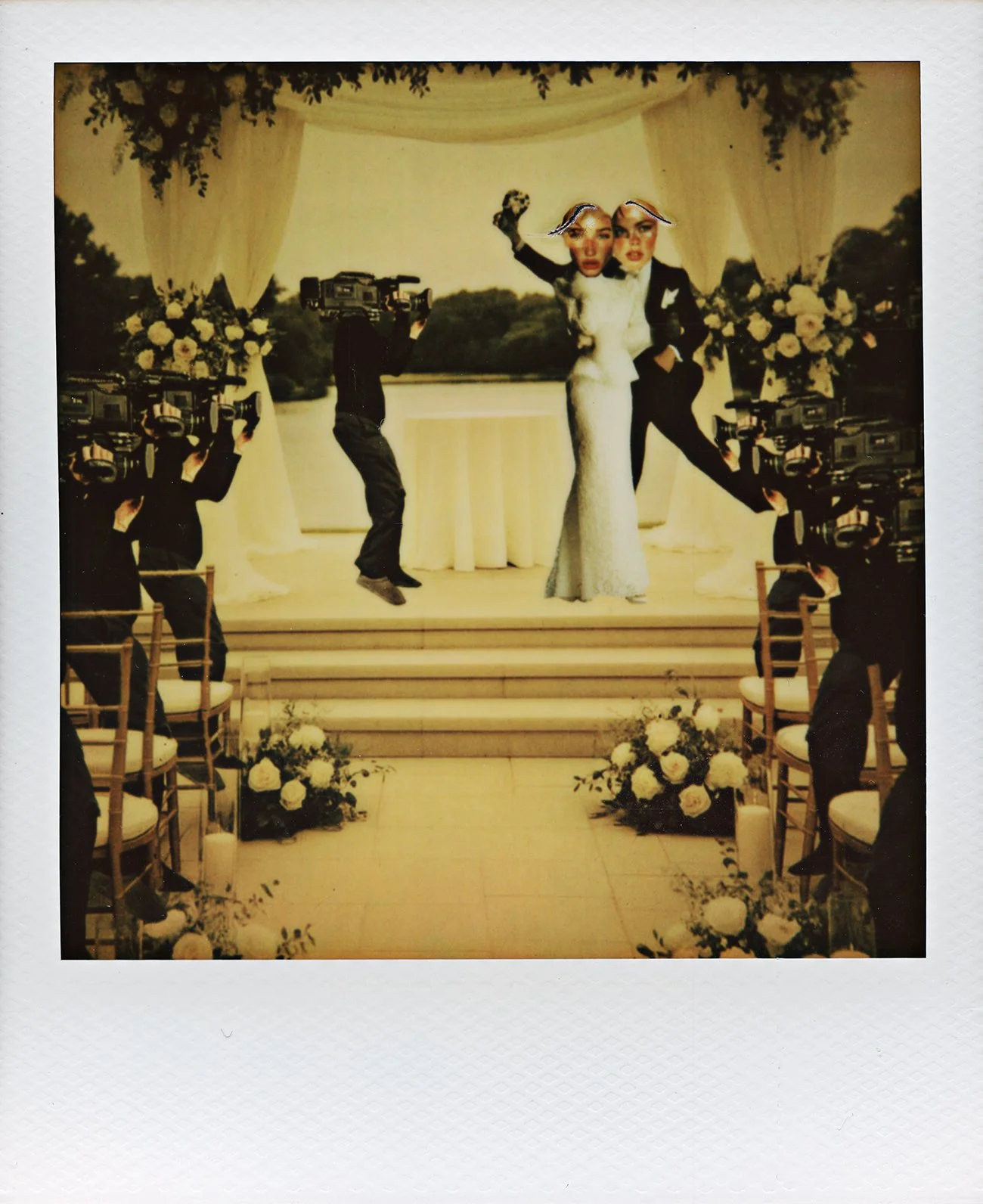
Entertainment #6
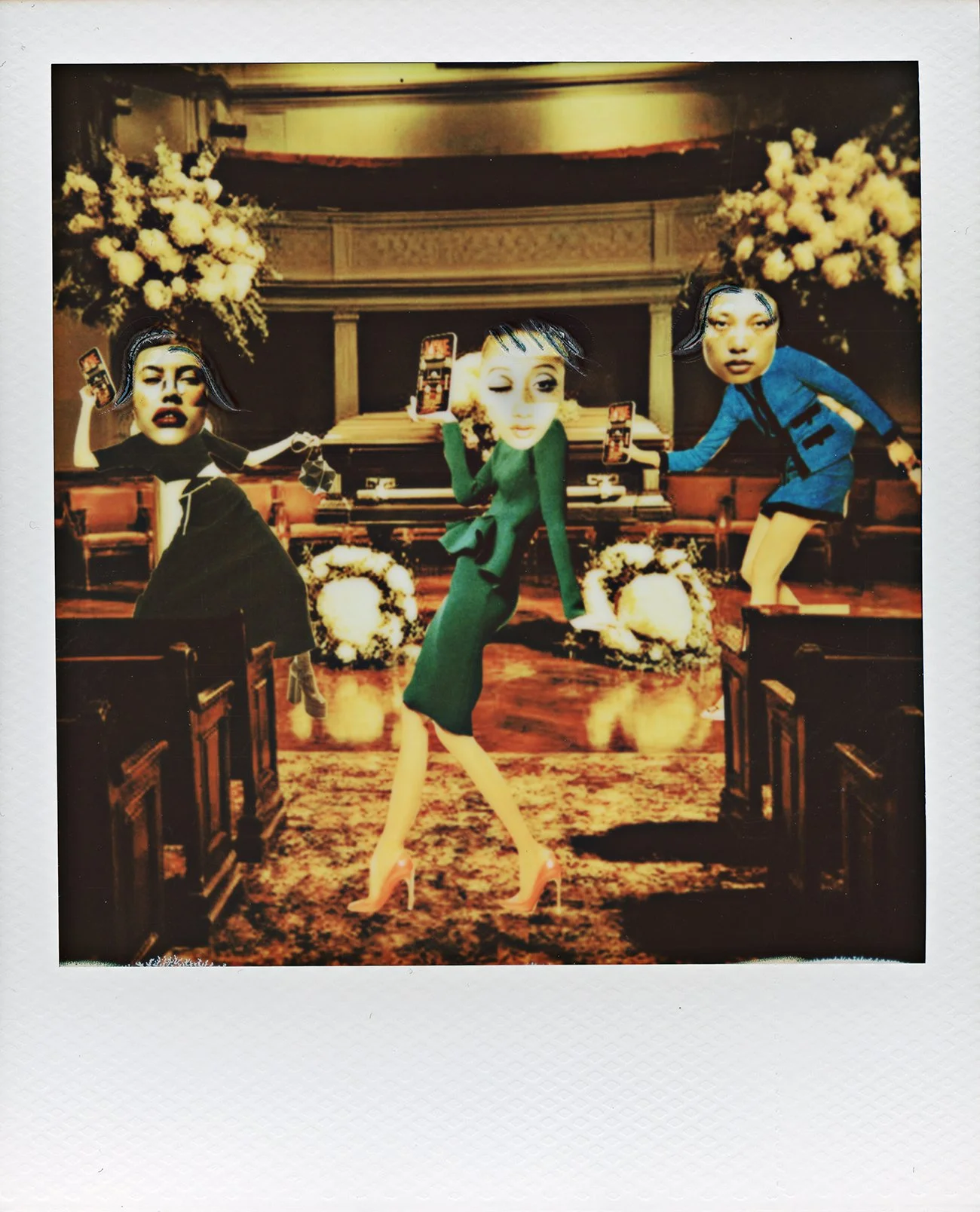
Entertainment #7
Entertainment #8
Entertainment #9
Entertainment #10
BELONGING
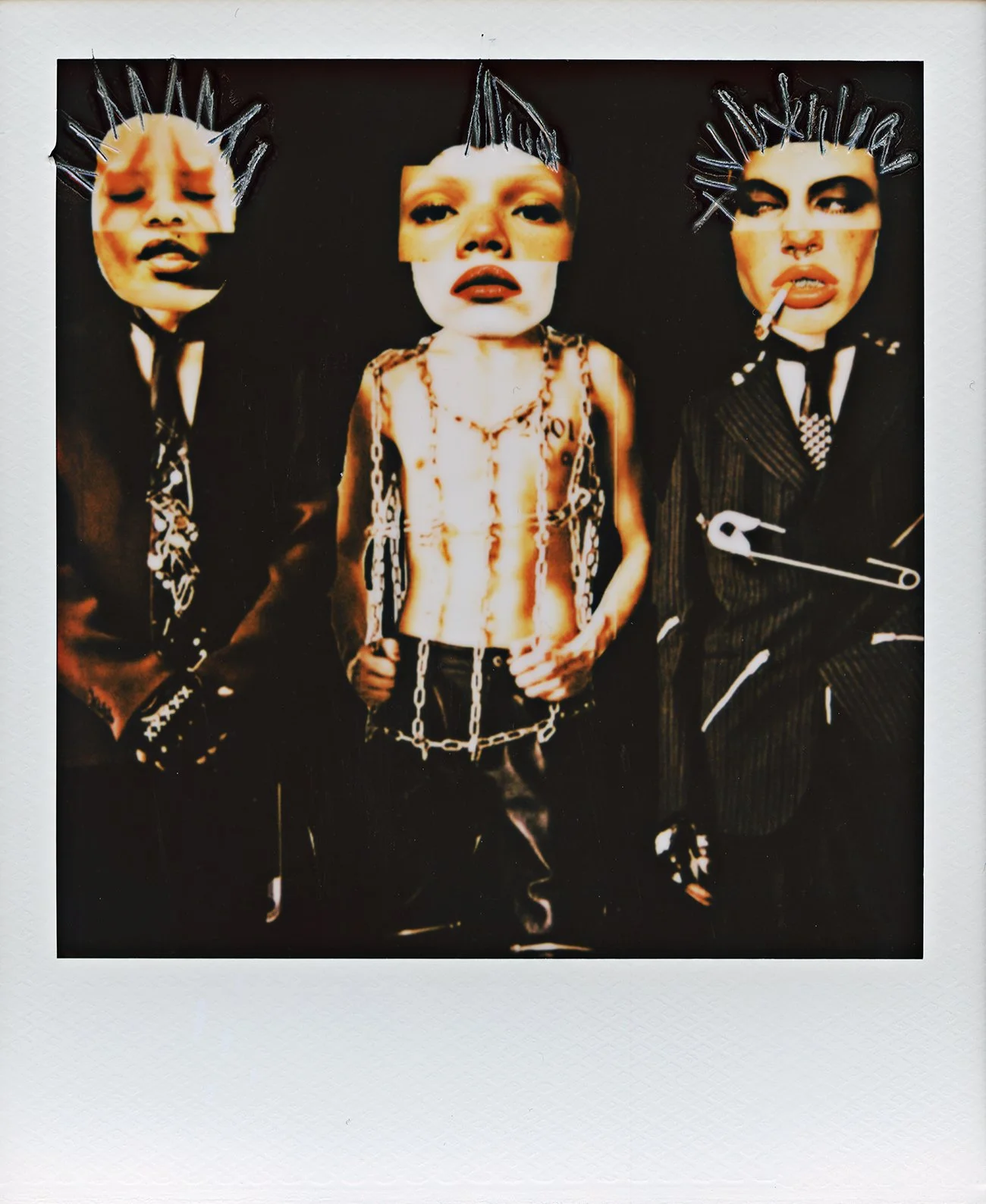
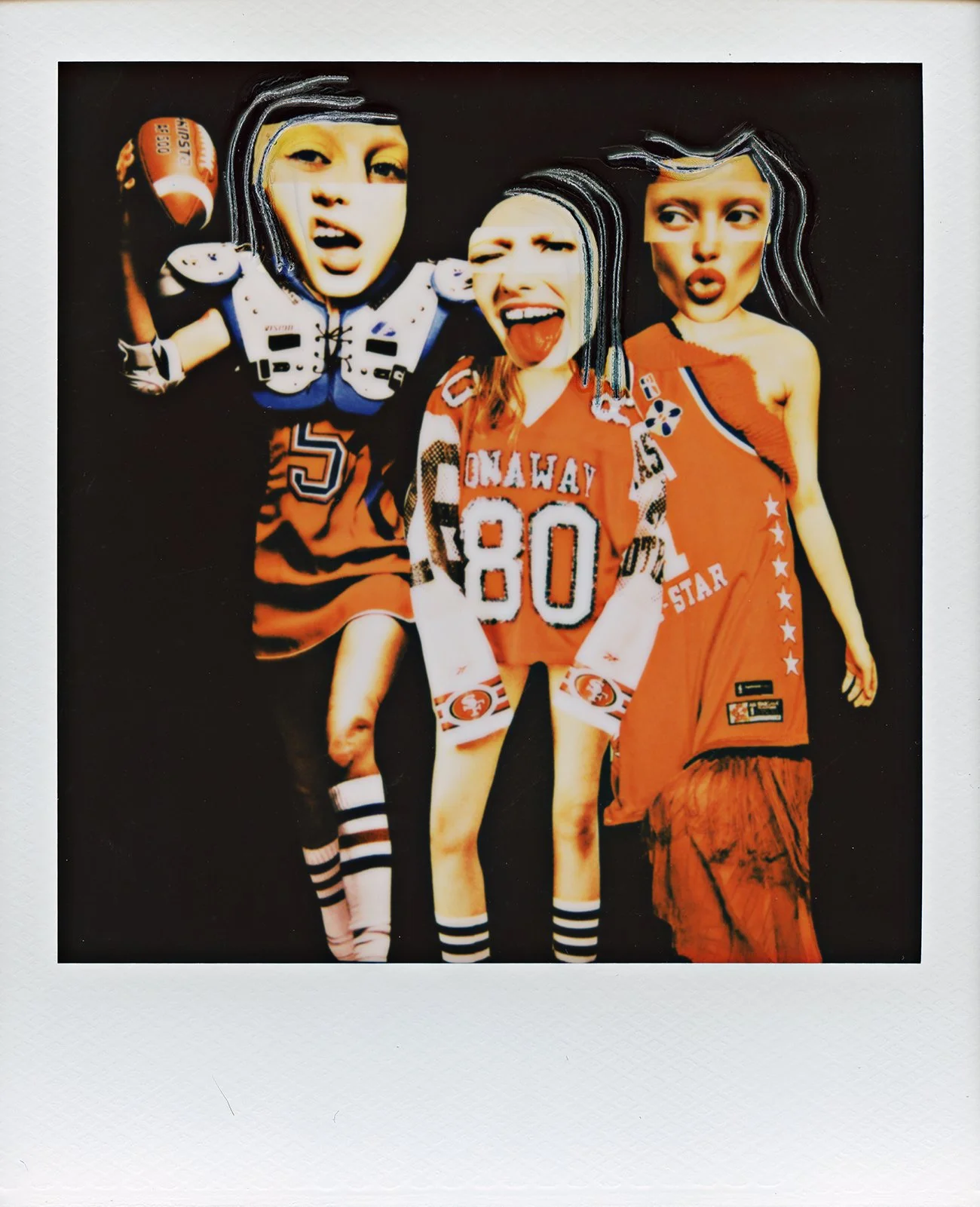
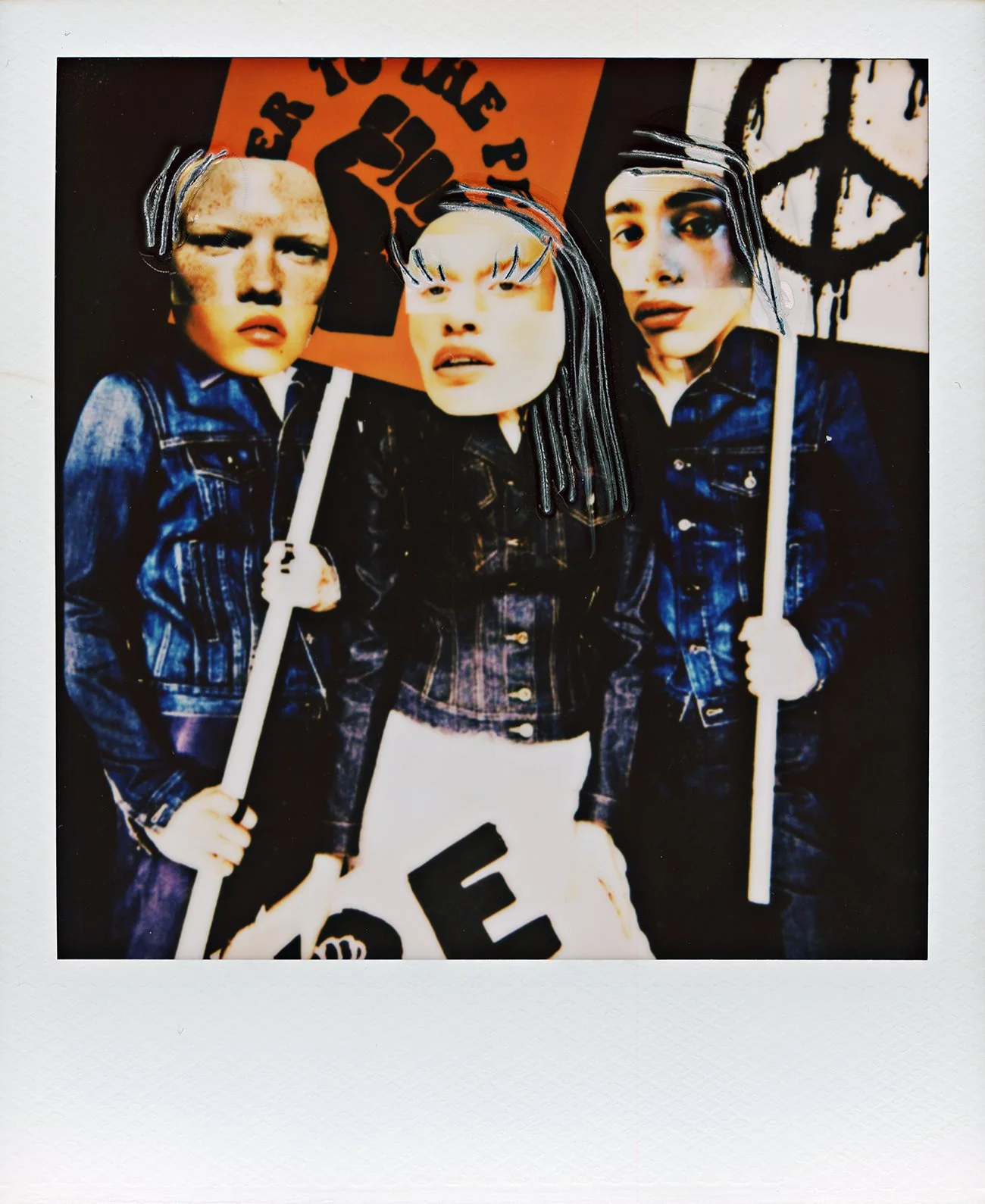
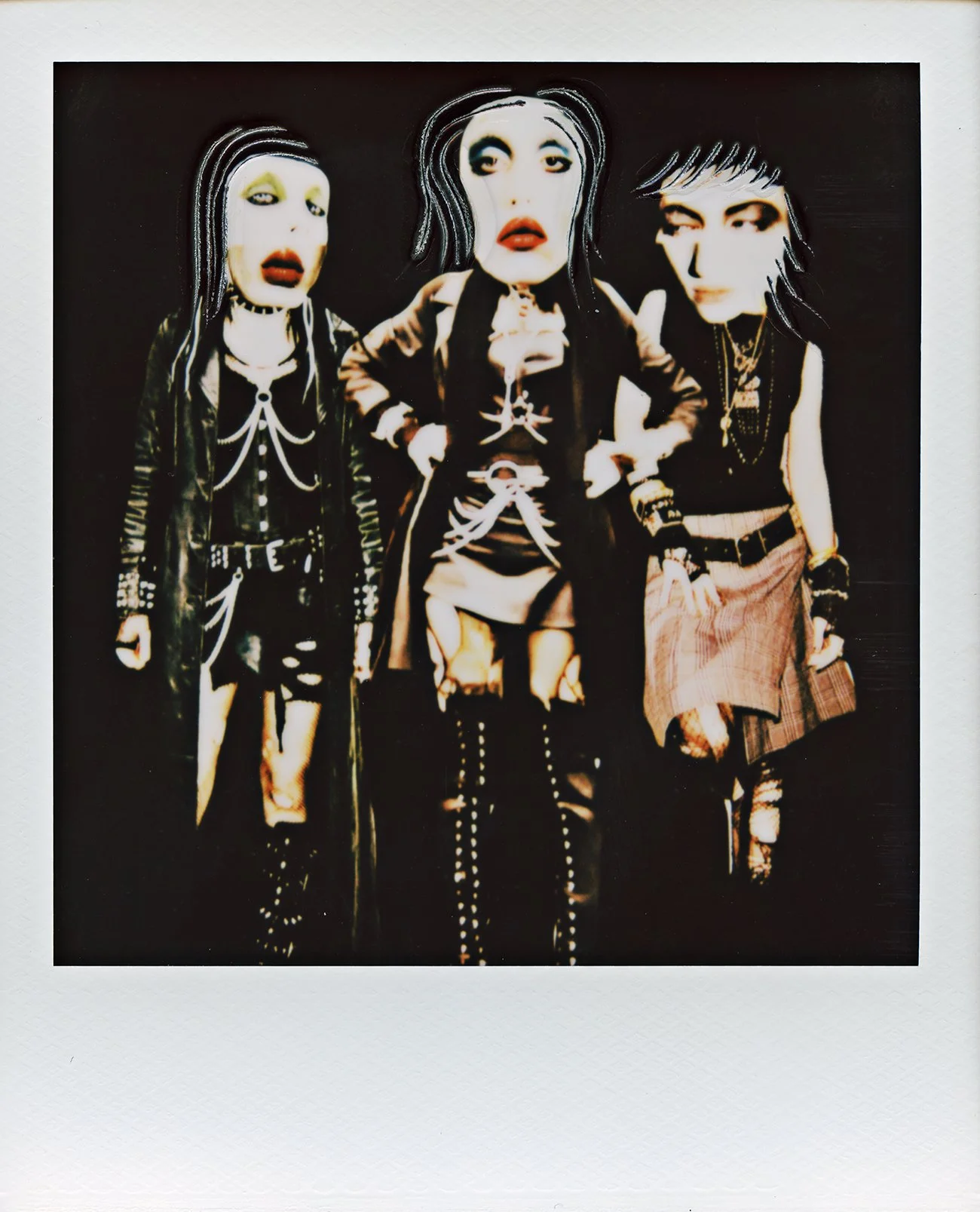
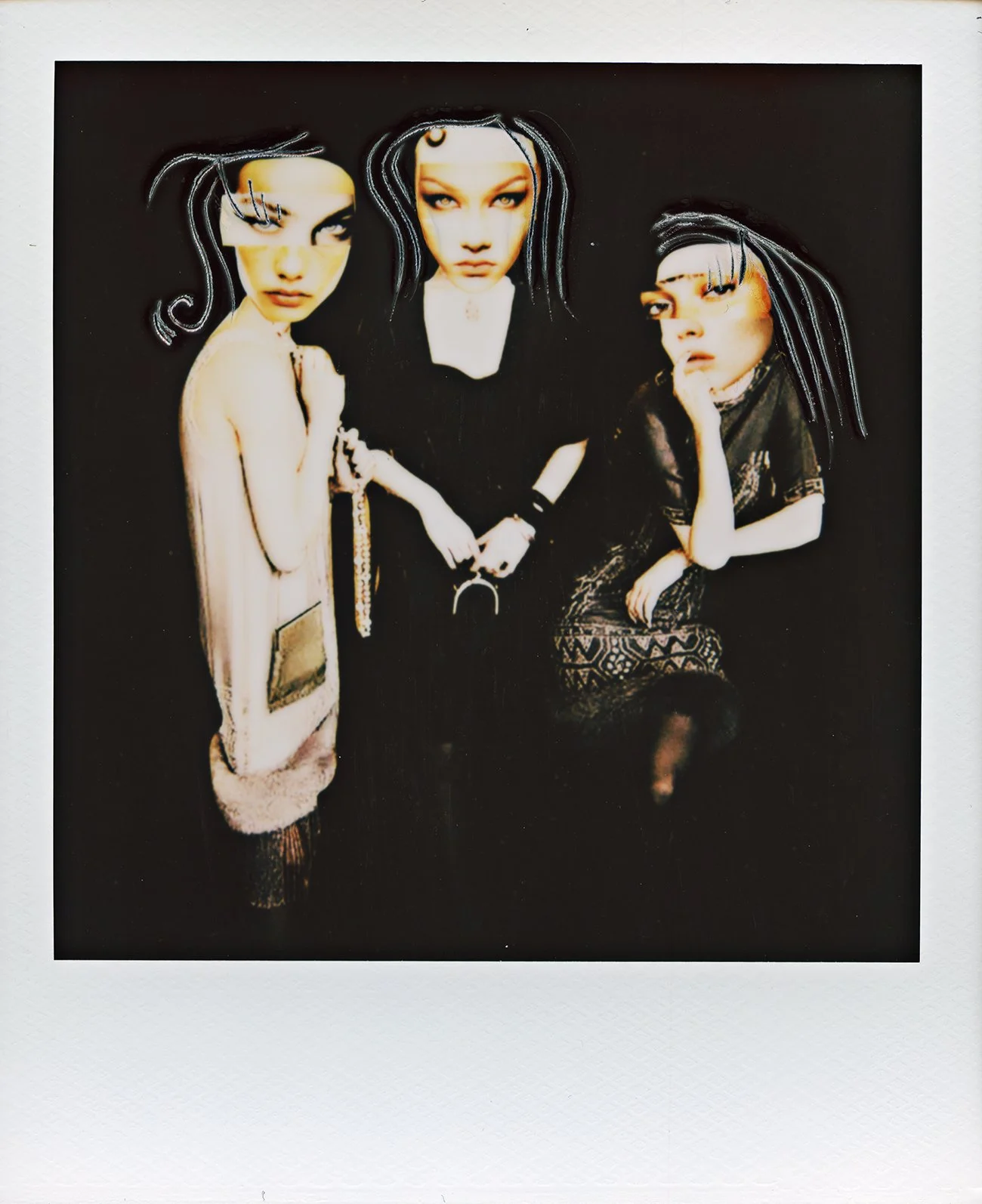
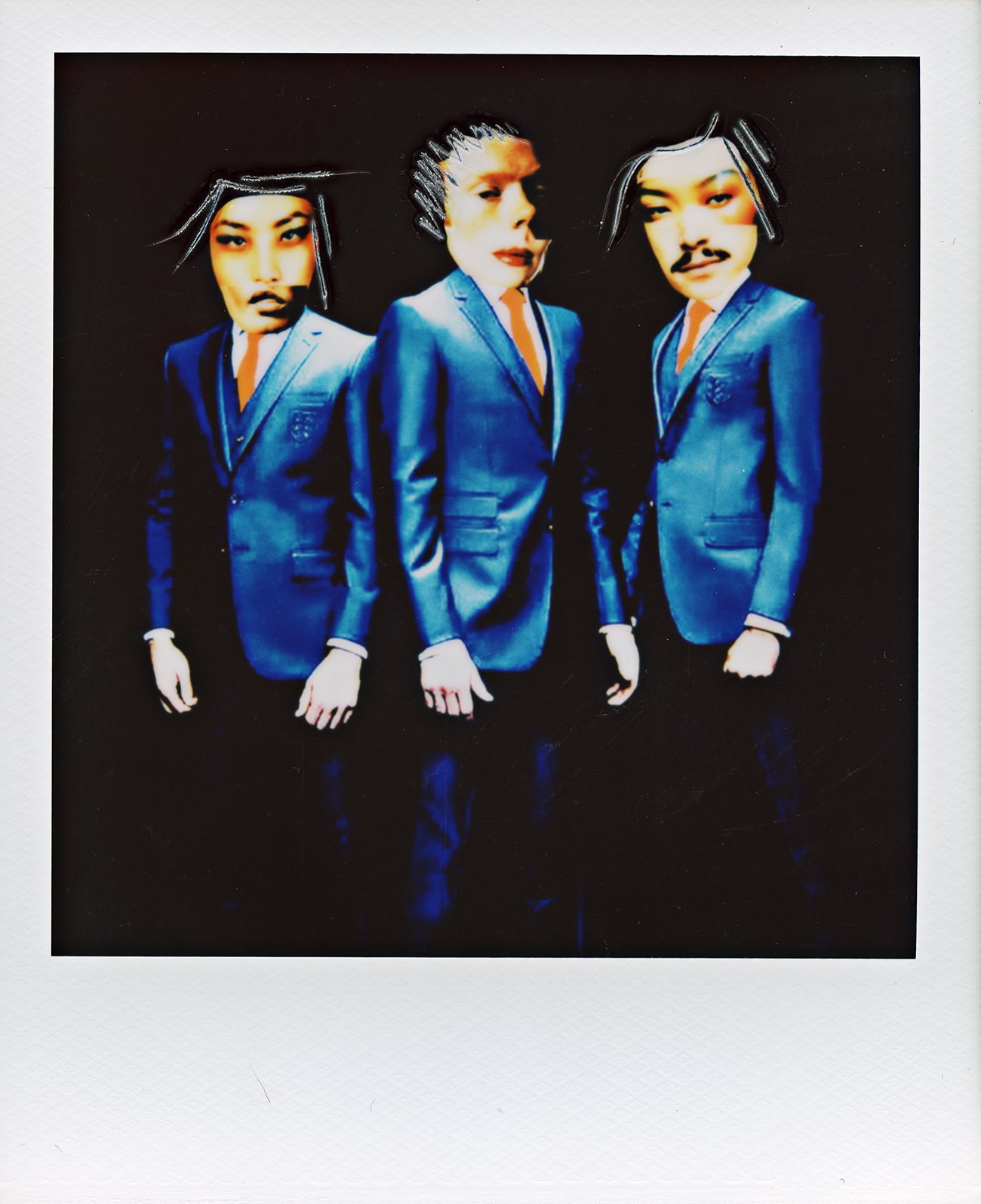
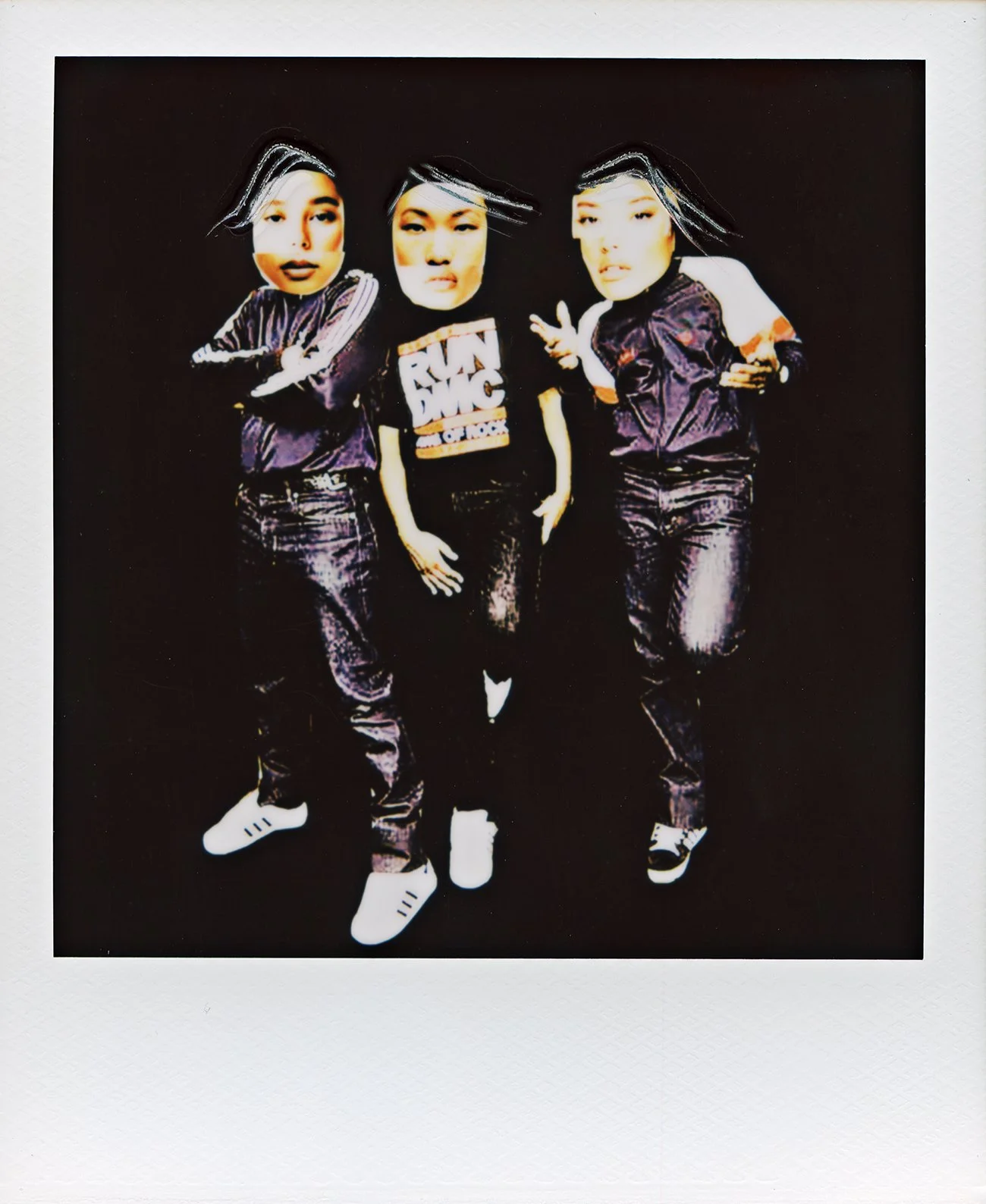
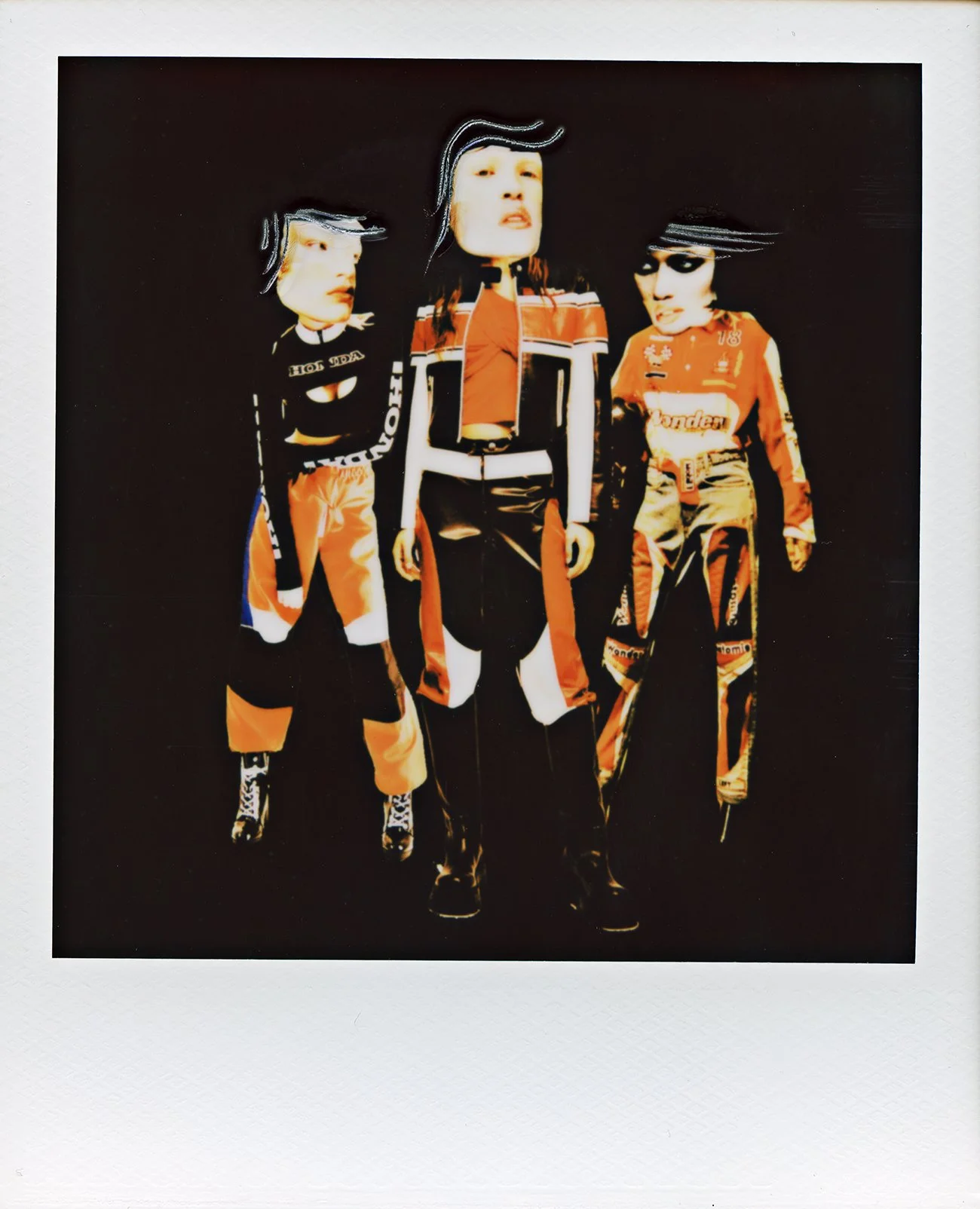
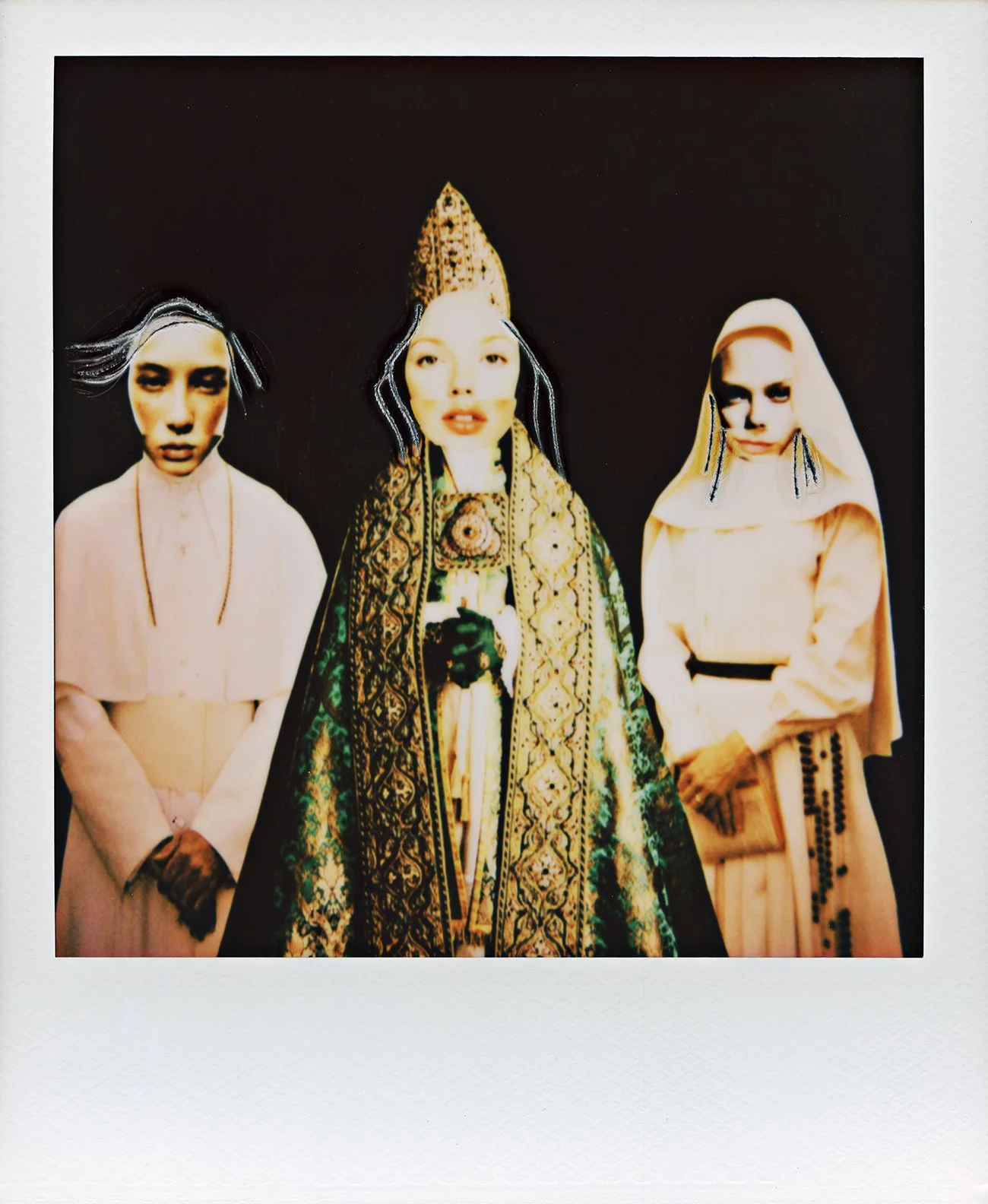
Belonging explores the human desire to exist within tribes, communities, and identity groups. Individuals often locate meaning, security, and identity through affiliation with others who share beliefs, aesthetics, or ideologies. These collective identities provide structure and solidarity, but they can also blur the boundaries between the individual and the group.
Each portrait presents a trio whose visual cues suggest membership without relying on explicit symbols or logos. Posture, clothing, and collective presence become the signals through which the tribe is recognized. By removing obvious identifiers, the images ask the viewer to interpret belonging through subtle visual language.
Across subcultures, political movements, religious communities, and social groups, the portraits reveal how individuals often adopt shared aesthetics and behaviors that signal membership. In doing so, personal identity begins to merge with collective identity, illustrating the powerful role that belonging plays in shaping who we become.
Belonging #1
Belonging #2
Belonging #3
Belonging #4
Belonging #5
Belonging #6
Belonging #7
Belonging #8
Belonging #9
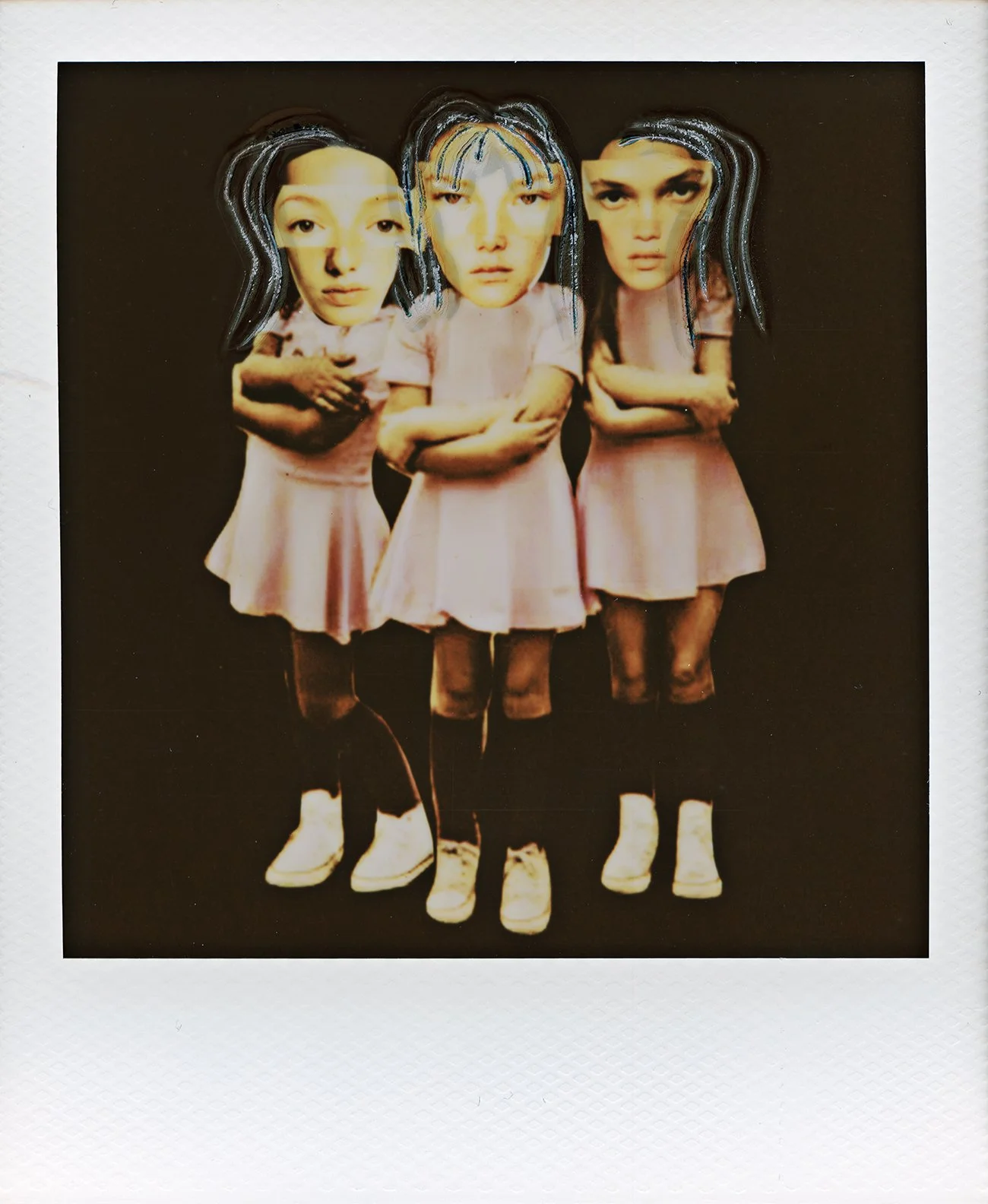
Belonging #10
POWER
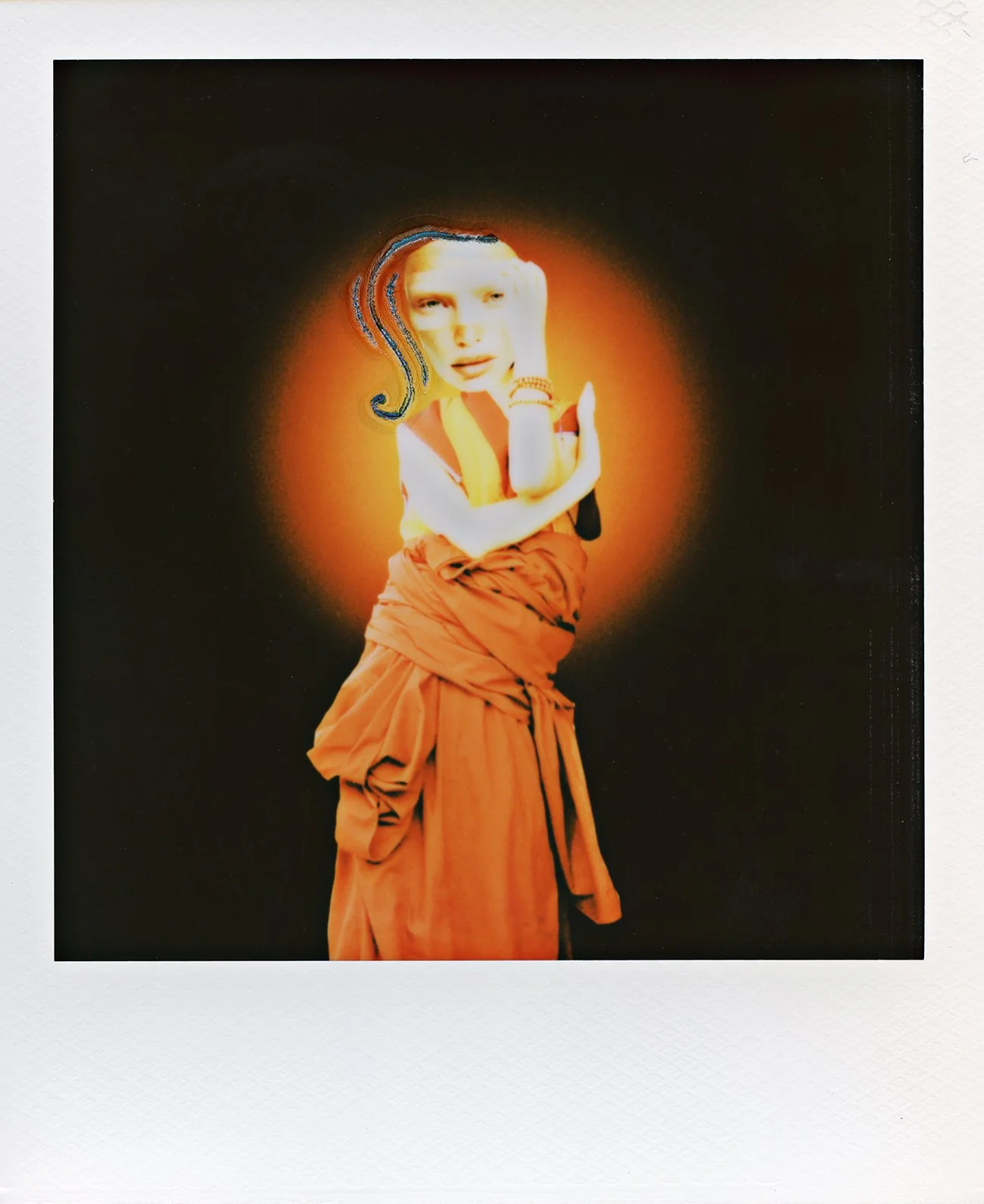
Power reconsiders the idea of authority. Rather than depicting figures who control institutions or dominate hierarchies, this section explores a different form of power, the ability to exist beyond dependence of social systems.
Throughout the series, individuals are shown shaped by external structures, status, consumption, labor, entertainment, and belonging. These systems organize modern identity and quietly influence how people live and present themselves. Power emerges only when those structures are no longer required.
Instead of presenting multiple examples, this section is represented by a single portrait. The image depicts a monk whose life rejects material accumulation, social hierarchy, and institutional authority. In this context, power is not defined as control over others but as autonomy, the capacity to exist outside the systems that organize and govern most people’s lives.
After a sequence of images showing individuals embedded within social structures, the solitary figure serves as a quiet counterpoint. The monk represents the possibility of stepping beyond those systems altogether.