OPEN CONDITIONS
These works examine landscape not as settings, but as psychological conditions.
Across both prairie and mountain environments, the images focus on spaces where imposed structures begin to loosen, places where function, identity, certainty, and narrative no longer fully organize how the landscape is encountered. In some instances, traces of human intention remain after their purpose has dissolved. In others, the land resists stabilization entirely, existing beyond clear interpretation or fixed meaning.
Rather than describing or defining these environments, the work approaches them relationally. The landscapes are photographed less as scenery than as presences: spaces capable of holding tension, recognition, projection, and emotional residue without resolving into singular narratives.
Across these differing terrains, a shared condition emerges. Systems that typically structure experience, purpose, utility, expectation, and social meaning, begin to weaken, allowing other forms of attention to surface. What remains is not emptiness, but psychological openness, environments where interpretation becomes less fixed, and where the viewer is invited to encounter the landscape rather than simply understand it.
These images hold landscape as sites of recognition, where meaning is no longer imposed, but discovered through presence, tension, and relation.
Limited edition prints available upon request.
PRAIRIES
Unresolved Ground
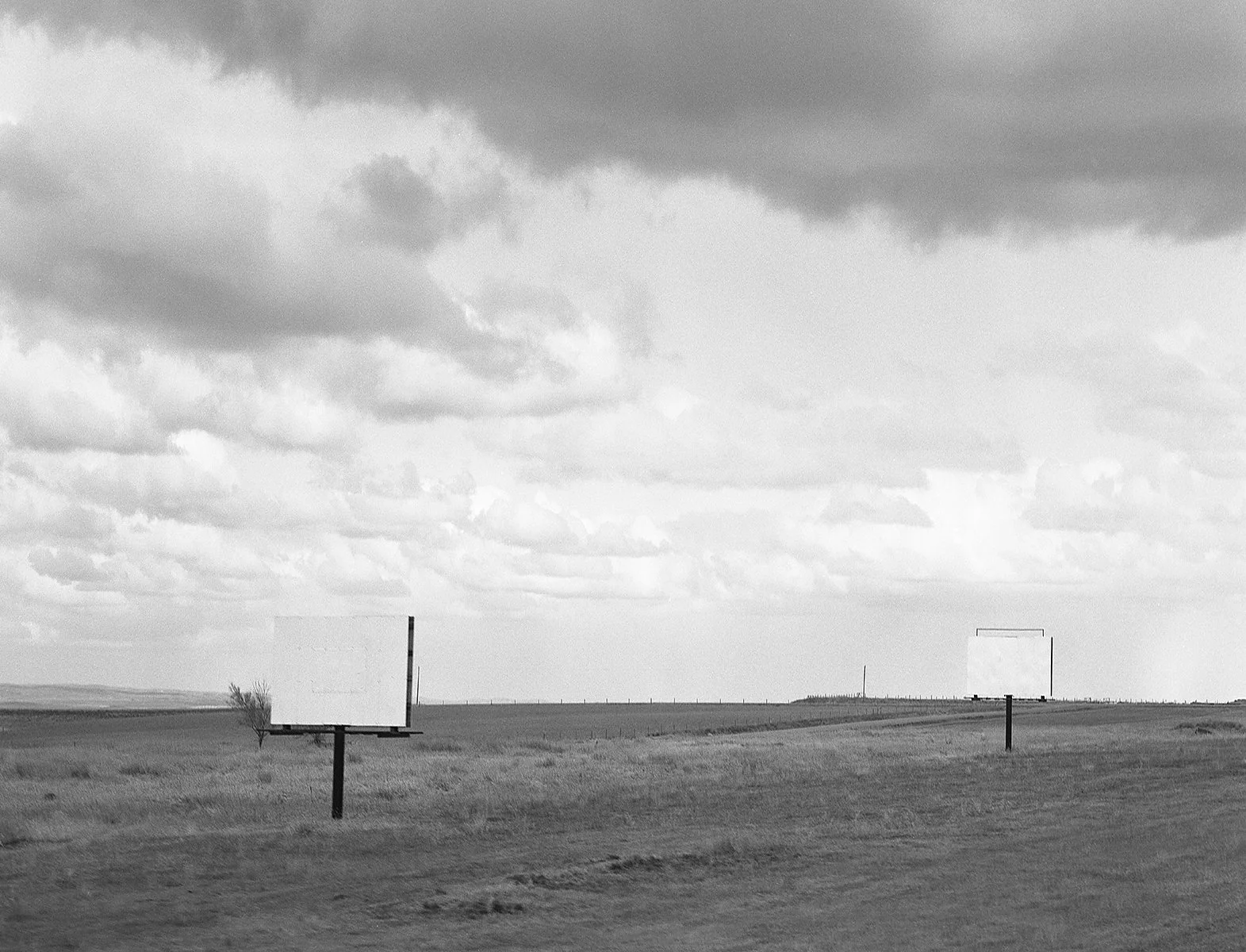
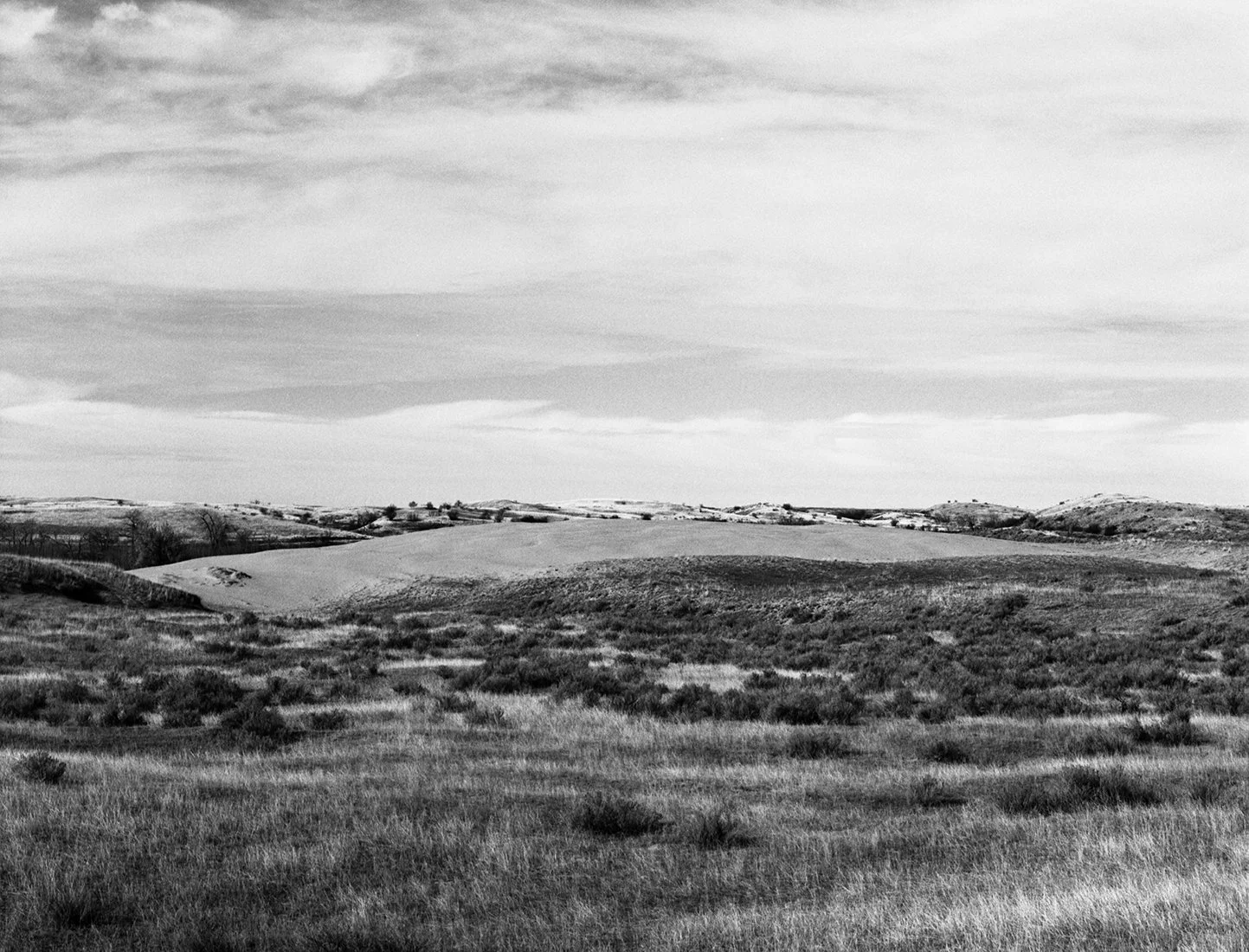
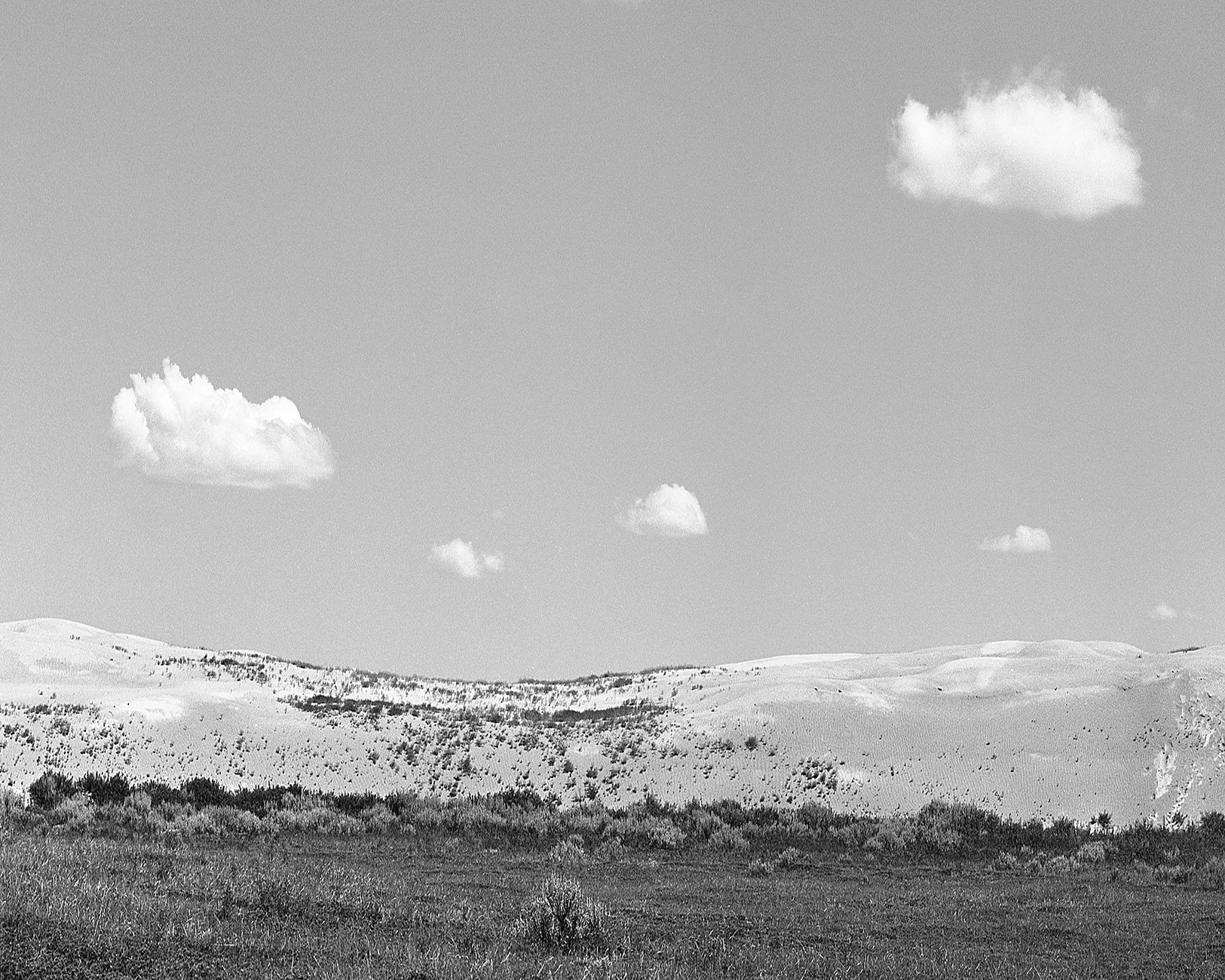
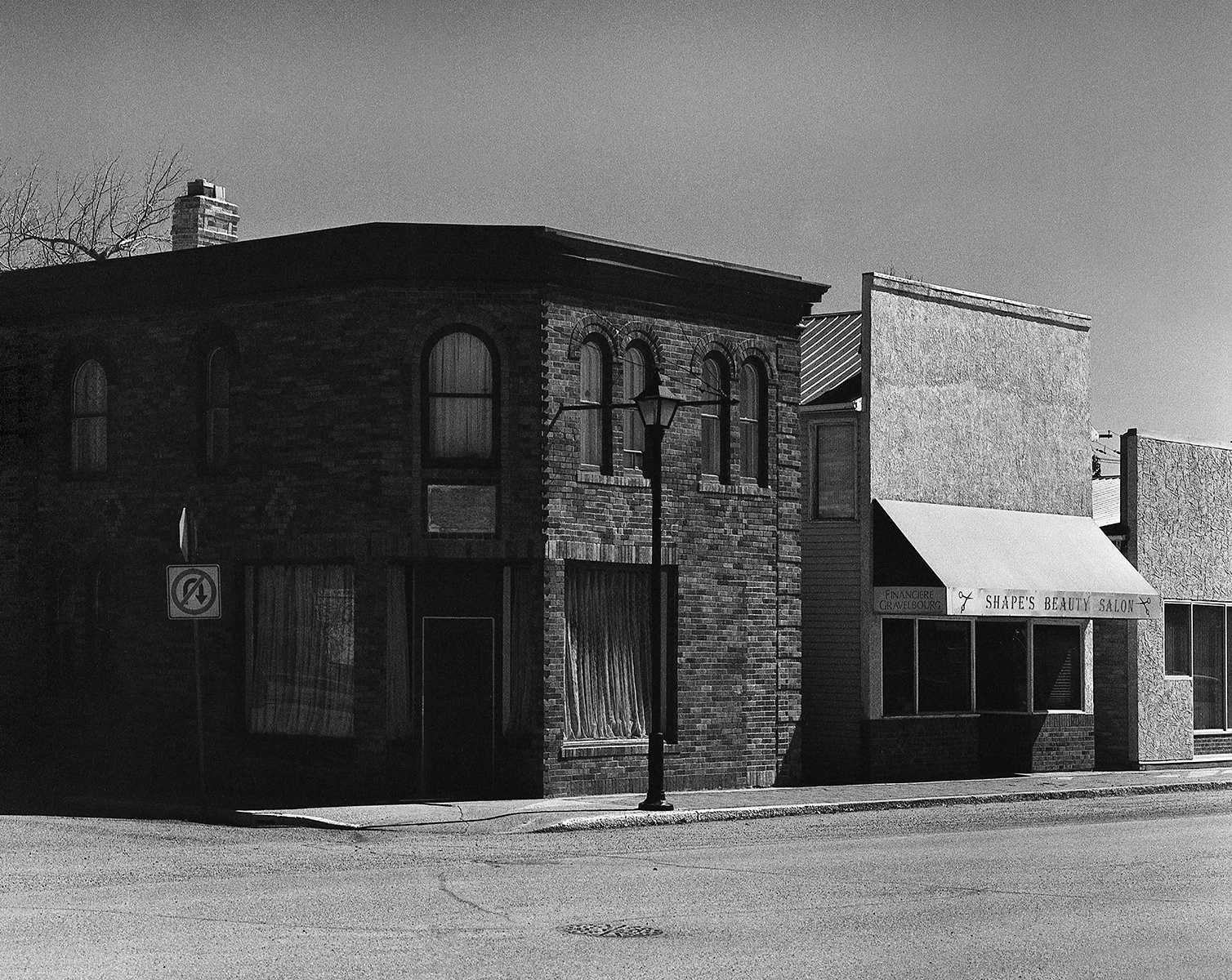
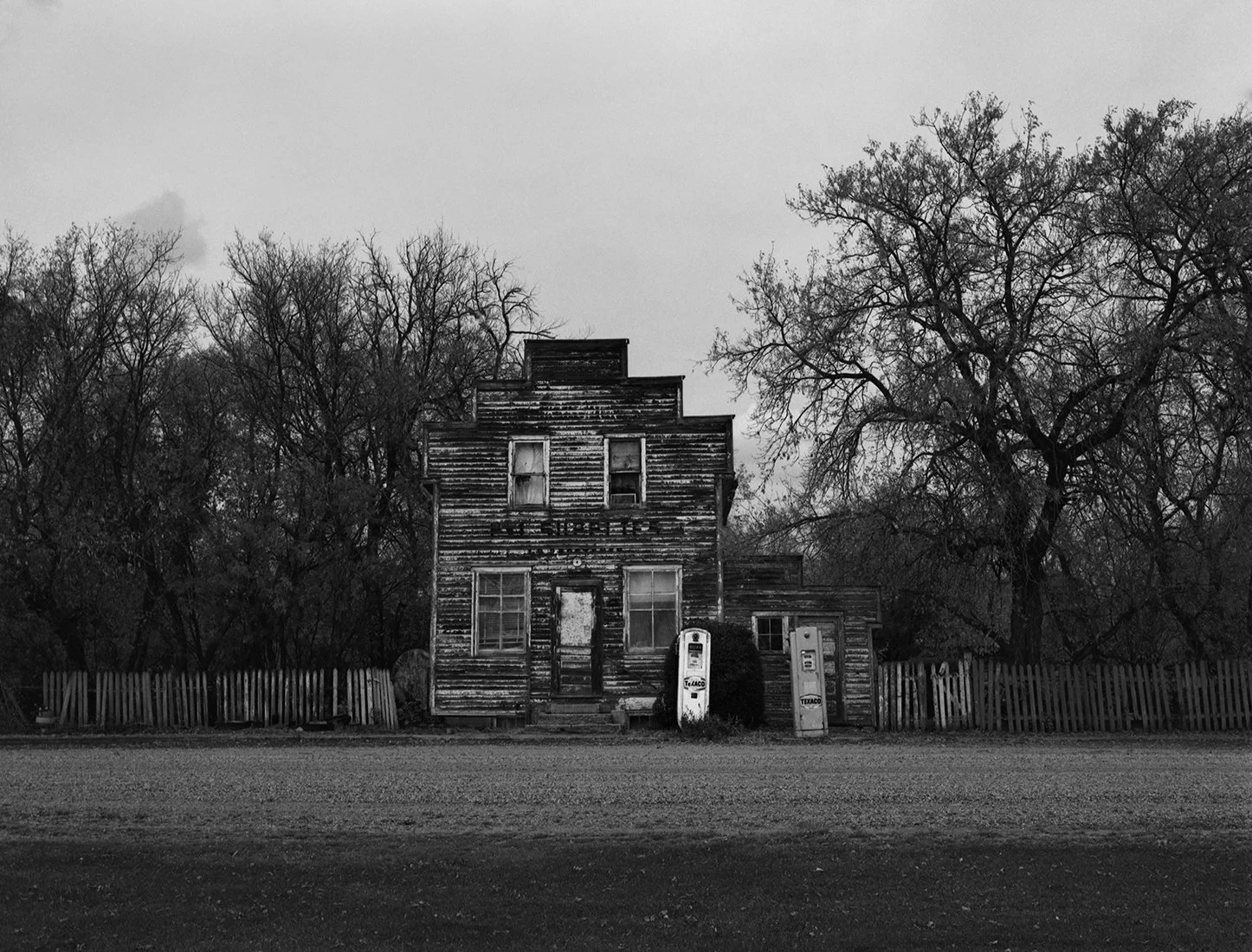
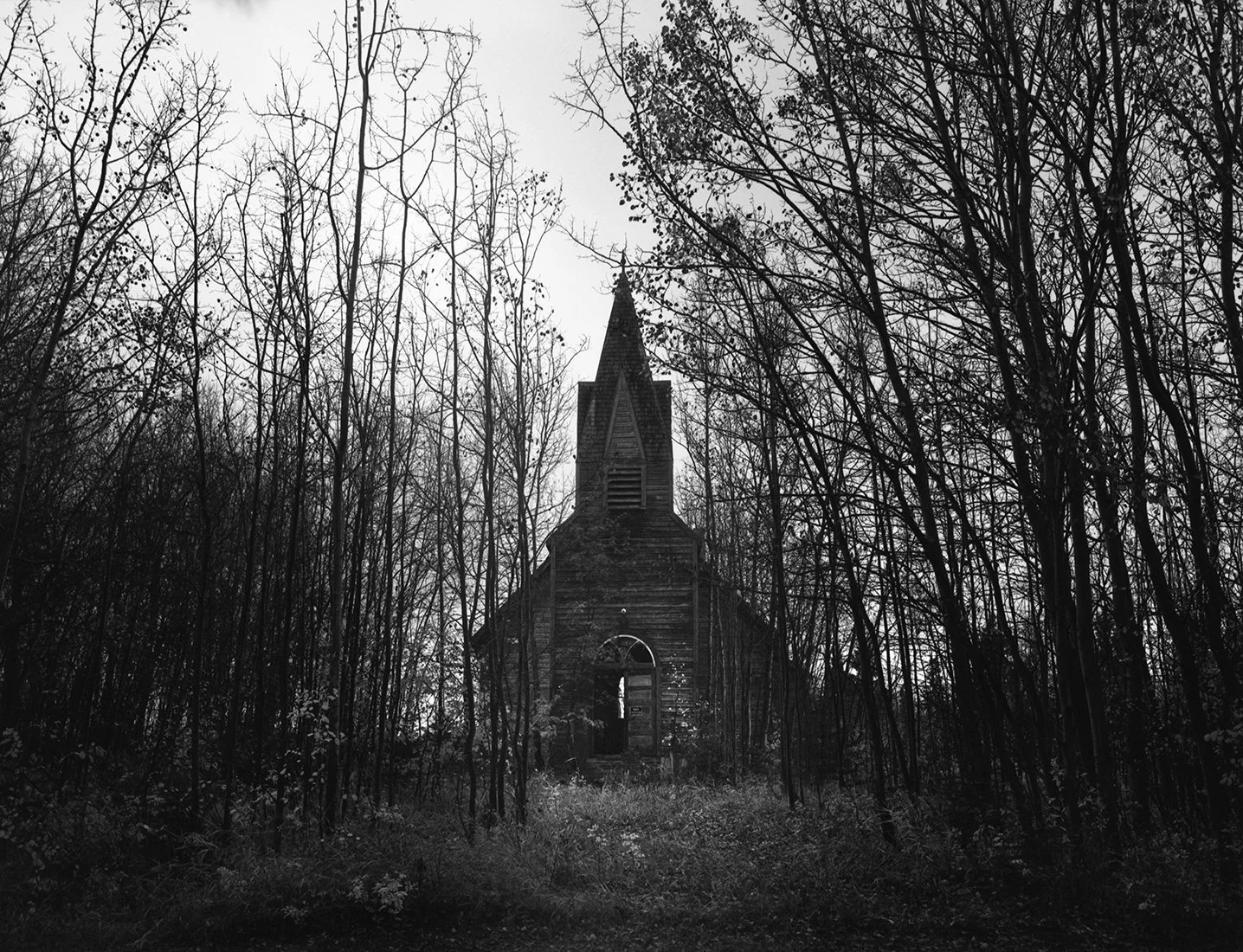
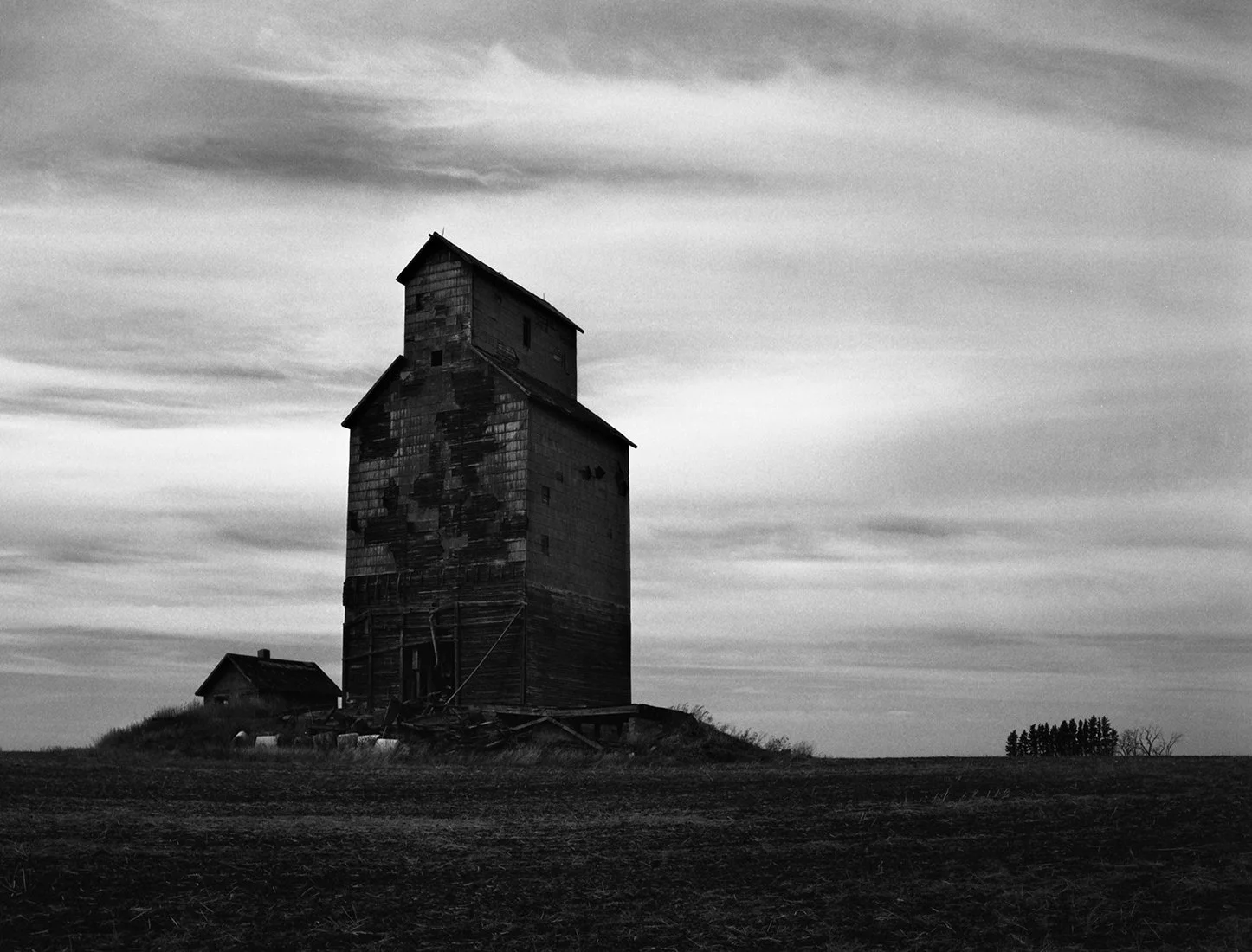
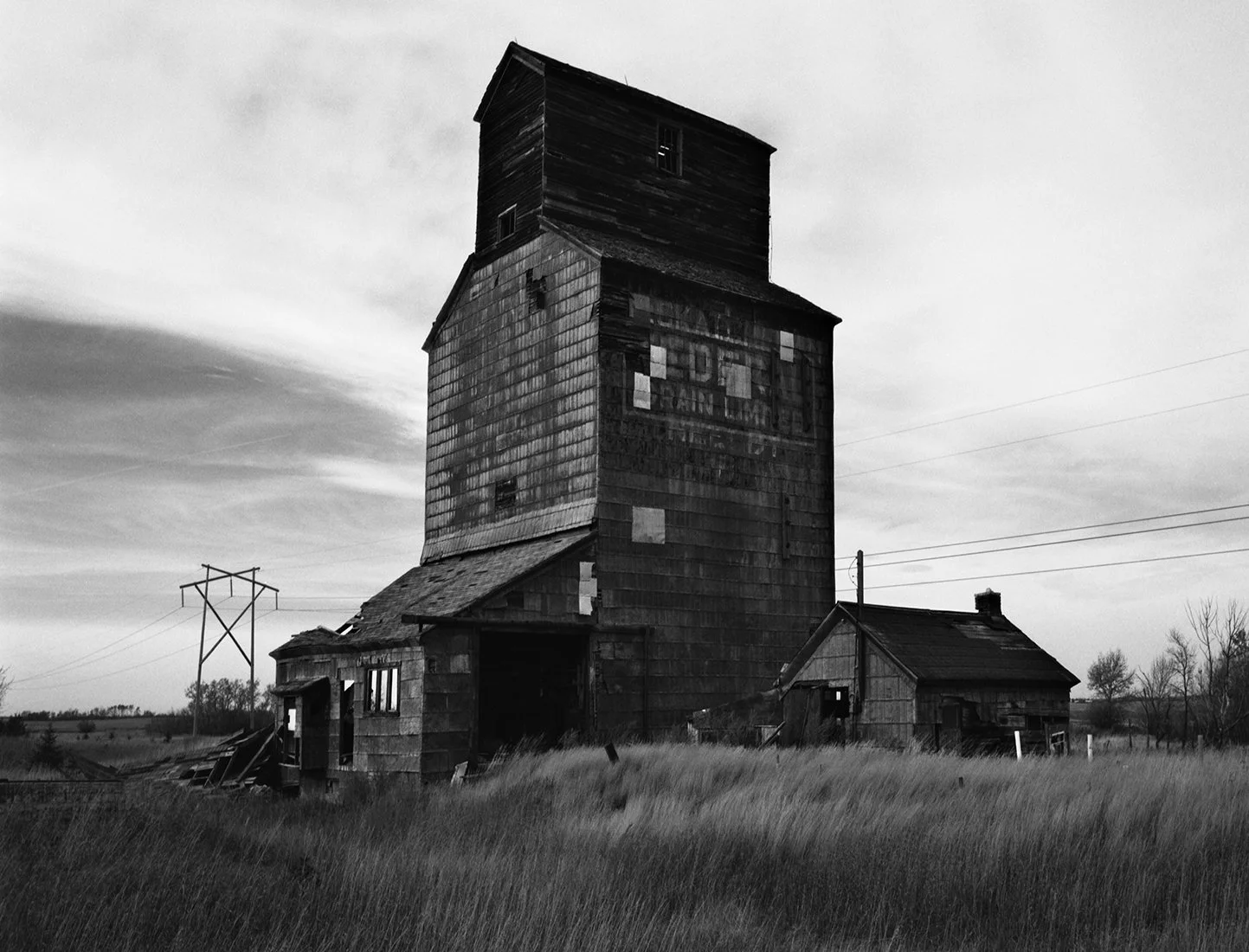
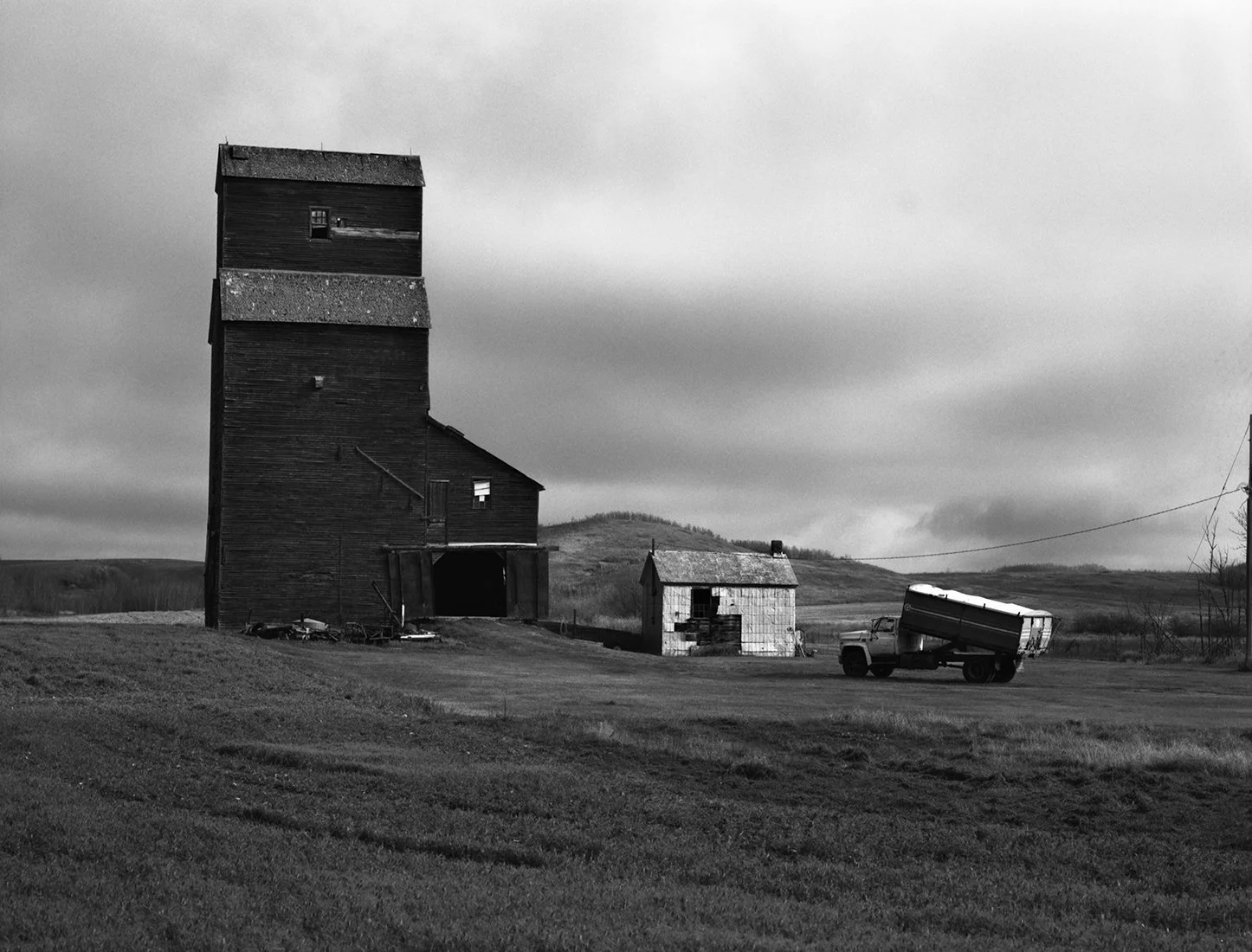
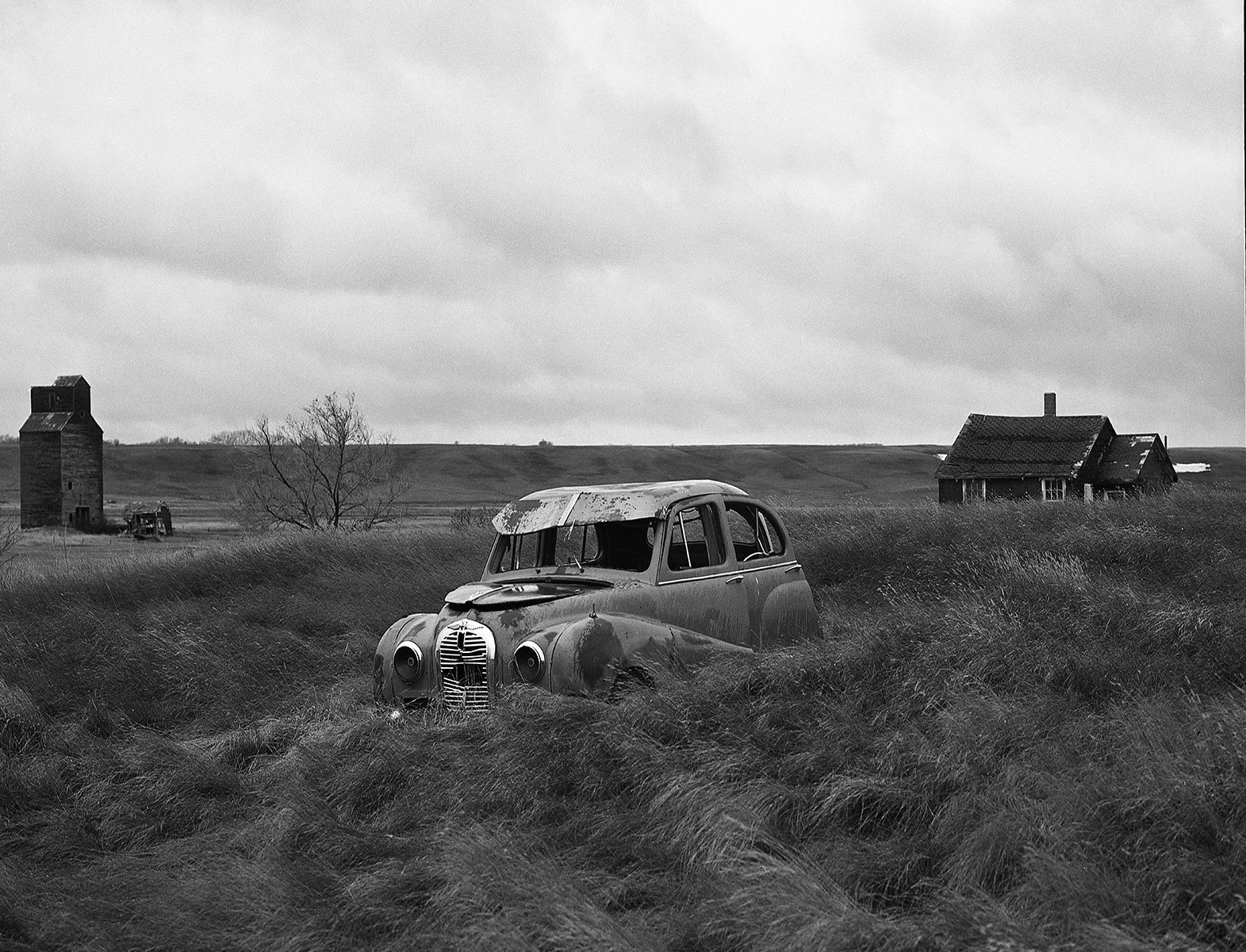
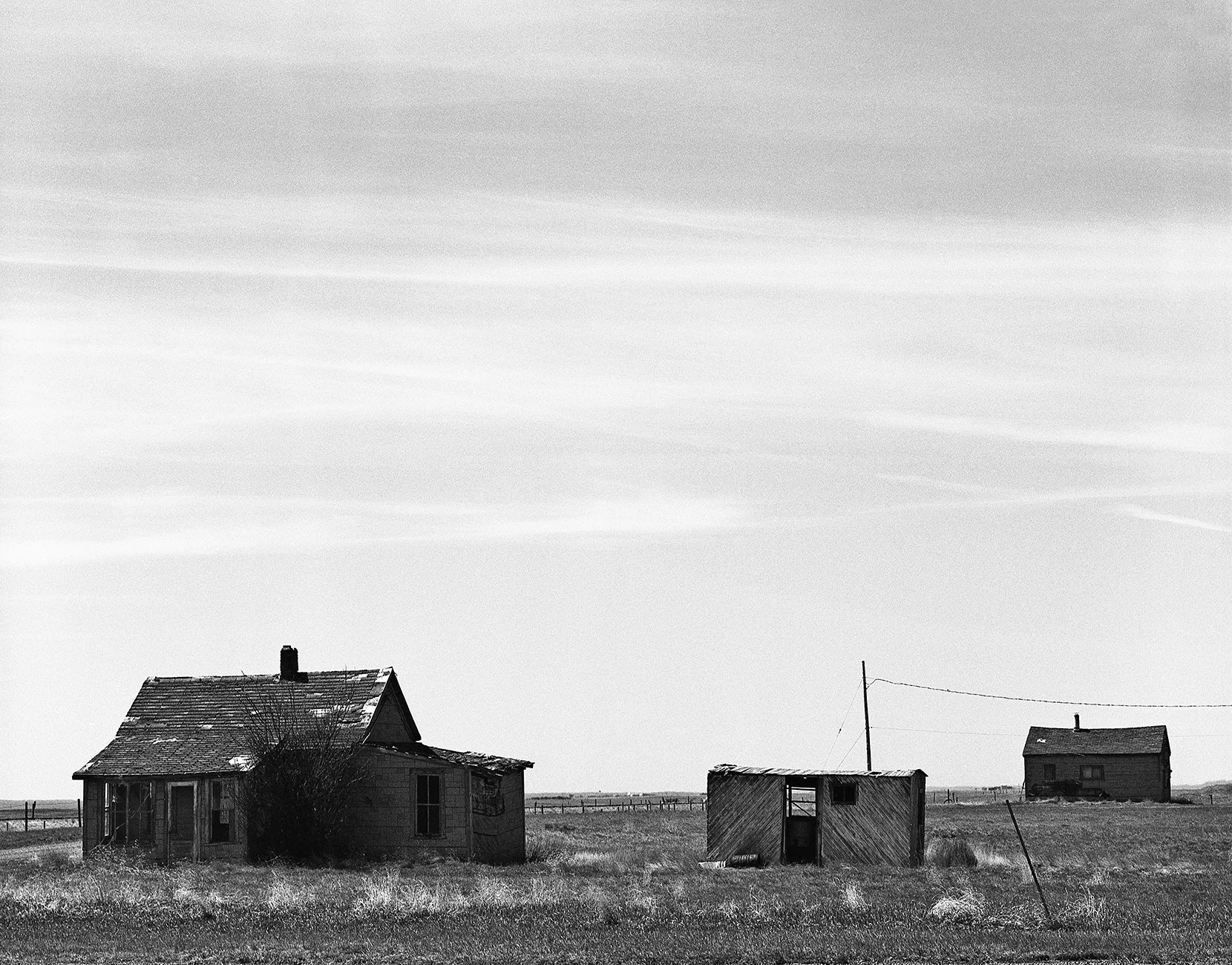
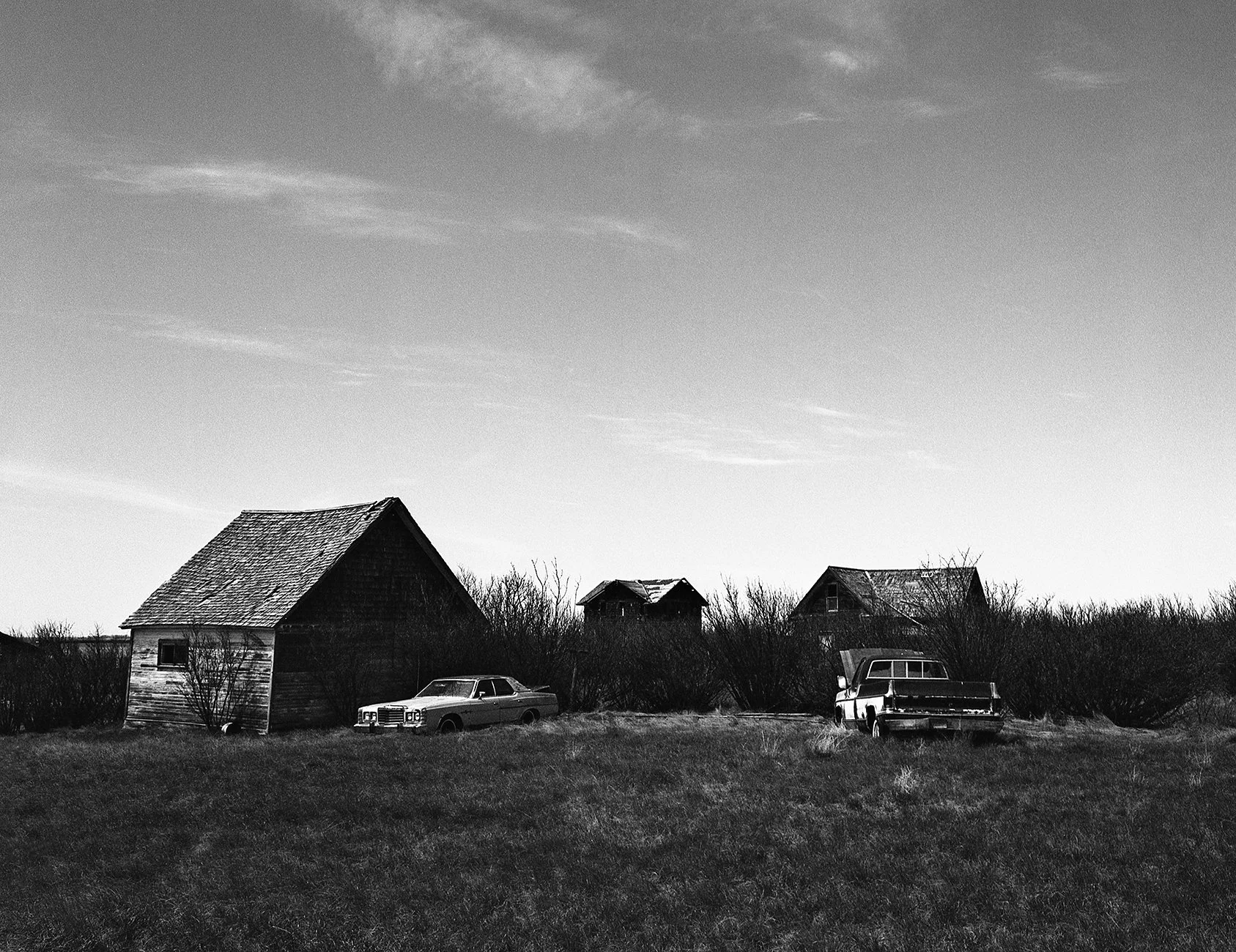
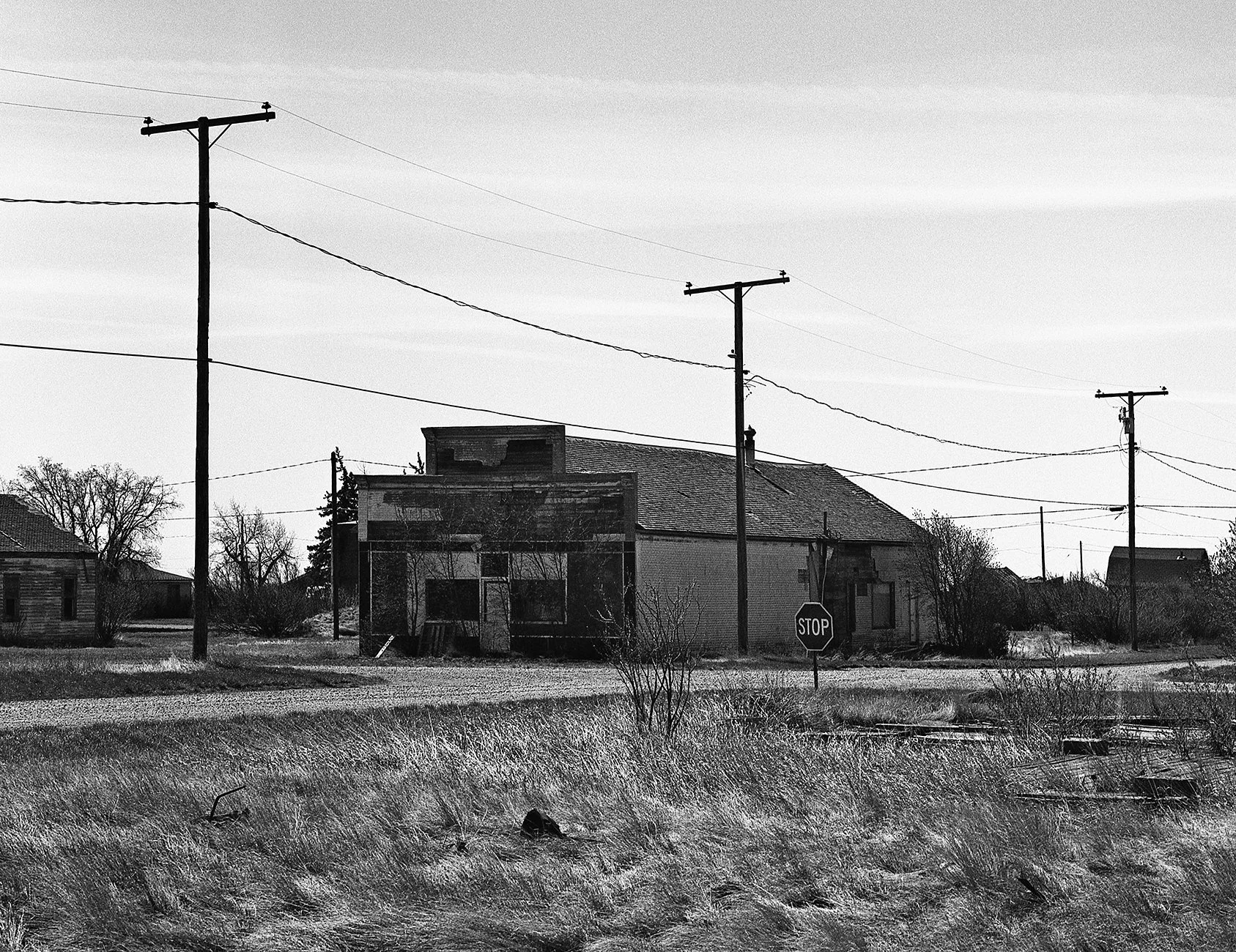
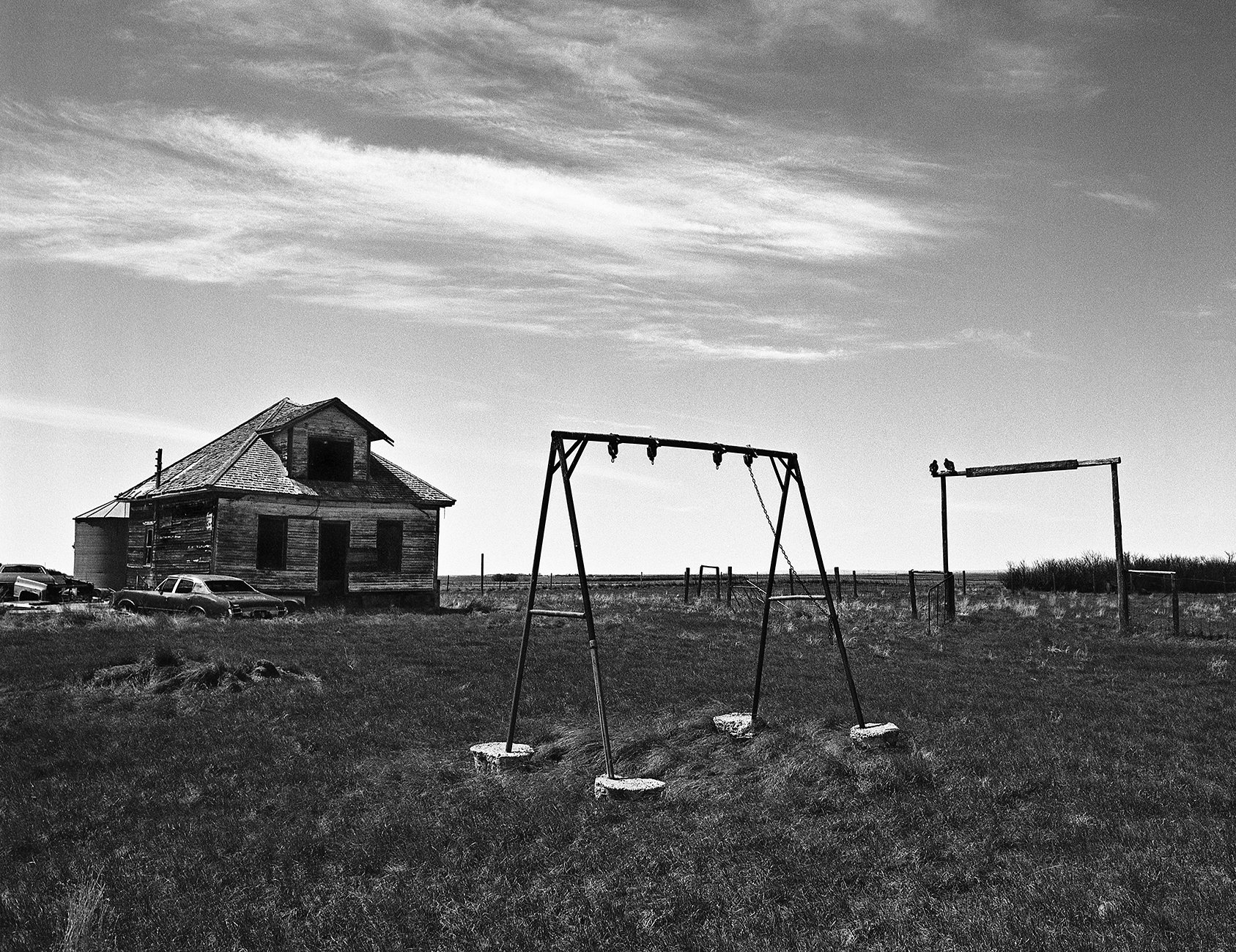
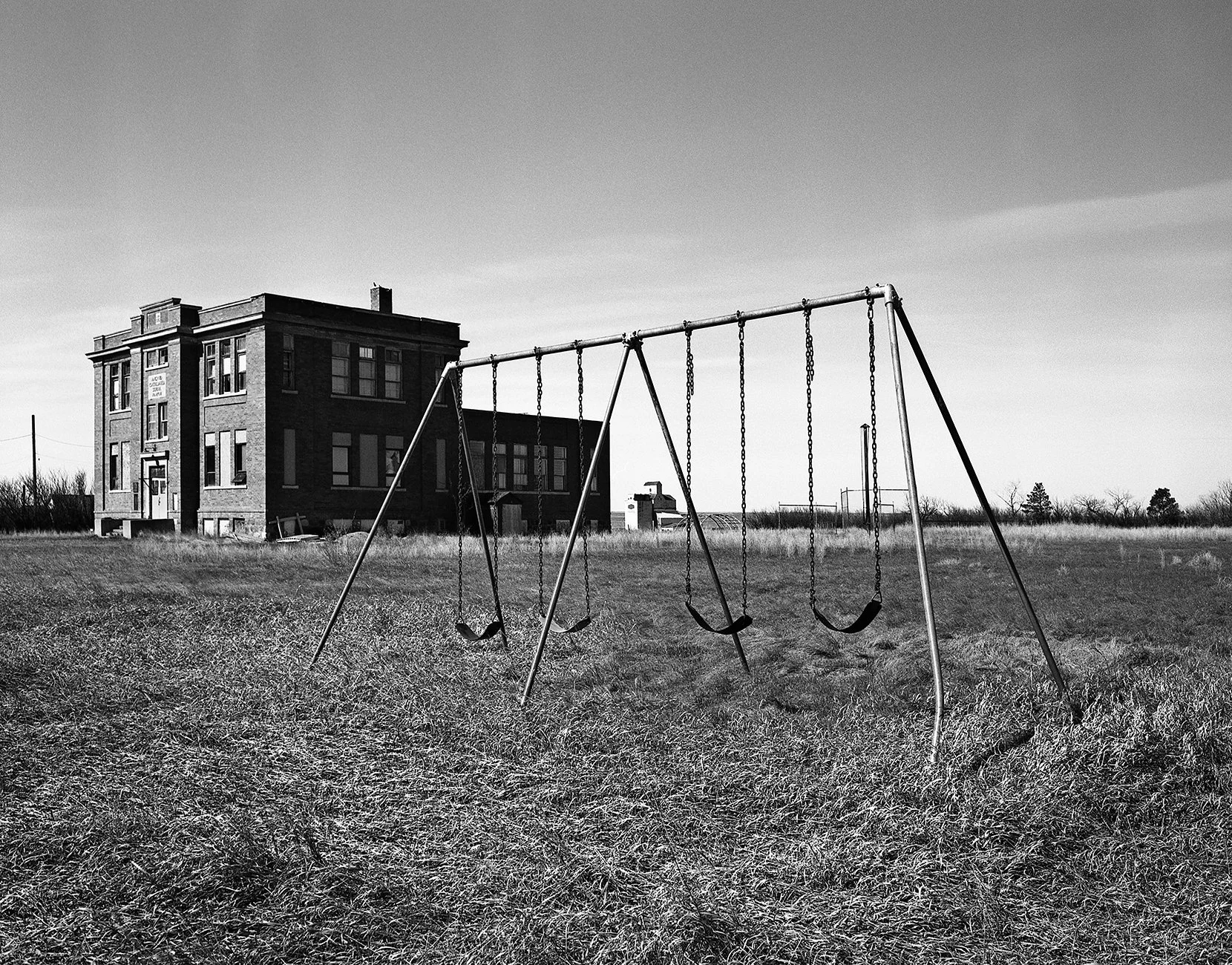
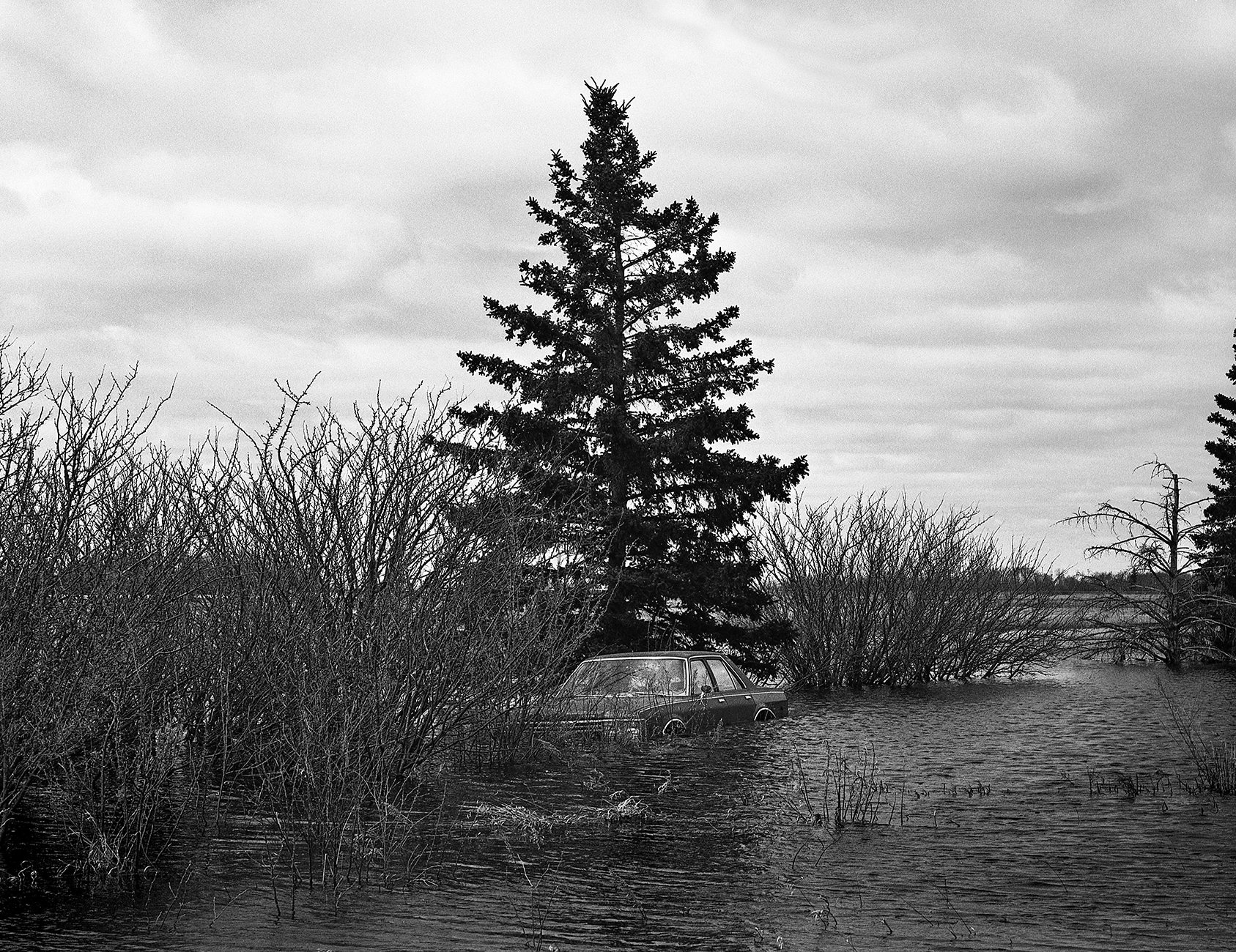
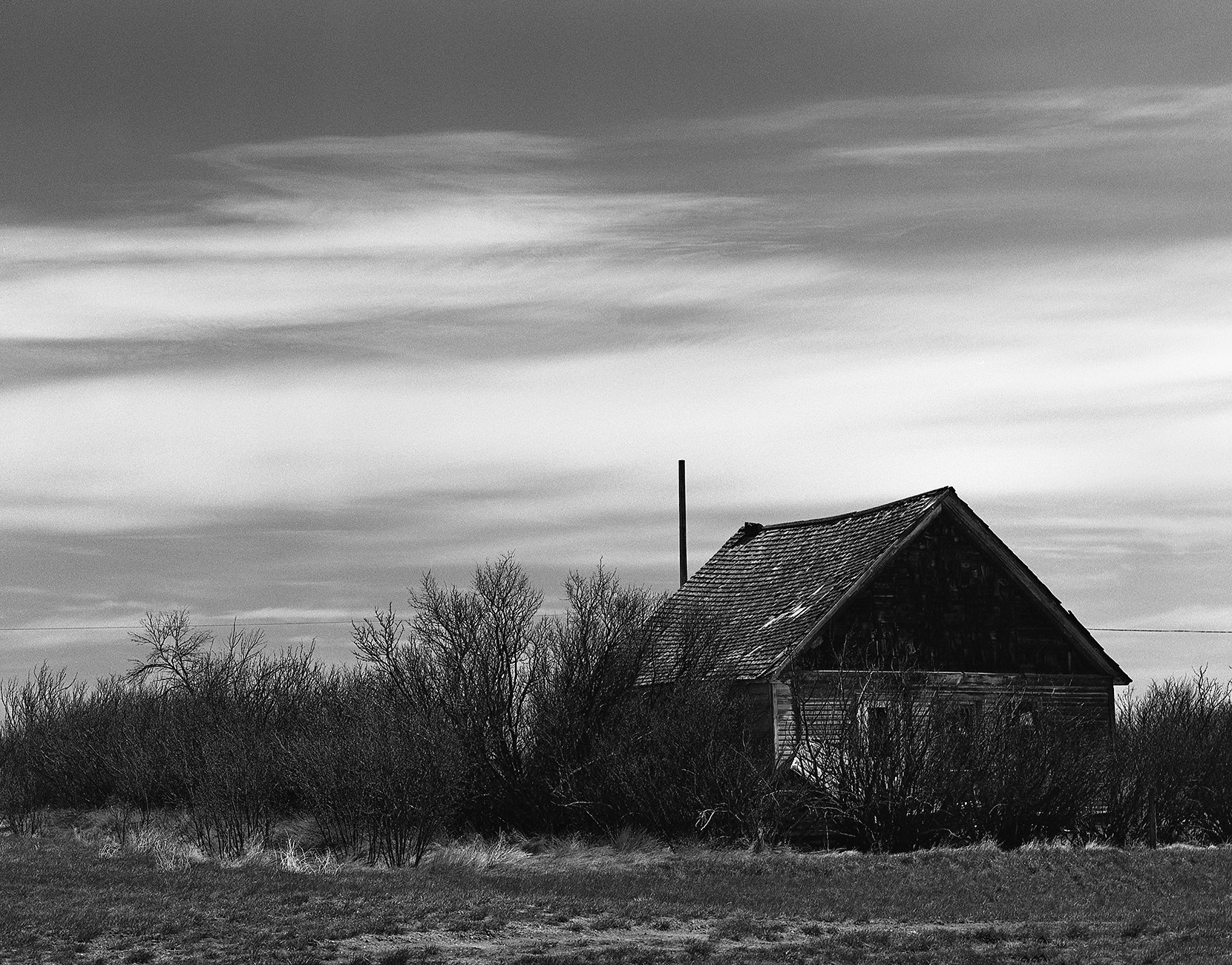
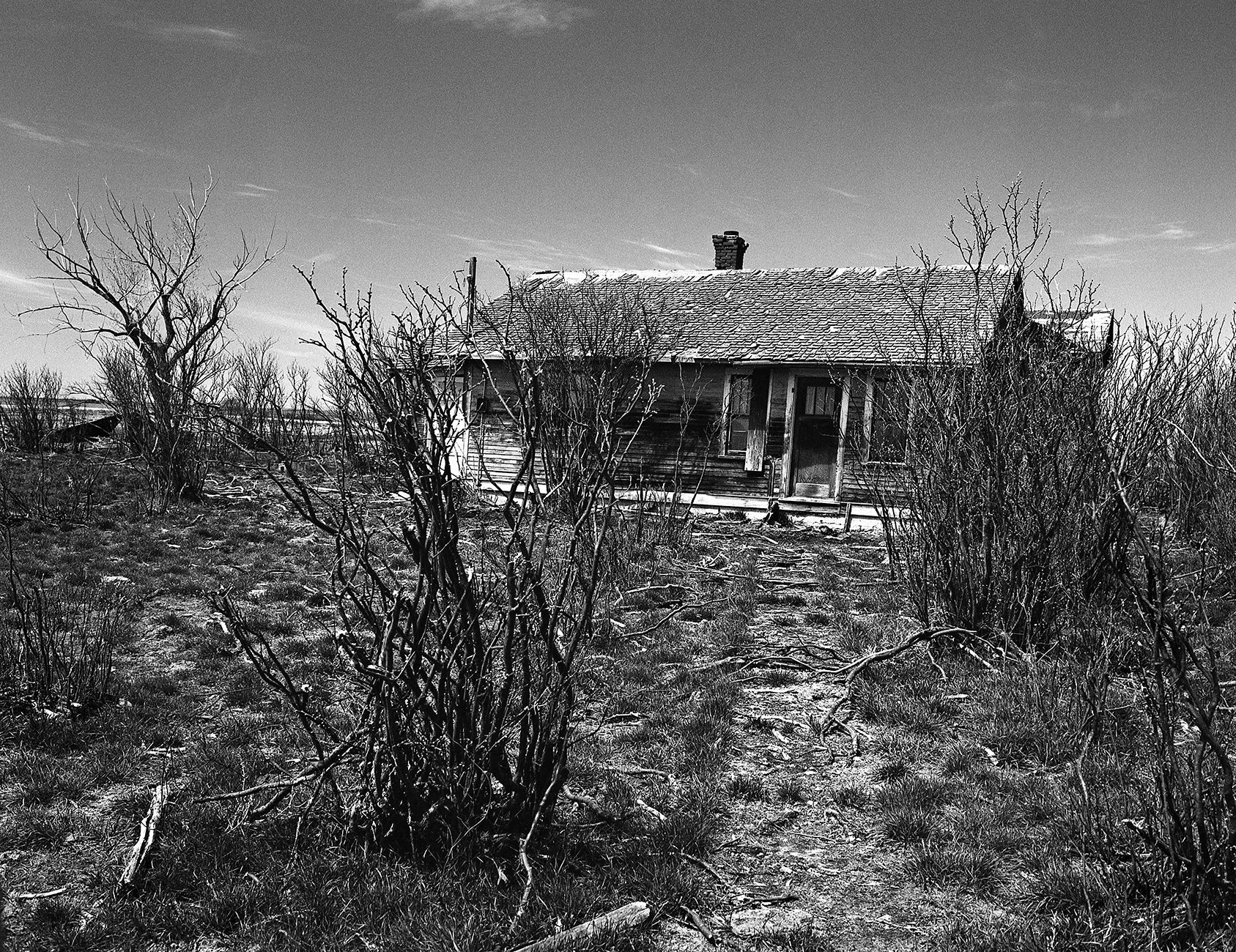
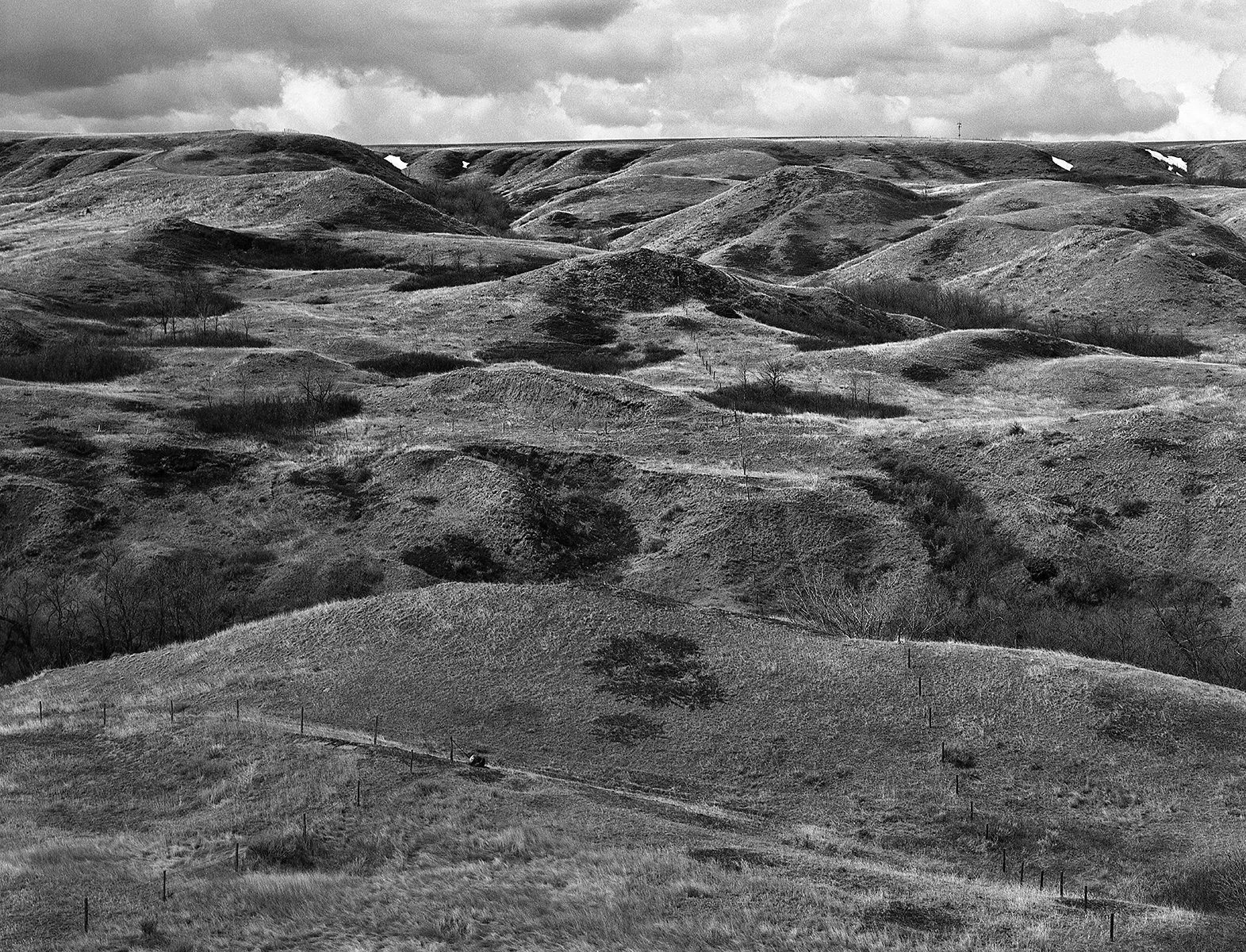
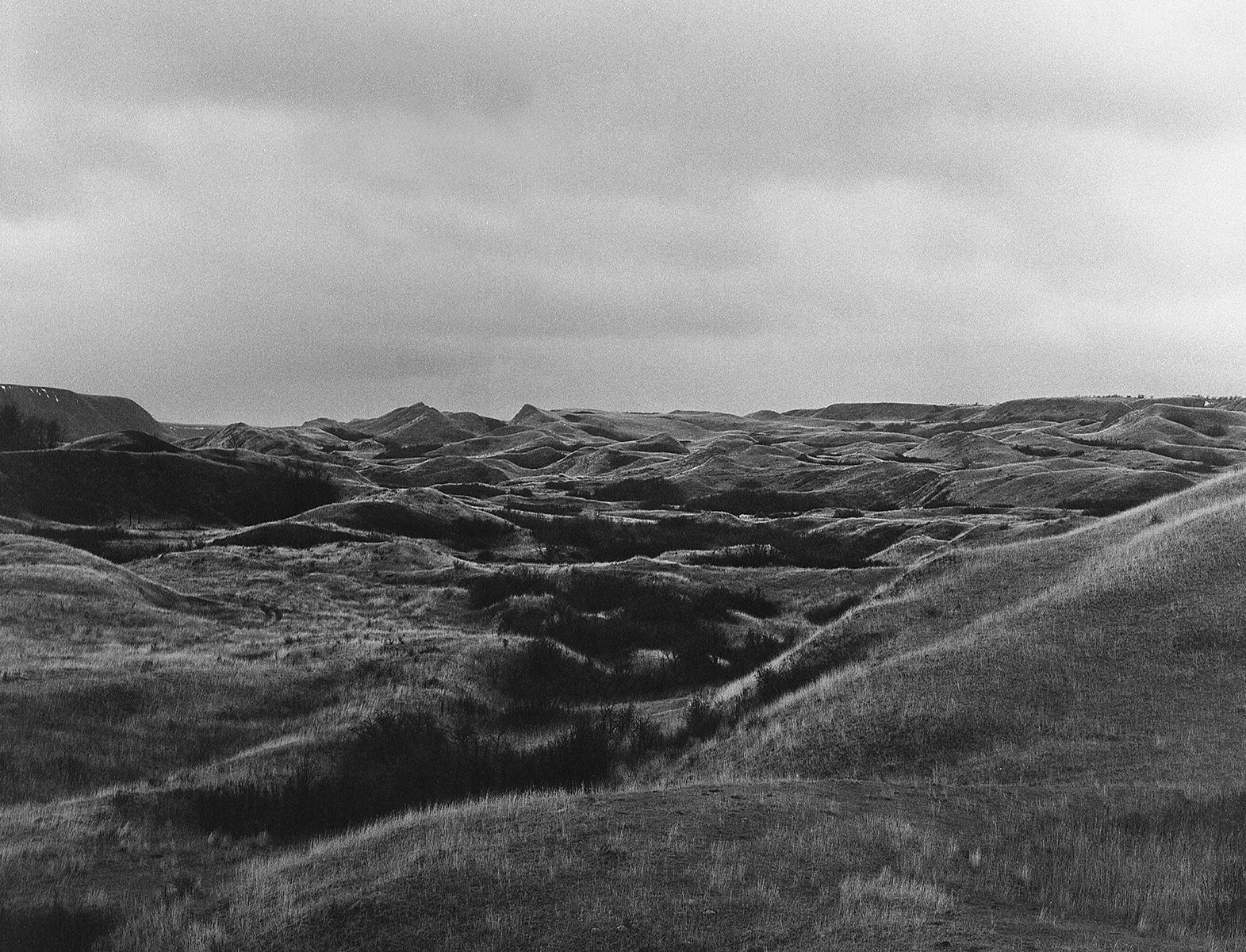
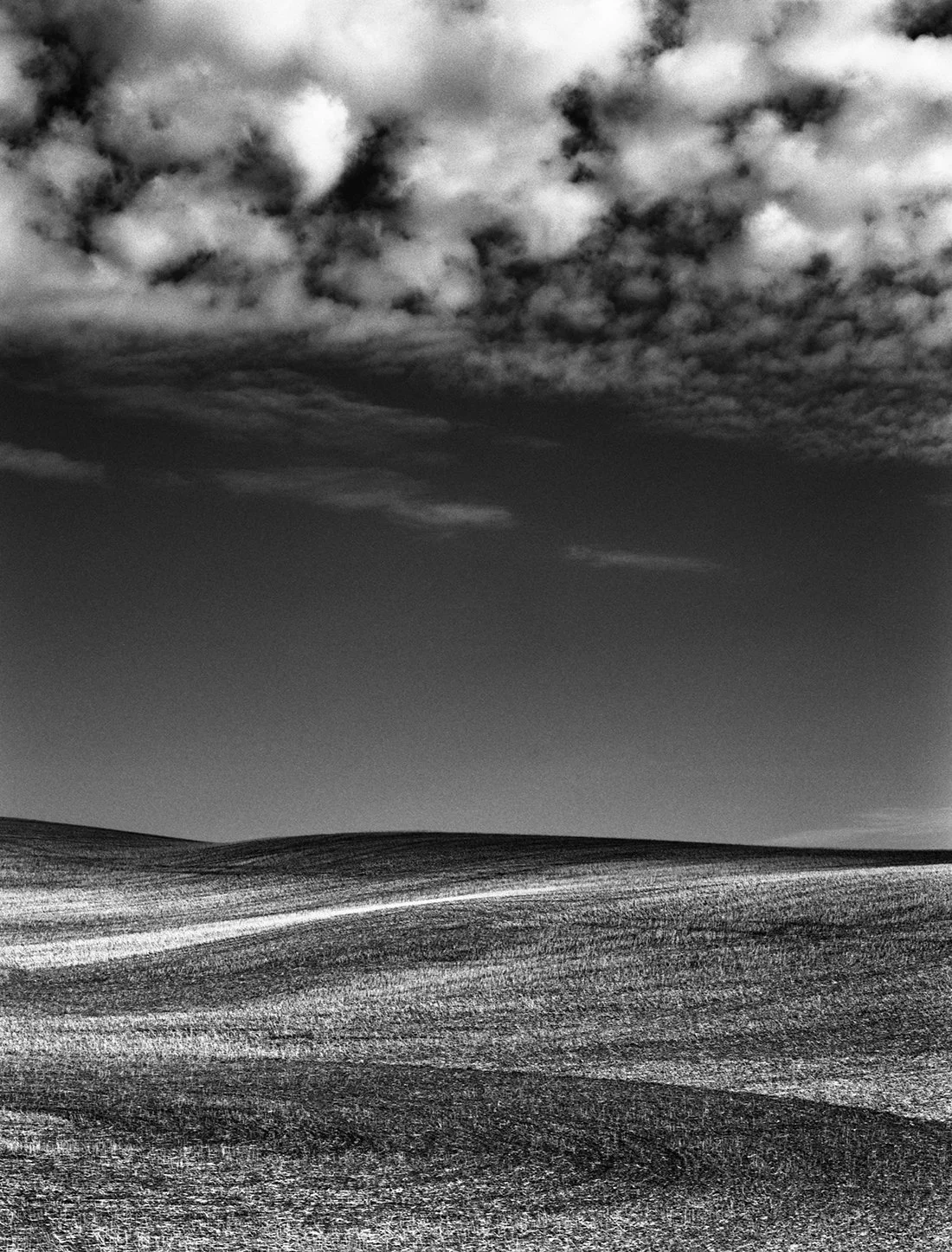
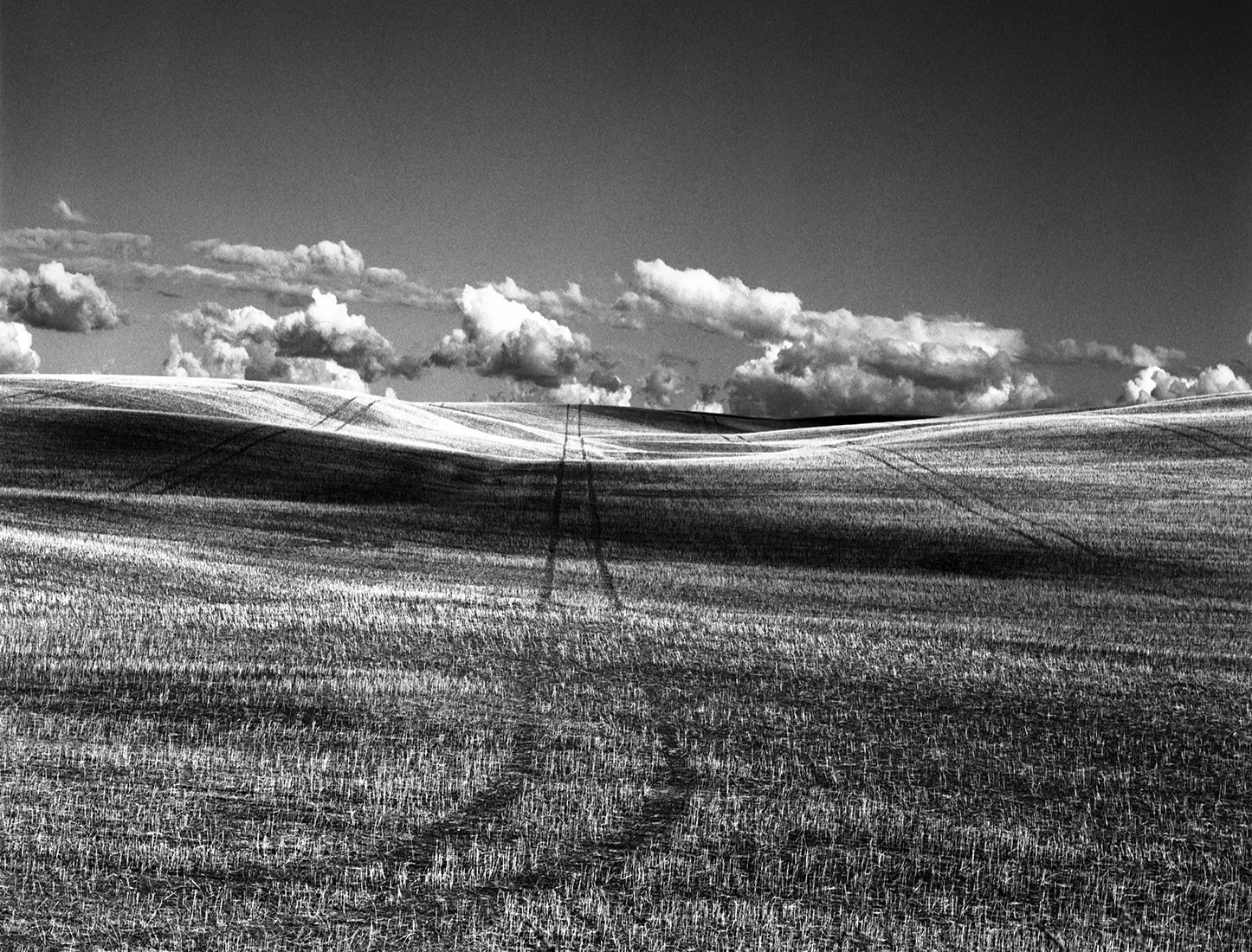
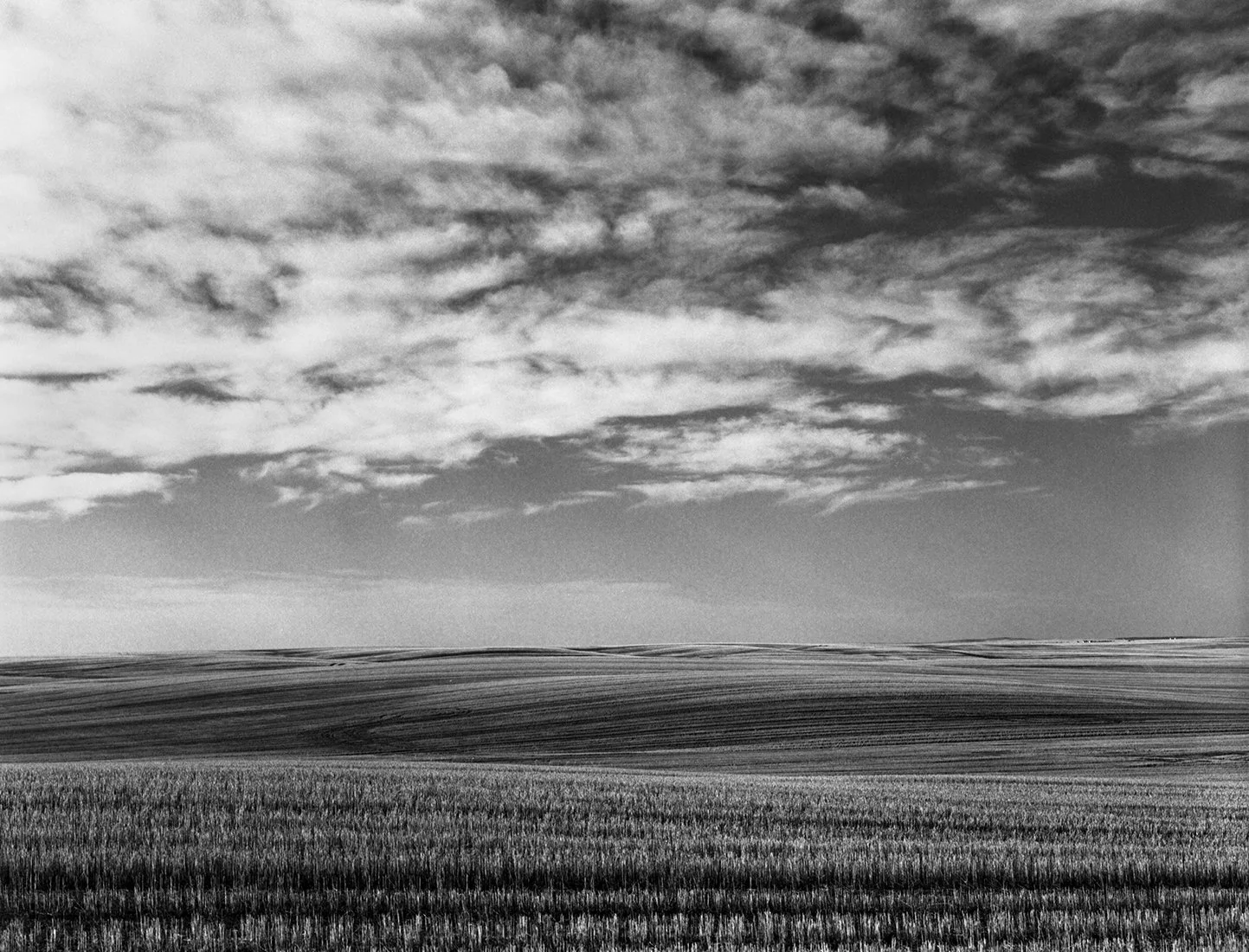
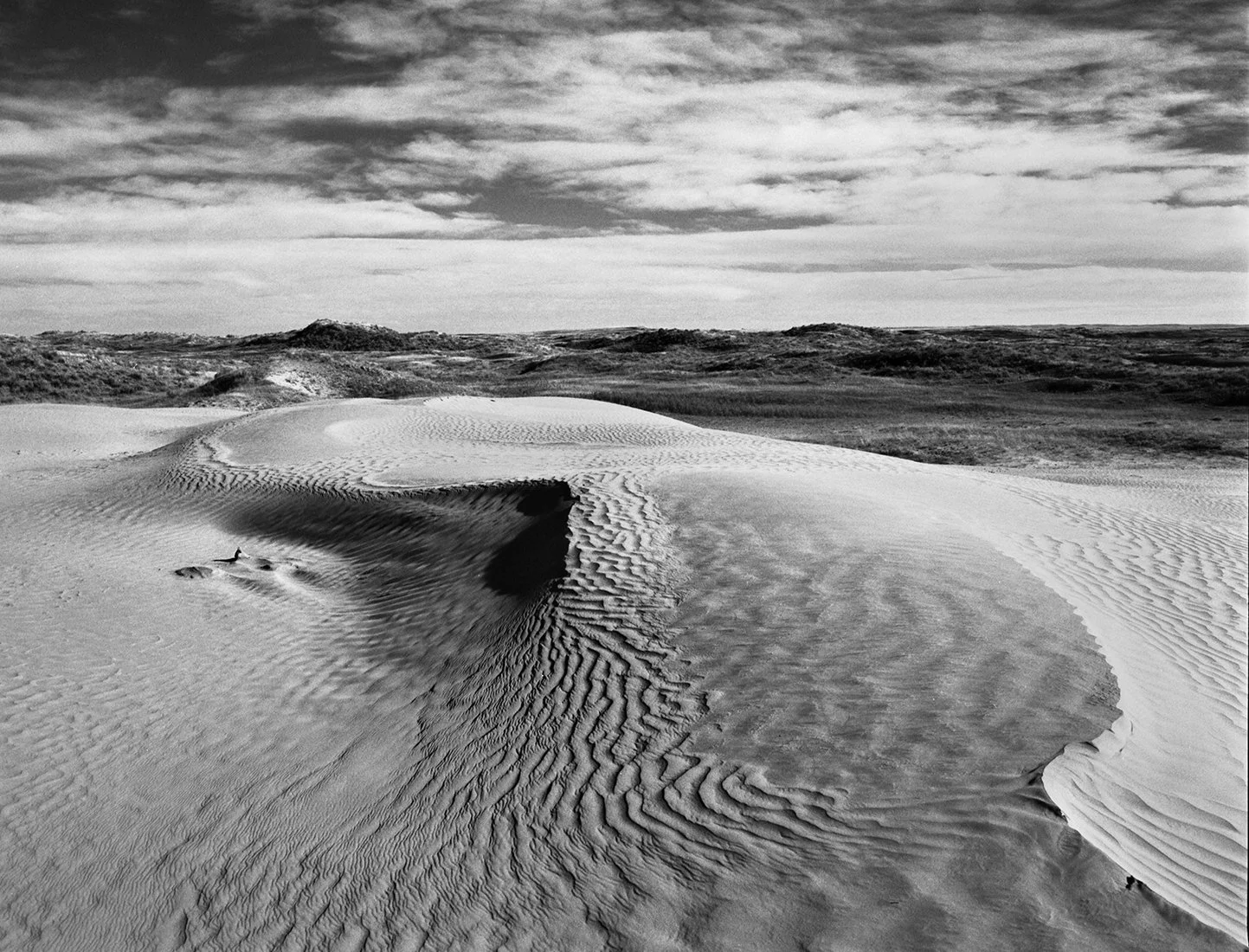
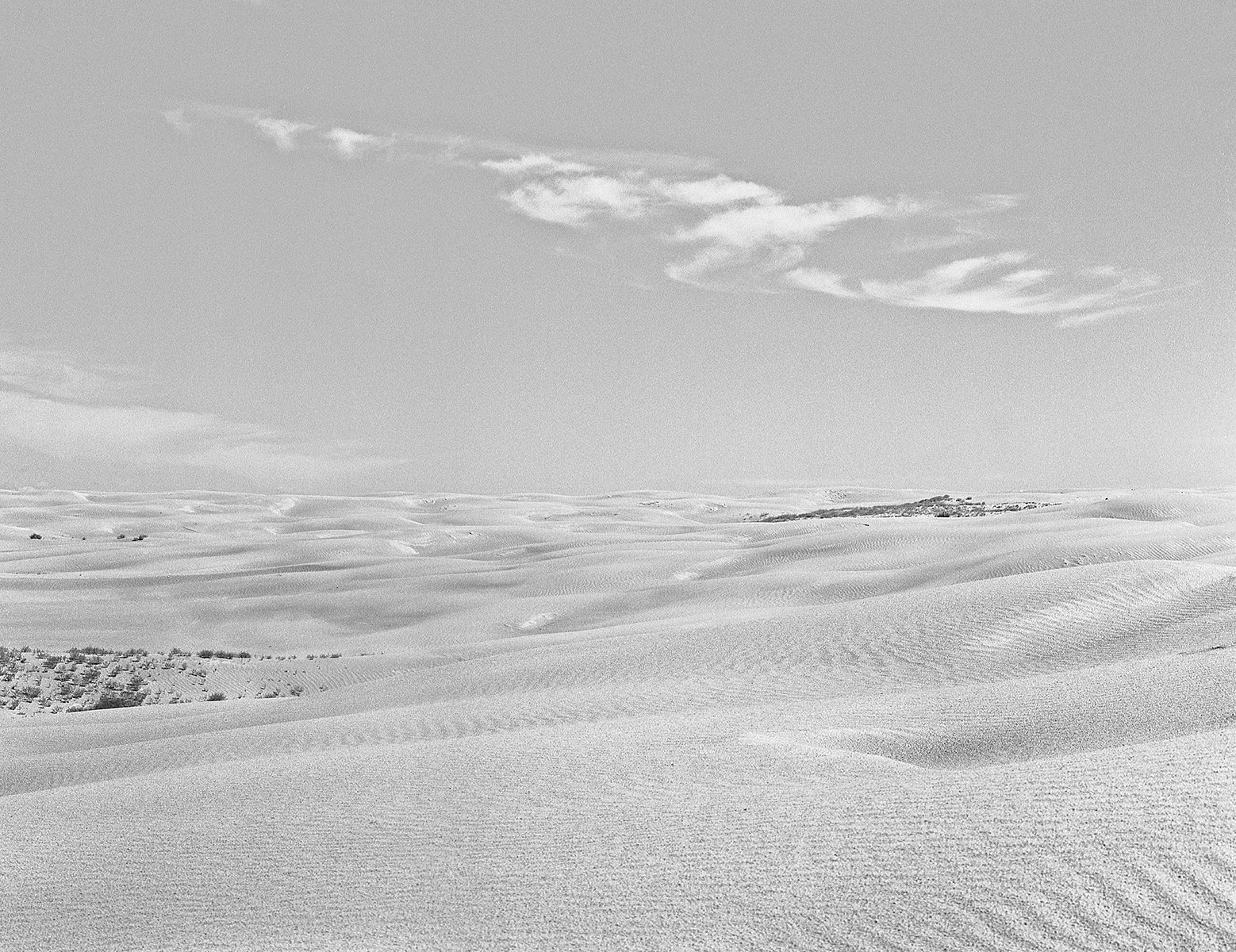
Across the prairie, the landscape holds a particular tension between exposure and neglect. Distances stretch without interruption, structures remain long after their purpose has dissolved, and entire environments exist at the edge of occupation without ever separating from it.
This series moves through ghost towns, industrial remnants, abandoned spaces, sand hills, and open terrain where systems of use and permanence have weakened or failed to take hold entirely. In these spaces, the landscape is encountered less through function than through presence. Attention shifts toward subtle traces, unresolved atmospheres, and moments where the environment feels psychologically charged despite the absence of visible activity.
Photographed as one might approach a portrait, the work does not attempt to define these places, but to remain with them long enough for tension, familiarity, estrangement, and narrative possibility to surface simultaneously.
The prairie remains open in a way few environments do. Its scale, silence, and resistance to containment allow meaning to loosen from certainty, leaving the landscape emotionally accessible without ever fully resolving into explanation.
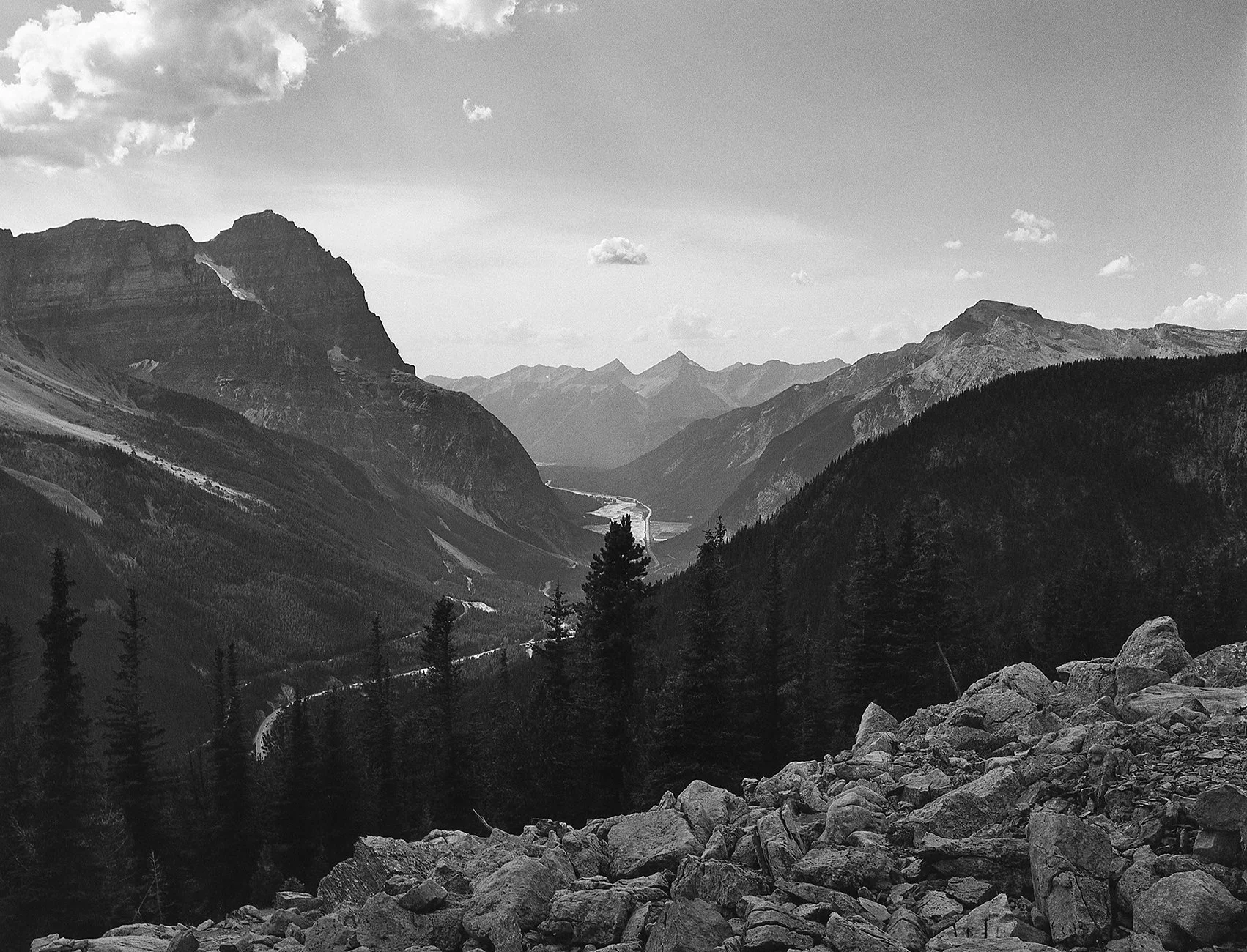
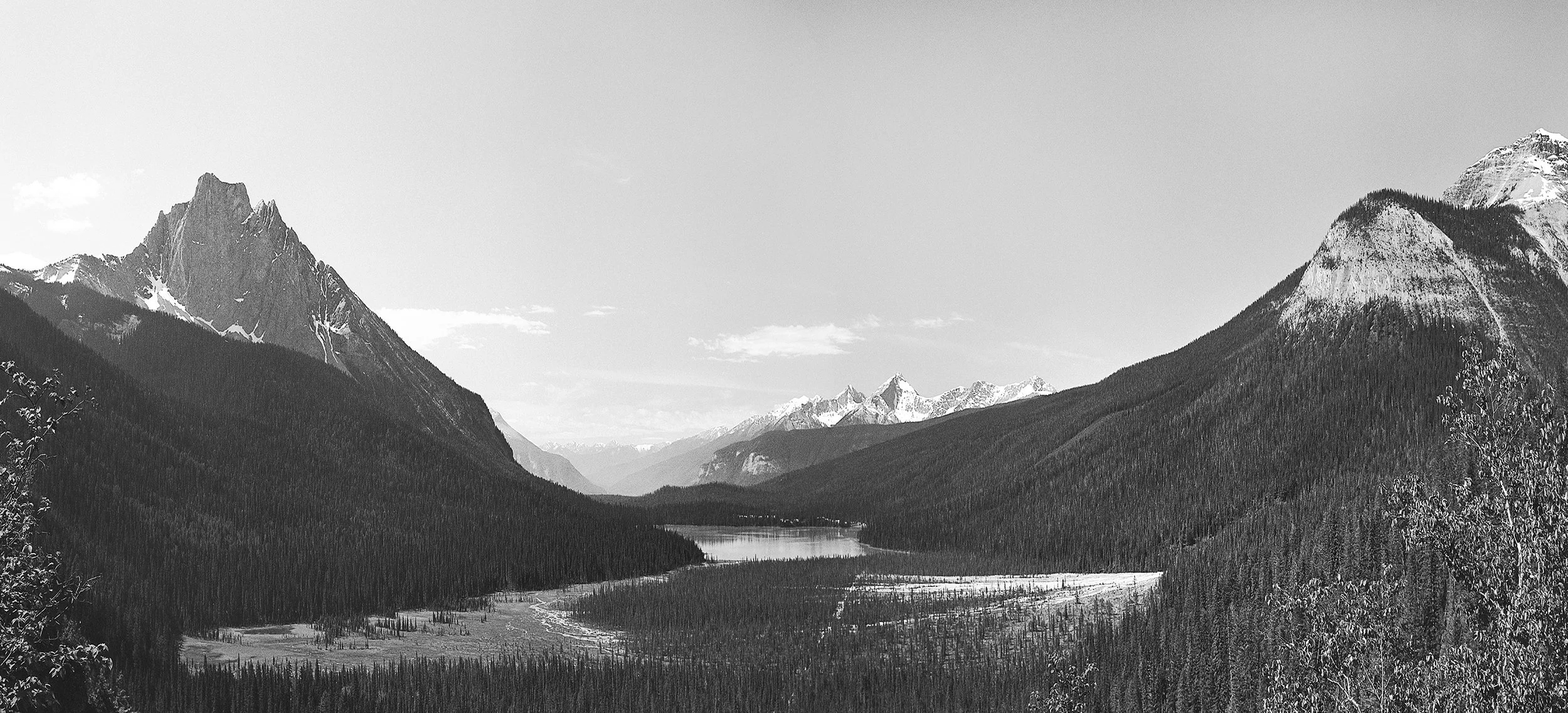
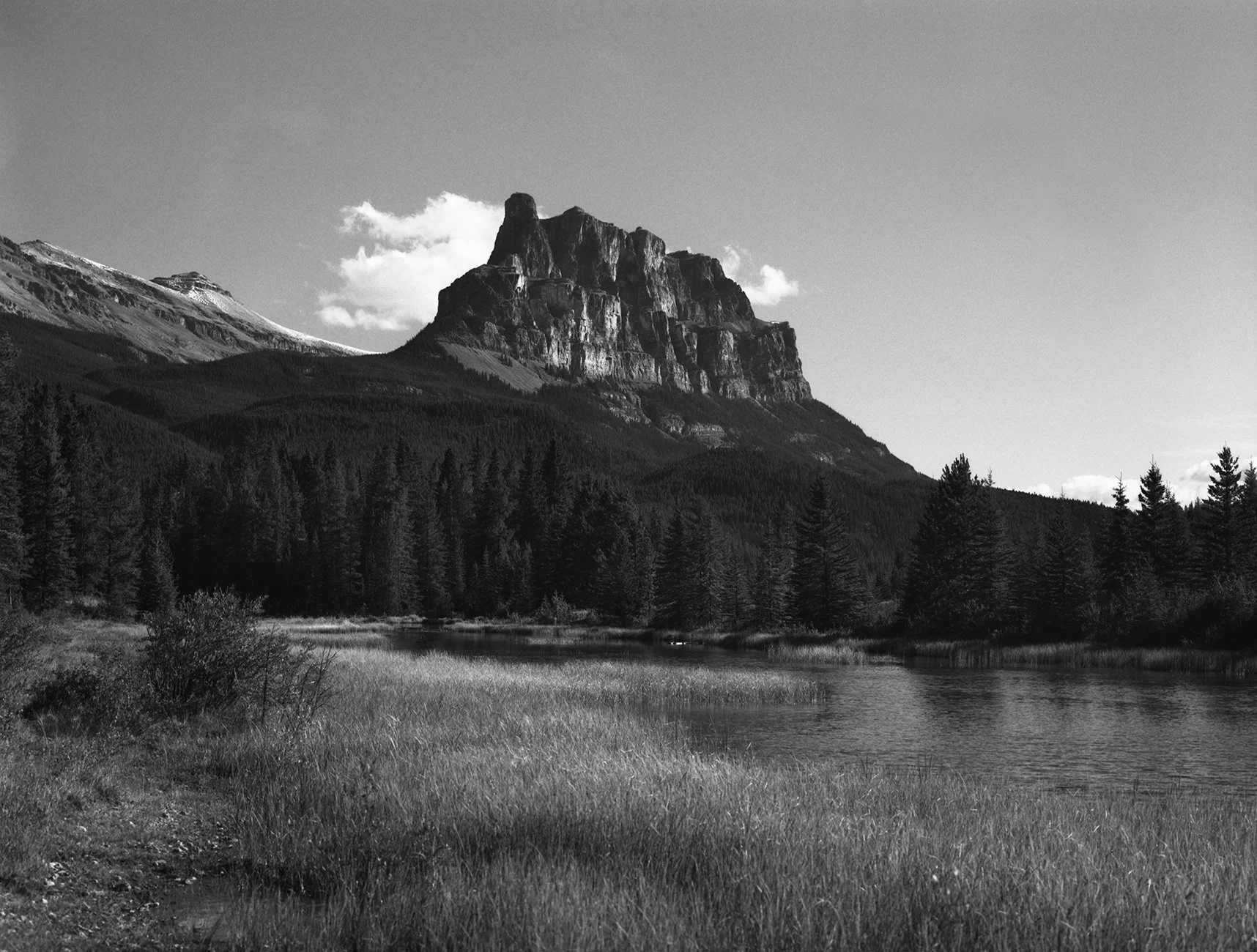
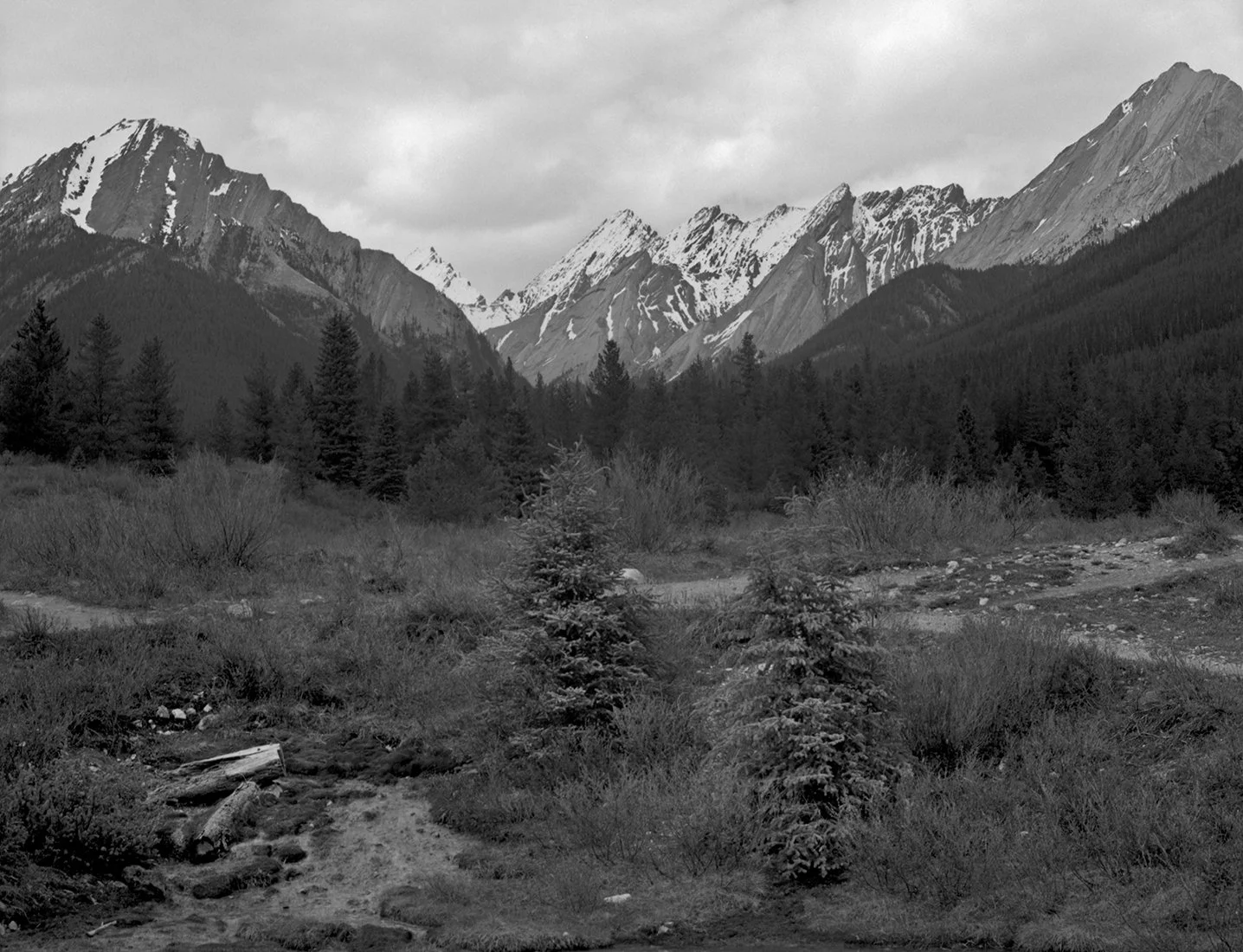
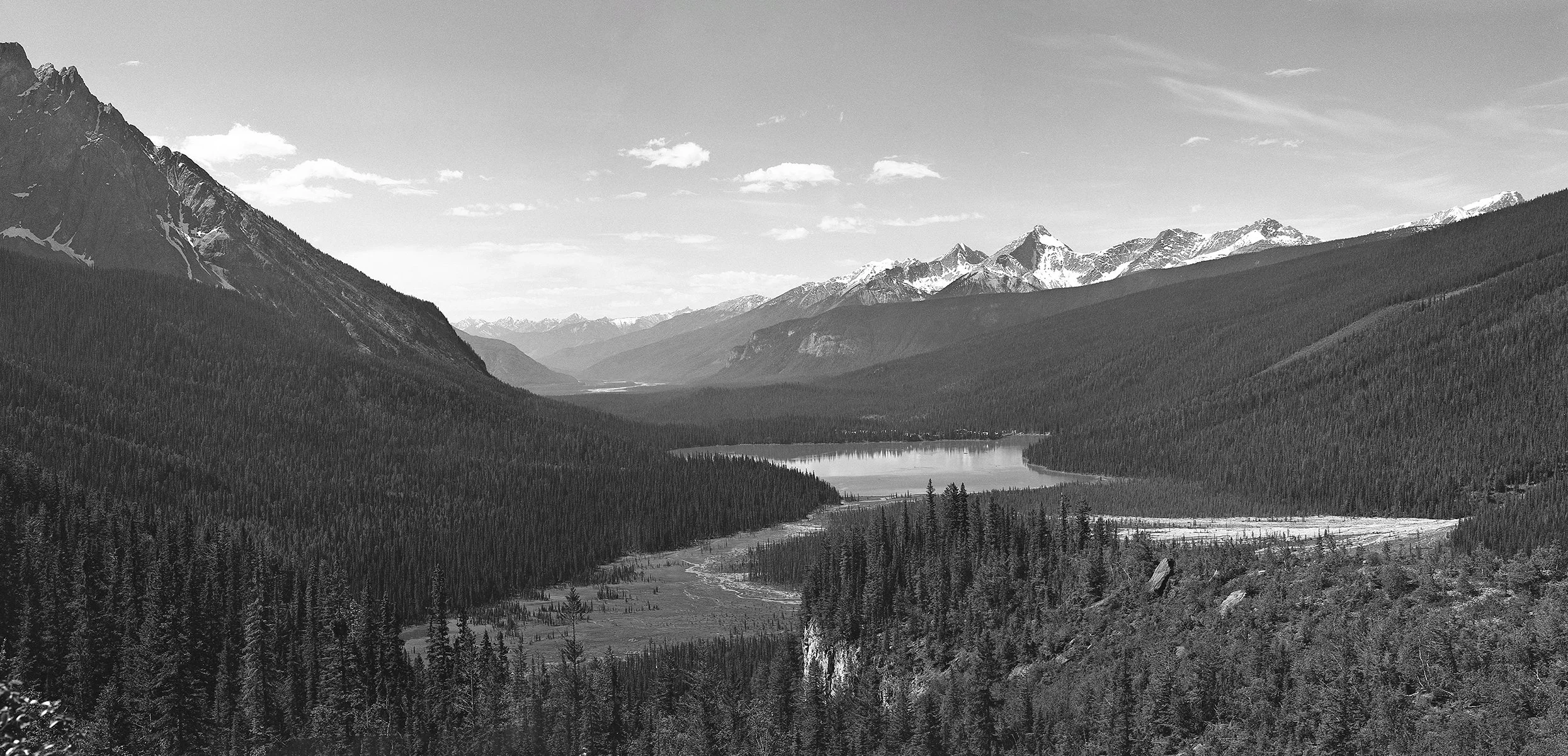
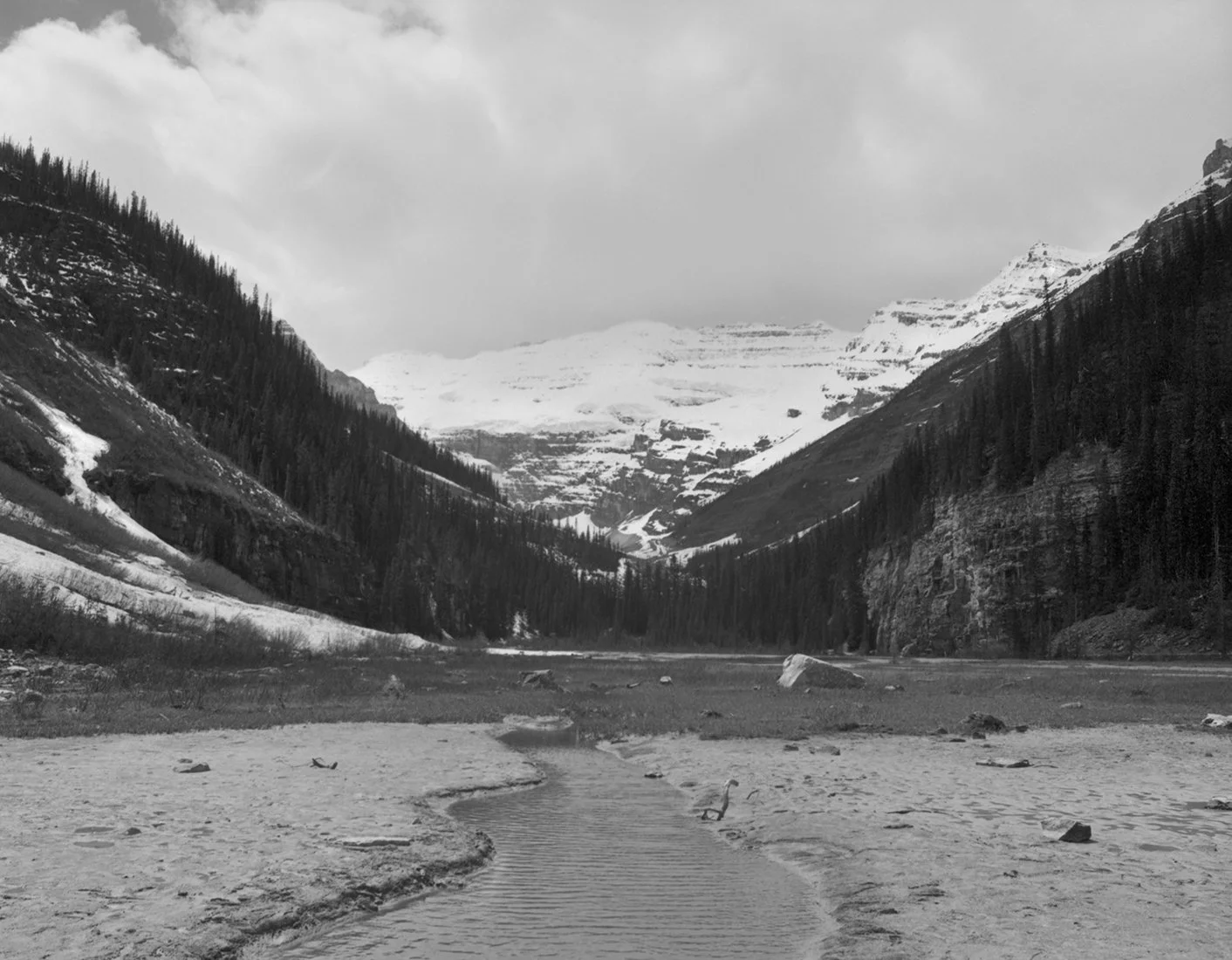
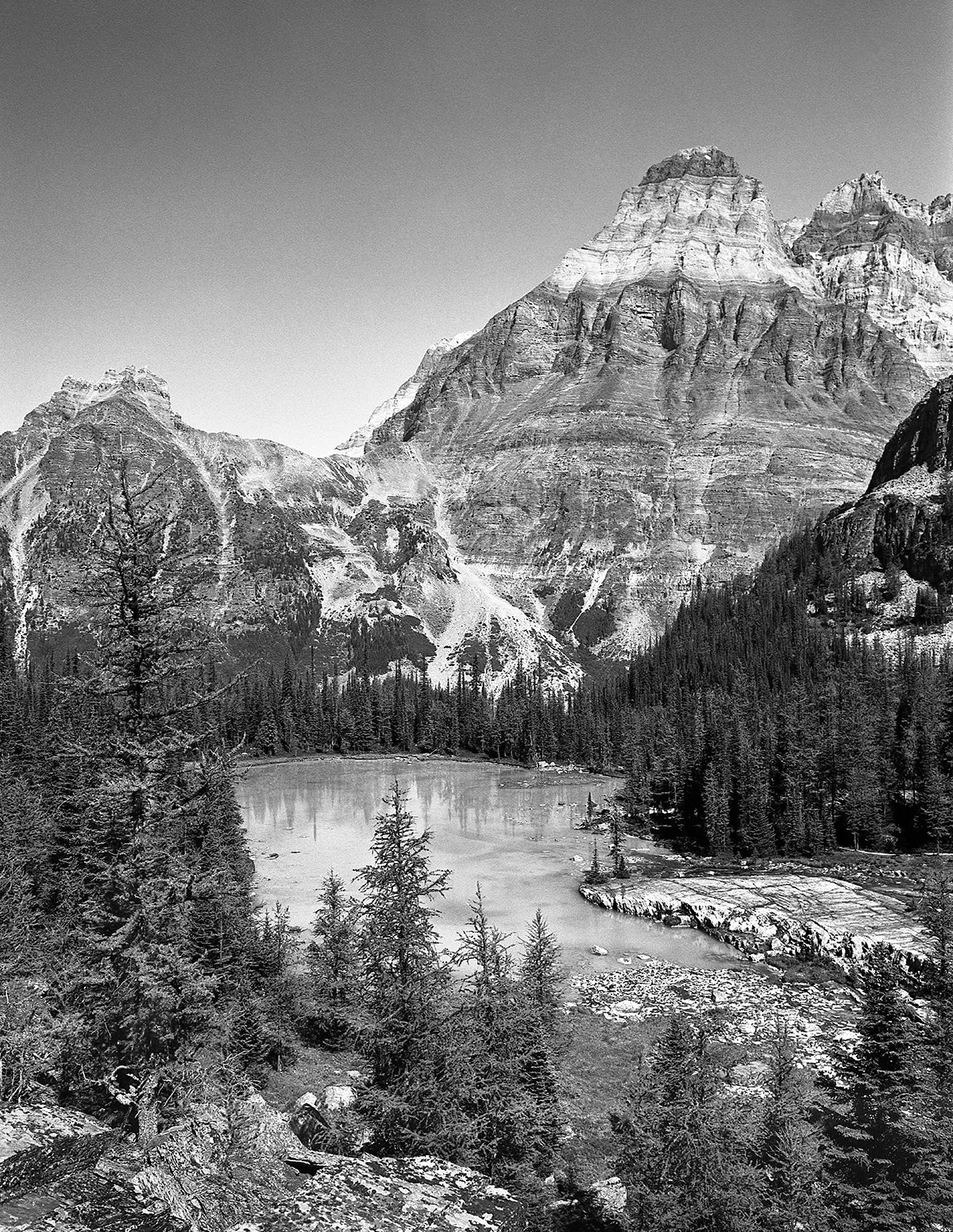
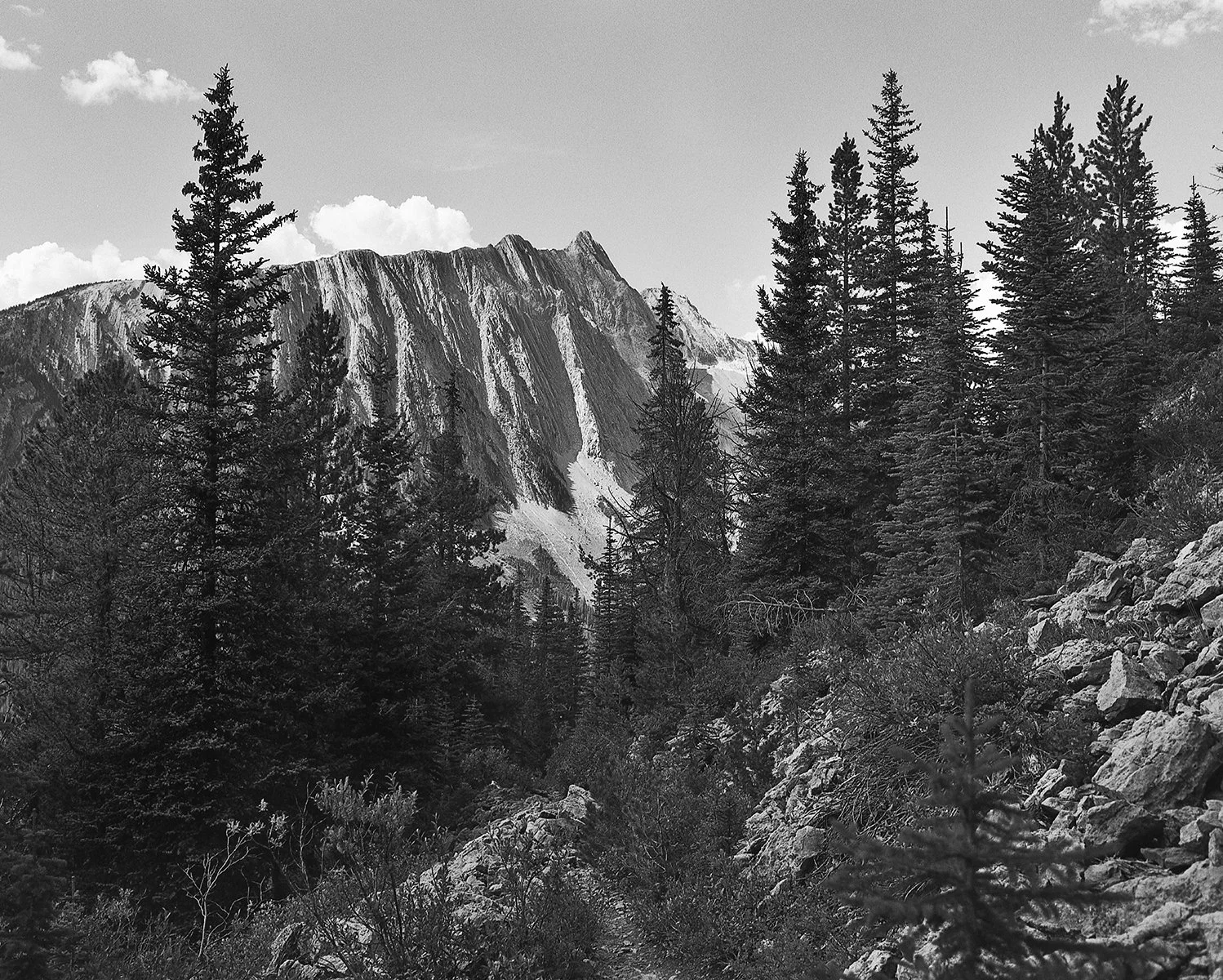
MOUNTAINS
States of ALignment
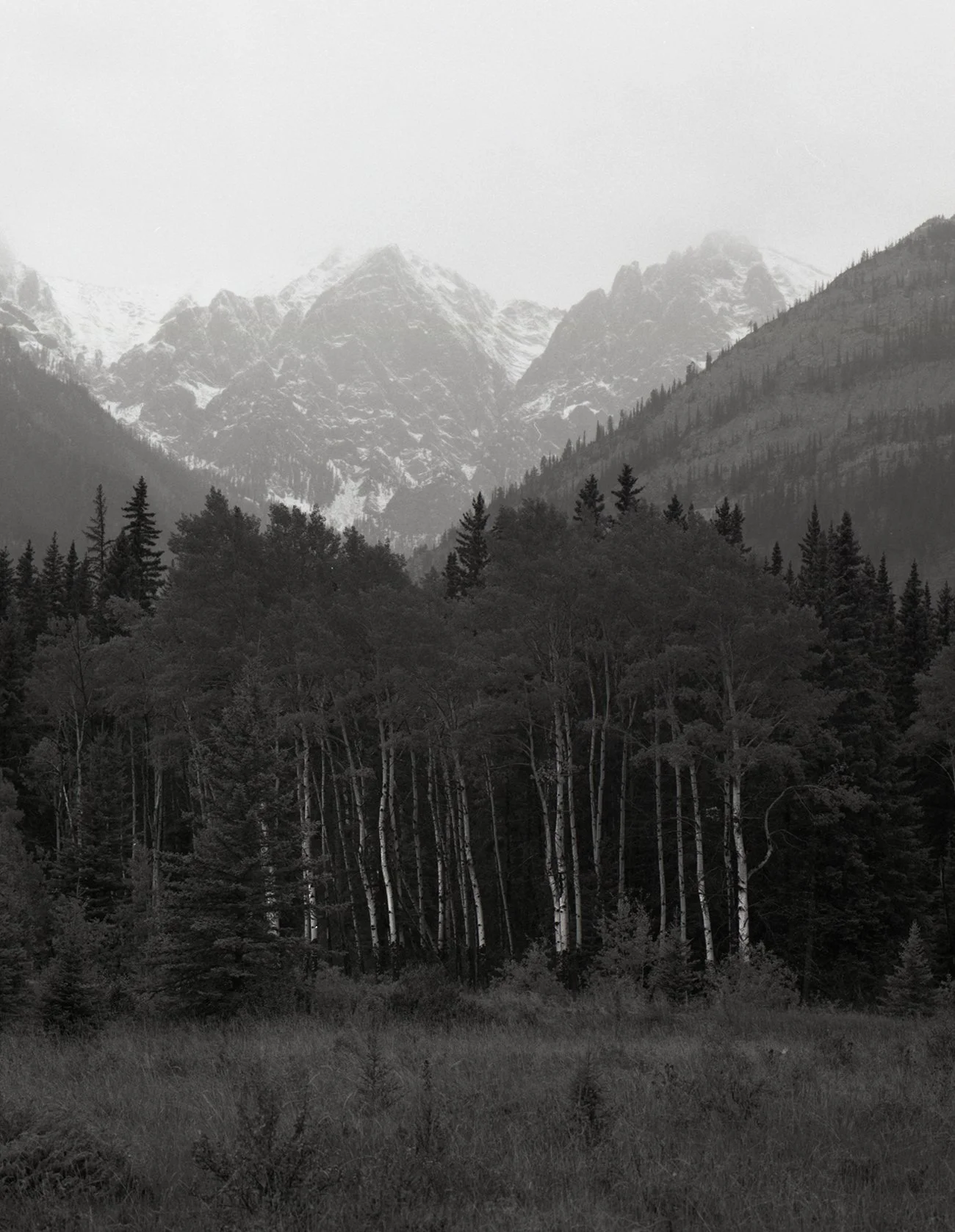
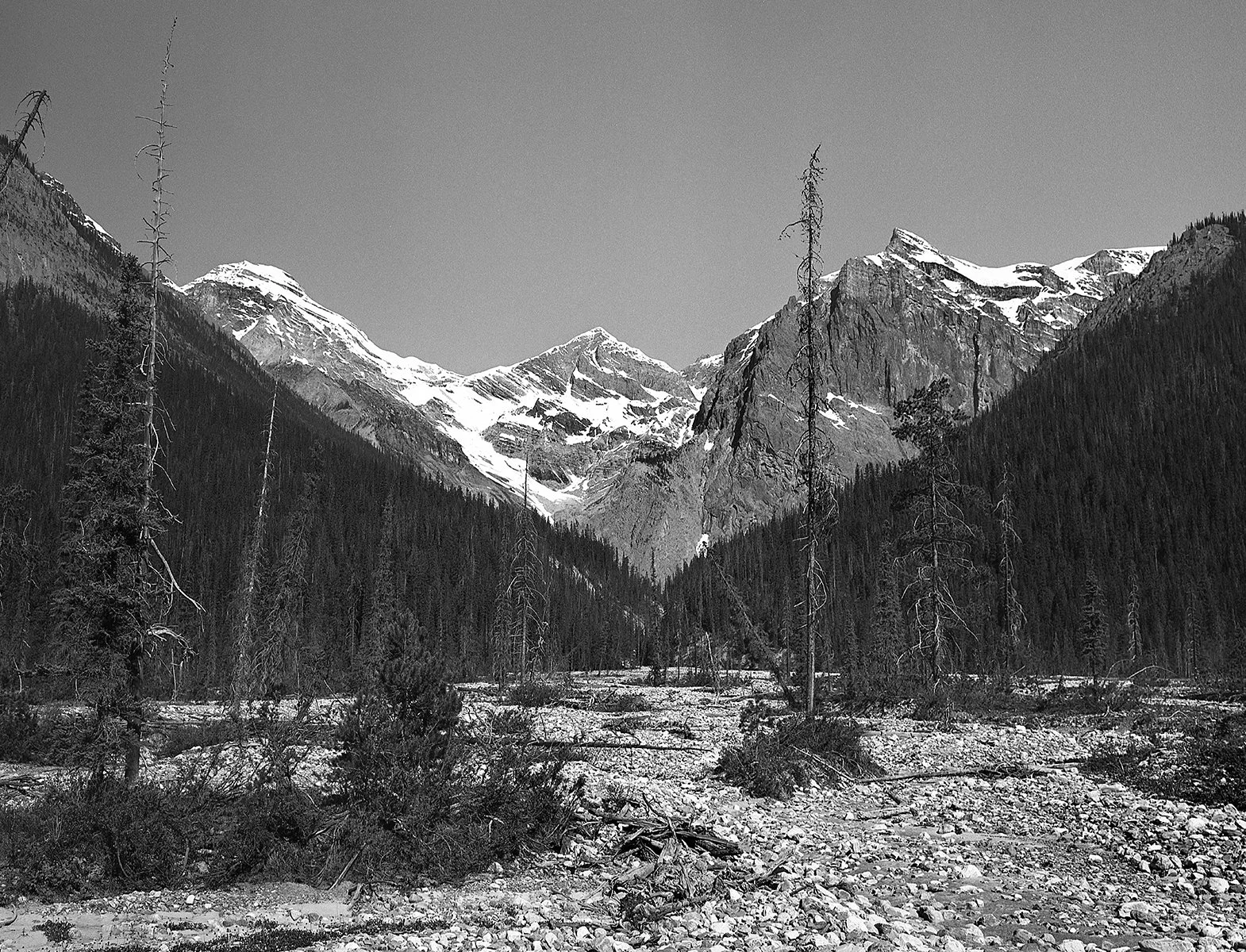
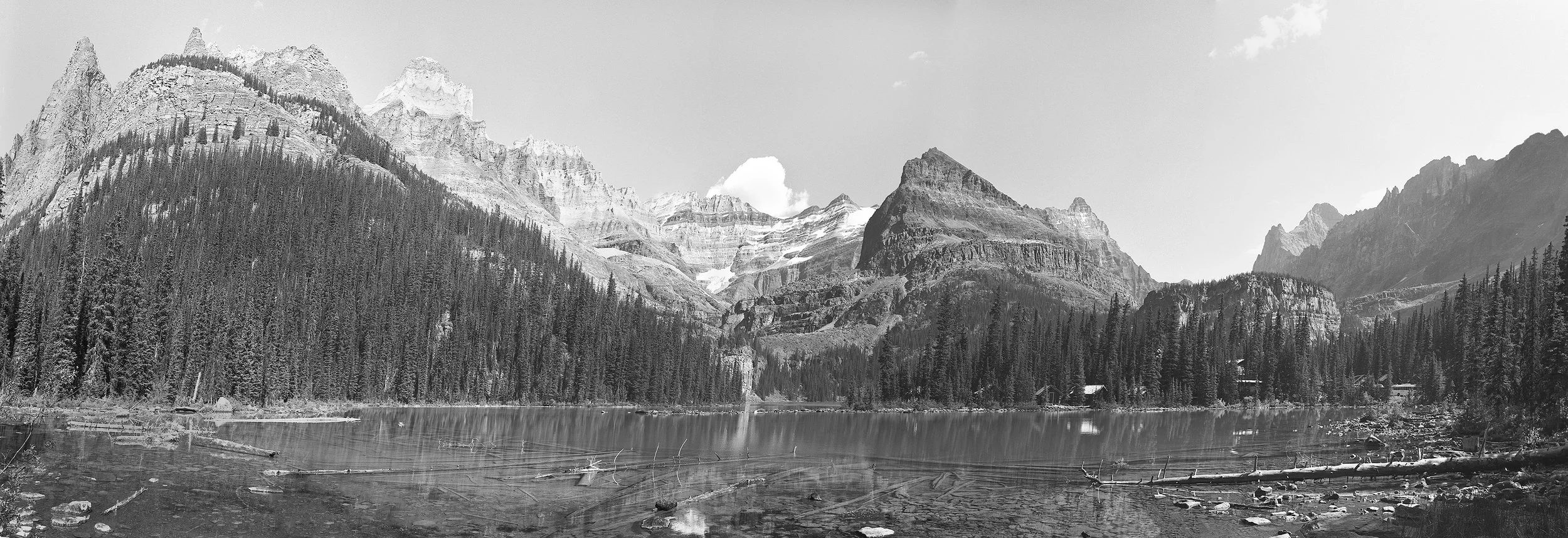
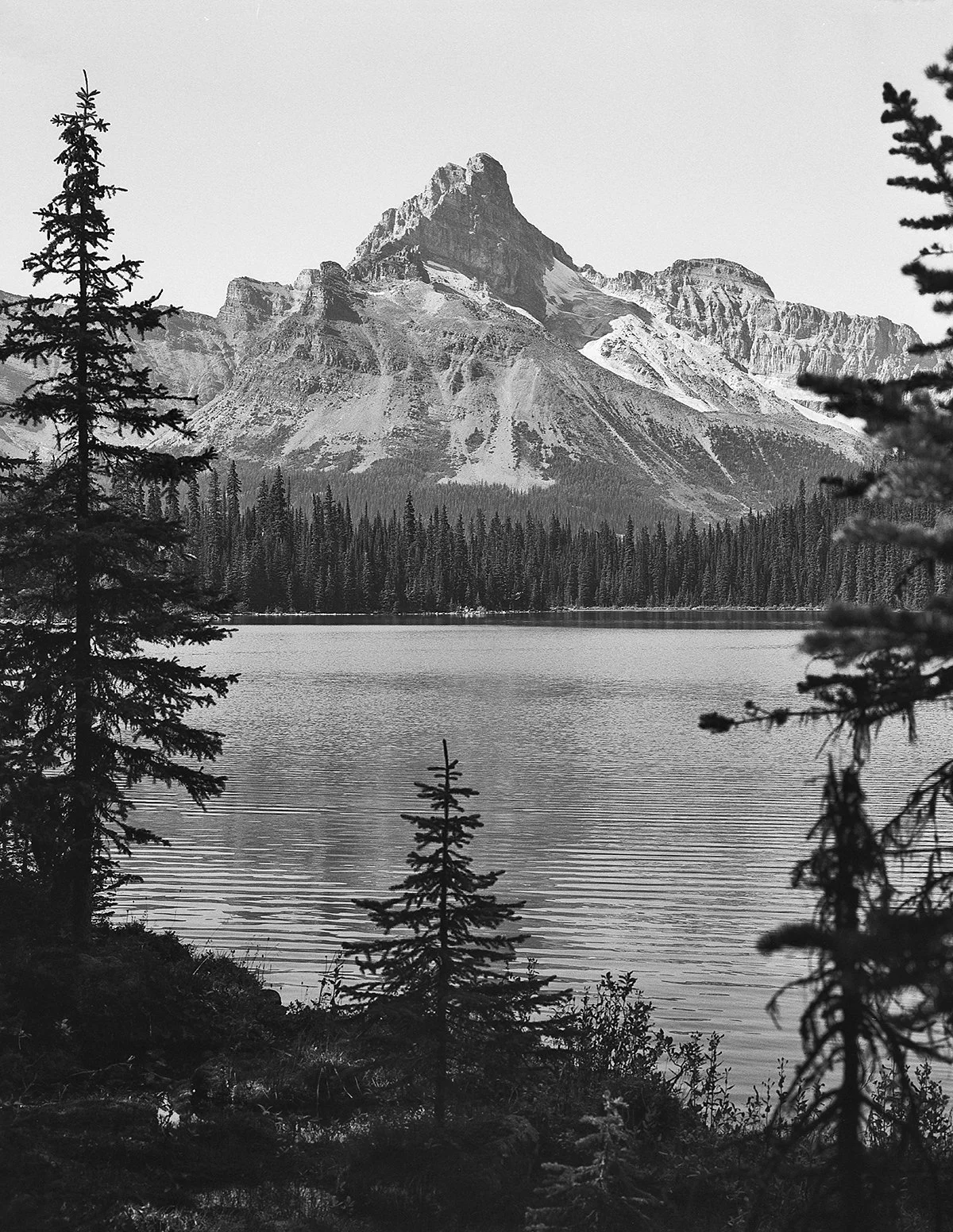
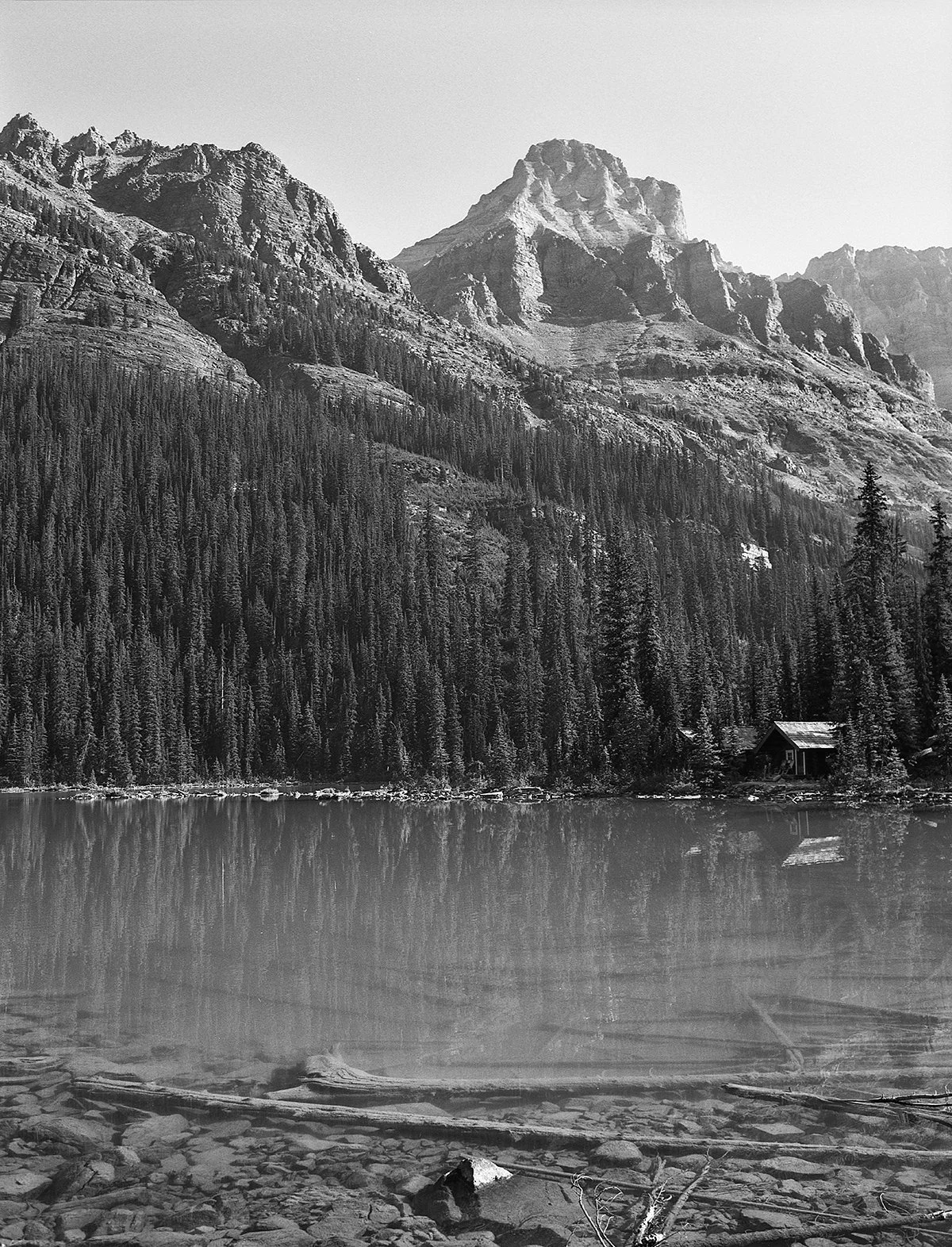
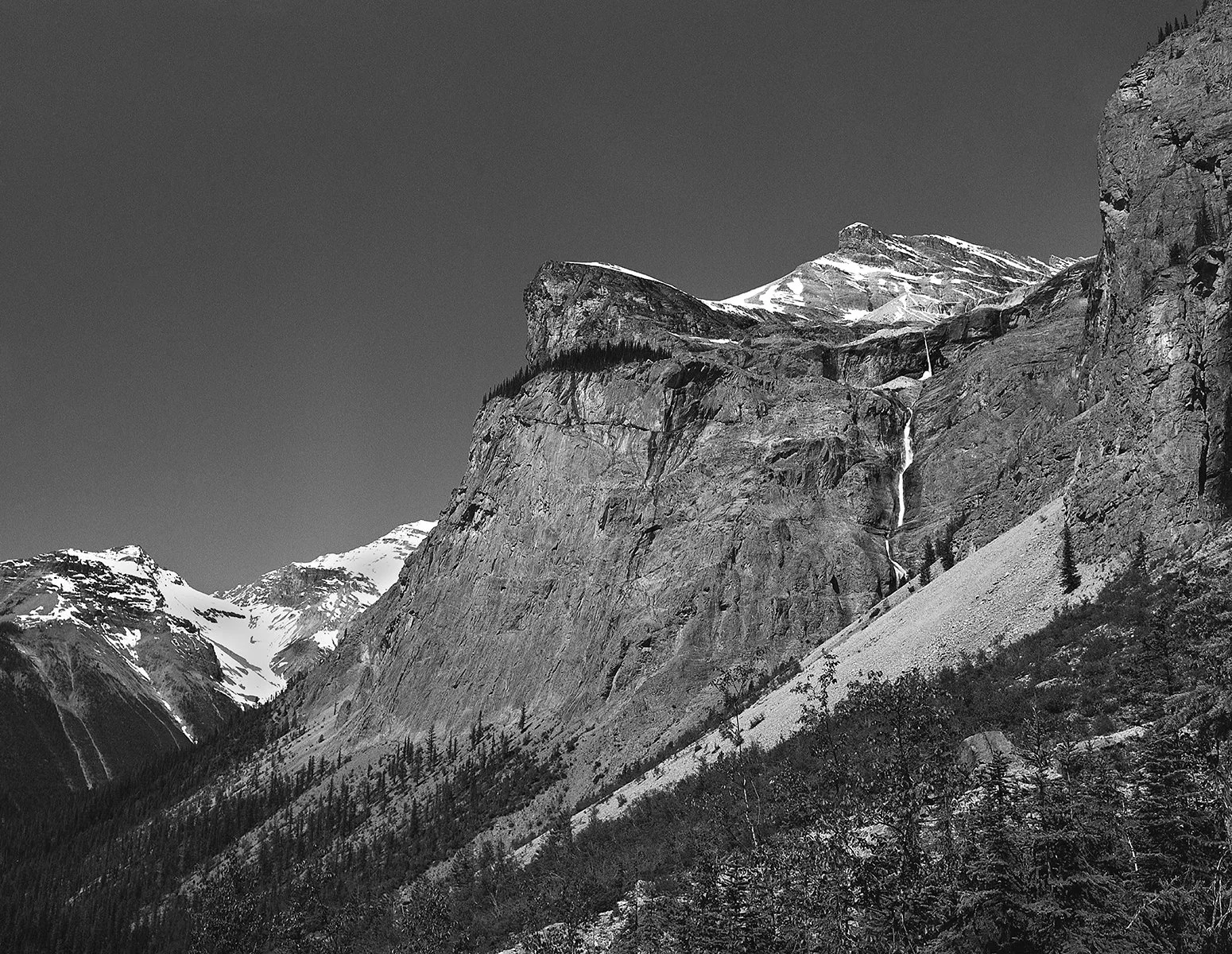
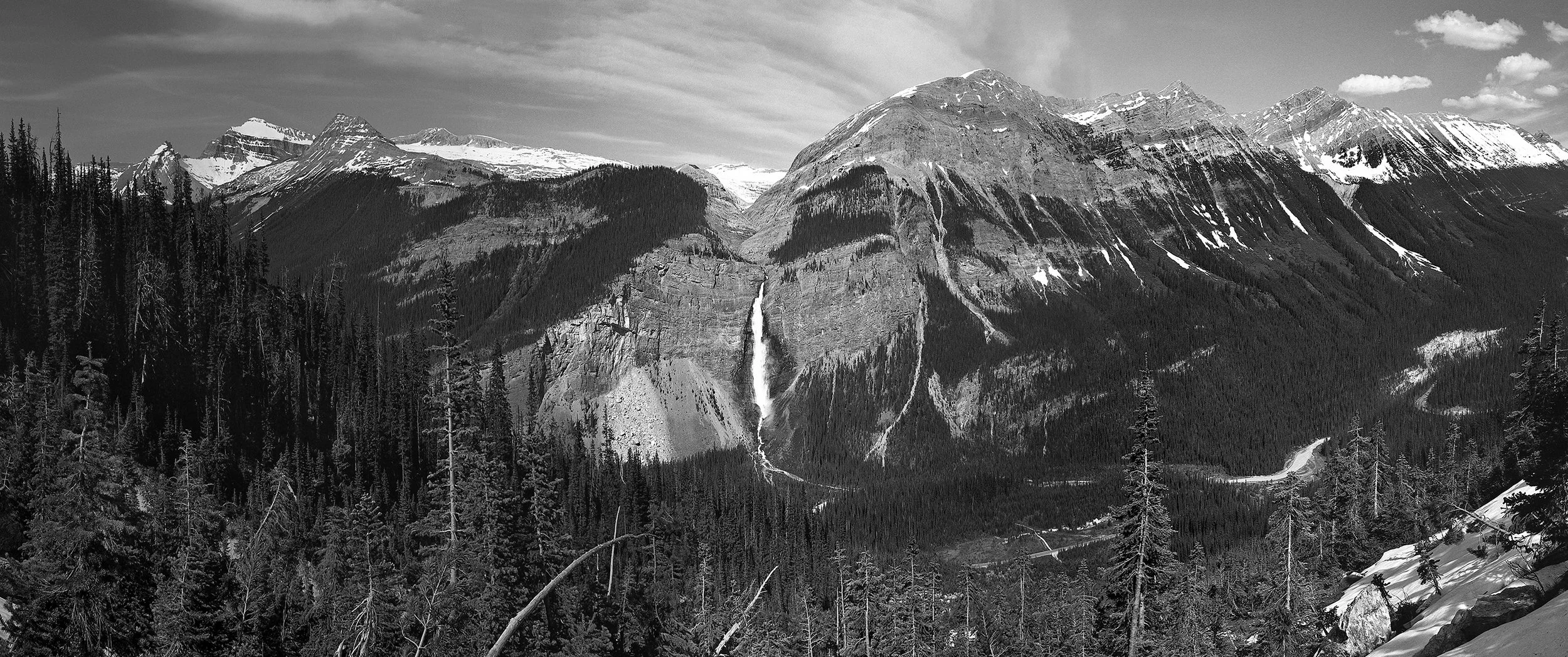
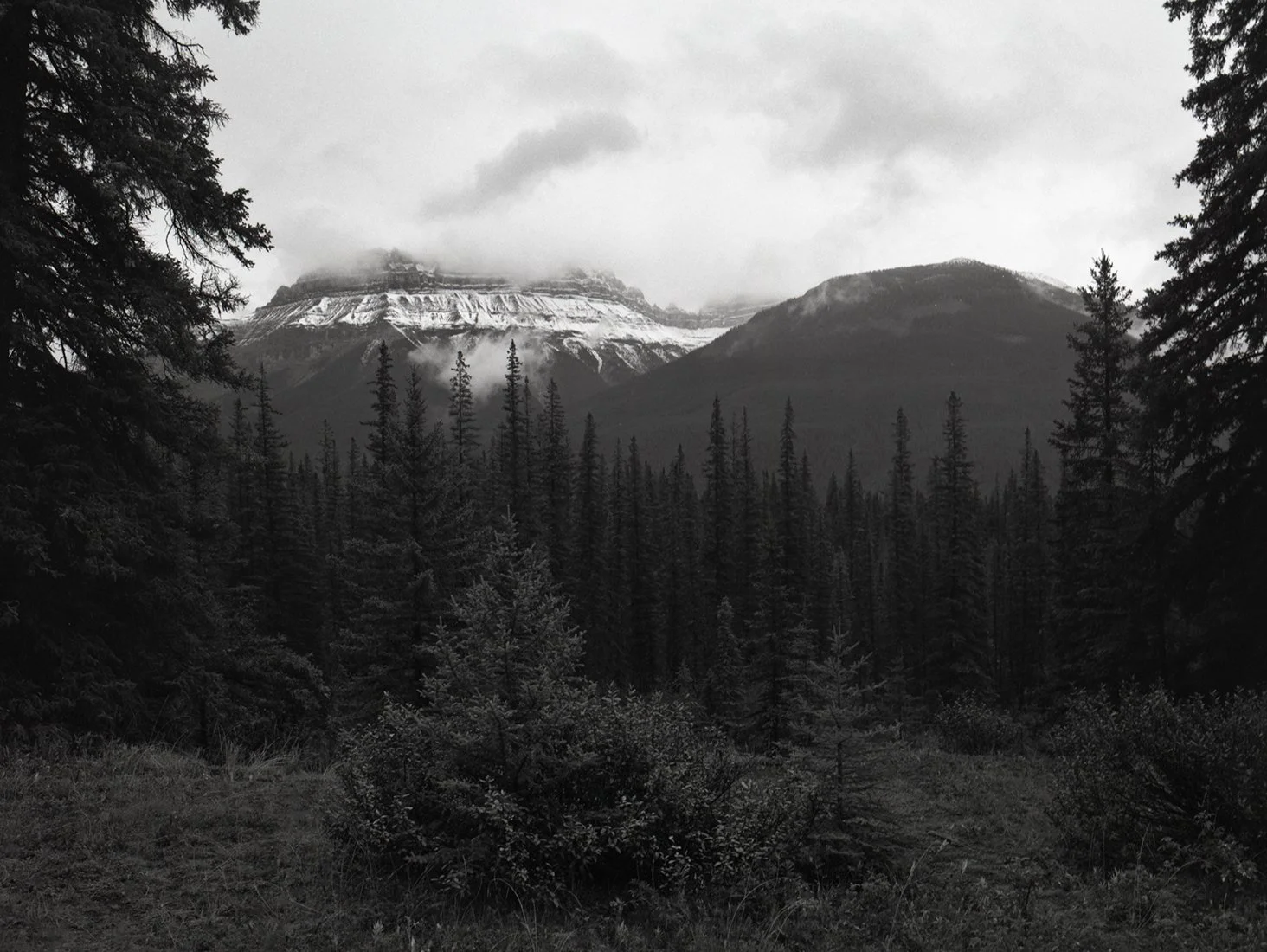
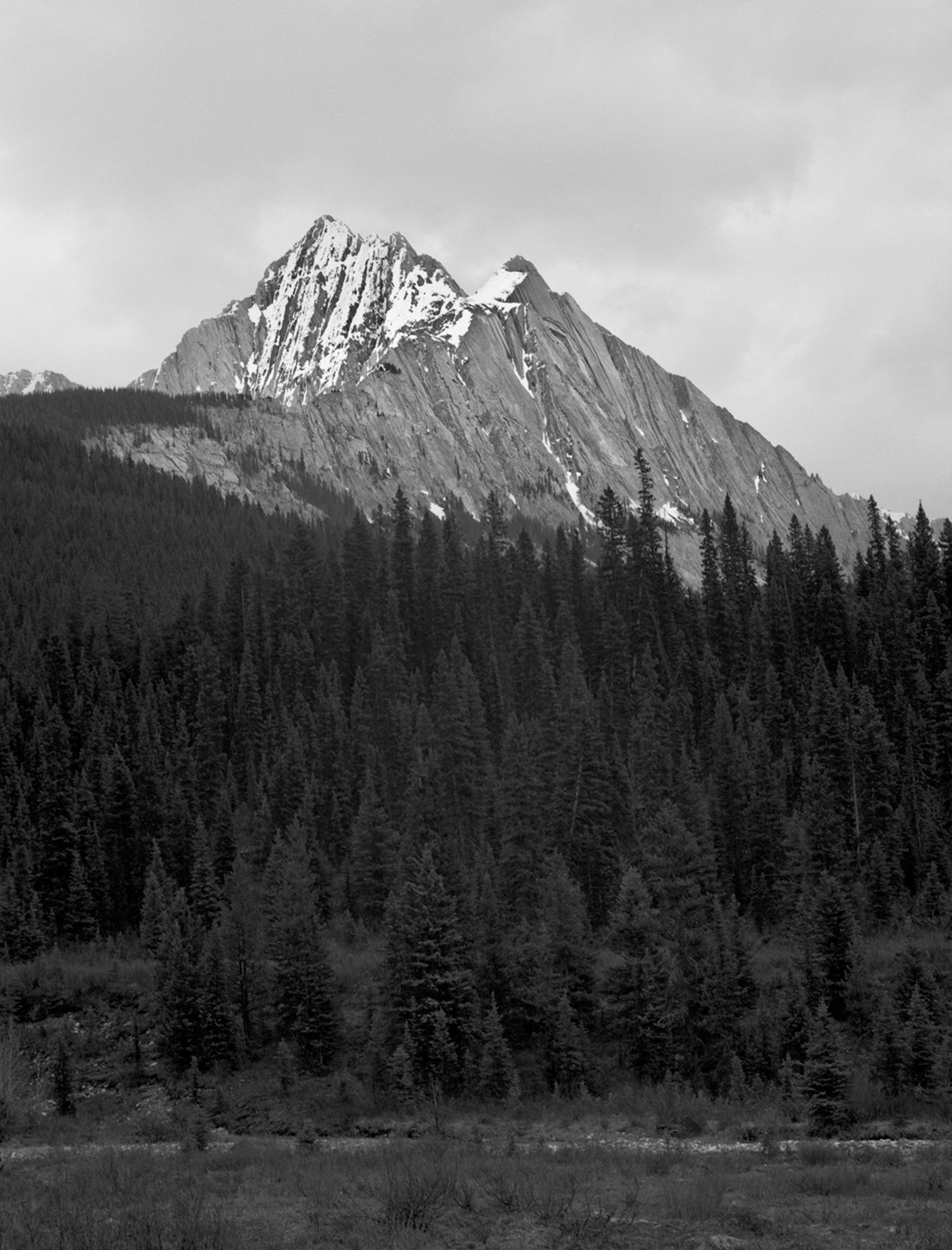
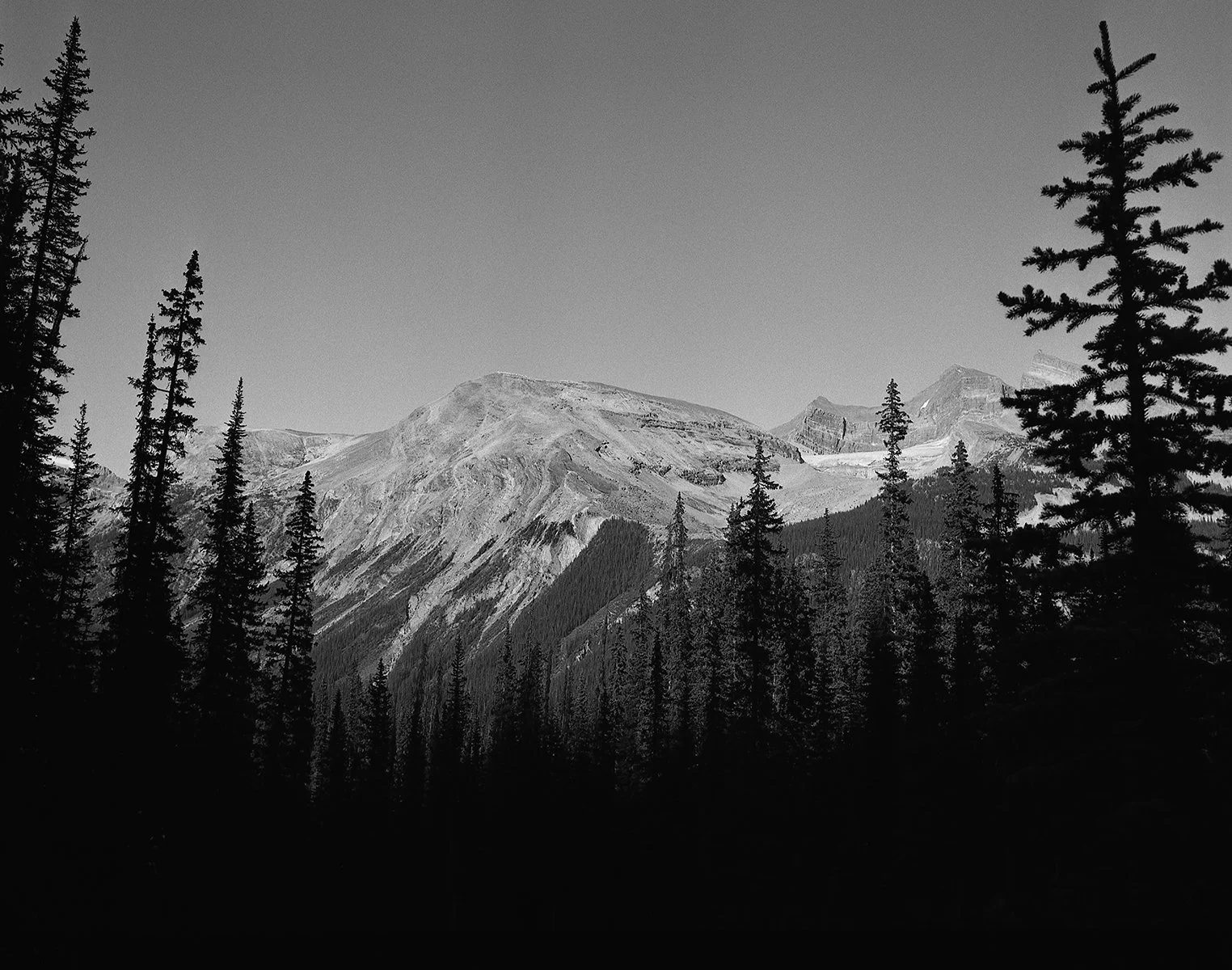
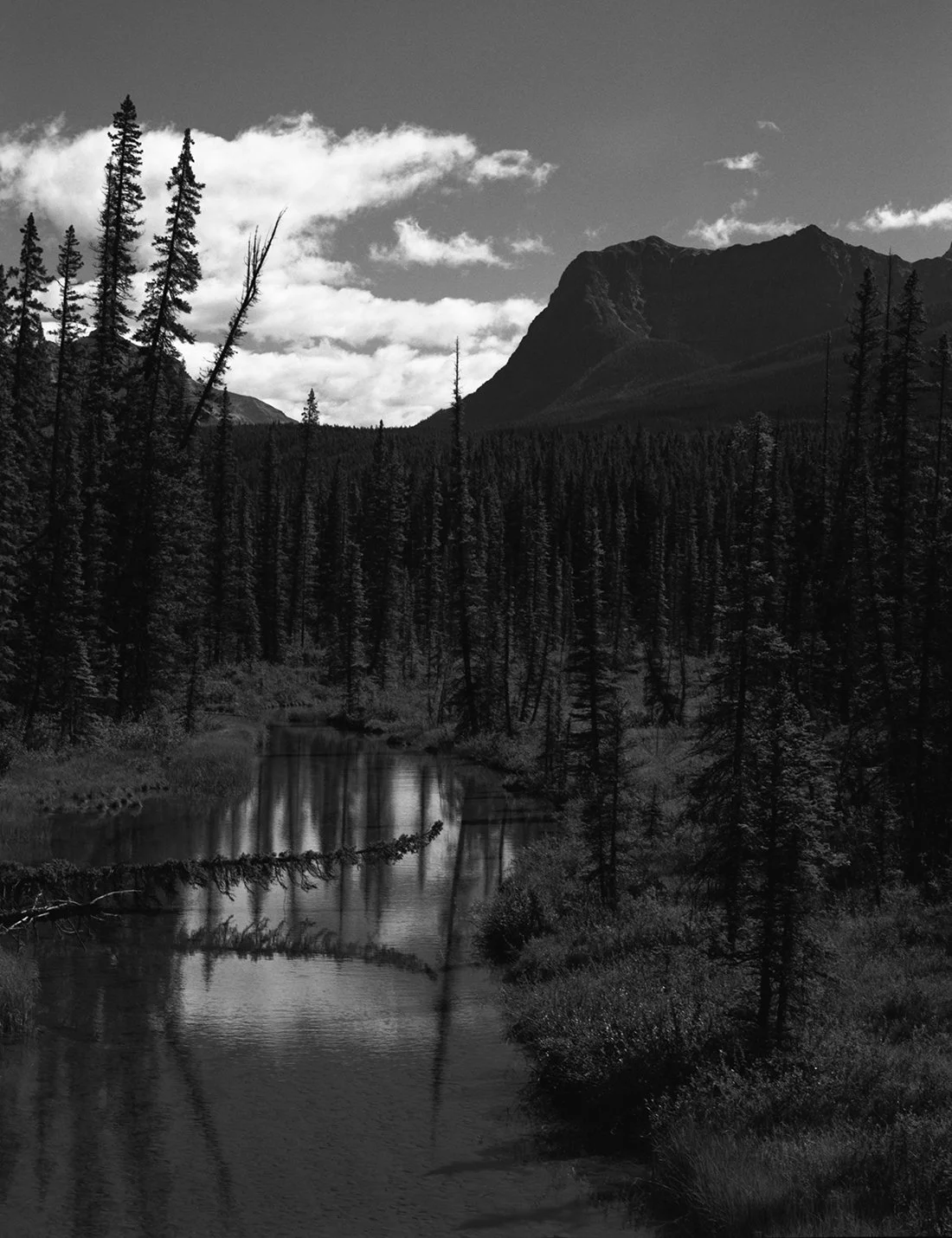
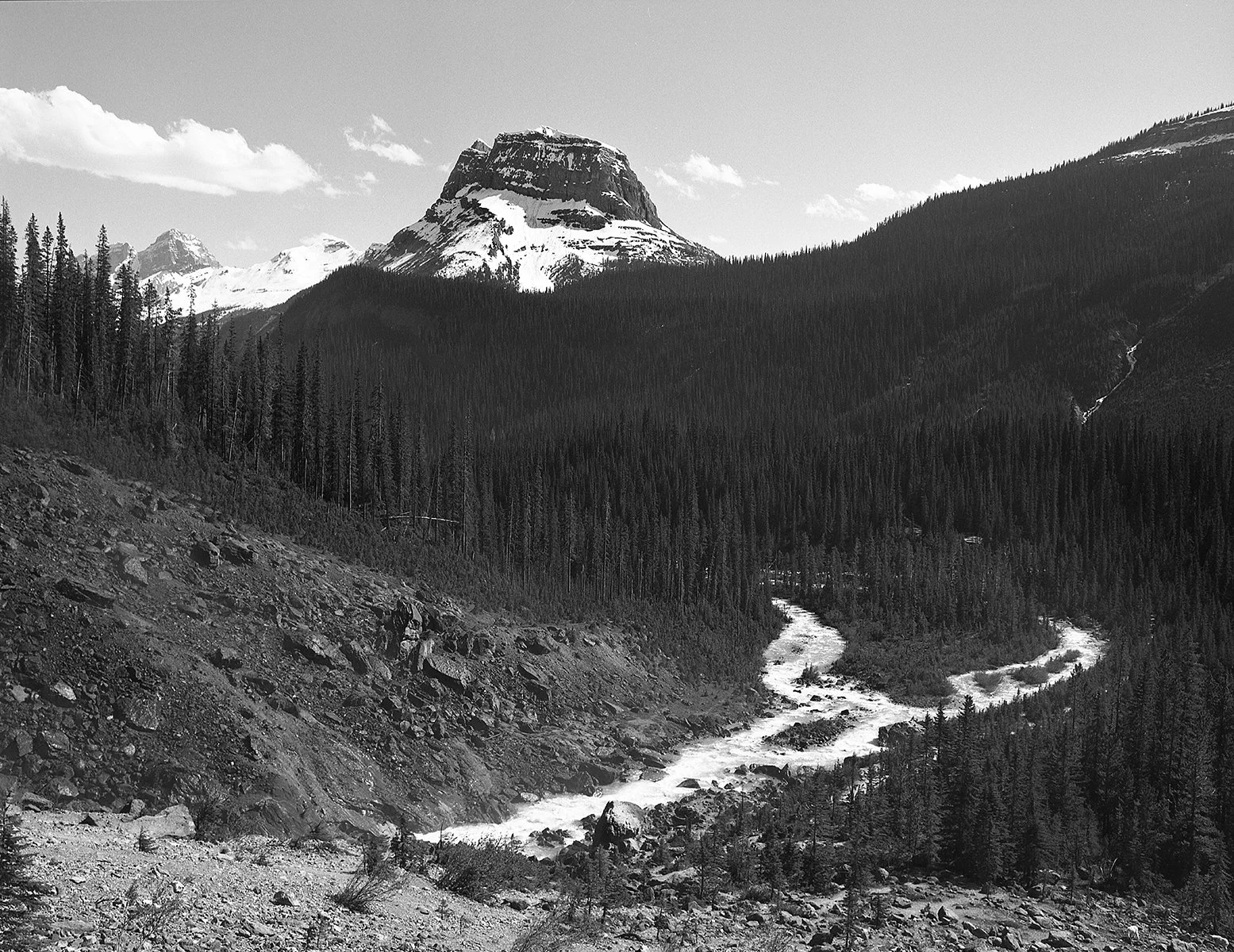
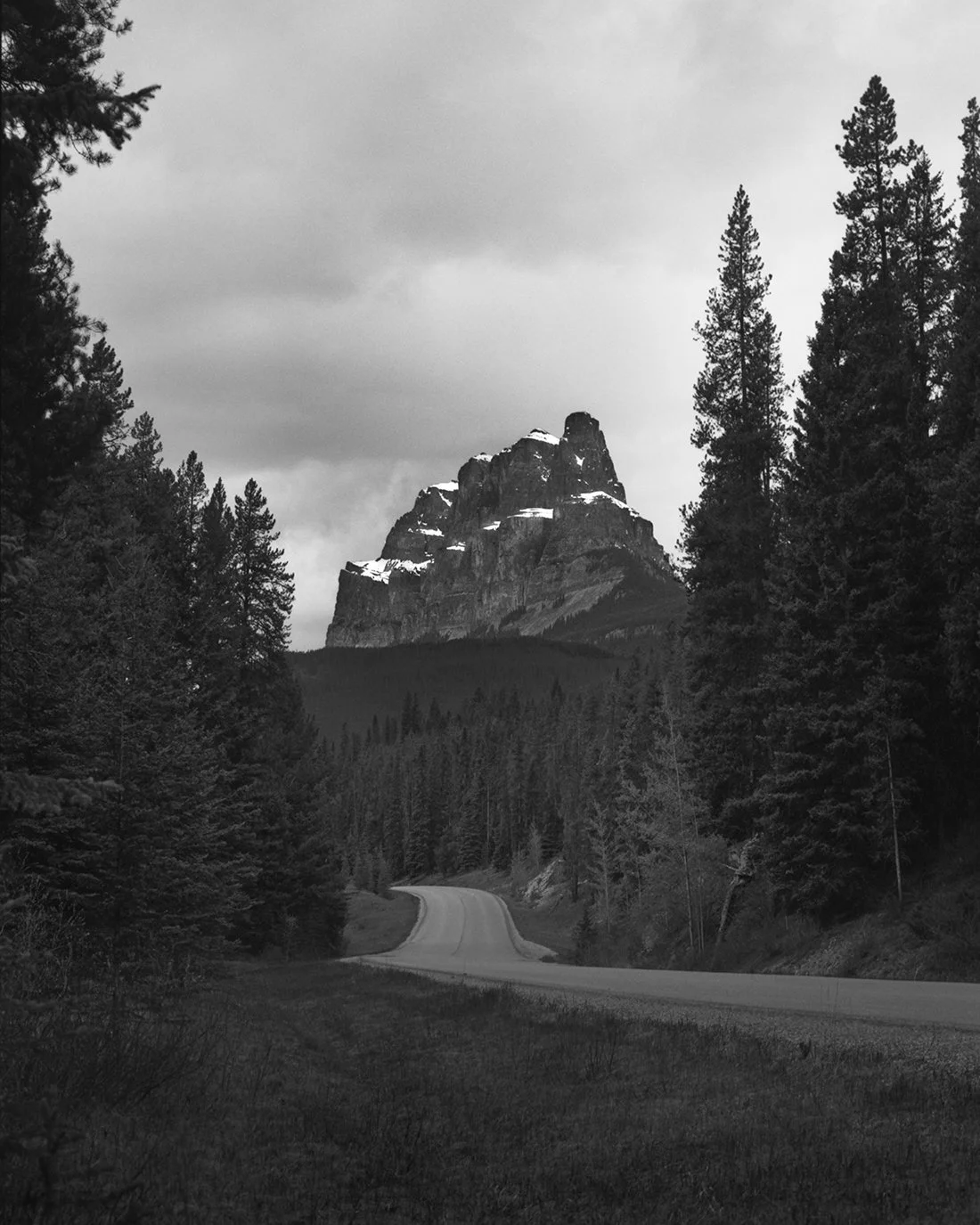
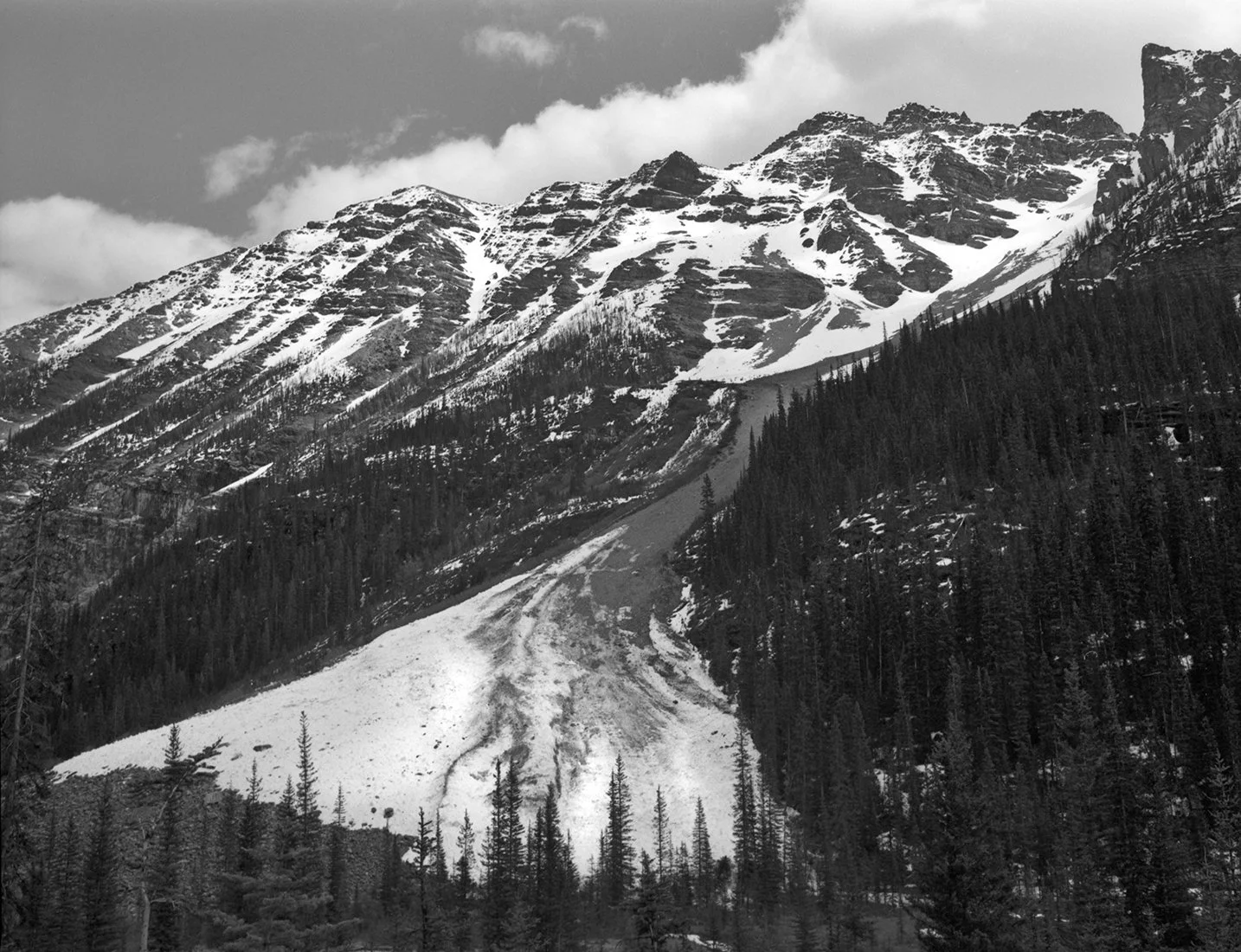
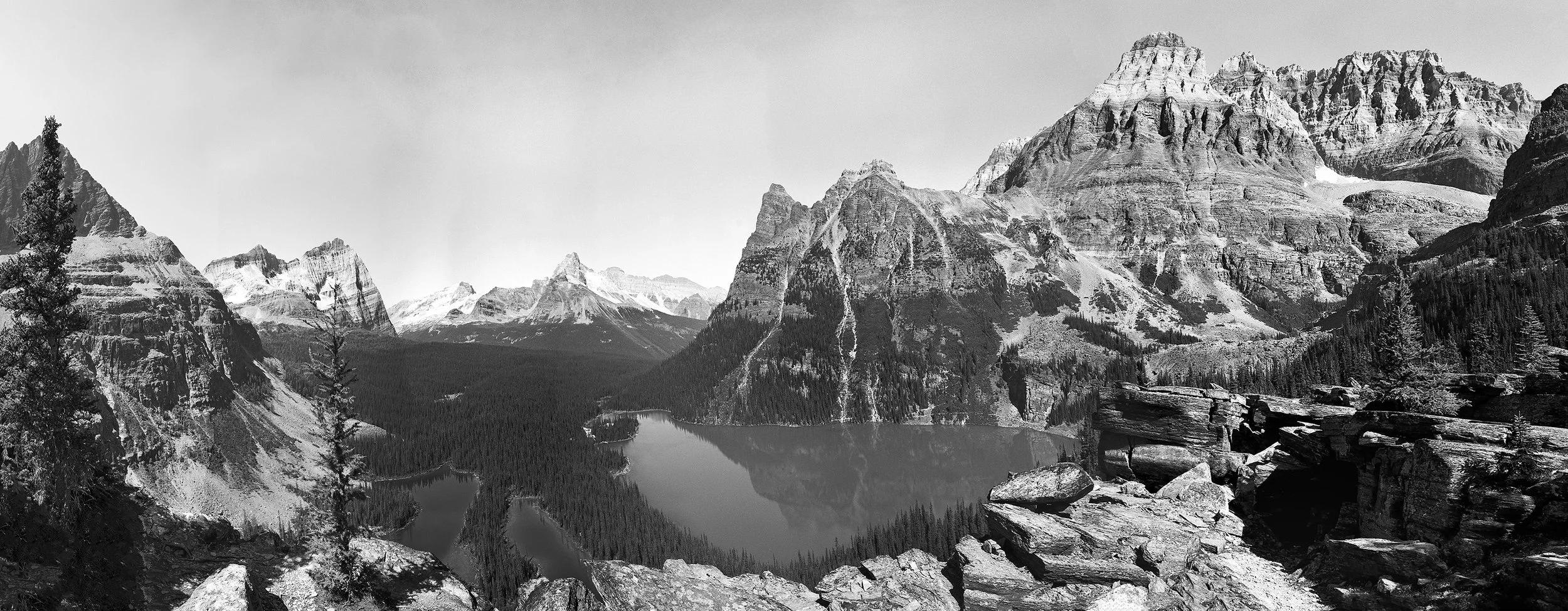
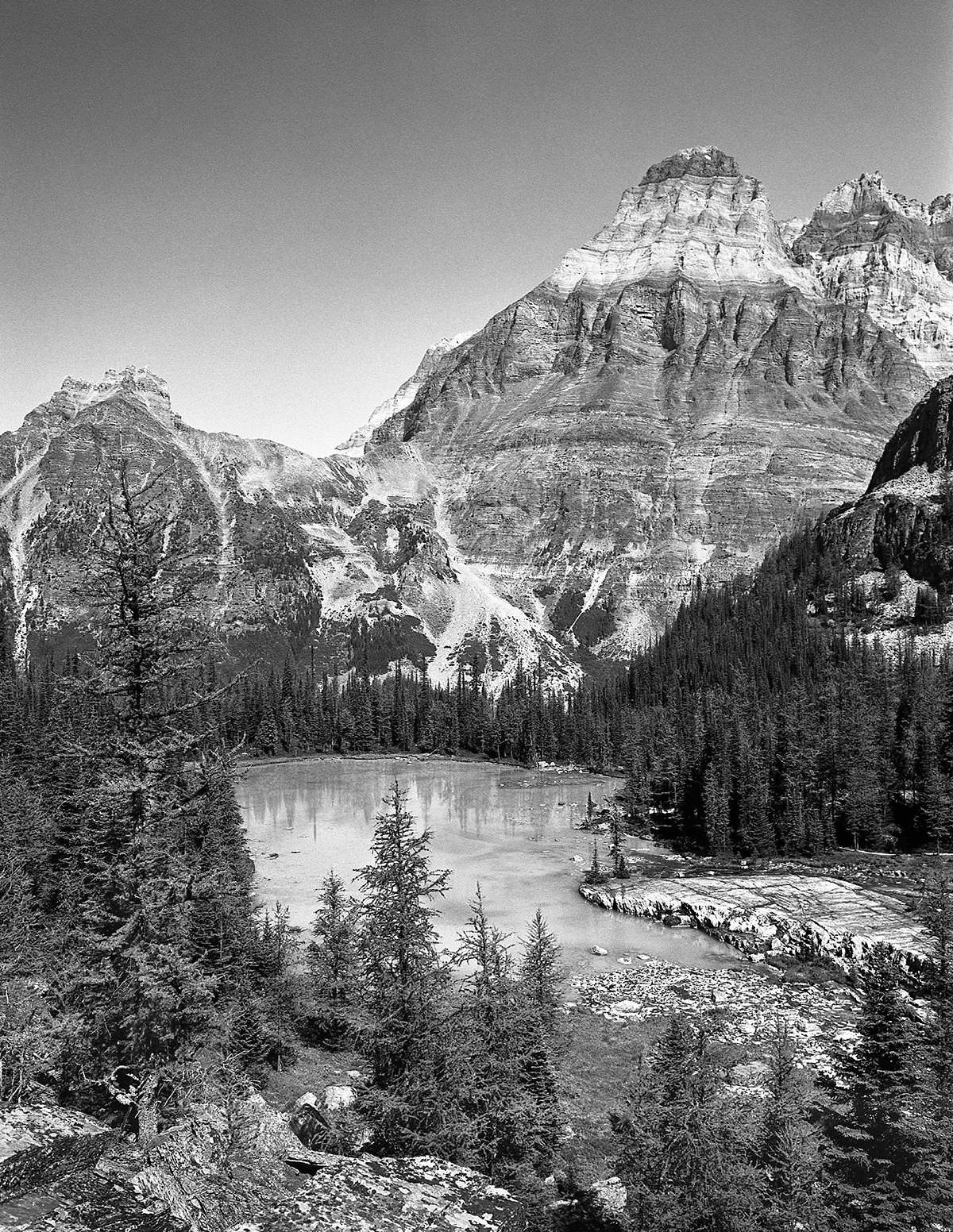
The mountains exist outside of accommodation. Weather shifts without warning, terrain resists control, and scale continually exceeds human proportion. Nothing within these environments stabilizes around presence, expectation, or interpretation for very long.
Within that indifference, systems that typically organize attention, projection, evaluation, forward orientation, begin to loosen. The landscape does not respond to them, and over time they become less necessary in order to remain present within it. Attention shifts elsewhere, toward changing light, atmospheric movement, geological repetition, and the slow passage of time across the land.
These images are not constructed around spectacle or resolution, but around sustained encounter. Photographed less as destinations than as conditions to exist within temporarily, the work approaches the landscape as a space where external structures lose urgency, allowing perception to become quieter, slower, and less fixed.
What emerges is not escape, but a temporary release from the need to continually interpret, define, or resolve experience. The images hold moments where recognition exists without requiring explanation, and where the landscape remains fully itself beyond what is placed onto it.